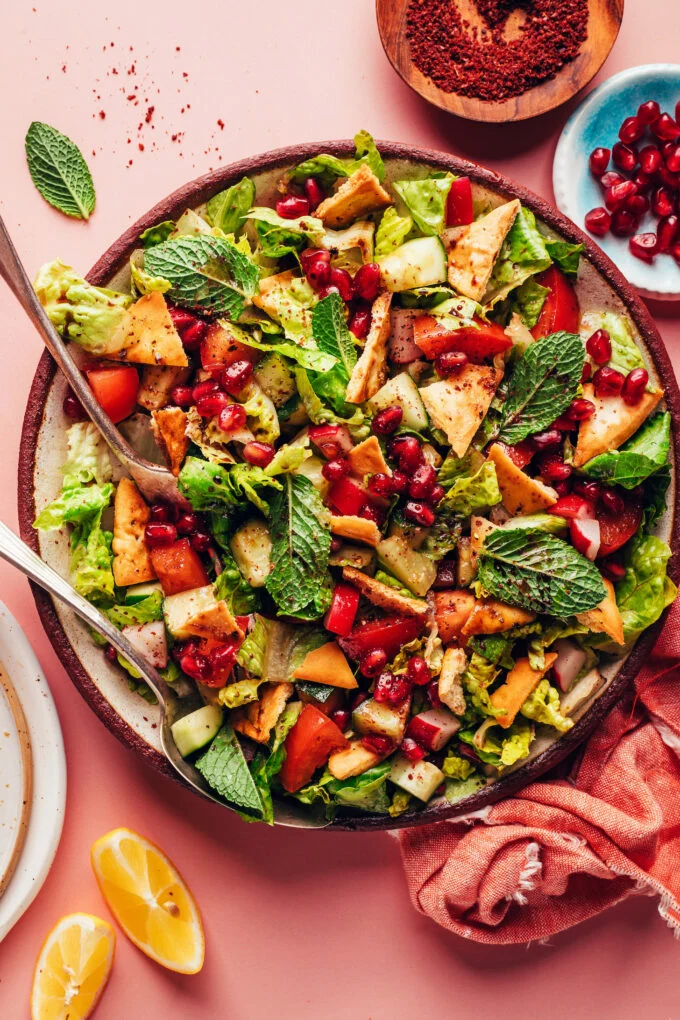

The Levantine culinary tradition, a rich tapestry of flavors originating from the Eastern Mediterranean regions of Lebanon, Syria, Jordan, Palestine, Israel, and Turkey, has long prioritized the use of fresh, seasonal produce and the ingenious repurposing of pantry staples. Among the most celebrated dishes in this repertoire is Fattoush, a "bread salad" that serves as a cornerstone of Mediterranean gastronomy. Recent developments in home culinary practices have seen a shift toward simplifying these traditional recipes for the modern, time-constrained kitchen. The "Easy Fattoush Salad" model, characterized by its one-bowl preparation and twenty-minute timeline, represents a significant evolution in making authentic regional flavors accessible to a global audience while maintaining the nutritional integrity of the original dish.
Historical and Cultural Context of the Levantine Salad
To understand the significance of Fattoush, one must examine its etymological and social roots. The word "Fattoush" is derived from the Arabic word "fatteh," which literally translates to "crumbs" or "crushed." Historically, Fattoush belongs to a family of dishes designed to minimize food waste by utilizing stale or leftover flatbread. In the agricultural societies of the Levant, farmers would combine whatever greens and vegetables were in season with toasted or fried bits of pita bread, creating a meal that was both hydrating and calorie-dense enough to sustain manual labor.
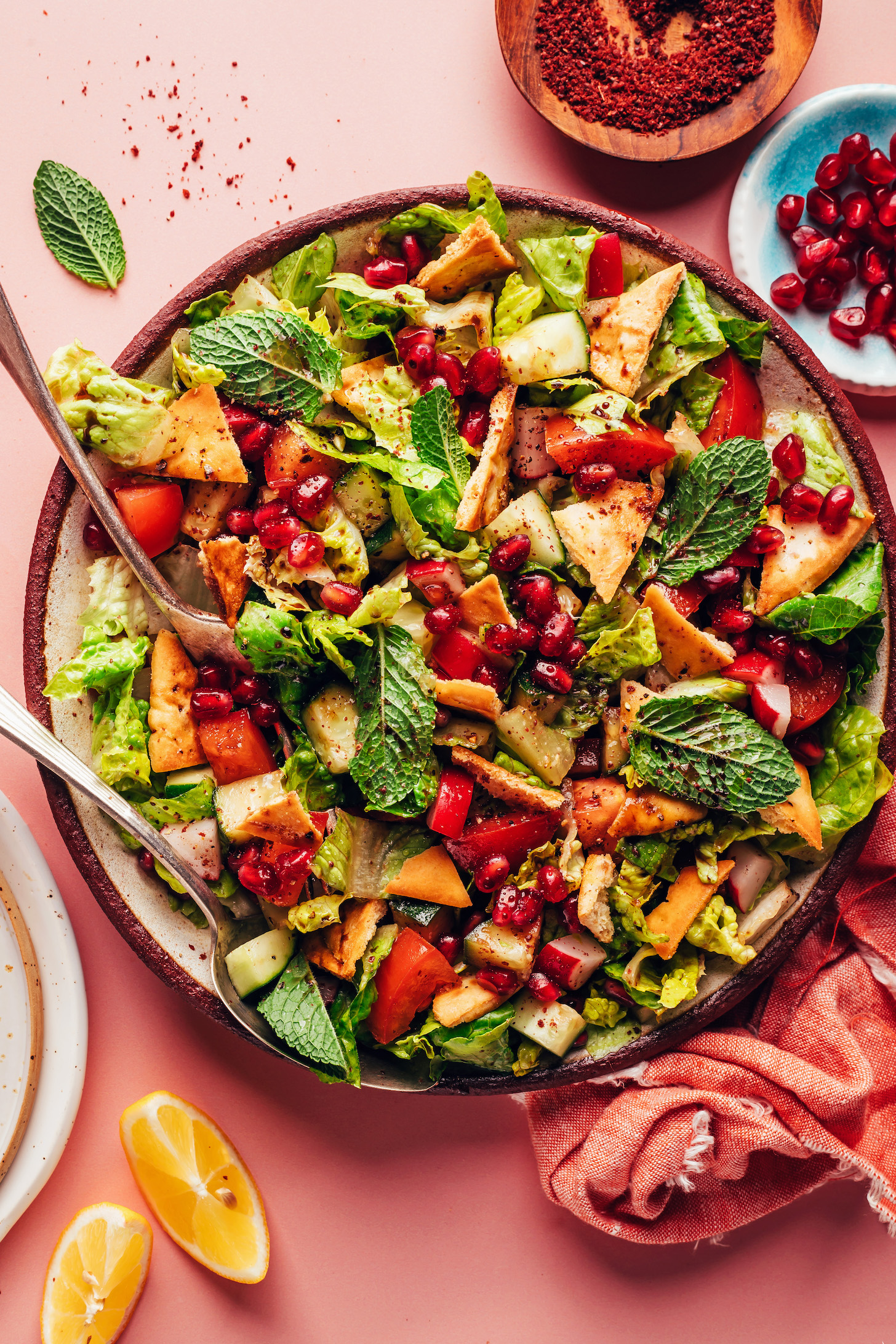
Unlike its regional cousin, Tabbouleh, which relies heavily on finely chopped parsley and bulgur wheat, Fattoush is defined by its rustic nature. The vegetables are typically chopped into larger, more substantial pieces, and the inclusion of sumac—a tangy, purple spice—provides the dish’s signature acidic profile. Over centuries, Fattoush has transitioned from a humble peasant meal to a staple of the "Meze" (small plates) spread, appearing in both domestic settings and high-end Levantine restaurants worldwide.
The Anatomy of Ingredients: A Nutritional and Flavor Profile
The modern adaptation of Fattoush focuses on a specific set of high-impact ingredients that provide a balance of textures and micronutrients.
The Base: Romaine and Cruciferous Crunch
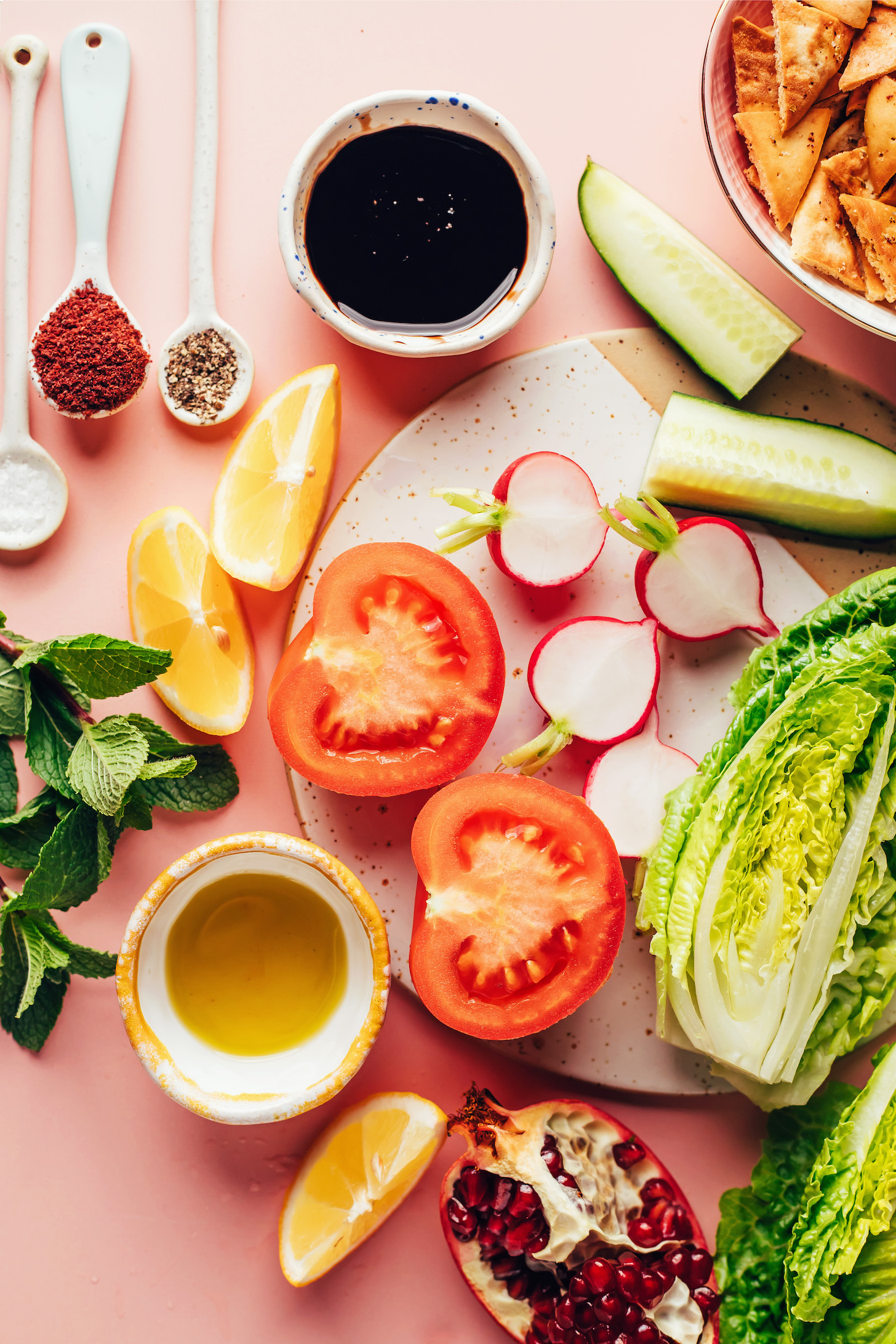
The foundation of the salad is chopped romaine lettuce. From a nutritional standpoint, romaine is a significant source of Vitamin A and Vitamin K. In this specific "weeknight-friendly" iteration, the lettuce provides a neutral, crunchy vehicle for the more aggressive flavors of the dressing.
The Vegetable Medley
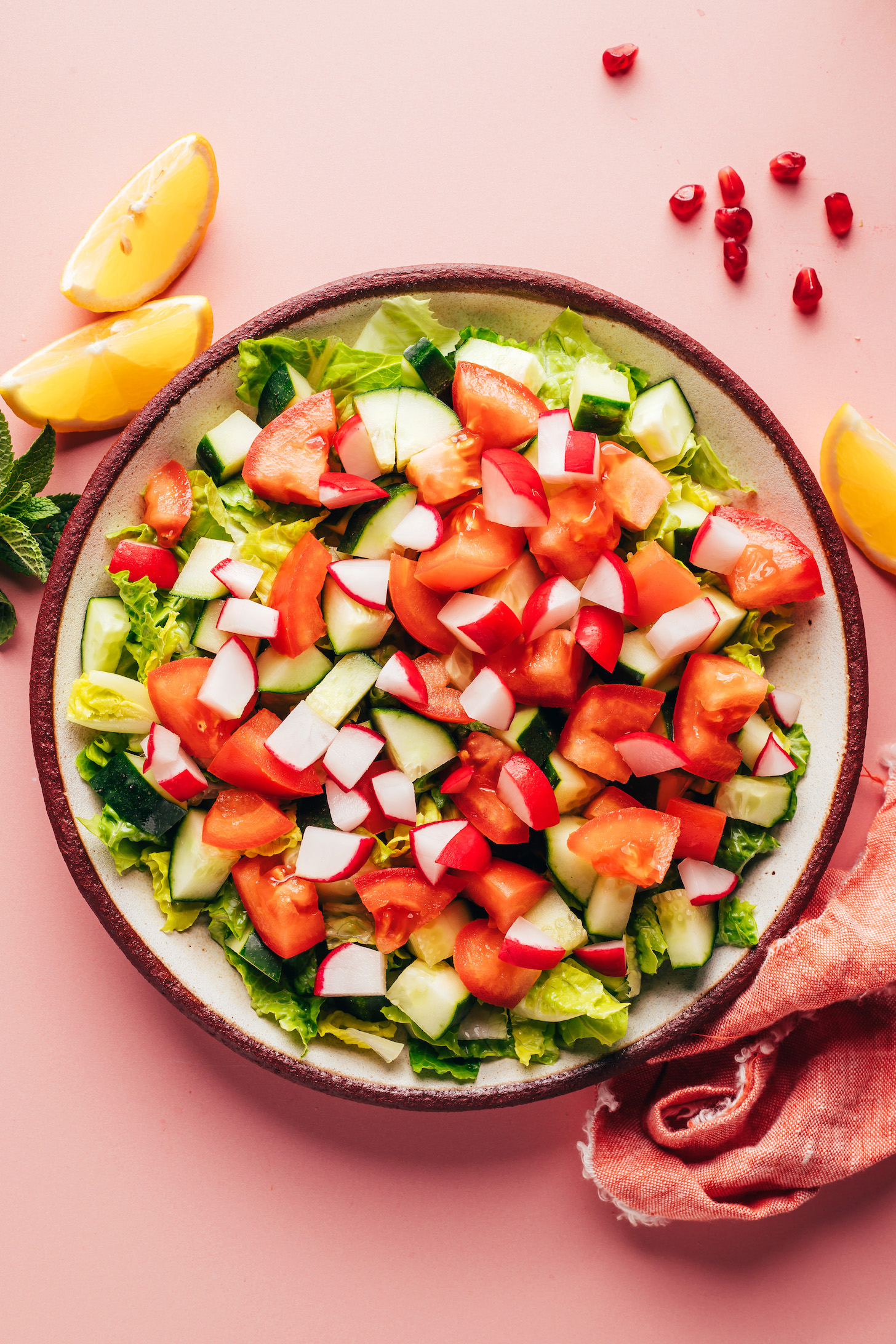
The inclusion of cucumber, tomato, and radish is not merely for color but for a complex water-and-fiber balance. Persian or Lebanese cucumbers are preferred by culinary experts due to their thin skins and lack of large seeds, which prevents the salad from becoming overly watery. Radishes contribute a peppery note and a sharp snap, while tomatoes provide acidity and lycopene, a powerful antioxidant.
The Spice Profile: Sumac and Pomegranate Molasses
The defining characteristic of an authentic Fattoush is the use of sumac and pomegranate molasses. Sumac, harvested from the berries of the Rhus coriaria shrub, is prized in Middle Eastern medicine and cooking for its anti-inflammatory properties and its ability to mimic the tartness of lemon with a more earthy, floral undertone. Pomegranate molasses, a thick reduction of pomegranate juice, adds a "tart-sweet" complexity that modern balsamic glazes often attempt to replicate but lack the specific fruit-forward astringency required for this dish.
Chronology of Preparation: The Twenty-Minute Workflow
The efficiency of the "one-bowl" method is achieved through a logical progression of tasks that maximizes flavor extraction while minimizing cleanup. The timeline for the preparation is generally categorized as follows:
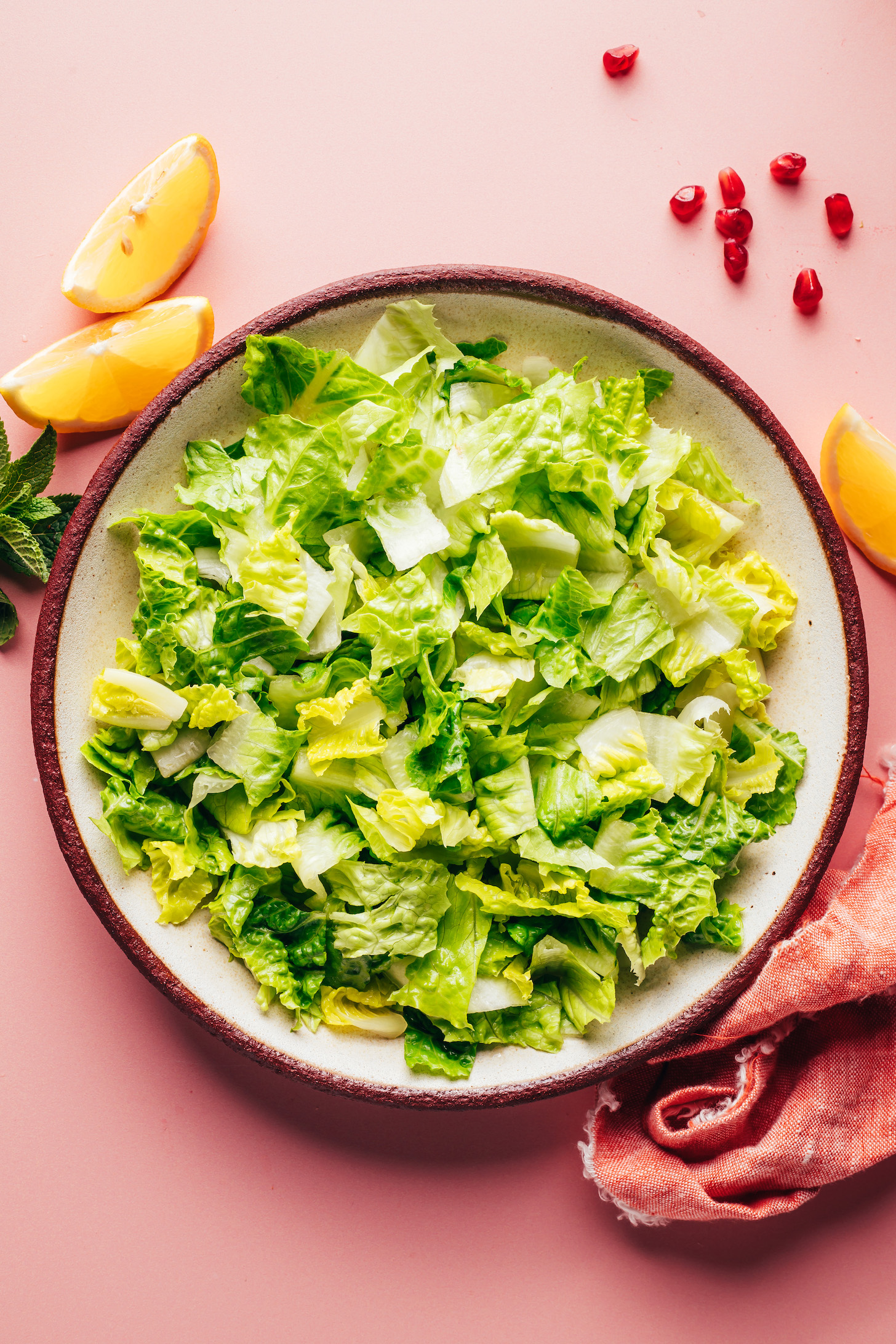
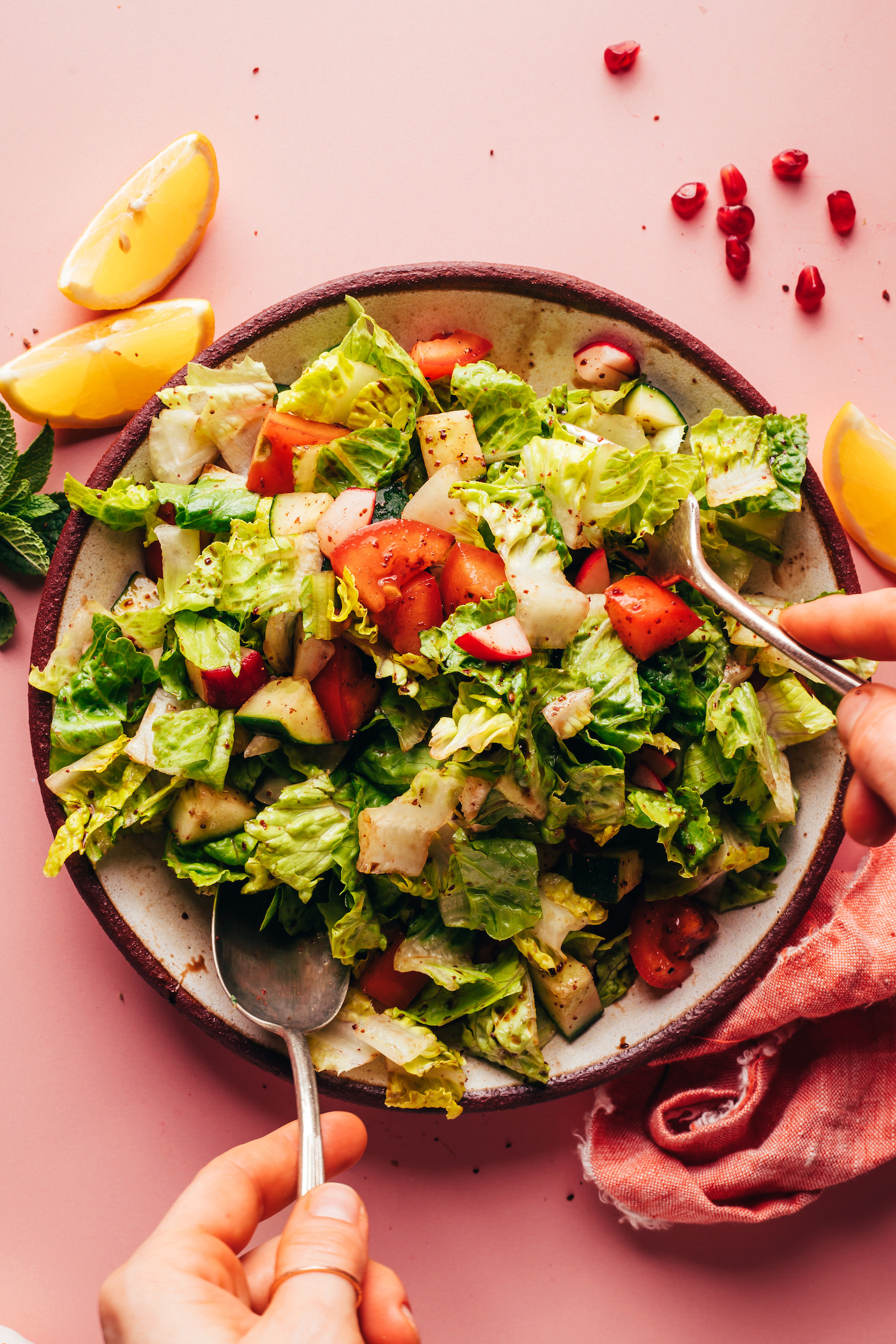
- Minutes 0-5: The Foundation and Dressing. The process begins by establishing the dressing directly in the serving bowl. By combining lemon juice, pomegranate molasses, sumac, salt, and pepper first, the chef creates an emulsion base. This ensures that when the greens are added, every leaf is evenly coated, preventing the "clumping" of spices that often occurs when seasoning is sprinkled over the top of a dry salad.
- Minutes 5-15: Precision Chopping. The bulk of the labor involves the preparation of the produce. Journalistic observation of professional kitchens suggests that the uniformity of the chop in a Fattoush salad affects the "mouthfeel." In this 20-minute version, the focus is on bite-sized pieces that allow for a "perfect forkful" containing bread, greens, and dressing.
- Minutes 15-18: The Incorporation of Herbs. Fresh mint is introduced toward the end of the process. Culinary experts recommend keeping the leaves whole or torn by hand rather than finely minced to prevent bruising and oxidation, which can lead to a bitter aftertaste.
- Minutes 18-20: Textural Finality. The final stage involves the addition of pita chips and pomegranate arils. Adding the pita chips immediately before serving is a critical chronological step; if added too early, the bread absorbs the dressing and loses its essential crunch, reverting to the "soggy bread" state that the original ancient recipe sought to disguise.
Supporting Data and Nutritional Estimation
According to nutritional analysis provided by Minimalist Baker, a standard side serving of this simplified Fattoush contains approximately 127 calories. The macronutrient breakdown reflects a low-fat, high-carbohydrate profile suitable for a refreshing side dish:
- Total Fat: 4.1 g (with minimal saturated fats)
- Sodium: 138 mg
- Total Carbohydrates: 21.6 g
- Dietary Fiber: 4 g
- Protein: 2.8 g
- Vitamin A: 562 IU
- Vitamin C: 14 mg
This data suggests that the salad is particularly effective for those seeking to increase their intake of fat-soluble vitamins and dietary fiber without a high caloric cost. The inclusion of chickpeas, as suggested for an entrée-style meal, would significantly increase the protein and fiber content, shifting the dish from a side salad to a nutritionally complete plant-based meal.
Culinary Perspectives and Adaptations
Culinary analysts note that the rise of "minimalist" cooking—reducing the number of bowls and steps—is a direct response to the "time-poverty" of modern consumers. However, this ease of preparation does not necessitate a loss of authenticity. The option to utilize store-bought pita chips or crackers, such as Simple Mills pita crackers, allows for a gluten-free adaptation that was historically difficult to achieve with traditional wheat-based flatbreads.
For those adhering to a strictly traditional approach, the "homemade pita chip" remains an option. This involves slicing pita bread into triangles, coating them in olive oil, sea salt, and additional sumac, and baking them at 350°F (180°C) for approximately 8 to 12 minutes. This sub-process, while adding to the total time, allows for the use of day-old bread, staying true to the dish’s historical roots as a "zero-waste" meal.
Broader Impact on Global Eating Habits
The popularization of dishes like Fattoush through digital platforms represents a broader trend in the globalization of the Mediterranean diet. In 2013, UNESCO recognized the Mediterranean diet as an Intangible Cultural Heritage of Humanity, citing its emphasis on social interaction and the consumption of fresh, plant-based foods. Simplified recipes like the "1-Bowl Fattoush" act as entry points for Western audiences to adopt these healthier eating patterns.
Furthermore, the inclusion of "superfood" ingredients like pomegranate arils and sumac aligns with the growing consumer interest in "functional foods"—ingredients that offer health benefits beyond basic nutrition. The antioxidant properties of pomegranates, combined with the vitamin-rich profile of fresh romaine and tomatoes, position this salad as more than just a meal; it is a lifestyle choice centered on longevity and wellness.
Implications for Future Culinary Trends
The success of the 20-minute, one-bowl Fattoush indicates a future where traditional ethnic cuisines are not viewed as "special occasion" meals requiring hours of labor, but as viable options for daily sustenance. As supply chains make ingredients like pomegranate molasses and sumac more readily available in standard grocery stores, the barriers to entry for Levantine cooking continue to diminish.
In conclusion, the Easy Fattoush Salad is a testament to the enduring relevance of Levantine flavors. By condensing the preparation process without sacrificing the core components—the crunch of the bread, the tartness of the sumac, and the freshness of the herbs—this recipe serves as a bridge between ancient tradition and modern convenience. It remains a premier example of how historical "peasant food" can be transformed into a sophisticated, health-conscious staple for the 21st-century table. Through careful ingredient selection and efficient methodology, the essence of the Eastern Mediterranean remains accessible, one bowl at a time.