
The relentless grip of winter has inspired a new creation in the world of artisanal baking: a spice-forward, hearty sourdough bread designed to combat the lingering chill and shorter days. This particular loaf, infused with the warm, licorice-sweet notes of anise and the nutty depth of buckwheat, offers a comforting and aromatic experience, transforming the often-daunting task of baking into a rewarding ritual. The process itself, from the pungent aroma of freshly ground anise to the silky texture achieved through a flour scald, provides a welcome distraction from the harshness of the season, making the cold a surprisingly effective catalyst for culinary creativity.
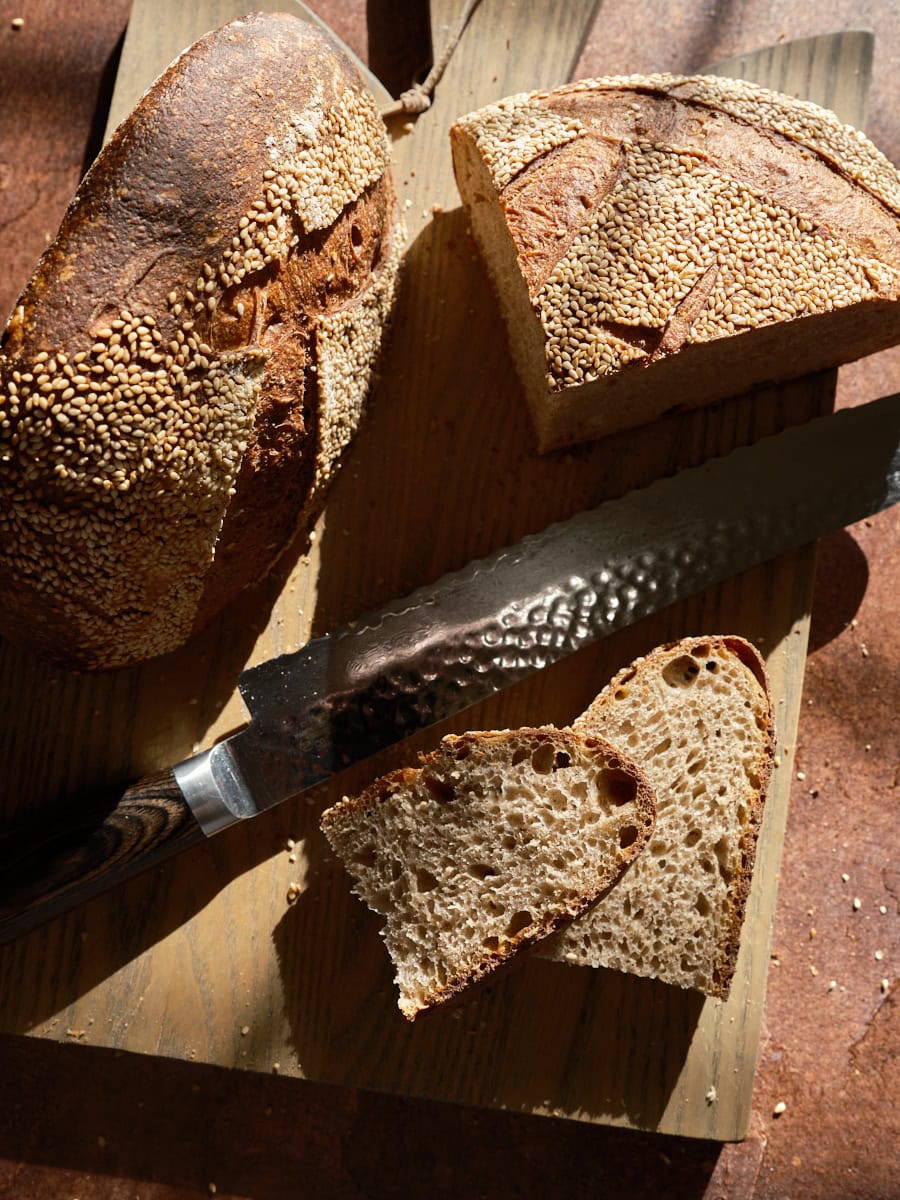
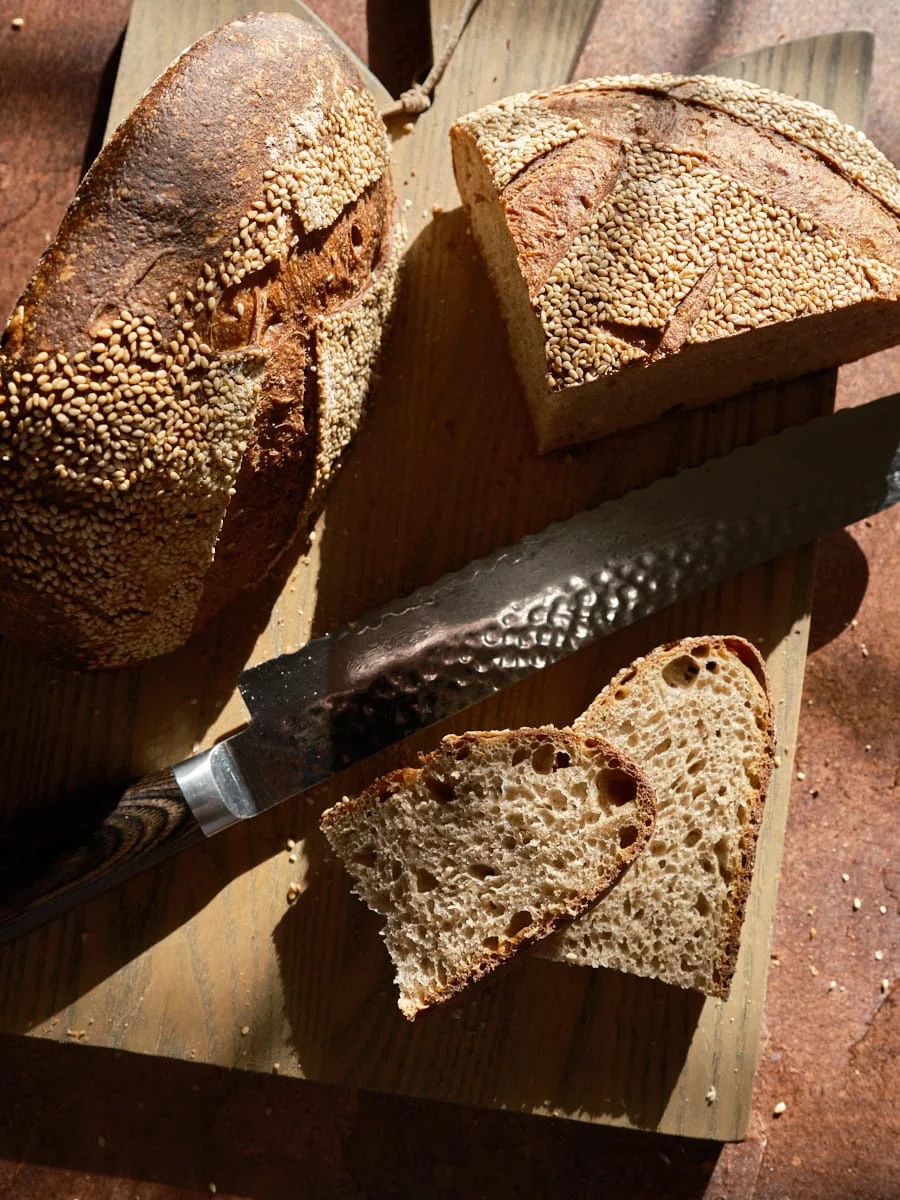
The allure of anise in baking is undeniable. Its bold flavor, which the author notes "doesn’t politely wait for you to smell it. It arrives," is a signature element in many baked goods, from biscotti to cookies. However, its incorporation into a large sourdough loaf was a novel exploration, leading to a synergistic pairing with buckwheat. The earthy, mineral, and slightly tannic profile of buckwheat complements anise beautifully, creating a balanced and exceptionally appealing bread. To further enhance its visual and gustatory appeal, the loaf is finished with striking white sesame seeds, their subtle flavor echoing the sweetness and spice within, while providing a stunning visual contrast against the whole-grain crumb.
The Science Behind the Texture: Why Use a Flour Scald?
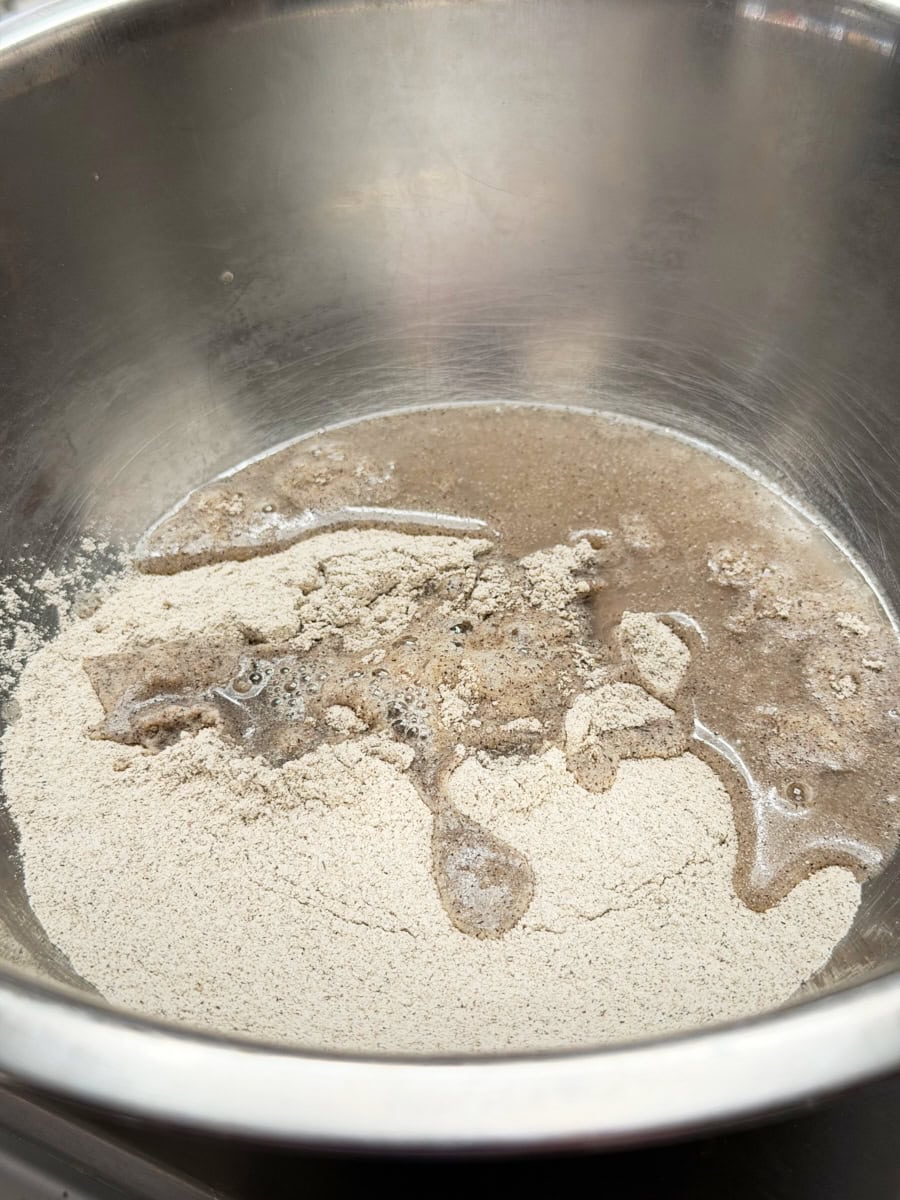
A key technique employed in this recipe, the flour scald, is instrumental in achieving the bread’s unique texture and extending its freshness. Scalding flour, a simple process of mixing it with boiling water to create a thick, gelatinized paste, is akin to the Japanese Yudane or the more widely known Tangzhong methods. This paste, intensely aromatic and flavorful, plays a crucial role in retaining moisture within the final loaf. By trapping water molecules, the scald effectively delays the staling process, ensuring the bread remains softer and more palatable for a longer duration. This technique, easily integrated into the bread-making process, adds a discernible "something extra" to each bake.
The choice of flour is equally important in crafting this hearty loaf. The recipe utilizes high-extraction flour (Type 85) as its foundation, specifically Cairnspring’s Trailblazer. This choice infuses the bread with a greater proportion of bran and germ, contributing to a richer flavor and enhanced nutritional content. Buckwheat, while not a wheat grain and lacking the same gluten-forming structure, is introduced in a carefully considered percentage. Based on previous baking experiences, even small amounts of buckwheat can lead to a denser crumb, a trade-off for the intense earthiness and striking color it imparts to the finished bread.

A Calculated Approach: Baking Schedule and Formula
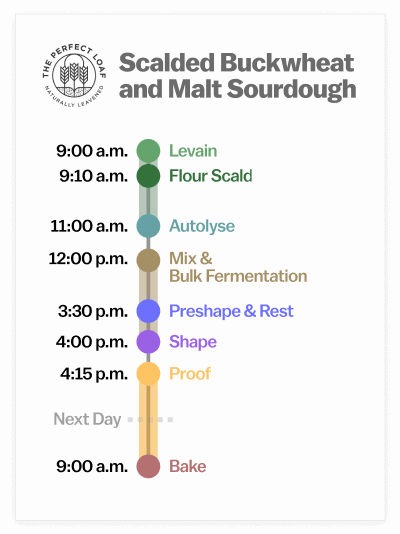
The creation of this Scalded Buckwheat and Malt Sourdough Bread is a two-day endeavor, designed for minimal baker intervention. The process begins with the preparation of the levain, followed by the flour scald and autolyse. Bulk fermentation, a critical stage for flavor development and dough structure, requires only a couple of sets of stretches and folds. The dough then undergoes a cold proof overnight in the refrigerator, allowing for optimal flavor development and a convenient baking schedule. Loaves can be baked the following morning or held in the fridge until the evening for freshly baked bread to accompany dinner.
This recipe yields two substantial loaves, each weighing approximately 900 grams. For bakers wishing to scale the recipe, a comprehensive spreadsheet is available, allowing for easy adjustments to ingredient quantities. The dough boasts a prefermented flour percentage of 5.8% and incorporates 18.5% levain into the final dough. The hydration level stands at a notable 75.0%, increasing to 83% when the water content of the flour scald is included. Achieving a final dough temperature (FDT) of 78°F (26°C) is the target, a crucial factor for consistent fermentation, as detailed in broader discussions on the importance of dough temperature in baking.
Total Formula Breakdown:
- Scald:
- Buckwheat flour: 46g (5.0% of total flour weight)
- Water: 73g (8.0% of total flour weight)
- Main Dough:
- High-extraction wheat flour (Type 85): 687g (75.0% of total flour weight)
- Whole wheat flour: 183g (20.0% of total flour weight)
- Barley malt syrup: 46g (5.0% of total flour weight)
- Aniseed, ground: 6g (0.6% of total flour weight)
- Water 1 (for levain and autolyse): 596g (65.0% of total flour weight)
- Water 2 (for final mix): 92g (10.0% of total flour weight)
- Fine sea salt: 18g (2.0% of total flour weight)
- Ripe sourdough starter (100% hydration): 53g (5.8% of total flour weight)
Step-by-Step: Crafting the Scalded Buckwheat and Malt Sourdough
The baking process is meticulously outlined, ensuring clarity for both novice and experienced bakers.
Day 1: Preparation and Fermentation
- Prepare the Levain (9:00 a.m.): A small starter is fed with high-extraction wheat flour and water at a 1:1:1 ratio. This mixture is left to ripen at a temperature of 74-76°F (23-24°C) for approximately three hours. A dedicated sourdough starter and levain calculator is available for those needing to adjust quantities.
- Prepare the Flour Scald (9:10 a.m.): Buckwheat flour is combined with boiling water in a small bowl, stirred until a thick paste forms. If the mixture appears too dry, an additional splash of boiling water can be added. The scald is then covered and set aside.
- Autolyse (11:00 a.m.): High-extraction wheat flour, whole wheat flour, and the prepared flour scald are combined in a large bowl. Water 1, adjusted to achieve the target final dough temperature, is added. The mixture is thoroughly combined until no dry flour remains. This shaggy dough rests, covered, for one hour, allowing the flours to hydrate and gluten development to begin.
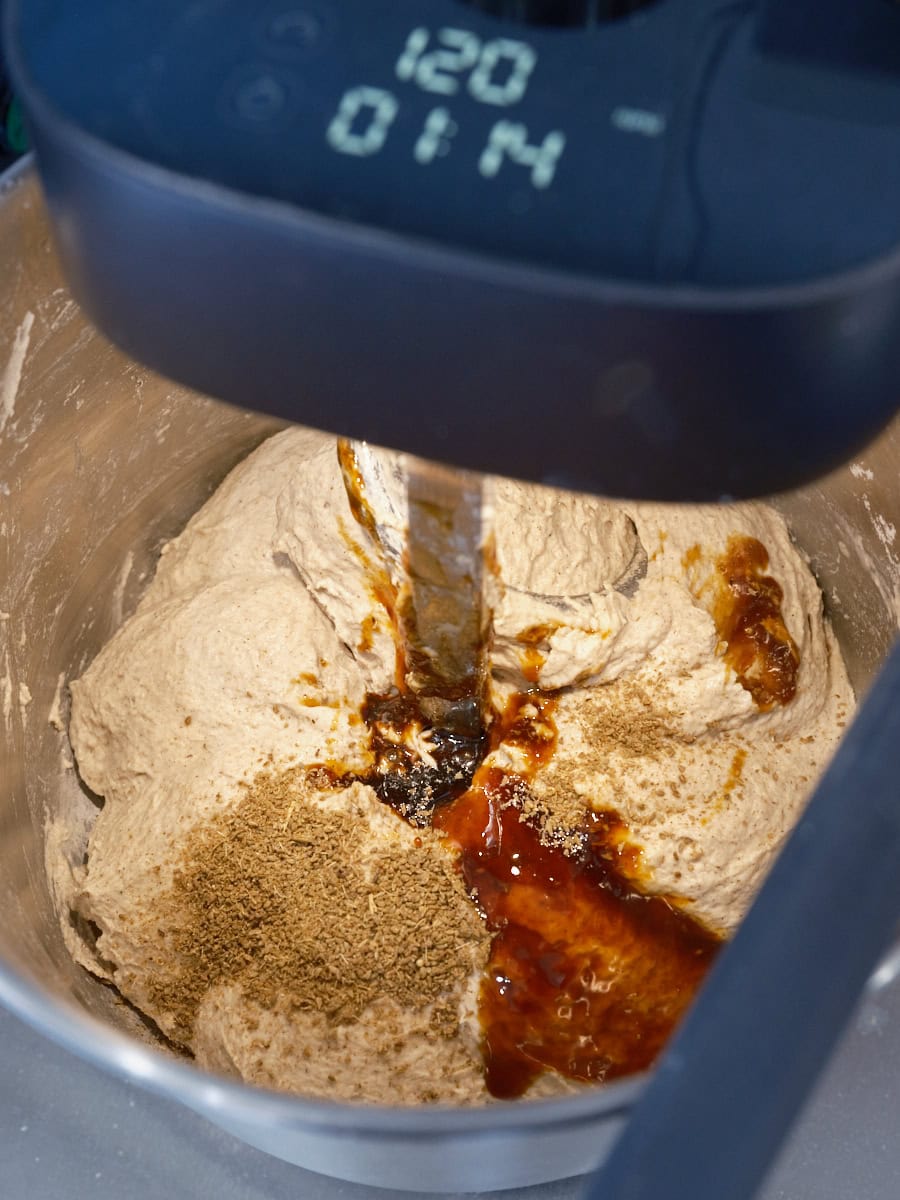
- Mix (12:00 p.m.): The ripe levain, fine sea salt, and Water 2 are incorporated into the autolysed dough. The author notes that this dough is high hydration, and Water 2 should be added incrementally if the dough feels capable of incorporating more liquid, a technique known as "bassinage." Mixing can be done by hand using slap-and-fold or bowl-folding techniques, or by machine. The dough is kneaded until smooth and cohesive, then transferred to a fermentation container.
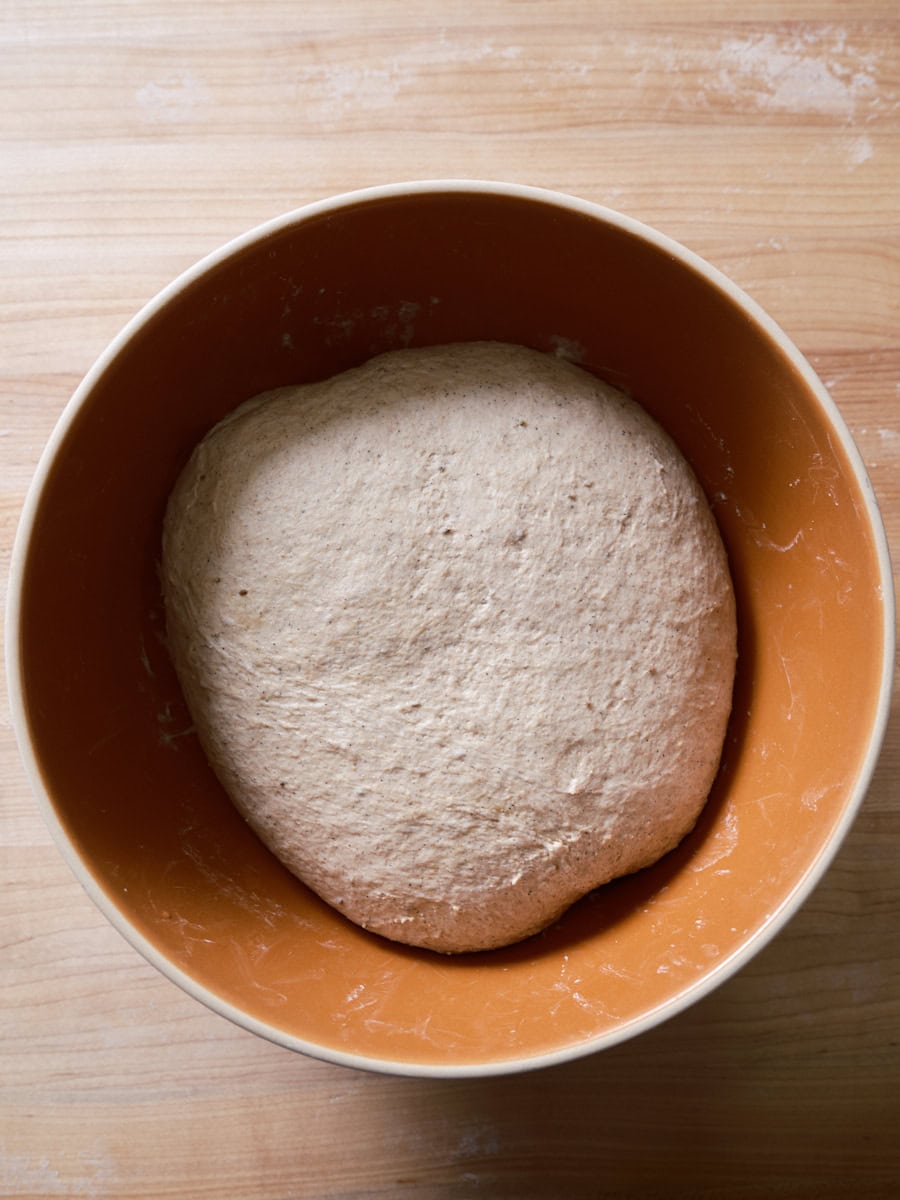
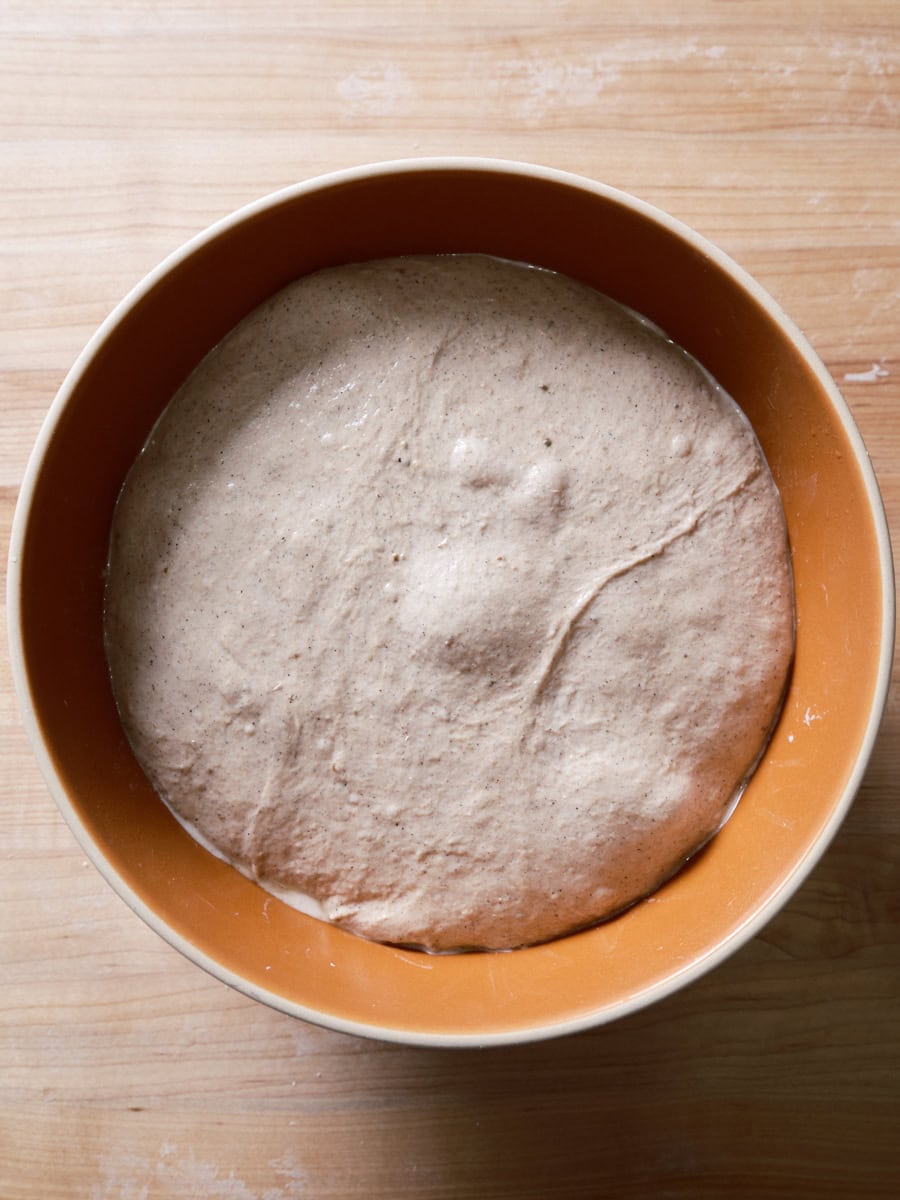
- Bulk Fermentation (12:30 p.m. to 3:30 p.m. – 3 hours): At a warm room temperature of 74-76°F (23-24°C), bulk fermentation proceeds for approximately three hours. During this period, two sets of stretch and folds are performed at 30-minute intervals. After the second set, the dough is left undisturbed to complete its rise, aiming for a roughly 30% increase in volume.
Day 2: Shaping, Proofing, and Baking
- Pre-shape (3:30 p.m.): The fermented dough is gently turned out onto a lightly floured surface, divided in half, and loosely shaped into rounds. These rounds are left to rest, uncovered, for 30 minutes.
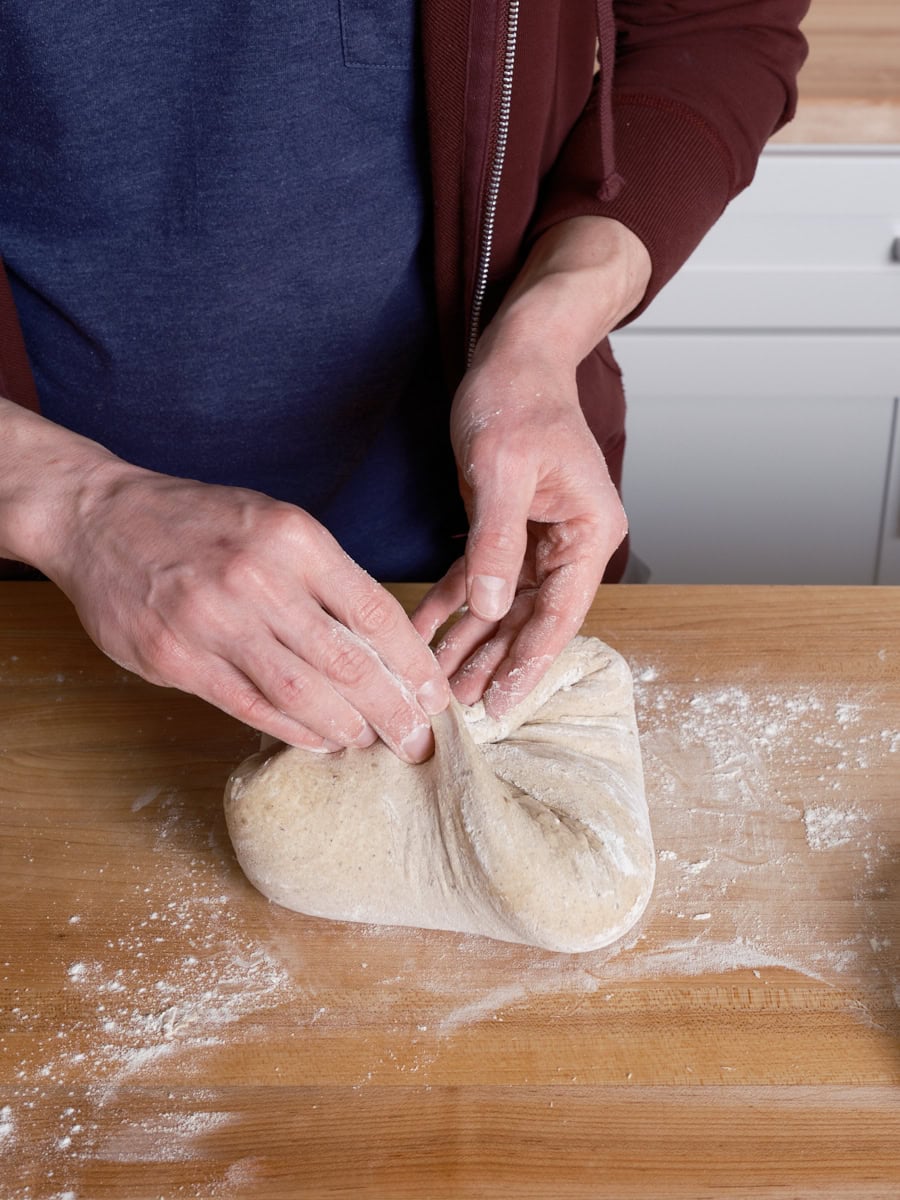
- Shape (4:00 p.m.): White sesame seeds are spread on a clean surface. The rested dough rounds are flipped onto the seeds, then shaped using a "gather up" method. This involves folding opposing edges into the center, creating tension, and then drawing the dough towards the baker to form a smooth, taut surface. The shaped dough is then placed seam-side up into a proofing basket.
- Proof (4:15 p.m. to 9:00 a.m. the next day): The proofing baskets are covered and sealed, then placed in the refrigerator for an overnight cold proof. This slow, cold fermentation further develops flavor and contributes to the bread’s structure.
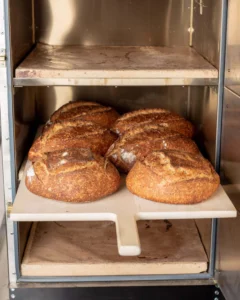
- Bake (9:00 a.m.): The oven is preheated to 450°F (230°C) with a Dutch oven or baking stone/steel in place. One proofing basket is removed from the refrigerator. The dough is carefully inverted onto parchment paper, scored, and then transferred into the hot Dutch oven or onto the baking surface. Steam is introduced for the initial 20 minutes of baking, after which the steam is vented, and the bread continues to bake for another 30 minutes, or until deeply colored and an internal temperature of approximately 204°F (95°C) is reached. The process is repeated for the second loaf. The baked loaves are then cooled on a wire rack for 1-2 hours before slicing.
Ingredients and Substitutions: Flexibility in Baking
The recipe provides guidance for potential substitutions to accommodate ingredient availability and personal preference.
- Aniseed Alternative: For those who prefer not to use aniseed or cannot find it, caraway seeds offer a similar spicy profile and are a suitable substitute.
- Barley Malt Syrup Alternatives: Blackstrap molasses can be used for a more pronounced bitter and sweet flavor. Honey provides a lighter, more floral sweetness that also complements anise well.
- Flour Substitution: If high-extraction flour is unavailable, a blend of 90% bread flour and 10% whole wheat flour can be used as a substitute.
Broader Implications and Culinary Trends
The popularity of sourdough baking continues to surge, driven by a renewed interest in artisanal techniques, whole-grain nutrition, and the inherent satisfaction of creating one’s own food. The inclusion of less common grains like buckwheat and the incorporation of techniques like flour scalding reflect a growing sophistication among home bakers, who are increasingly eager to experiment with diverse flavors and textures. This Scalded Buckwheat and Malt Sourdough Bread exemplifies these trends, offering a complex flavor profile, a unique texture, and a satisfyingly hearty experience that aligns with a desire for wholesome, flavorful sustenance, particularly during the colder months. The continued exploration of such recipes highlights a broader culinary movement towards embracing heritage grains and time-honored baking methods.