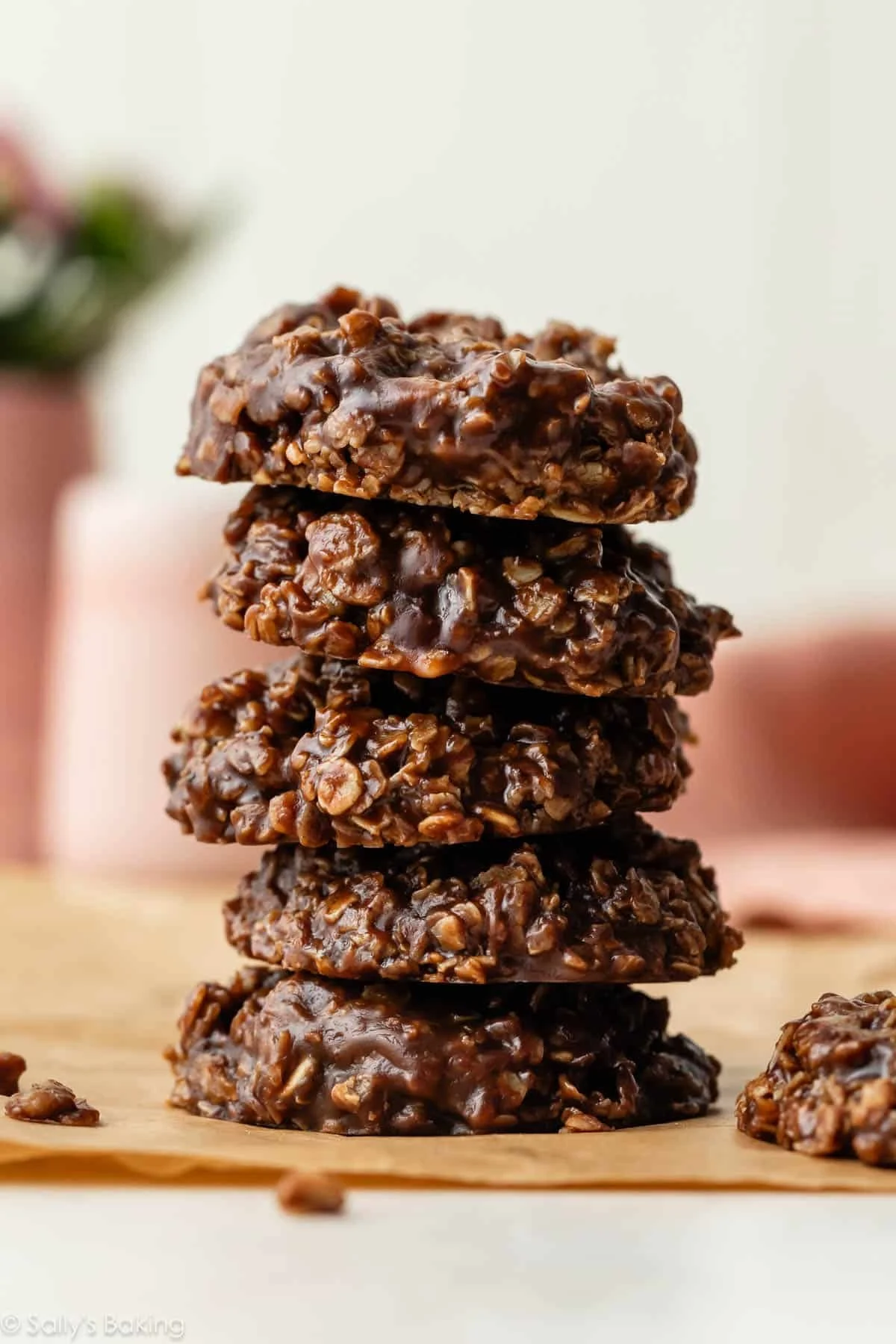

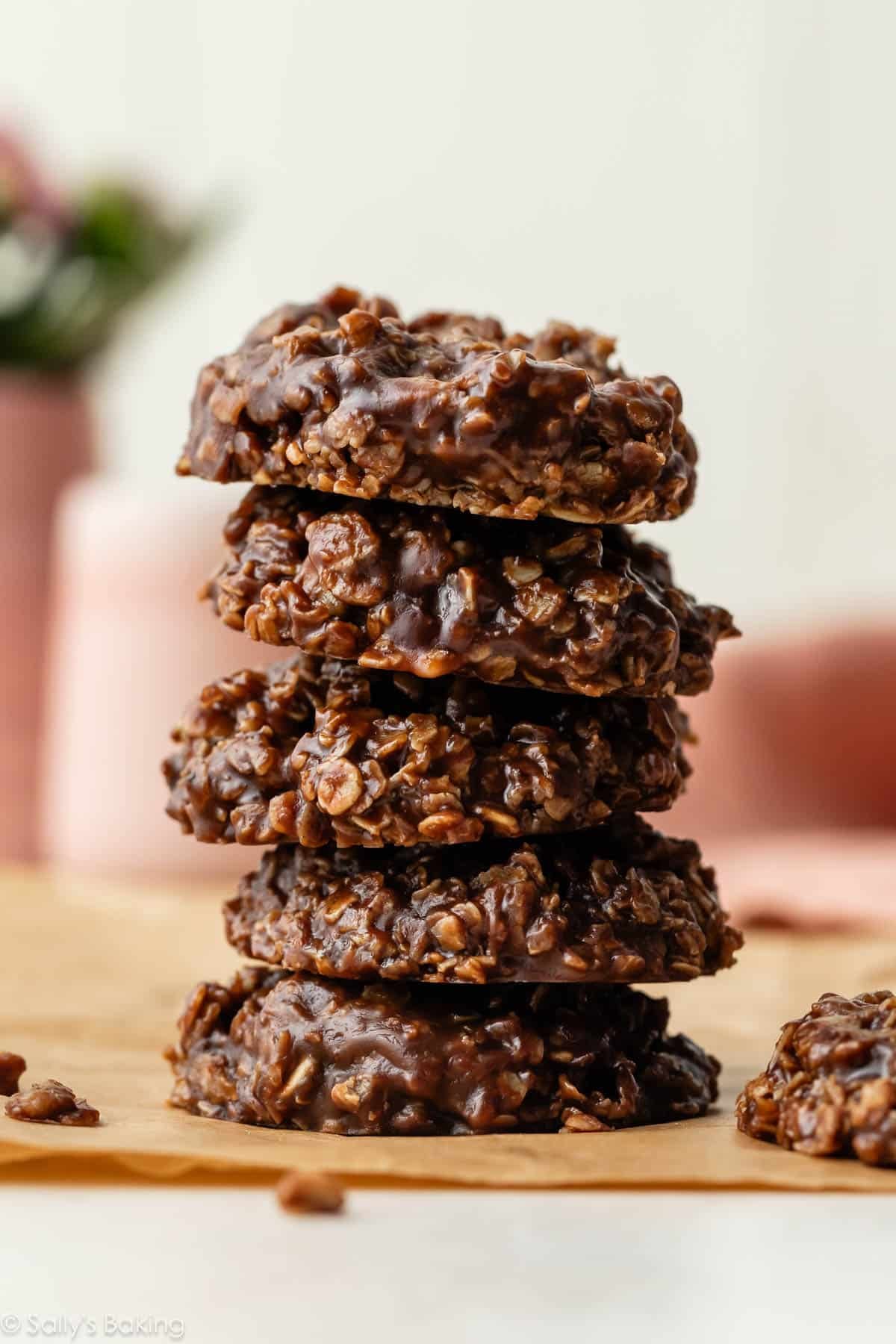
The culinary landscape is replete with iconic desserts, but few marry simplicity with widespread appeal quite like the chocolate peanut butter no-bake cookie. This classic confection, requiring only eight staple ingredients, offers a swift path to indulgence, ready to enjoy after a mere 30 to 60 minutes of refrigeration. It stands as a testament to the enduring charm of straightforward recipes, providing a rich, fudgy, and chewy treat packed with the beloved combination of chocolate and peanut butter, all without the need to activate a conventional oven.
The Enduring Appeal of Effortless Indulgence
First appearing in recipes decades ago, the no-bake cookie has solidified its position as a family favorite, cherished for its ease of preparation and the irresistible harmony of its core flavors. Its reputation as a go-to dessert for quick satisfaction or hot weather cooking is well-earned. The recipe, often passed down through generations, has seen minor refinements over time, such as subtle adjustments to ingredient ratios – for instance, a slight increase in butter content to enhance richness and texture, as reflected in contemporary versions. The fundamental process, however, remains consistent: a stovetop amalgamation of ingredients that firms up in the cool embrace of a refrigerator, bypassing the traditional baking process entirely.
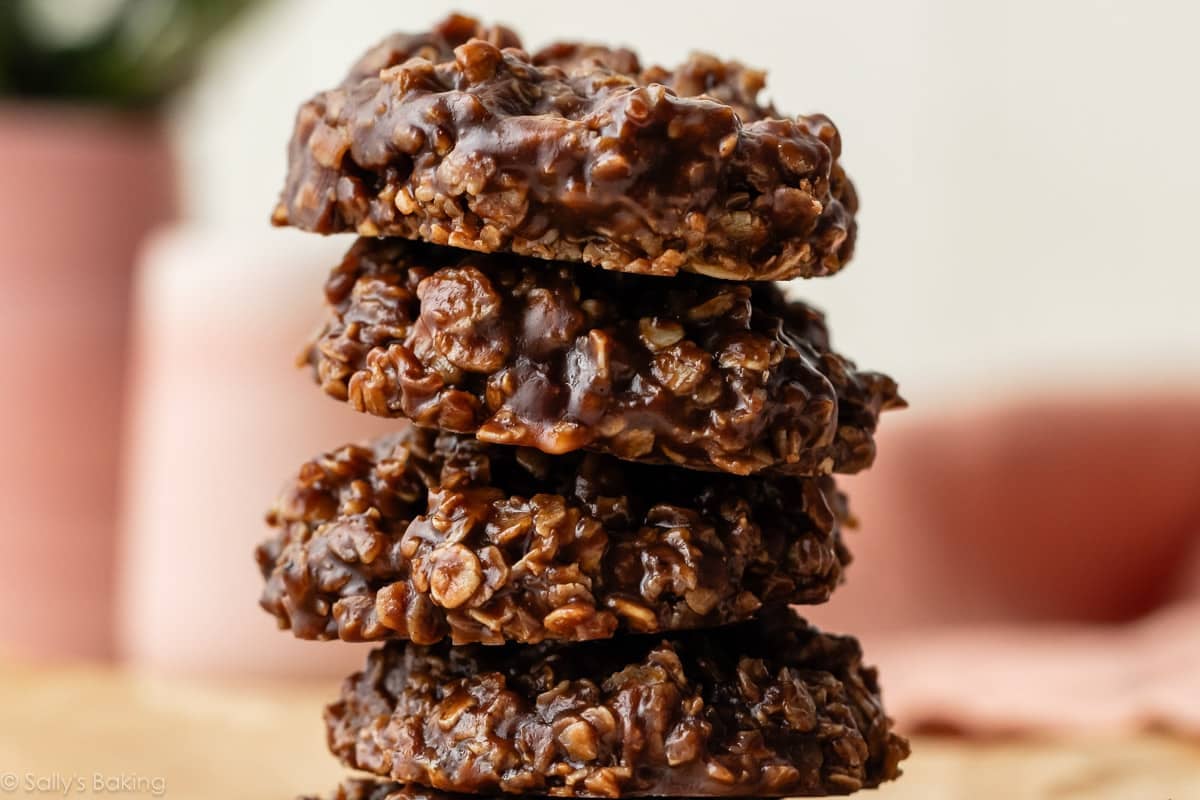
This particular rendition, a staple in many households, epitomizes the ideal balance of flavor and texture. It delivers a soft, chewy bite, imbued with deep chocolate notes and the creamy, savory counterpoint of peanut butter. Its appeal transcends age, drawing parallels to other universally adored comfort foods like classic chocolate chip cookies, festive sugar cookies, or chewy rice krispie treats. The inherent simplicity of its creation means that even novice cooks or young culinary enthusiasts can participate, fostering a sense of accomplishment and shared enjoyment.
A Culinary Journey: The Origins and Evolution of No-Bake Desserts
The concept of "no-bake" desserts gained significant traction in American kitchens particularly from the mid-20th century onwards. Post-World War II economic shifts and the rise of convenience foods saw homemakers seeking quicker, less labor-intensive ways to prepare meals and treats. Recipes that minimized oven use were particularly attractive during warmer months, when heating up the kitchen was undesirable. The chocolate peanut butter no-bake cookie, often featuring oats, sugar, cocoa, and peanut butter, emerged as a perfect candidate for this trend.
Its origins can be traced to various community cookbooks and ingredient manufacturers’ promotions in the 1940s and 1950s. The recipe capitalized on readily available pantry staples and offered a foolproof method for creating a satisfying dessert. The inclusion of oats provided an economical filler and a distinct chewy texture, while the potent combination of chocolate and peanut butter ensured widespread appeal. Over the decades, its popularity has never waned, adapting slightly to modern ingredient availability and culinary preferences, but always retaining its core identity as a straightforward, delicious treat. Its enduring presence underscores a broader societal appreciation for accessible, comforting food that doesn’t demand extensive time or specialized equipment.
Deconstructing the Delight: The Science Behind the Set
The magic of no-bake cookies lies in a precise interaction of heat, sugar, and fats that leads to their characteristic fudgy consistency without traditional baking. The process begins on the stovetop, where butter, sugar, milk, and cocoa powder are combined and heated. This initial phase is critical, as it involves dissolving the sugar and reaching a specific temperature.
The Critical Role of Temperature and Timing: The mixture must come to a rolling boil in the center of the pot. Once this occurs, stirring ceases, and a precise one-minute boiling period is initiated. This timing is paramount. During this minute, the sugar syrup reaches a critical temperature, ideally around 225°F (107°C). At this temperature, the sugar molecules fully dissolve and begin to caramelize slightly, forming a supersaturated solution. When this solution cools, the sugar crystallizes, providing the structural integrity that allows the cookies to set. If the mixture does not boil long enough, the sugar may not fully dissolve or reach the necessary temperature, resulting in cookies that fail to firm up adequately and remain too soft. Conversely, over-boiling can lead to excessive moisture evaporation and over-crystallization, yielding a dry, crumbly cookie. An instant-read thermometer can be an invaluable tool to ensure the mixture reaches the precise 225°F (107°C) target, optimizing the setting process.
Following the precise boiling period, the mixture is immediately removed from the heat. This prevents further cooking and allows for the incorporation of temperature-sensitive ingredients like peanut butter and vanilla extract, which contribute significantly to the flavor and texture. The subsequent addition of oats and salt completes the mixture, with the oats absorbing the liquid, contributing to the cookie’s bulk and chewy texture. A brief cooling period of approximately 5 minutes before scooping allows the oats to fully hydrate and the mixture to cool slightly, making it easier to handle and ensuring a consistent texture. For recipes utilizing thinner, natural-style peanut butter, a slightly longer cooling period of around 10 minutes may be beneficial to account for its higher oil content.
Core Components: An Examination of Key Ingredients
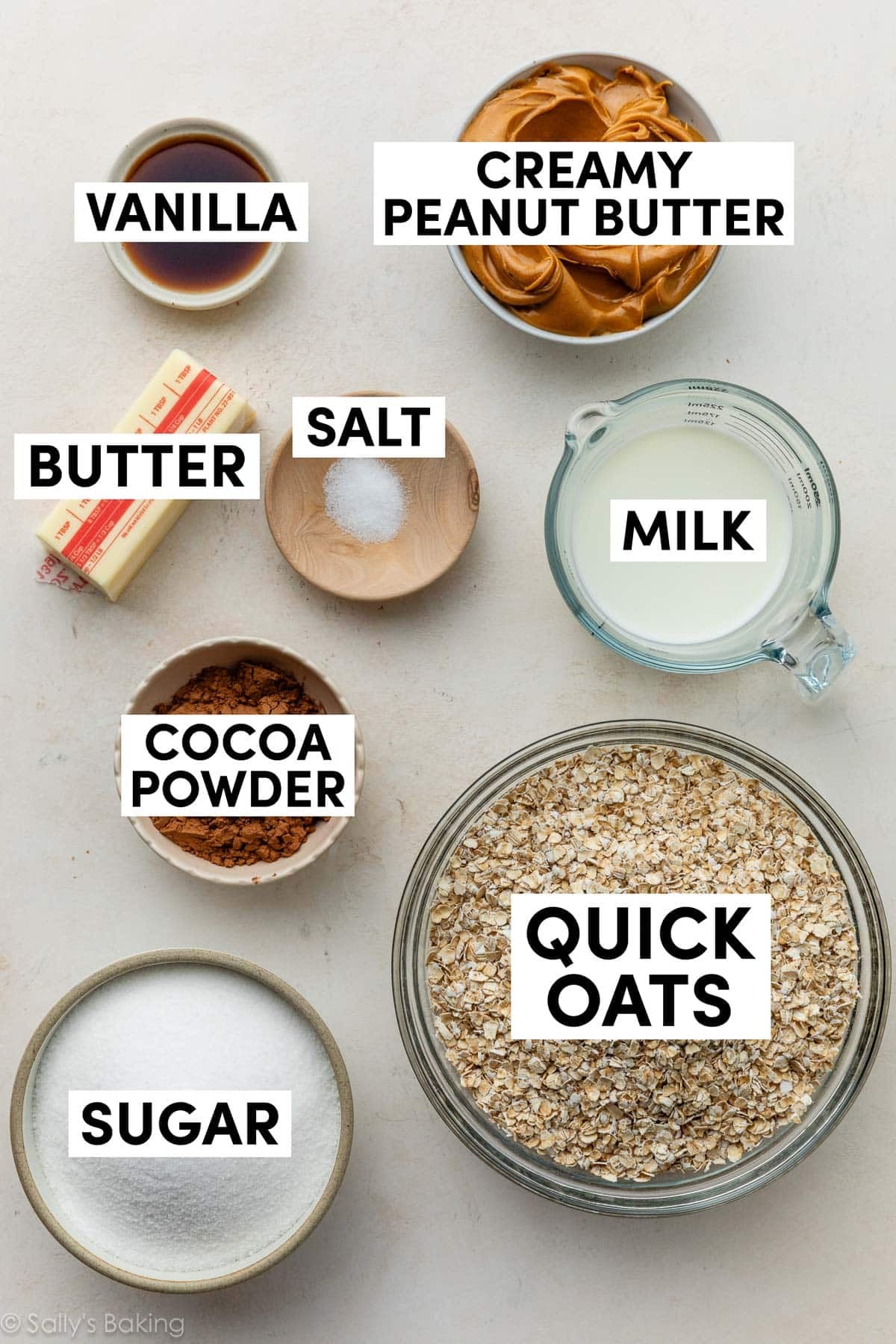
The simplicity of the no-bake cookie recipe is a testament to the power of a few well-chosen ingredients, each playing a vital role in the final product’s taste and texture.
- The Sweet Foundation: Sugar and Milk: Granulated sugar provides the primary sweetness and, critically, the structural component that allows the cookies to set through crystallization upon cooling. Whole milk (or an appropriate dairy-free alternative) acts as the liquid base, dissolving the sugar and contributing to the creamy consistency.
- Richness and Flavor: Butter and Cocoa: Unsalted butter adds richness, moisture, and a smooth mouthfeel. Its fat content also aids in the overall texture. Unsweetened cocoa powder is essential for the characteristic chocolate flavor and color. Its fine texture integrates smoothly into the hot mixture, distributing flavor evenly.
- Texture and Protein: Peanut Butter and Oats: Creamy peanut butter is a cornerstone of this recipe, providing its distinctive nutty flavor, healthy fats, and protein. It also contributes significantly to the cookie’s chewiness and fudgy texture. Old-fashioned rolled oats are preferred for their hearty texture and ability to absorb liquid, giving the cookies their signature bulk and chew. Quick-cooking oats can be used in a pinch but may result in a slightly different texture due to their smaller size.
- Enhancers: Vanilla and Salt: Pure vanilla extract elevates the overall flavor profile, adding warmth and depth that complements both the chocolate and peanut butter. A pinch of salt is crucial for balancing the sweetness, enhancing the other flavors, and preventing the cookies from tasting overly cloying.
The concise ingredient list not only makes these cookies economical but also highlights the efficiency of utilizing common pantry items to create a delicious and satisfying dessert.
Crafting the Confection: A Step-by-Step Overview
The methodology for these no-bake cookies emphasizes precision and timing, ensuring consistent, delectable results.
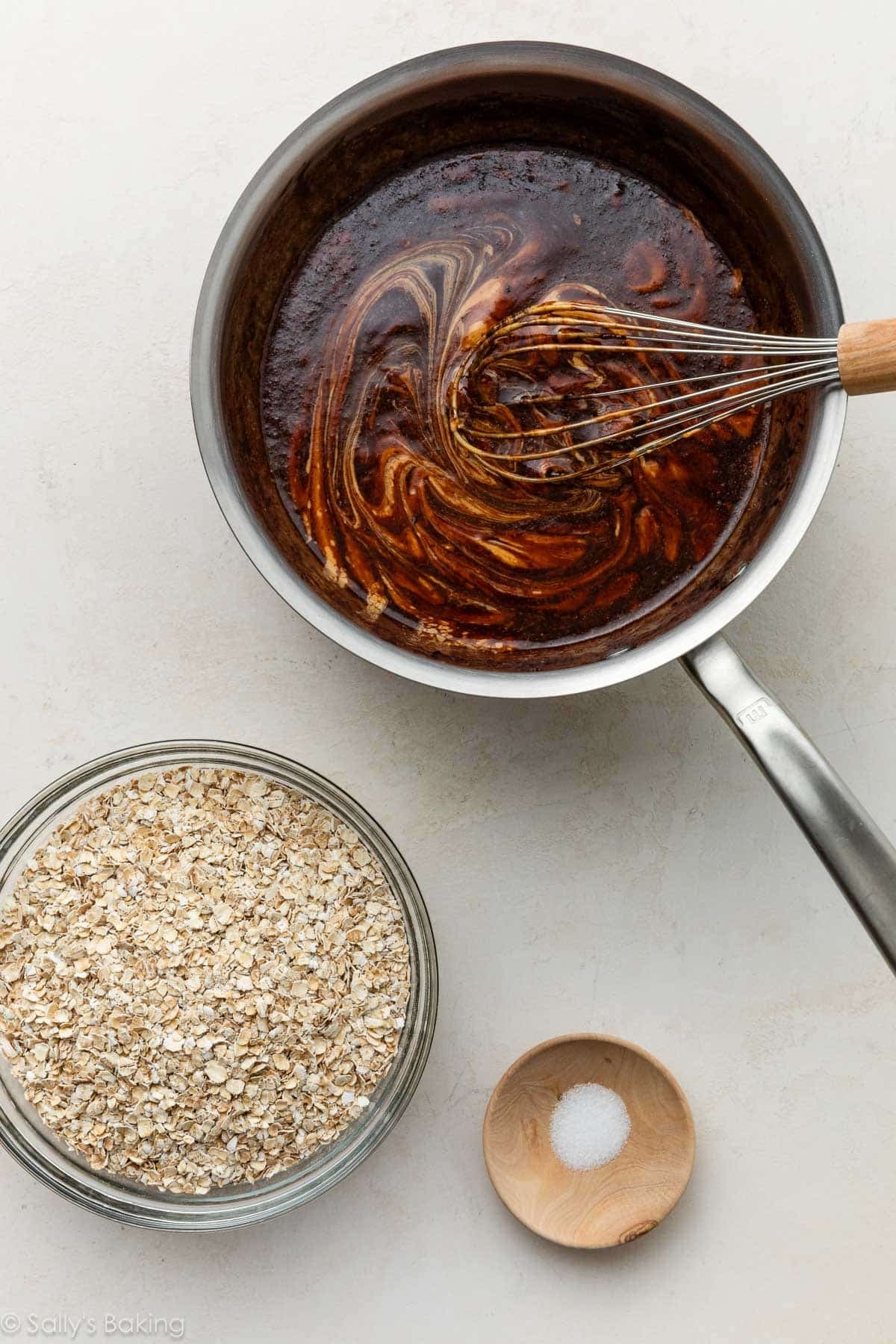
Initial Melt and Boil: The process begins by combining butter, granulated sugar, milk, and unsweetened cocoa powder in a medium-sized pot, typically around 3-quart capacity. This mixture is heated over medium heat, with continuous whisking, until the butter is fully melted and all ingredients are well combined. The mixture is then brought to a rolling boil, characterized by vigorous bubbling across the entire surface. Crucially, once this boil is achieved, stirring must cease, and a timer should be set for precisely one minute. This specific boiling duration is vital for the sugar solution to reach the optimal temperature of approximately 225°F (107°C), which is necessary for proper setting.
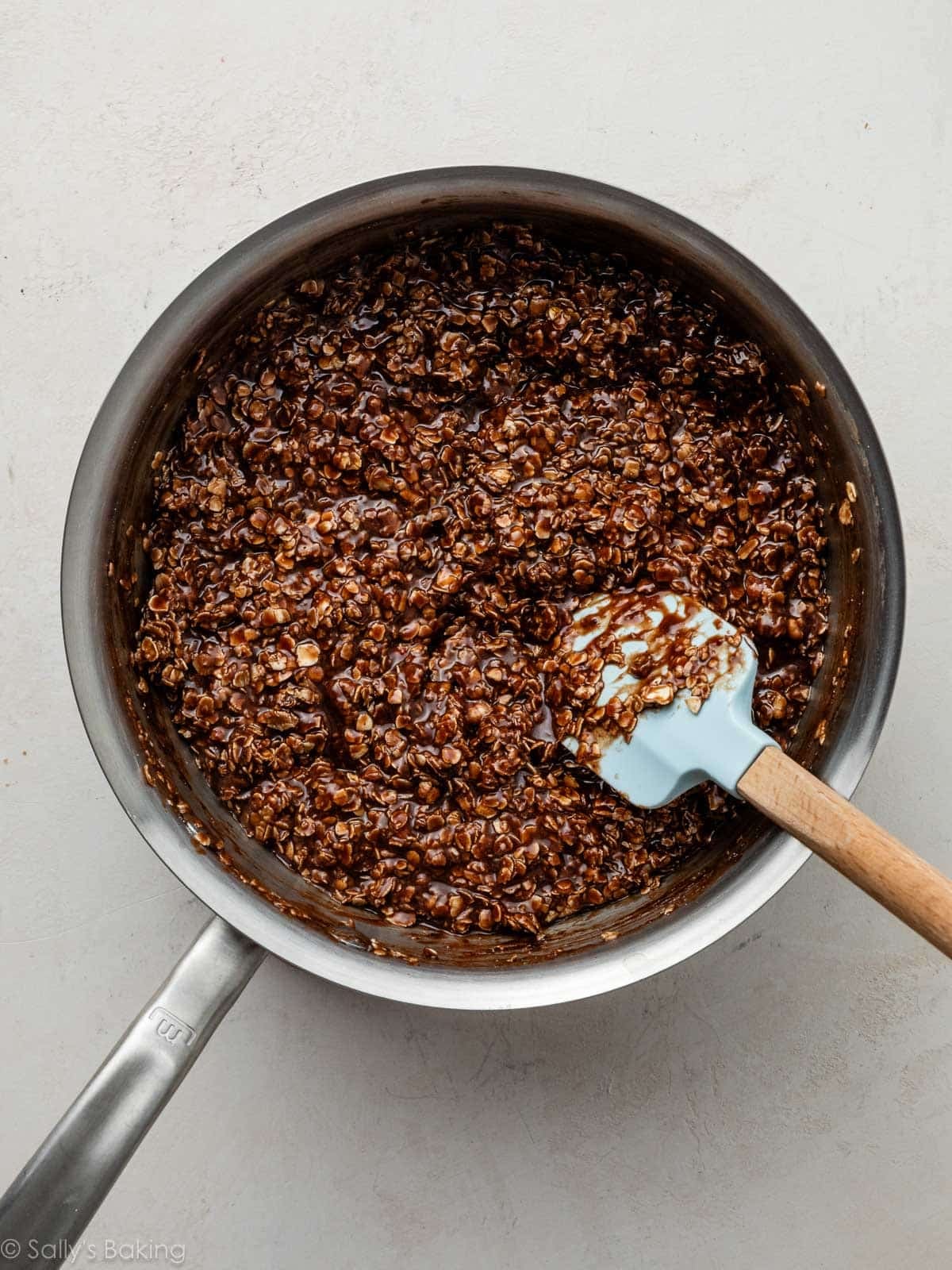
Incorporating Key Flavors and Structure: Immediately after the one-minute boil, the pot is removed from the heat source. This is a critical transition to prevent overcooking. At this stage, creamy peanut butter and pure vanilla extract are stirred in vigorously until thoroughly combined. The residual heat from the mixture helps to melt the peanut butter and integrate it seamlessly. Following this, the old-fashioned rolled oats and a pinch of salt are added, and the mixture is stirred until the oats are evenly coated and hydrated.
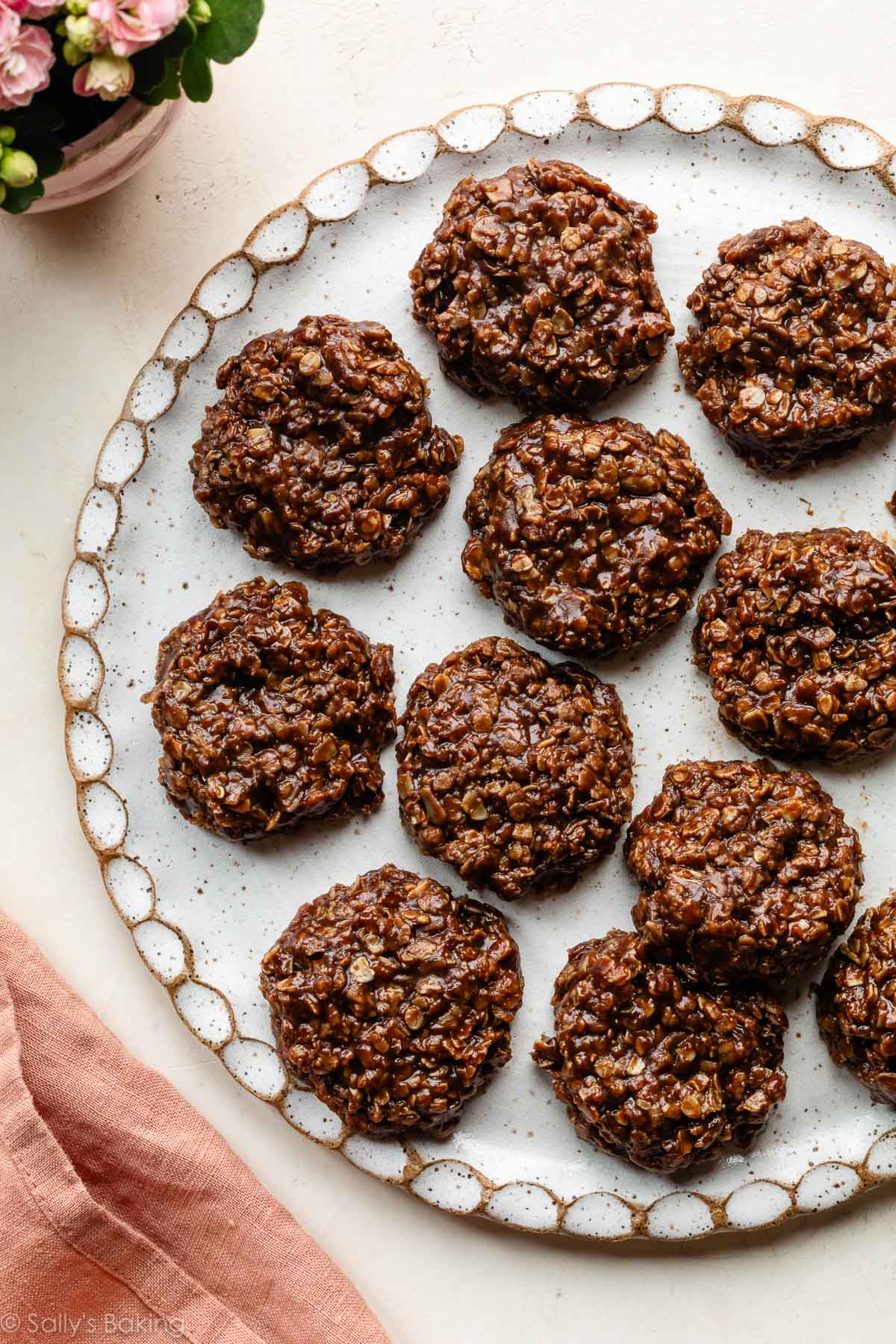
Cooling and Shaping for Optimal Results: Once all ingredients are incorporated, the mixture requires a brief cooling period before shaping. A five-minute rest is generally sufficient, allowing the oats to fully absorb the liquid and the mixture to thicken slightly, making it easier to scoop and form. For recipes using natural peanut butter, which can be thinner and oilier, extending this cooling time to about ten minutes can prevent spreading issues. Using a tablespoon, individual mounds of the cookie mixture are then dropped onto baking sheets lined with parchment paper, spaced approximately two inches apart. A spoon can be used to slightly flatten the tops if a more uniform appearance is desired. The final step involves refrigerating the cookies for 30 to 60 minutes. This cooling period allows the sugar solution to crystallize and the fats to solidify, transforming the mixture into the firm, fudgy no-bake cookies ready for enjoyment.
Beyond the Classic: Adaptations and Dietary Inclusivity
The inherent flexibility of the no-bake cookie recipe lends itself well to various adaptations, catering to diverse dietary needs and flavor preferences.
Catering to Diverse Palates: While the chocolate peanut butter combination is a classic, the recipe can be easily modified. For those who prefer a deeper chocolate intensity, a small amount of dark cocoa powder can be used. Conversely, if a milder chocolate flavor is desired, a slightly reduced amount of cocoa or a blend with regular cocoa can be employed. The vanilla extract can be substituted with other flavorings, such as almond extract for a marzipan-like note, or even a touch of peppermint extract for a festive twist. Adding mix-ins like shredded coconut, mini chocolate chips, or chopped nuts (if not avoiding allergens) after the oats are incorporated can introduce additional textures and flavors.
Gluten-Free Innovations: For individuals adhering to a gluten-free diet, these cookies can be made entirely gluten-free by simply ensuring the use of certified gluten-free oats. Oats themselves are naturally gluten-free, but cross-contamination can occur during processing, making certified varieties essential. This minor adjustment ensures that the cookies remain accessible to a broader audience without compromising on taste or texture. The success of such simple gluten-free adaptations highlights the versatility of ingredients and the potential for classic recipes to be inclusive. Other no-bake gluten-free options, such as chocolate fudge oat bars, further demonstrate the ease with which delicious, allergen-friendly desserts can be created.
Mastering the Art: Expert Tips for Consistent Success
Achieving consistently excellent no-bake cookies relies on understanding a few critical success factors, particularly concerning ingredient measurement and the cooking process.
Addressing Setting Issues: The most common challenge encountered with no-bake cookies is their failure to set properly, resulting in a soft, gooey, or overly sticky texture. This almost invariably points to an insufficient boiling time on the stovetop. The sugar must fully dissolve and reach the crucial temperature of 225°F (107°C) to facilitate proper crystallization upon cooling. If the mixture does not reach this temperature or boil for the full minute, the sugar will not form the necessary crystalline structure to solidify the cookies. Investing in an instant-read thermometer can eliminate guesswork and ensure the mixture reaches the correct temperature, guaranteeing a firm set.
Preventing Dry and Crumbly Textures: Conversely, cookies that turn out dry and crumbly are often the result of either over-measuring dry ingredients like oats or peanut butter, or overcooking the stovetop mixture. Over-boiling causes too much liquid to evaporate, concentrating the sugar and leading to excessive crystallization, which makes the cookies brittle. Precise measurement, ideally using a kitchen scale for accuracy, is paramount. Additionally, strict adherence to the one-minute boiling time, with careful monitoring, helps prevent the mixture from drying out prematurely.
Navigating Natural Peanut Butter: While conventional creamy peanut butter is generally recommended for its consistent texture and stability, natural peanut butter can be used with some adjustments. It is crucial to ensure natural peanut butter is very well stirred before use, as the oil separation can affect the final consistency. Because natural varieties are often thinner and have a higher oil content, cookies made with them may require a slightly longer refrigeration period to firm up completely. It is important to note that very thin, runny natural peanut butter might not yield the same firm texture as its conventional counterpart, potentially requiring a slightly reduced liquid content in the overall recipe to compensate.
The Modern-Day Relevance: Convenience in Contemporary Cuisine
In an era characterized by demanding schedules and a renewed appreciation for homemade food, no-bake cookies retain significant relevance. They offer a perfect solution for busy individuals and families seeking quick, satisfying treats without the time commitment or energy consumption associated with oven baking. This makes them particularly popular during summer months or holiday seasons when ovens are often in high demand for other dishes.
Furthermore, the interactive nature of preparing no-bake cookies makes them an excellent activity for children, introducing them to basic culinary skills in a safe and engaging manner. The simplicity of the steps – mixing, boiling, cooling, and scooping – allows for active participation, fostering a love for cooking from a young age. Their status as a "family-favorite" is not merely anecdotal; it reflects their practical utility in modern households and their ability to create shared experiences around food.
Conclusion: A Simple Classic’s Lasting Legacy
The chocolate peanut butter no-bake cookie transcends its humble origins to stand as a culinary icon. Its enduring appeal is rooted in a masterful combination of simplicity, speed, and an irresistible flavor profile that resonates across generations. From its emergence as a convenience food solution in the mid-20th century to its present-day role as a beloved, adaptable dessert, it exemplifies how a few basic ingredients, combined with a precise yet straightforward method, can yield extraordinary results. The scientific principles governing its setting, the careful balance of its core components, and its capacity for dietary customization all contribute to its continued prominence in home baking. As long as there is a desire for quick, comforting, and utterly delicious treats, the chocolate peanut butter no-bake cookie will undoubtedly remain a cherished fixture in kitchens worldwide, proving that sometimes, the most profound culinary pleasures require no oven at all.