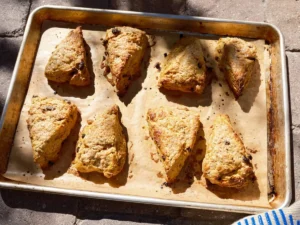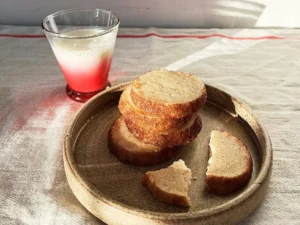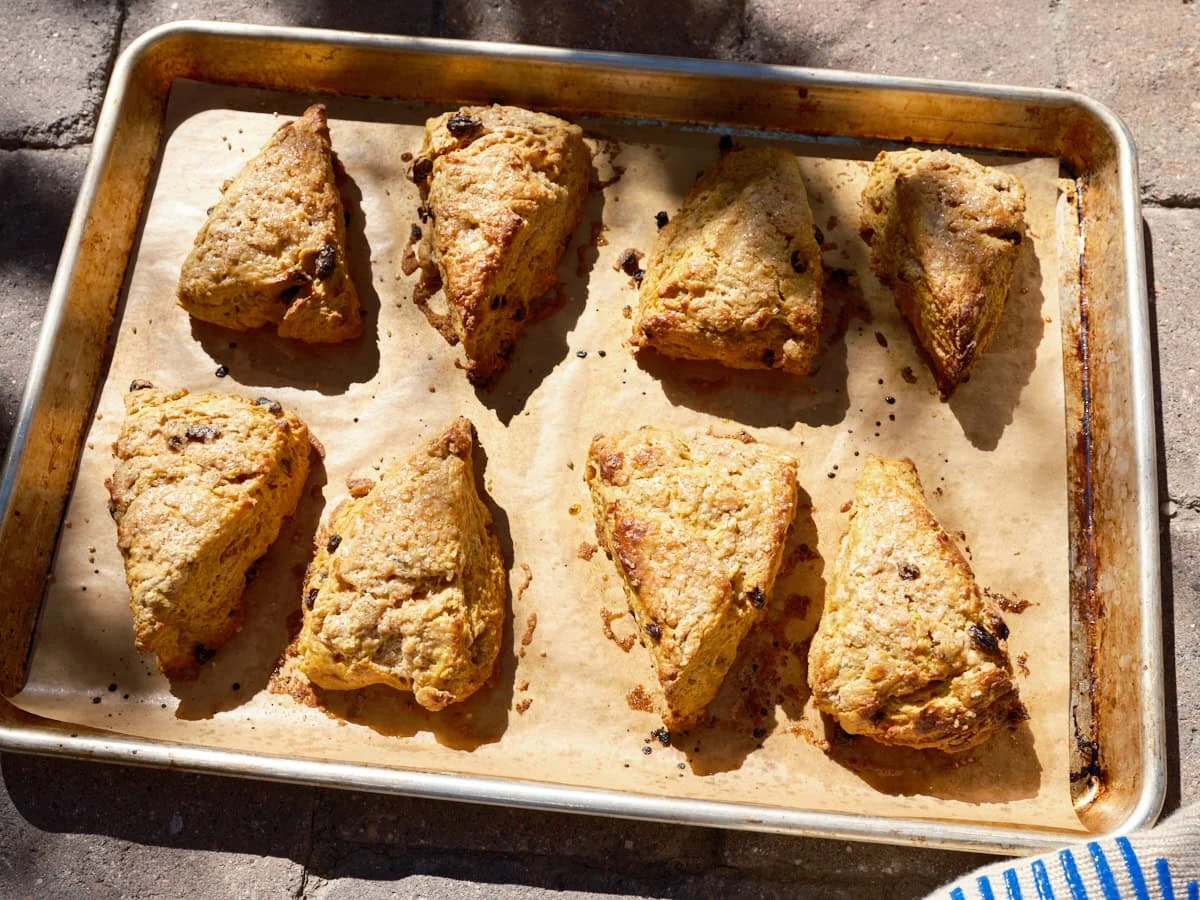

The world of baking is often a delicate dance between tradition and innovation, and the humble scone is no exception. While many associate scones with a dry, dense crumb, a new iteration is emerging that challenges these preconceived notions. This sourdough pumpkin scone, a creation born from experimentation and a deep understanding of baking science, offers a tantalizing alternative: a soft, yielding interior encased in a craggy, resilient crust. This unique texture profile has led to spirited discussions about its classification – is it a scone or a biscuit? The author, however, firmly places it in the scone category, primarily due to its inherent sweetness.
The development of these particular sourdough pumpkin scones was not merely an arbitrary culinary pursuit. It stemmed from a desire to achieve a superior rise, moving away from flatter, more spread-out scones towards a desirable tall and well-defined shape. This pursuit of height is particularly relevant for bakers residing at higher altitudes, a demographic that often faces unique challenges in achieving optimal baking results. The author draws a parallel to the adjustments required for high-altitude sourdough bread baking, suggesting that similar subtle modifications can elevate a scone from a mere baked good to a proud, upright specimen.
The Alchemy of Einkorn and Einkorn Alternatives
A cornerstone of this recipe is the use of einkorn flour. Einkorn, one of the oldest cultivated wheat varieties, is prized for its distinct nutty flavor and slightly earthy undertones. Its unique gluten structure, while offering a delightful rustic character, can also be more delicate, making it responsive to the careful techniques employed in this recipe. For bakers who may not have einkorn readily available, the author offers a practical solution: substituting it with any readily available whole wheat flour. Specific recommendations include heritage wheat varieties such as Red Fife, Butler’s Gold, or Marquis, each contributing its own nuanced flavor profile that is said to beautifully complement the sweet, spiced pumpkin. The earthiness of whole grains, in general, is highlighted as a key element in balancing the sweetness of the pumpkin, creating a more complex and satisfying flavor experience.
The Crucial Role of Buttermilk
The choice of liquid plays a pivotal role in the texture and flavor of baked goods, and in this scone recipe, buttermilk emerges as a star ingredient. While it possesses a lower fat content compared to heavy cream, its acidity is the key to unlocking a superior crumb. The low pH of buttermilk interacts with the sourdough starter, a symbiotic culture of wild yeast and bacteria, to relax and extend the gluten network. This is particularly beneficial when working with whole-grain flours like einkorn, whose inherent structure can be less forgiving.
The interaction between the acidic buttermilk and the gluten results in a tender, flaky scone. Furthermore, the inherent tang of buttermilk harmonizes beautifully with the fermented notes of the sourdough starter and the inherent sweetness of the pumpkin. This stands in contrast to recipes that rely solely on the high fat content of heavy cream, which coats flour particles to create distinct layers through the melting of cold fat during baking. The author emphasizes that both approaches are valid, yielding different, yet equally delicious, textural outcomes.
Achieving Height: The Convection Oven Advantage
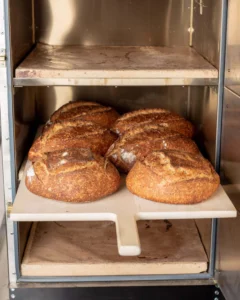
The quest for a taller scone is significantly aided by the use of a convection oven. The author identifies convection baking as a beneficial technique across a broad spectrum of baking endeavors, with the notable exception of bread baking that requires specific steaming techniques. In the context of these scones, the intense and even heat generated by convection ovens is crucial in the initial stages of baking. This rapid heat application helps to quickly set the outer edges of the dough, effectively preventing excessive spreading and promoting an upward rise.
For bakers whose ovens lack a convection setting, a practical workaround is suggested: increasing the baking temperature by approximately 25 degrees Fahrenheit for the initial minutes of the baking process. This adjustment aims to mimic the rapid crust formation achieved in a convection environment, thereby encouraging a taller, more upright scone.
A Deeper Dive into Sourdough Pumpkin Scones
The recipe for these sourdough pumpkin scones, as detailed in the accompanying culinary section, emphasizes the use of sourdough starter discard. This is a common practice in sourdough baking, utilizing the excess starter that is typically removed before feeding. The discard contributes a subtle tang and complexity to the finished product, further enhancing the depth of flavor.
Key Ingredients and Their Significance:
- Pumpkin Puree: The star flavor component, providing moisture and sweetness. The recipe notes that alternative purees, such as sweet potato or butternut squash, can be used, offering a similar nutritional profile and flavor compatibility.
- Sourdough Starter Discard: Adds a characteristic tang and aids in leavening.
- Buttermilk: Contributes acidity for tenderization and flavor.
- Whole Grain Flour (Einkorn or Whole Wheat): Provides a rustic texture and nutty flavor.
- Sweeteners: Typically sugar or a liquid sweetener like maple syrup, balancing the tartness of the starter and the earthiness of the flour.
- Spices: Common baking spices like cinnamon, nutmeg, and ginger are often incorporated to enhance the autumnal flavor profile of the pumpkin.
- Fat: Butter or oil is essential for richness and tenderness.
- Leavening Agents: While the sourdough starter provides significant leavening, a small amount of baking powder or baking soda might be included to ensure a good rise.
- Add-ins: Raisins are mentioned as a traditional inclusion, but alternatives like dried cranberries or fresh blueberries are also suggested, offering versatility.
The Baking Process:
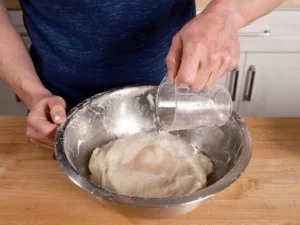
The instructions, though not fully detailed in the provided text, typically involve combining dry and wet ingredients separately before bringing them together. The dough is then often shaped into a disc and cut into wedges. The key to achieving the desired height lies in the baking temperature and method, as previously discussed, with emphasis on preheating the oven and utilizing convection if available.
Addressing Common Baking Queries: An FAQ
The development of a recipe often prompts questions from home bakers, and this sourdough pumpkin scone is no exception. The provided information includes a frequently asked questions section that addresses common substitutions and concerns:
- Pumpkin Puree Alternatives: Beyond sweet potato and butternut squash, applesauce or mashed banana are viable options, though their inherent sweetness may require slight adjustments.
- Flour Substitutions: As mentioned, whole wheat flour is a direct substitute for einkorn.
- Buttermilk Substitutions: A common kitchen hack involves creating a buttermilk substitute by adding acid (vinegar or lemon juice) to milk, or by using kefir.
- Raisin Alternatives: Dried cranberries are a popular alternative, and fresh or frozen berries can also add a delightful twist.
Broader Implications and Culinary Context
The trend towards incorporating sourdough into non-bread baked goods reflects a growing appreciation for the complex flavors and textural possibilities that wild yeast fermentation can impart. Sourdough starter, once relegated to the bread basket, is now finding its way into pancakes, waffles, cookies, and, as demonstrated here, scones. This culinary evolution not only reduces food waste by utilizing discard but also offers a more nuanced and flavorful alternative to traditional recipes.
The author’s dedication to refining the scone-making process, particularly in the context of high-altitude baking, underscores the scientific underpinnings of culinary arts. Understanding the impact of ingredients like buttermilk and the role of baking technology like convection ovens allows for the creation of consistently successful and delightful baked goods, regardless of environmental factors.
The inspiration for this recipe, credited to Michele, highlights the collaborative nature of recipe development. Over years of refinement, this sourdough pumpkin scone has likely evolved, benefiting from feedback and experimentation, a common thread in the pursuit of culinary perfection. The inclusion of this acknowledgment adds a human element to the technical discussion, reminding us that behind every great recipe is often a story of connection and shared passion.
The ongoing exploration of einkorn and other heritage grains in modern baking also points to a resurgence of interest in ancient agricultural practices and the unique qualities of these heirloom varieties. As consumers become more aware of the provenance and nutritional benefits of their food, ingredients like einkorn are likely to see a continued rise in popularity.
Ultimately, these sourdough pumpkin scones represent more than just a recipe; they embody a philosophy of mindful baking. They encourage bakers to experiment, to understand the science behind their craft, and to embrace the subtle yet significant differences that ingredients and techniques can make. The result is a baked good that is not only delicious but also a testament to the creativity and ingenuity of the modern baker. The author’s journey from a desire for a taller scone to a fully realized recipe that is both texturally satisfying and flavorfully complex serves as an inspiration for home bakers looking to elevate their own culinary endeavors.