The annual transition into the academic year presents a significant logistical challenge for millions of households: the daily management of school lunches. As parents navigate the shift from summer routines to structured school schedules, the demand for efficient, nutritious, and time-saving meal solutions has reached an annual peak. Recent trends in home economics and child nutrition suggest that the "no-cook" lunch model—centered on modular, reusable containers—is becoming the preferred strategy for families seeking to balance dietary requirements with the constraints of busy morning schedules.
The Evolution of School Meal Prep
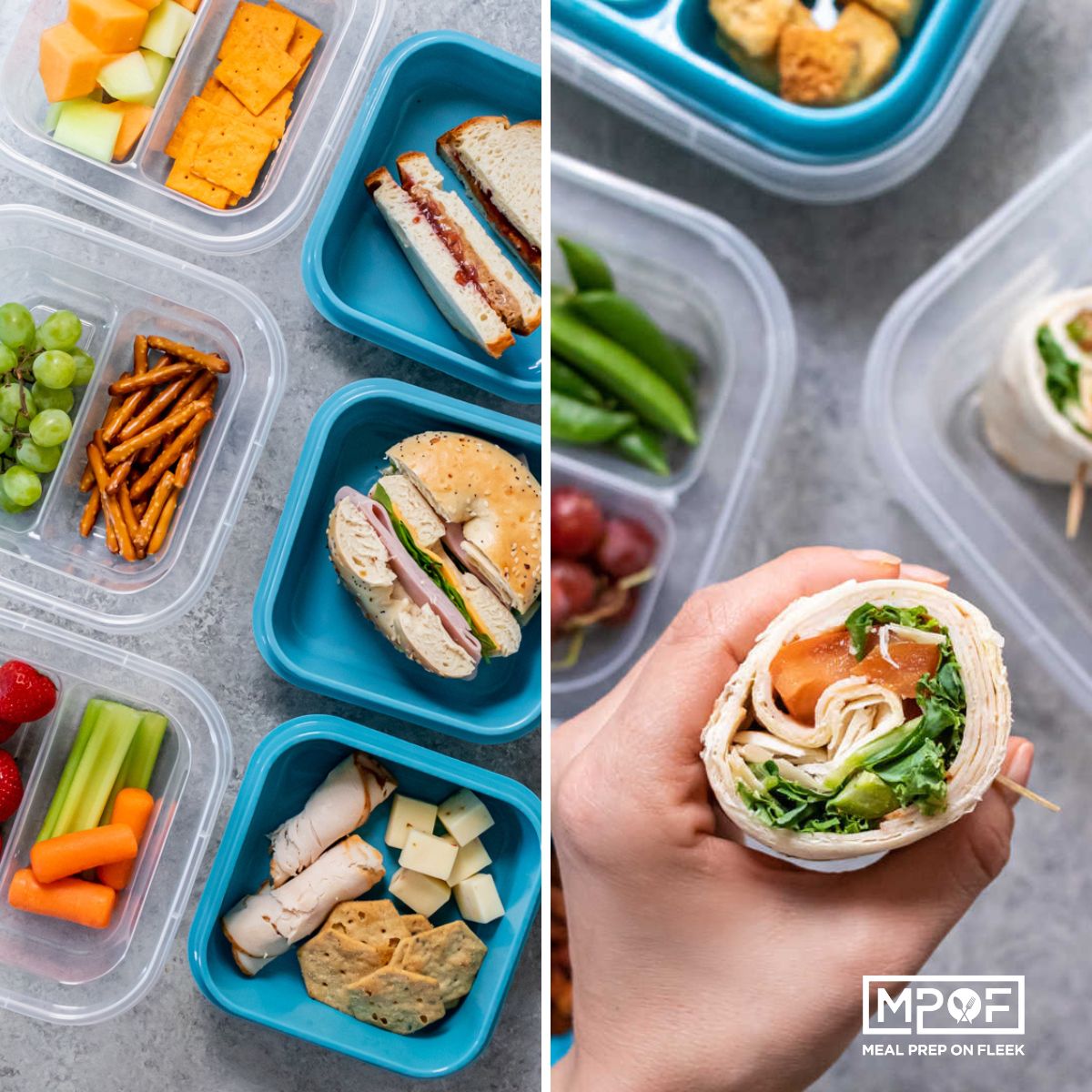
Historically, school lunches were either provided by institutional cafeteria services or consisted of traditional, pre-packaged brown-bag meals. However, shifts in consumer behavior over the last decade indicate a move toward "bento-style" or modular meal prep. This shift is driven by a heightened focus on food safety, cost-effectiveness, and the need for personalized nutrition.
According to data from the National Center for Education Statistics, school-aged children spend approximately 180 days per year in a classroom setting. The nutritional intake during these hours is critical to cognitive development and sustained energy levels. Health experts note that providing children with agency over their food choices—specifically by allowing them to select fruits, vegetables, and proteins—significantly increases the likelihood of consumption, thereby reducing food waste.
The Role of Modular Storage Technology
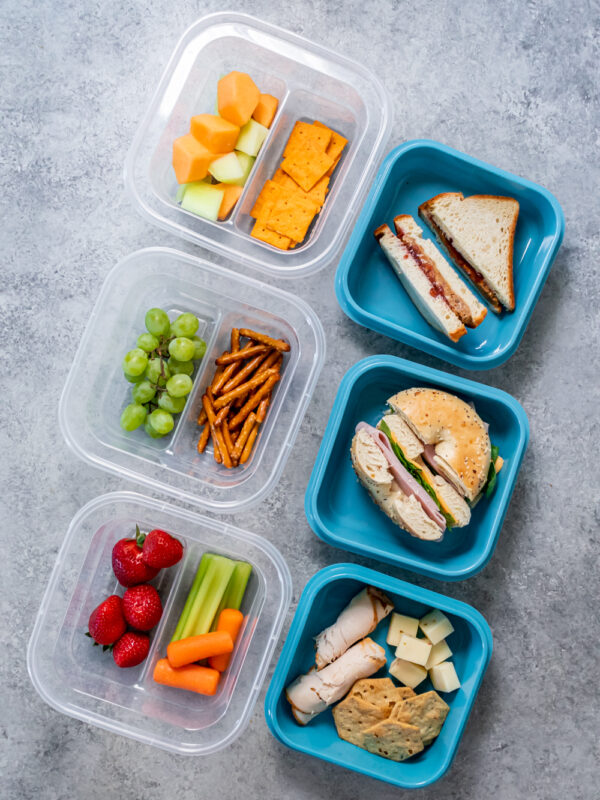
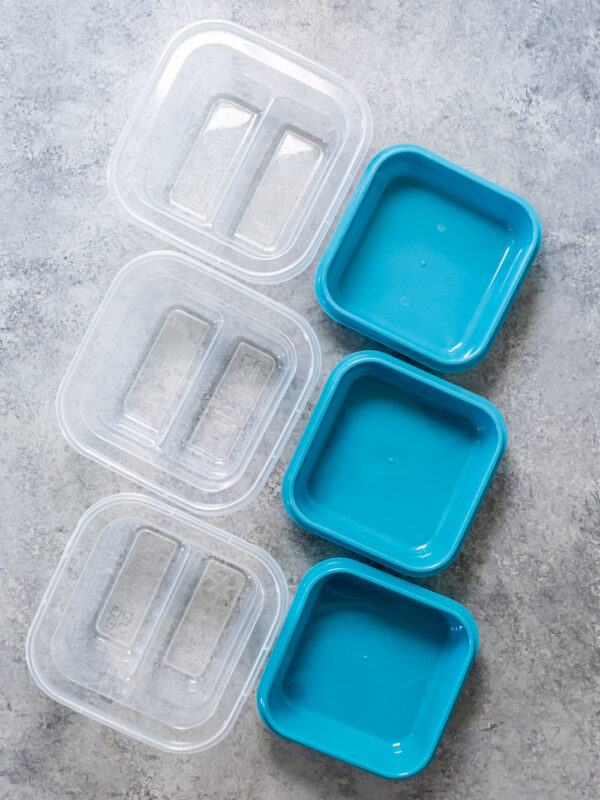
Central to the current trend in efficient meal preparation is the use of compartmentalized storage solutions, such as the GoodCook Lunch Cubes. Unlike traditional plastic bags or single-vessel containers, these systems allow for the segregation of food groups, which preserves the texture and temperature of individual components.
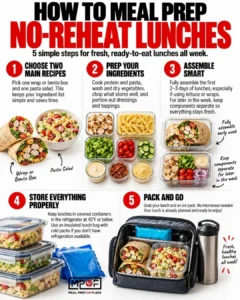
For working parents, the efficiency of these containers is measurable in time saved. Industry analysts observe that the "grab-and-pack" method—utilizing pre-washed produce and single-serve protein portions—can reduce morning prep time by approximately 60 percent. By adopting a system where components are prepared in bulk at the beginning of the week, families can bypass the daily stress of sandwich assembly.
Practical Applications: Three No-Cook Models
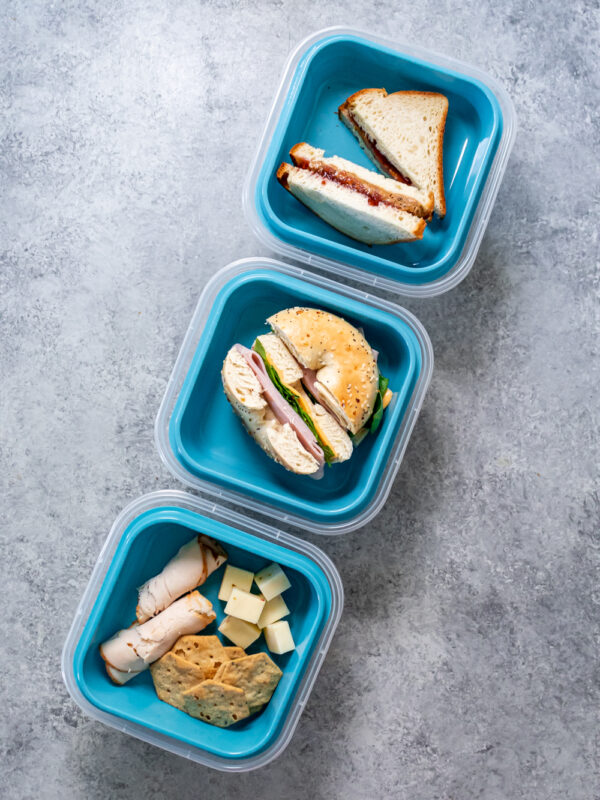
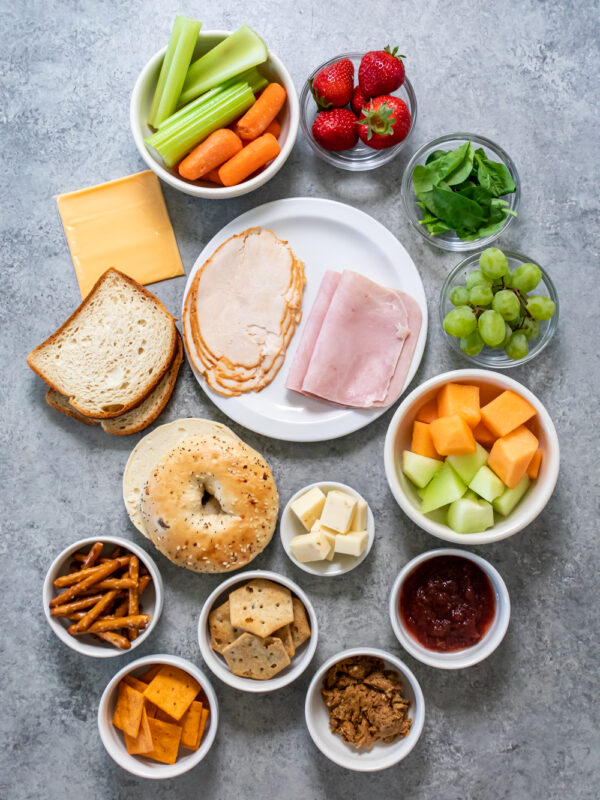
The current standard for a balanced no-cook lunch consists of three distinct pillars: a primary protein source, a fiber-rich carbohydrate or crunch element, and fresh, seasonal produce.
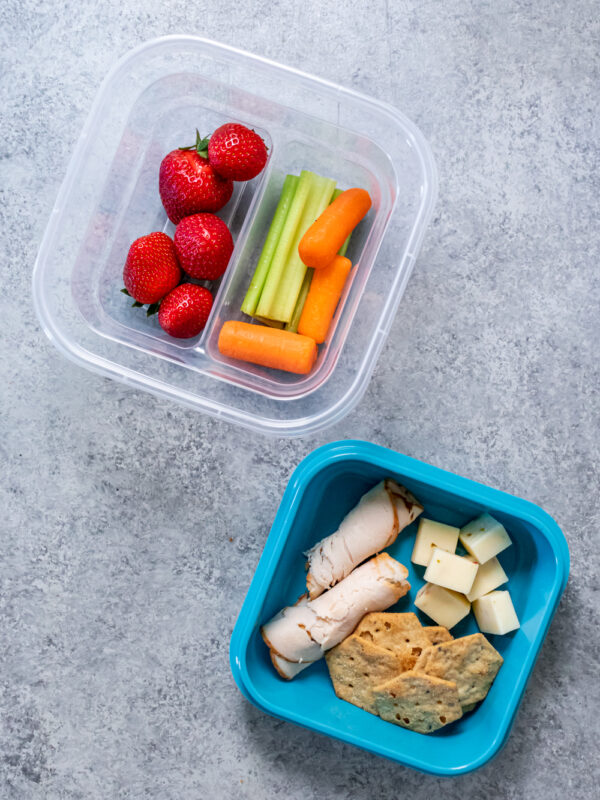
The Snack-Box Strategy (Cube 1)
This model mimics the popular "charcuterie-style" lunch, which has seen a surge in popularity due to its versatility. By combining deli meats, cubes of cheese, whole-grain crackers, and bite-sized vegetables, parents provide a high-protein, low-prep meal. This approach is highly effective for younger children who may find a traditional sandwich intimidating or difficult to consume during short lunch periods.
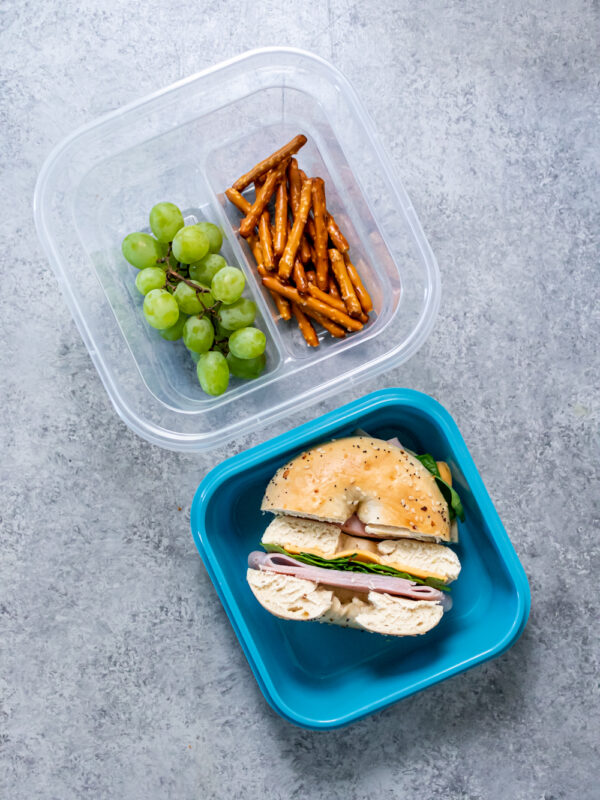
The Traditional Sandwich Upgrade (Cube 2)
The classic sandwich remains a staple of the American school lunch. Modern iterations suggest moving beyond white bread and processed meats. By utilizing whole-grain bagels, pita pockets, or wraps as the base, and incorporating plant-based deli alternatives or lean poultry, parents can maintain the familiarity of a classic lunch while improving the nutritional profile. The addition of crunchy sides, such as pretzels or raw vegetables, provides the sensory satisfaction often missing from purely soft-textured meals.
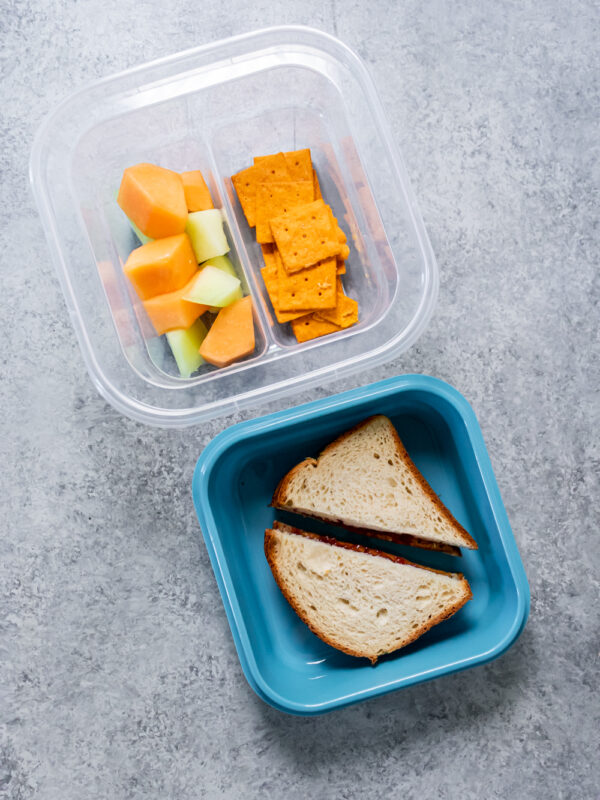
The Allergy-Conscious Classic (Cube 3)
The peanut butter and jelly (PBJ) sandwich remains an enduring favorite, but the rising prevalence of nut allergies has forced a shift in school lunch policies. Educational institutions across the country have implemented strict "nut-free" zones to ensure the safety of all students. Consequently, the use of sunflower seed butter, soy butter, or other seed-based spreads has become an industry standard for school-safe, protein-dense alternatives. When paired with seasonal fruit and raw vegetables, this option serves as a nutritionally complete and compliant meal.
The Psychological Impact of Kitchen Involvement
Child development specialists have long advocated for the involvement of children in food preparation. When students assist in the grocery shopping process—selecting their preferred fruits and vegetables—they develop a sense of ownership over their nutritional intake. This psychological shift is often referred to as "autonomy-supportive feeding," which can lead to improved dietary habits and a more positive relationship with food.
Furthermore, the "grab-and-pack" method—maintaining a dedicated, accessible space in the refrigerator and pantry for pre-portioned items—empowers children to participate in the assembly of their own meals. This not only eases the burden on caregivers but also serves as an educational opportunity to teach fundamental lessons regarding portion control and balanced nutrition.
Broader Implications for Education and Families
The impact of effective meal prep extends beyond the kitchen. For educators and administrative staff, the efficiency of the lunch period is a matter of classroom management. Students who are well-nourished are statistically more likely to maintain focus during afternoon instruction. Conversely, the "lunch scramble" can disrupt the transition from the break room to the classroom.
For educators themselves, the struggle to manage personal nutrition amidst demanding schedules is a well-documented issue. Programs such as specialized meal planning services for teachers have emerged to address this, recognizing that the ability to consume a filling, healthy meal between lessons is vital to preventing burnout. These professional meal plans prioritize portability and the ability to consume food in non-traditional settings, such as classrooms or offices, without the need for reheating facilities.
Economic and Environmental Considerations
Beyond convenience, the trend toward reusable, modular lunch containers has positive implications for environmental sustainability. The reliance on single-use plastics—such as plastic sandwich bags, juice boxes, and snack wrappers—contributes significantly to the volume of waste generated by schools daily. By utilizing durable, dishwasher-safe containers, families can drastically reduce their household waste production.
Economically, the "bulk-to-portion" approach is a more cost-effective strategy than purchasing individually packaged convenience items. While the initial investment in high-quality, BPA-free containers may be higher than single-use alternatives, the long-term savings from purchasing items in bulk and eliminating single-use packaging are significant.
Conclusion: The Future of School Lunch
As the educational landscape continues to evolve, the approach to school lunches must likewise adapt. The transition toward no-cook, highly customizable, and nutritionally balanced meal prep is not merely a passing trend but a response to the realities of modern family life. By leveraging organizational tools, prioritizing child involvement, and focusing on simple, whole-food ingredients, parents can ensure that students are well-equipped to meet the academic and social demands of the school day.
The strategy of "prepping for success" remains the most viable path forward for families seeking to reduce the morning chaos. Whether through the use of modular containers or the establishment of "grab-and-pack" systems, the goal remains the same: to provide children with the fuel necessary for success while simplifying the daily operations of the modern household. As new school years approach, the shift toward these sustainable and efficient habits serves as a cornerstone of organized family management.