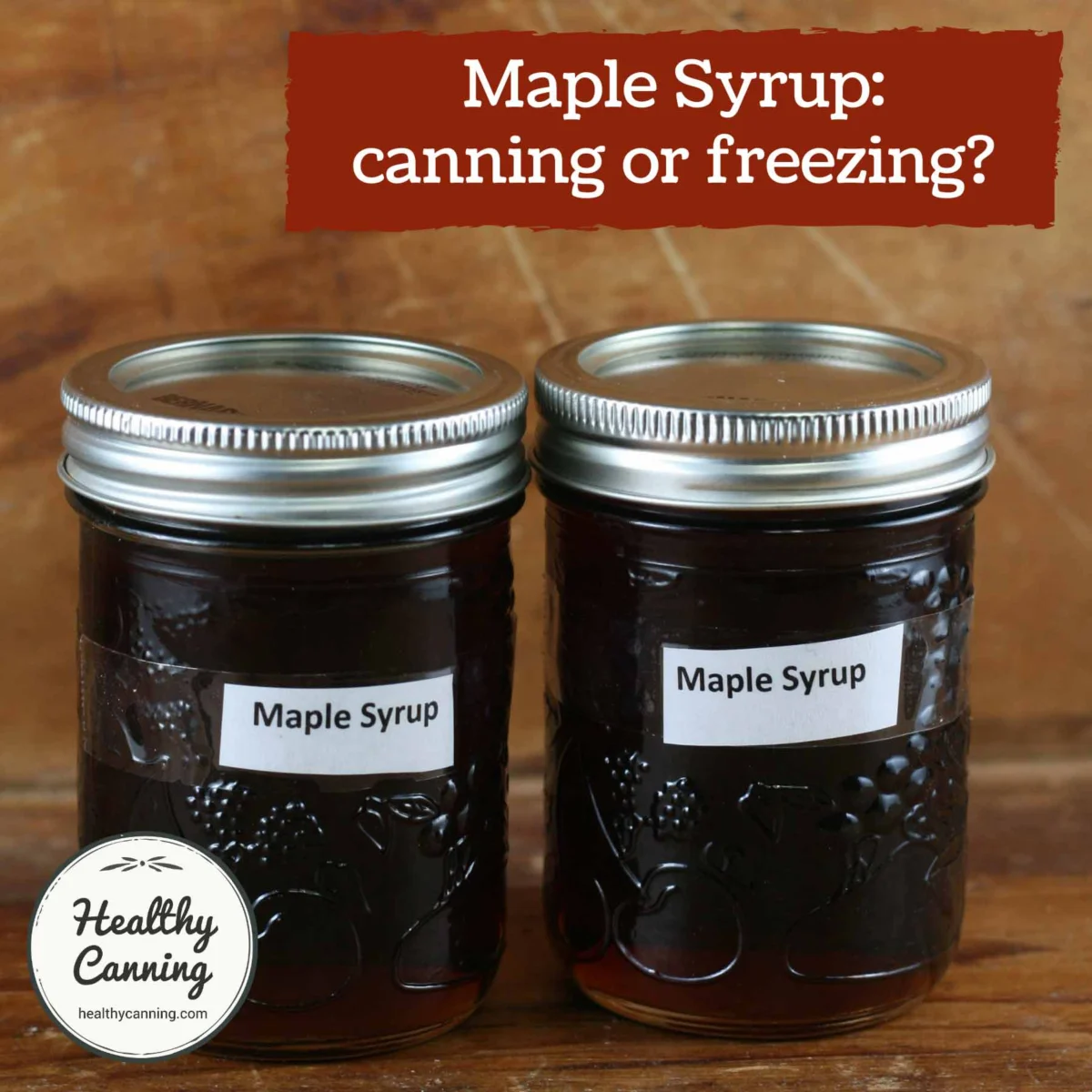

Maple syrup, a staple of North American culinary heritage, is frequently purchased in bulk by consumers seeking both value and the high-quality flavor profile of pure Acer saccharum sap. However, the high sugar content and unique chemical composition of this natural sweetener present specific challenges for long-term storage. Unlike highly processed syrups, pure maple syrup is a biological product that remains susceptible to spoilage, primarily through mold colonization and fermentation, if environmental conditions are not strictly managed. This report provides a detailed analysis of home preservation techniques, the science behind syrup stability, and the recommended protocols for maintaining product integrity over extended periods.
The Science of Maple Syrup Stability and Safety
The shelf stability of maple syrup is governed by two primary factors: sugar concentration and water activity. In North America, legal standards dictate that maple sap must be reduced until it reaches a density of between 66° and 68° Brix. The Brix scale measures the percentage of sucrose by weight in a liquid solution. According to the North American Maple Syrup Council, this specific range is critical; syrup below 66° Brix contains enough available water to permit the growth of yeast and mold, leading to fermentation or spoilage. Conversely, syrup exceeding 68° Brix becomes unstable in a different way, as the excess sugar precipitates out of the solution to form hard crystals at the bottom of the container.
Beyond sugar density, the acidity of the syrup plays a secondary role. The Food and Drug Administration (FDA) identifies the average pH of maple syrup at approximately 5.15. While this is above the 4.6 threshold generally used to classify low-acid foods—which are typically at risk for Clostridium botulinum—the safety of maple syrup is primarily ensured by its low water activity. When sap is boiled down to the legal definition of syrup, the concentration of solutes is high enough to inhibit the germination of most pathogenic spores, provided the seal remains intact and the Brix level is accurate.
Shelf Storage and the Vulnerability of Packaging
For unopened containers, the longevity of maple syrup depends heavily on the material of the vessel. Commercial producers typically package syrup in glass, metal, or high-density plastic. Glass and metal are considered non-porous barriers that effectively block oxygen exchange. When stored in a cool, dark cupboard, unopened glass or metal containers can maintain their quality for years.

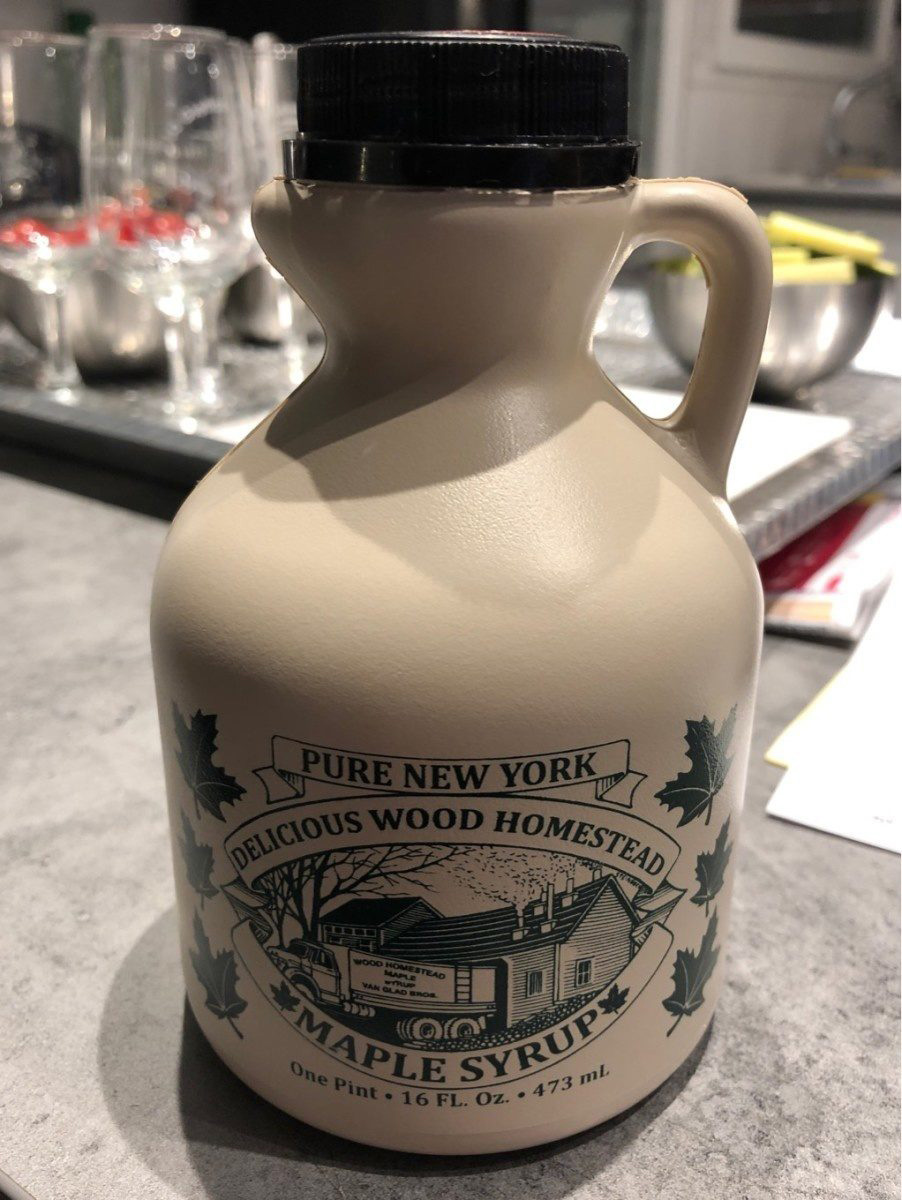
However, a significant distinction exists regarding the common "beige or grey" plastic jugs frequently sold at farmers’ markets and specialty stores. Research and statements from the Quebec Maple Syrup Producers (QMSP) Association indicate that these specific plastic containers are not absolute barriers to oxygen. Over time, oxygen can permeate the plastic, leading to the degradation of the syrup and increasing the risk of mold growth even if the original seal is unbroken. Consequently, experts recommend that maple syrup purchased in these plastic jugs be stored in the refrigerator immediately upon purchase to prolong its lifespan.
Refrigeration Protocols Following De-sealing
Once the original seal of a maple syrup container is broken, the product is immediately exposed to ambient fungal spores present in the air. While the high sugar content slows microbial reproduction, it does not stop it entirely. Modern food safety guidelines from institutions such as the Special Broadcasting Service (SBS) and various University Extension services emphasize that opened syrup must be refrigerated.
Refrigeration serves to significantly retard the growth of mold by maintaining the syrup at temperatures generally below 40°F (4°C). Despite this, mold can eventually develop in the refrigerator if the syrup is kept for an excessive duration. For consumers who purchase "gallons" or other large volumes, refrigeration should be viewed as a medium-term solution. If the volume of syrup cannot be consumed within several months, more robust preservation methods, such as freezing, are required to prevent economic loss and food waste.
The Freezing Method: The Gold Standard for Home Preservation
Among food scientists and agricultural extension specialists, freezing is recognized as the superior method for the long-term preservation of maple syrup at home. Freezing offers several distinct advantages over traditional "re-canning" or simple refrigeration.
Physical Changes During Sub-Zero Storage
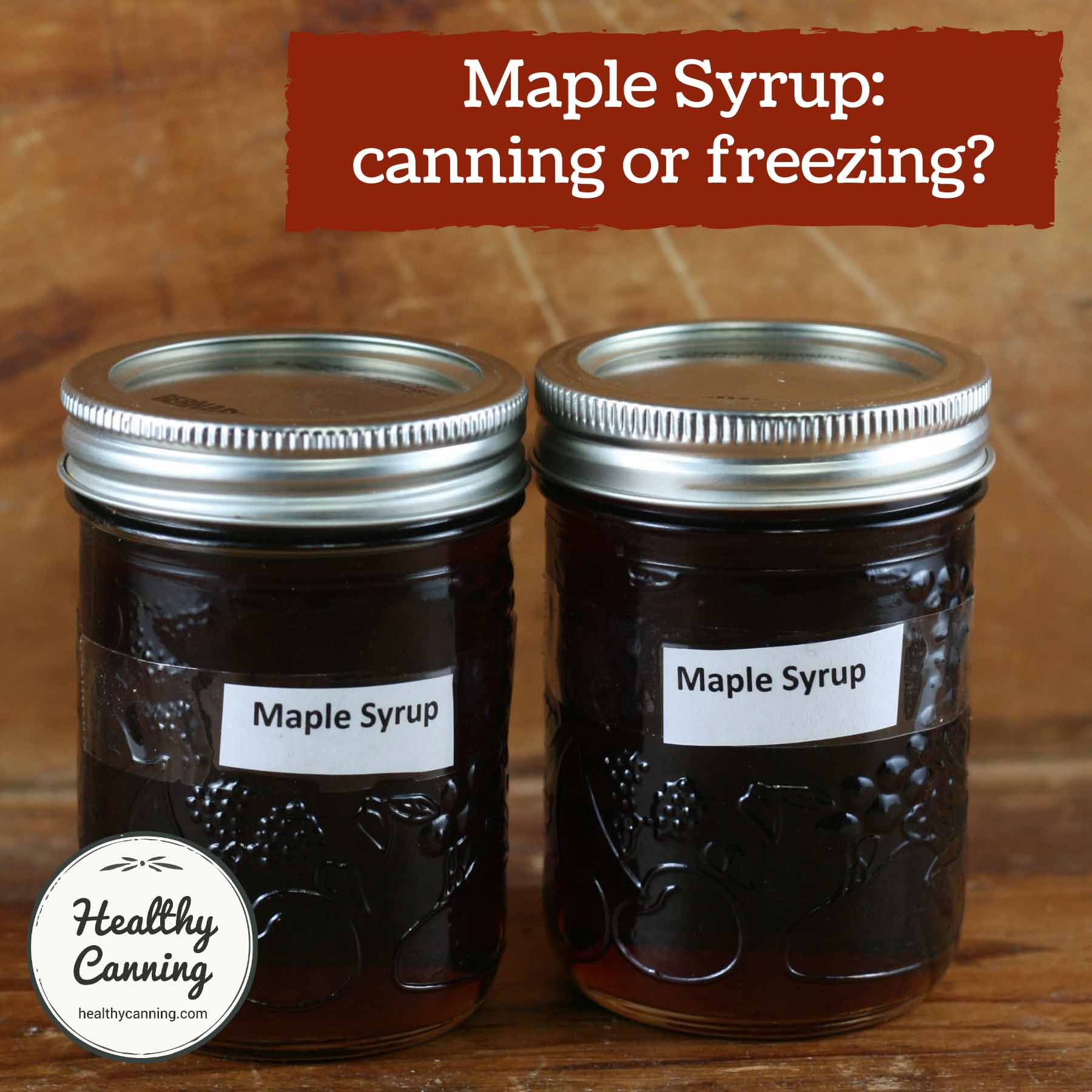
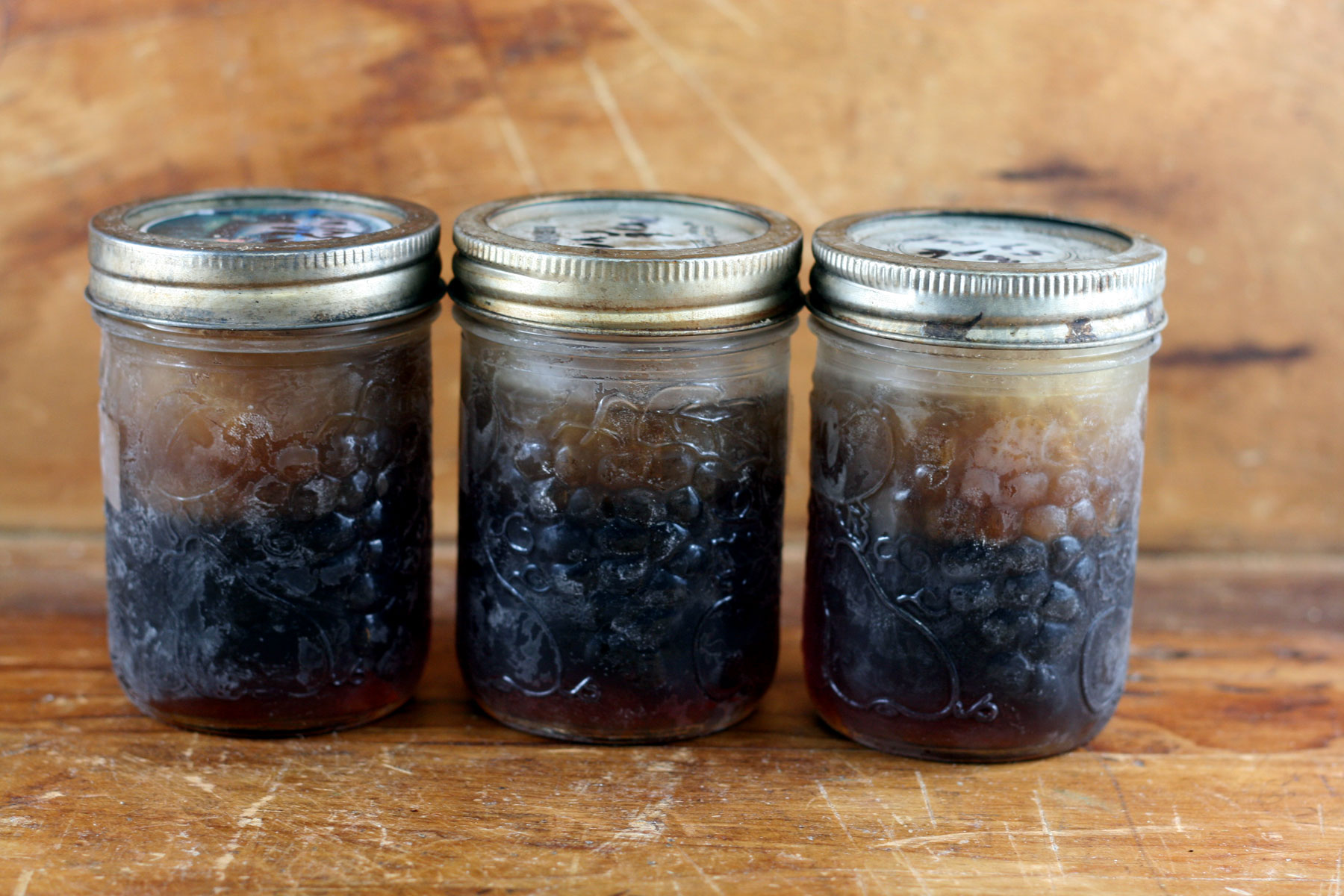
One of the most notable characteristics of frozen maple syrup is that it does not solidify into a hard block. Due to the extreme concentration of sugar, the freezing point of the liquid is significantly lowered. When placed in a standard domestic chest freezer, the syrup becomes highly viscous, reaching a consistency similar to thick honey. This physical state is ideal because it prevents the expansion that typically causes glass containers to shatter when freezing water-based liquids.
Quality Retention and Reversibility
The Vermont Maple Sugar Makers’ Association confirms that maple syrup can undergo multiple freeze-thaw cycles without any loss of flavor, color, or nutritional value. The only requirement is that the syrup must be allowed to thaw completely and be stirred to re-incorporate any light condensation that may have formed on the surface during the process.
Packaging for the Freezer
While plastic containers can be used for short-term freezing, glass Mason jars are the preferred vessel for long-term freezer storage. Glass is impermeable to odors and oxygen, ensuring the syrup does not take on "freezer flavors." When preparing jars for the freezer, the National Center for Home Food Preservation suggests leaving a headspace of approximately one inch (2.5 cm) for quart or liter jars, and slightly less for smaller containers. This headspace ensures that even with the slight expansion of the viscous liquid, the jar remains intact.
The Risks and Challenges of Home "Bottling" or Hot Packing
Many home cooks attempt to "re-can" bulk maple syrup into smaller jars for room-temperature storage. However, this process—more accurately described as "hot packing"—is fraught with technical difficulties and quality risks. Unlike high-acid canning (like pickles) or pressure canning (like vegetables), there is no officially validated "processing time" for maple syrup in home canning manuals.
The Hot Pack Procedure
In a commercial setting, hot packing involves heating the syrup to a precise range of 180°F to 185°F (82°C to 85°C). The syrup is then poured into pre-heated jars, capped, and inverted for five to ten minutes. The goal of inversion is to allow the scalding liquid to come into contact with the lid and the neck of the jar, theoretically killing any mold spores introduced during the pouring process.
Quality Degradation: Stack Burn and Sugar Sand
The primary argument against home hot packing is the high probability of "stack burn." This phenomenon occurs when the syrup remains at high temperatures for too long, causing the sugars to continue cooking. This results in a darkening of the syrup and a potentially bitter or "burnt" flavor profile. To avoid this, commercial producers use rapid cooling systems, such as industrial fans or specialized cooling racks—equipment rarely found in a home kitchen.
Furthermore, heating syrup above 185°F (85°C) can cause dissolved minerals to precipitate out of the solution, forming a gritty substance known as "niter" or "sugar sand." While harmless to consume, sugar sand makes the syrup appear cloudy and unappealing. Removing it requires specialized heavy-duty filtering cloth, as standard coffee filters or cheesecloth are often insufficient.
Chronology of Spoilage and Mold Resilience
The history of maple syrup research shows a shifting understanding of mold resilience. Historically, the industry assumed that the 66° Brix level was a "kill zone" for all microbial life. However, research from the University of Maine has demonstrated that certain heat-resistant fungal populations can survive even the standard hot-packing temperatures of 185°F (85°C).
In studies conducted between 2012 and 2013, researchers found that nearly 94% of "spoiled" syrup samples submitted by the public were contaminated with fungi that had survived traditional bottling methods. This underscores the reality that home "canning" is not a foolproof method. If a mold film—often appearing as a thin, translucent mat or fuzzy spots—develops on the surface, the syrup is considered spoiled. While some traditional advice suggested skimming the mold and re-boiling the syrup, modern food safety experts generally advise against this, as some molds can produce mycotoxins that are not destroyed by heat.
Broader Impact and Final Recommendations
The preservation of maple syrup is not merely a matter of culinary preference but one of economic significance for households and small-scale producers. As the "farm-to-table" movement encourages the purchase of local, bulk agricultural products, the education of the consumer on proper storage becomes paramount.
For the average consumer, the hierarchy of storage should be as follows:
- Unopened Glass/Metal: Store in a cool, dark cupboard (up to 1-2 years).
- Unopened Plastic Jugs: Store in the refrigerator immediately.
- Opened Containers of Any Material: Store in the refrigerator (use within 6 months).
- Bulk Preservation: Divide into small glass Mason jars and freeze (indefinite storage).
By prioritizing freezing over the more complex and risky "hot packing" method, consumers can guarantee the safety and flavor of their maple syrup for years, ensuring that the seasonal labor of the maple harvest is preserved in its most pristine form. This objective approach to storage mitigates the risks of mold and chemical degradation, providing a sustainable way to enjoy one of nature’s most complex sweeteners.