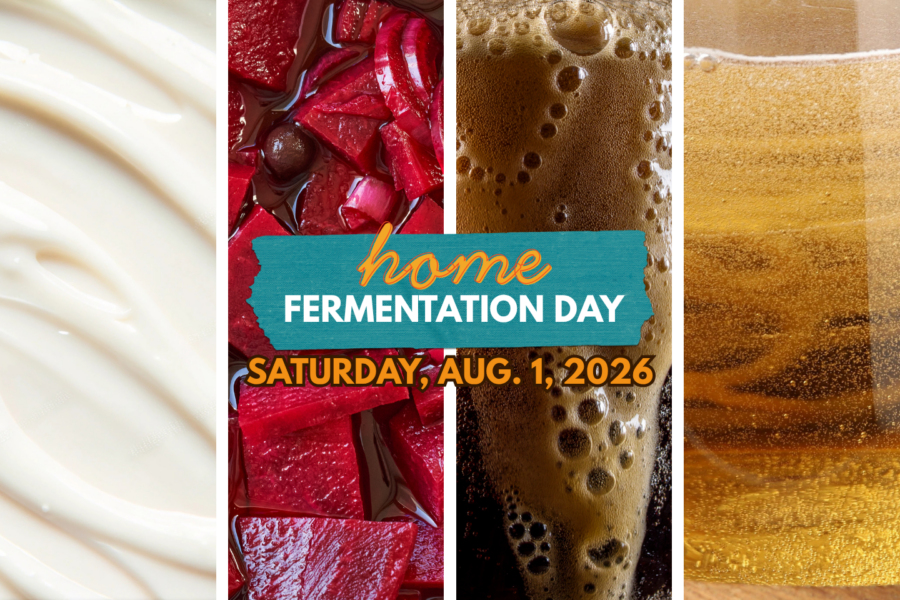
The global community of culinary artisans and beverage enthusiasts recently converged online and in home kitchens to celebrate the ancient, transformative power of microscopic organisms. On August 1, members of the American Homebrewers Association (AHA) marked the annual Home Fermentation Day by showcasing an impressive array of bubbling brews, lacto-fermented produce, and aged elixirs. The event served as both a celebration of culinary heritage and a modern testament to the precision, patience, and creativity required to master fermentation.
From backyard harvests transformed into probiotic powerhouses to complex, fruit-forward meads aged for twelve months, participants demonstrated that the invisible workforce of bacteria and yeast remains an essential pillar of modern culinary arts. Far from a passive hobby, home fermentation requires a precise understanding of microbiology, sanitation, and biochemistry. The August 1 event highlighted how contemporary practitioners are merging traditional preservation techniques with modern palates, producing everything from fiery hot sauces to artisan loaves of bread and experimental batches of sake.
A Community United by Microbes: Standout Projects of 2026
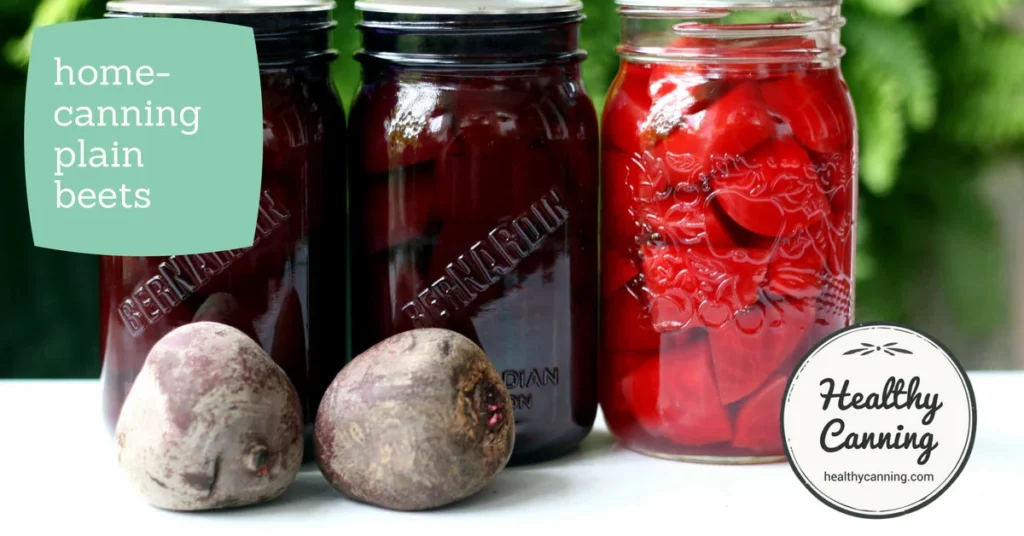
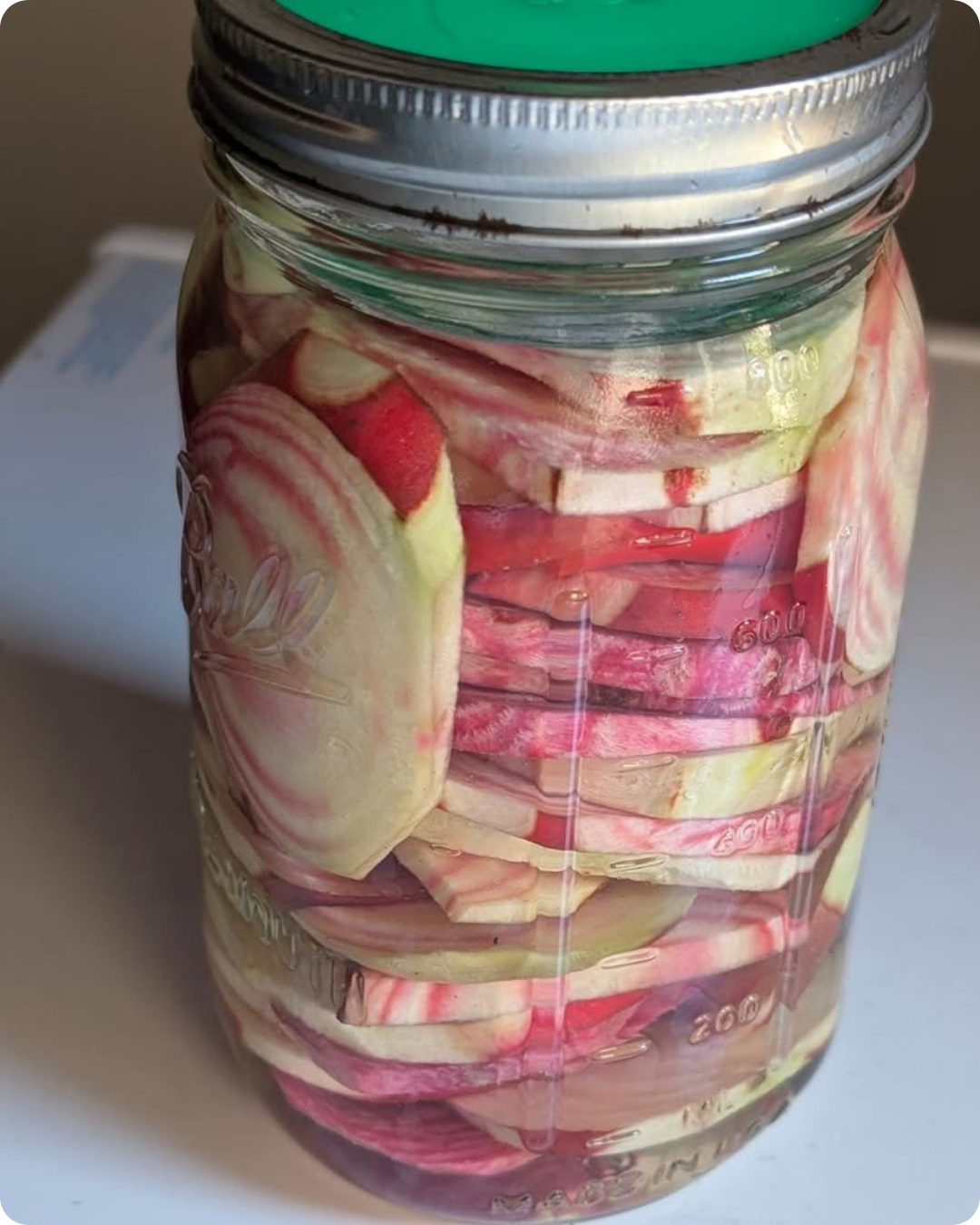
The breadth of projects shared during Home Fermentation Day underscored the versatility of fermentation as both a preservation method and a culinary art form. Among the standout participants was Andrew Farke of Claremont, California, a member of the Horse Thief Brewers Association. Farke utilized produce harvested directly from his own garden to craft a batch of lacto-fermented beets, incorporating aromatic garlic and fiery Thai chiles to create a complex, probiotic-rich side dish. Farke’s project emphasized the farm-to-table ethos that frequently intersects with the home fermentation movement, where growers seek to extend the shelf life of seasonal yields through wild fermentation.
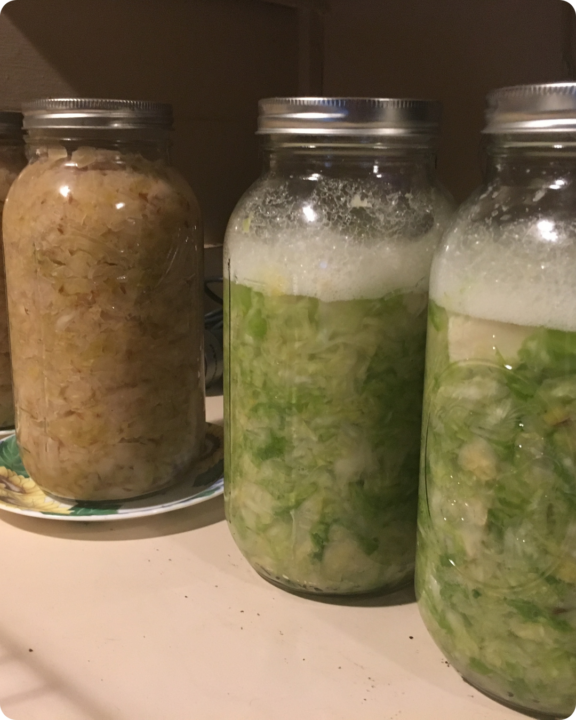
In Hilo, Hawaii, Carl Saxer approached the holiday with a reverence for traditional preservation, producing a classic batch of naturally fermented sauerkraut utilizing only cabbage and fine sea salt. Saxer paired his finished ferment with homemade sausage, illustrating how foundational fermented foods elevate everyday meals. Meanwhile, on the East Coast, Chris Gasbarro of Port St. Lucie, Florida, directed his efforts toward the patient craft of meadmaking. Gasbarro prepared to bottle a guava melomel—a traditional fruit-infused honey wine—crafted from guava blossom honey and pure guava puree. Having aged for a full twelve months, the melomel represented the dedication and long-term planning characteristic of advanced home winemaking and mead production.
Beyond these featured creations, the broader community flooded digital platforms with evidence of active kitchen laboratories. Timelines and feeds featured cascading streams of homemade hot sauces utilizing wild-fermented peppers, sourdough breads cultivated from long-maintained wild yeast starters, and lighthearted video documentation of spirited, occasionally rebellious batches of sake undergoing primary fermentation.
The History and Evolution of Home Fermentation Day
Home Fermentation Day occupies a unique space in the culinary calendar, bridging the gap between historical food preservation and contemporary maker culture. Fermentation itself is arguably humanity’s oldest biotechnology. Long before the advent of refrigeration, canning, or chemical preservatives, early civilizations relied on lactic acid fermentation, alcoholic fermentation, and acetic acid conversion to stabilize perishable crops, grains, and liquids. Archaeological evidence suggests that fermented beverages and foods were consumed as early as the Neolithic period, serving critical roles in nutrition, safe hydration, and social ritual.
In the modern era, the renaissance of home fermentation has been propelled largely by a growing consumer interest in gut health, sustainable living, and the rejection of highly processed foods. Microbes such as Lactobacillus, Saccharomyces cerevisiae, and various strains of Acetobacter do the heavy lifting, converting sugars and starches into alcohol, organic acids, and carbon dioxide.
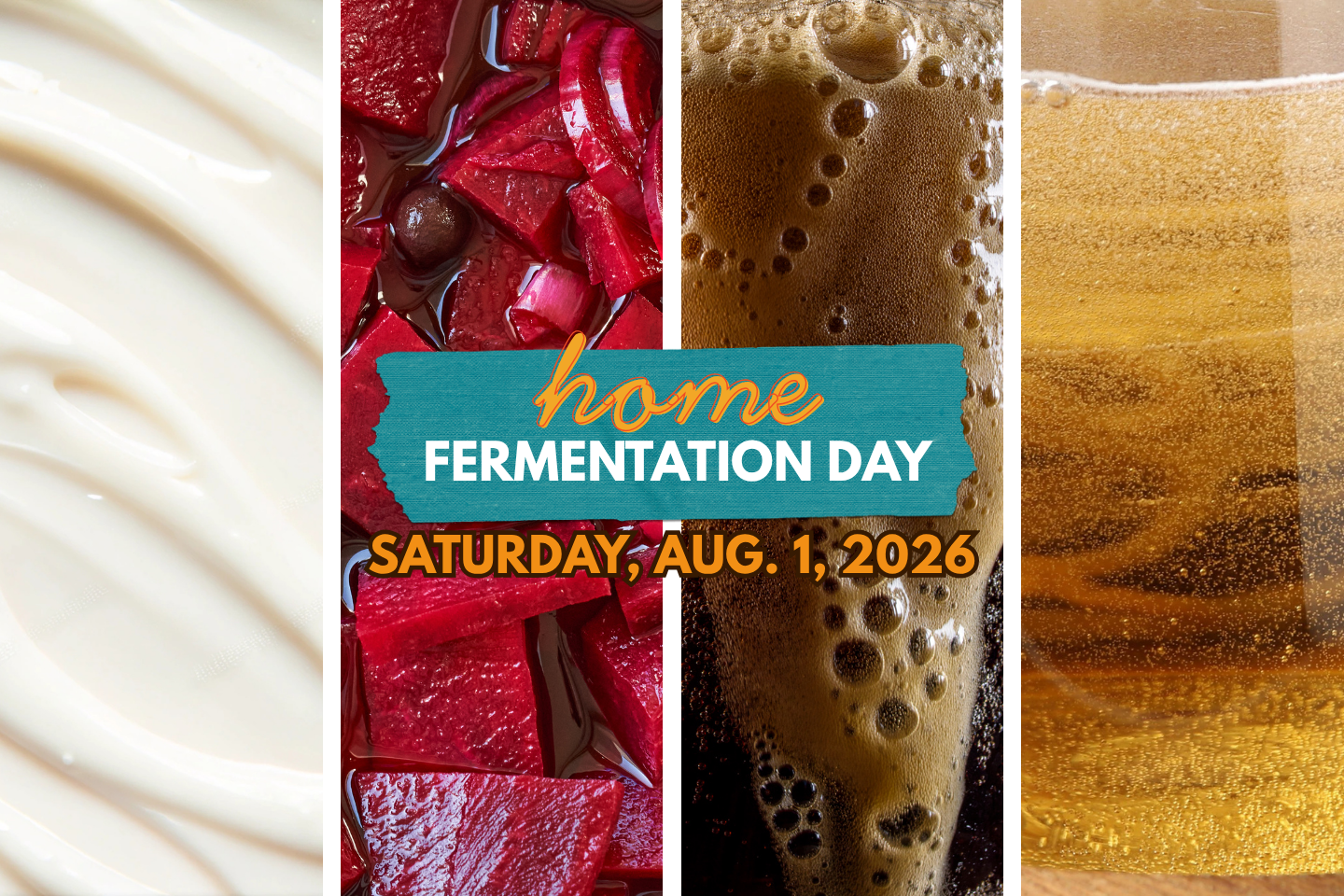
The American Homebrewers Association established designated community events like Home Fermentation Day to foster collaboration, education, and knowledge-sharing among practitioners of all skill levels. While homebrewing beer remains a cornerstone of the organization, the broader umbrella of fermentation encompasses mead, cider, kombucha, kimchi, cheese, vinegar, and cured vegetables. By designating a specific annual date for enthusiasts to share their active projects, the AHA aims to demystify the science of fermentation and encourage culinary experimentation in home kitchens globally.
Economic and Cultural Implications of the Modern Fermentation Revival
The surge in home fermentation is not merely a localized hobbyist trend; it reflects broader shifts in consumer behavior, sustainability awareness, and culinary education. Industry analysts note that the global market for fermented foods and beverages has expanded significantly over the past decade, driven by heightened consumer awareness regarding microbiome health, digestive wellness, and functional foods.
As commercial interest in probiotics and craft beverages grows, the home fermentation community serves as an essential incubator for culinary innovation. Home practitioners are frequently early adopters of niche ingredients, rare heirloom yeast strains, and zero-waste kitchen practices. By utilizing garden surplus, scraps, and locally foraged ingredients, home fermenters contribute to localized sustainability efforts, reducing food waste while producing nutrient-dense staples.
Furthermore, educational initiatives hosted by organizations like the AHA play a vital role in food safety and scientific literacy. Fermentation relies on the selective encouragement of beneficial microorganisms while inhibiting harmful pathogens through acidity, salinity, or alcohol production. Through shared resources, virtual workshops, and community mentorship, home fermentation networks ensure that practitioners understand the underlying biochemical principles necessary to produce safe, high-quality consumables.
Looking Ahead: Continuing Education and Community Engagement
Although the official calendar date for Home Fermentation Day has passed, industry leaders emphasize that fermentation is a year-round discipline with no seasonal boundaries. The American Homebrewers Association maintains an extensive, publicly accessible repository of recipes and instructional guides covering everything from introductory beer brewing and cider pressing to advanced mead formulation and vegetable pickling.
To maintain momentum following the August event, the AHA scheduled a specialized virtual gathering: an interactive AHA Happy Hour featuring Charlie Biolo, owner and content creator behind the popular media brand Golden Hive Mead. Biolo has played a significant role in introducing millions of mainstream viewers to the art of meadmaking through accessible, highly engaging digital content. His approach demonstrates that fermentation, while rooted in rigorous science, should remain approachable, creative, and engaging for participants of all backgrounds.
These virtual gatherings provide a crucial forum for both novice and veteran makers. Open to the public without requiring an active AHA membership, the happy hours allow participants to troubleshoot technical challenges, swap recipe variations, and discuss the nuances of microbial management.
How to Participate and Share Your Experiments
For culinary enthusiasts looking to dive into the world of microbes, the barrier to entry remains remarkably low. Basic equipment—such as food-grade glass jars, fermentation weights, airlocks, and sanitizing agents—can be acquired with minimal financial investment. Beginners are encouraged to start with simple, forgiving projects such as lacto-fermented root vegetables, hot sauces, or quick kombucha brews before advancing to complex multi-stage meads and extended-aging wines.
The AHA continues to encourage community participation through digital showcases. Practitioners looking to share their ongoing kitchen experiments are invited to tag the official organization handle, @homebrewassoc, on major social media platforms including Facebook and Instagram, or to submit high-resolution project documentation directly through the association’s online portal.
As consumer interest in traditional foodways and gut health continues to accelerate, events like Home Fermentation Day reinforce the enduring partnership between human ingenuity and the microscopic world. Whether through a simple jar of salted cabbage or a complex, yearlong melomel, home fermenters around the world continue to prove that the smallest organisms often yield the most profound culinary rewards.