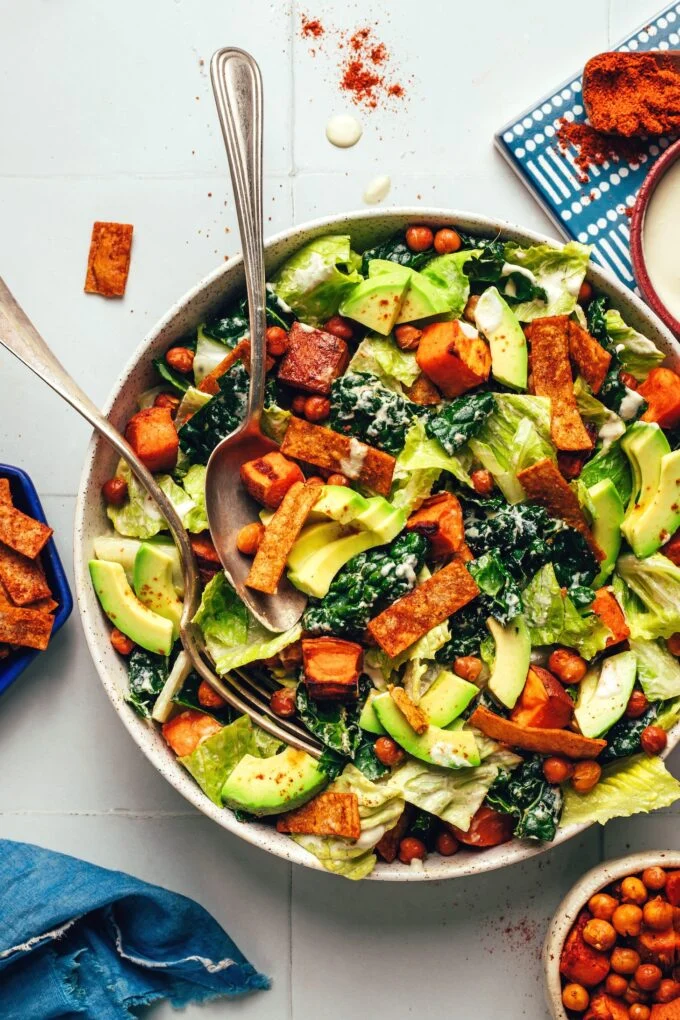

The global culinary landscape is currently undergoing a significant transformation as plant-forward diets move from niche lifestyle choices to mainstream dietary standards. At the forefront of this shift is the development of recipes that prioritize nutrient density, speed of preparation, and complex flavor profiles without the use of animal products. A primary example of this evolution is the Vegan Sweet Potato Chickpea Taco Salad, a dish designed to provide a comprehensive nutritional profile within a 30-minute preparation window. This culinary development reflects a broader consumer demand for "weeknight ease with weekend flavor," a trend that has prompted food innovators to rethink traditional Mexican-inspired cuisine through a vegan lens.
The Evolution of Plant-Based Convenience
The emergence of the Vegan Sweet Potato Chickpea Taco Salad is not an isolated event but rather a continuation of a successful culinary lineage. The recipe serves as a developmental successor to the popular BBQ Sweet Potato Chickpea Tacos, indicating a strategic shift toward high-volume, leaf-based meals that offer greater satiety through fiber and complex carbohydrates. By transitioning from a traditional taco format to a salad-based structure, the dish maximizes the volume of micronutrient-dense greens, such as kale and romaine, while retaining the core protein and starch components that define the original flavor profile.
This transition highlights a growing trend in the "fast-casual" home cooking sector: the "30-minute meal" standard. As professional and personal schedules become increasingly compressed, the ability to deliver a multi-textured, flavorful dinner in half an hour has become a benchmark for successful recipe development. The process relies on "culinary multi-tasking," where roasting cycles for tubers and legumes occur simultaneously with the preparation of emulsified dressings and the processing of raw greens.

Nutritional Composition and Ingredient Analysis
The Vegan Sweet Potato Chickpea Taco Salad is architecturally designed around four pillars: roasted tubers, protein-rich legumes, a cruciferous-leafy green base, and a fat-based emulsified dressing. Each component contributes to a balanced macronutrient profile that challenges the historical misconception that vegan salads are insufficiently filling.
The Roasting Core: Sweet Potatoes and Chickpeas
The foundational elements of the dish are sweet potatoes and chickpeas, which undergo a high-heat roasting process with avocado oil, chili powder, and smoked paprika. From a nutritional standpoint, sweet potatoes are a powerhouse of beta-carotene, which the body converts into Vitamin A. A single serving can provide over 400% of the recommended daily intake, supporting immune function and ocular health.
Chickpeas (Cicer arietinum) serve as the primary plant-based protein source. Beyond their 12.6 grams of protein per serving, they are an exceptional source of dietary fiber. When roasted, the starch in the chickpeas undergoes a Maillard reaction, providing a crunchy texture that contrasts with the soft, caramelized interior of the sweet potatoes. This combination ensures a low-glycemic index meal that provides sustained energy release, preventing the "insulin spikes" often associated with refined-carbohydrate meals.

The Green Foundation: Kale and Romaine
The choice of greens in this salad—a blend of romaine and kale—is a deliberate attempt to balance texture and nutrient density. Romaine lettuce provides the high water content and "crunch" essential for the traditional taco salad experience. Conversely, kale (Brassica oleracea) adds structural integrity and a wealth of Vitamin K, Vitamin C, and manganese. The use of kale also ensures that the salad does not wilt immediately upon the application of the warm roasted ingredients, a common failure in salads utilizing only tender greens like spinach or butter lettuce.
The Emulsification: Jalapeño Cashew Dressing
A critical component of the dish is the "cheesy" Jalapeño Cashew Dressing. In vegan gastronomy, replicating the creamy mouthfeel of dairy is often achieved through the use of soaked and blended cashews. This dressing incorporates nutritional yeast and miso paste to provide "umami"—the savory fifth taste usually associated with meats and cheeses. The inclusion of jalapeño provides capsaicin, which not only adds heat but has been linked to metabolic enhancement.
Supporting Data and Market Trends
The popularity of recipes like the Vegan Sweet Potato Chickpea Taco Salad is backed by substantial market data. According to a report by Bloomberg Intelligence, the plant-based foods market is expected to surpass $162 billion by the next decade, up from $29.4 billion in 2020. This growth is driven by "flexitarians"—consumers who are not strictly vegan but are actively seeking to reduce their meat consumption for health and environmental reasons.

Data from the Plant Based Foods Association (PBFA) indicates that 62% of U.S. households now purchase plant-based products. Within this demographic, there is a marked preference for whole-food ingredients (like chickpeas and sweet potatoes) over highly processed meat analogues. The Vegan Sweet Potato Chickpea Taco Salad aligns perfectly with this "whole-food, plant-based" (WFPB) movement, which emphasizes ingredients in their least-processed state.
Nutritional Breakdown per Serving:
- Calories: 442 kcal
- Total Fat: 19.4g (primarily monounsaturated and polyunsaturated fats)
- Protein: 12.6g
- Dietary Fiber: 11.9g
- Potassium: 902mg
- Vitamin A: 4020 IU
The fiber content is particularly noteworthy; at nearly 12 grams per serving, this dish provides approximately 40-50% of the daily recommended fiber intake for adults, a metric where the vast majority of Western diets fall short.
Chronology of Preparation: The 30-Minute Timeline
The efficiency of this meal is predicated on a specific chronological workflow, which has been analyzed for maximum time-utility:

- Minutes 0-5: Pre-heating the oven and dicing sweet potatoes. The smaller the dice, the faster the roasting time. Chickpeas are drained, dried, and seasoned.
- Minutes 5-25: Roasting phase. The chickpeas and sweet potatoes are placed in the oven. This 20-minute window is the "active prep" period.
- Minutes 10-15: Dressing preparation. High-speed blending of cashews, lime juice, nutritional yeast, and spices takes approximately five minutes.
- Minutes 15-25: Greens and toppings. Romaine and kale are chopped; avocados are sliced, and tortilla chips are crushed.
- Minutes 25-30: Assembly. The warm roasted components are combined with the cold greens, dressed, and served immediately to maintain the contrast in temperatures.
Broader Implications and Sustainability
The shift toward legume- and tuber-based meals has profound implications for environmental sustainability. Chickpeas, like all pulses, have a low carbon footprint and are "nitrogen-fixing" crops, meaning they improve soil health by pumping nitrogen back into the earth, reducing the need for synthetic fertilizers. Sweet potatoes are similarly hardy, requiring relatively low water inputs compared to animal-based calorie sources.
From a public health perspective, the promotion of such recipes addresses the rising rates of lifestyle-related diseases. The high potassium and low saturated fat content of the Vegan Sweet Potato Chickpea Taco Salad are consistent with the Dietary Approaches to Stop Hypertension (DASH) and Mediterranean diets, both of which are gold standards in cardiovascular health.
Expert Reactions and Culinary Analysis
Culinary experts suggest that the success of this specific flavor profile lies in the "smoky-sweet-spicy" trifecta. The sweetness of the roasted potato balances the smokiness of the paprika and the heat of the jalapeño. "The use of miso in a Mexican-inspired dressing is a sophisticated touch," notes one industry analyst. "It provides a depth of flavor that salt alone cannot achieve, bridging the gap between traditional Mexican flavors and modern fusion techniques."

Furthermore, the versatility of the dish allows for protein scaling. While the base recipe is vegan, it serves as a modular platform. For those requiring higher protein density, the addition of smoky shredded tofu or, for non-vegans, shredded chicken, does not compromise the dish’s structural integrity. This modularity is key to the recipe’s appeal across diverse dietary requirements, including gluten-free and grain-free populations.
Conclusion: The Future of the Taco Salad
The Vegan Sweet Potato Chickpea Taco Salad represents more than just a meal; it is a synthesis of modern nutritional science and efficient culinary practice. By leveraging the natural textures of whole foods and the chemical properties of plant-based fats, the dish provides a satisfying alternative to traditional meat-heavy salads. As the global population continues to seek ways to balance health, time, and environmental responsibility, the prominence of such 30-minute, nutrient-dense, plant-based entrees is expected to grow, eventually becoming a staple of the modern international diet.