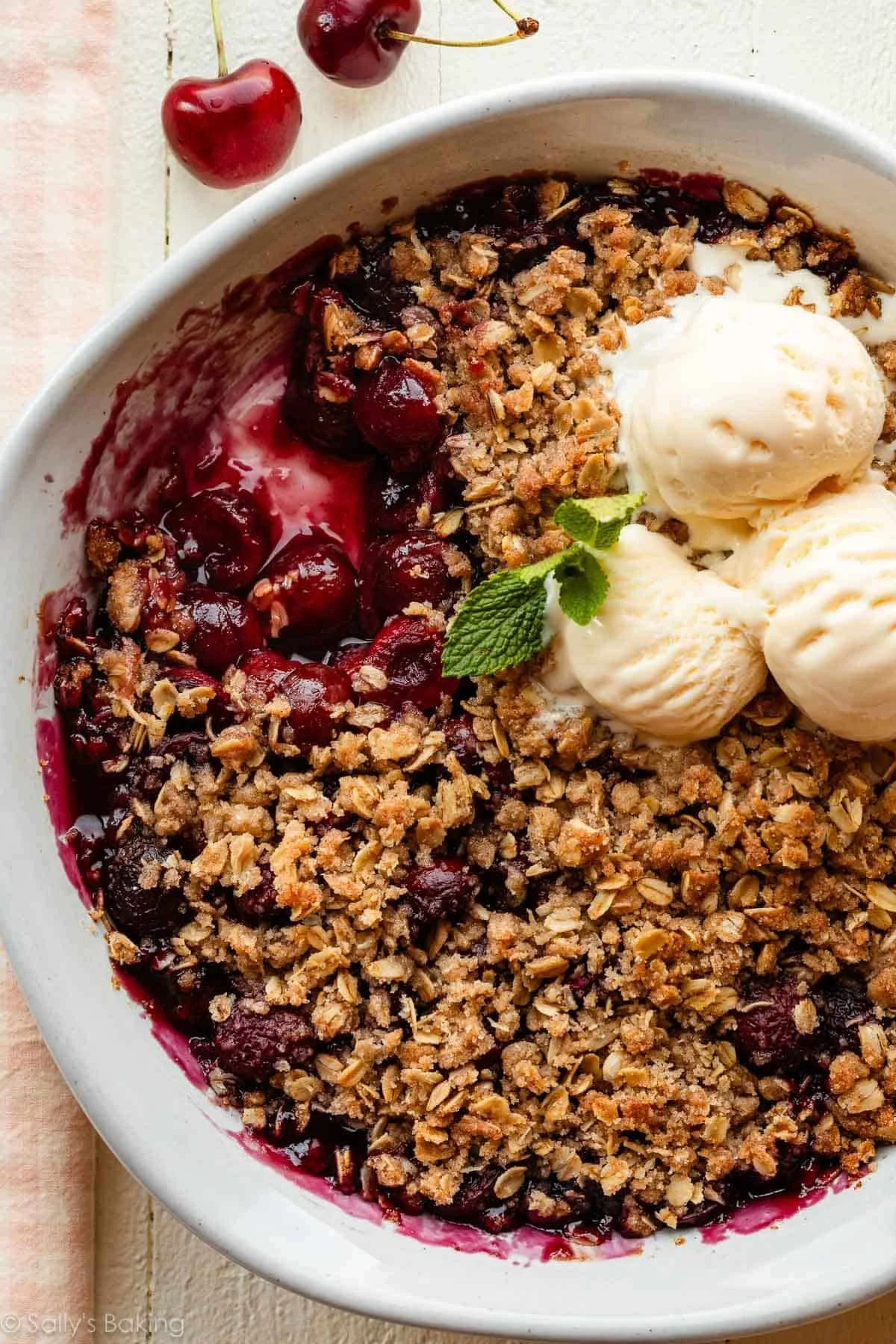

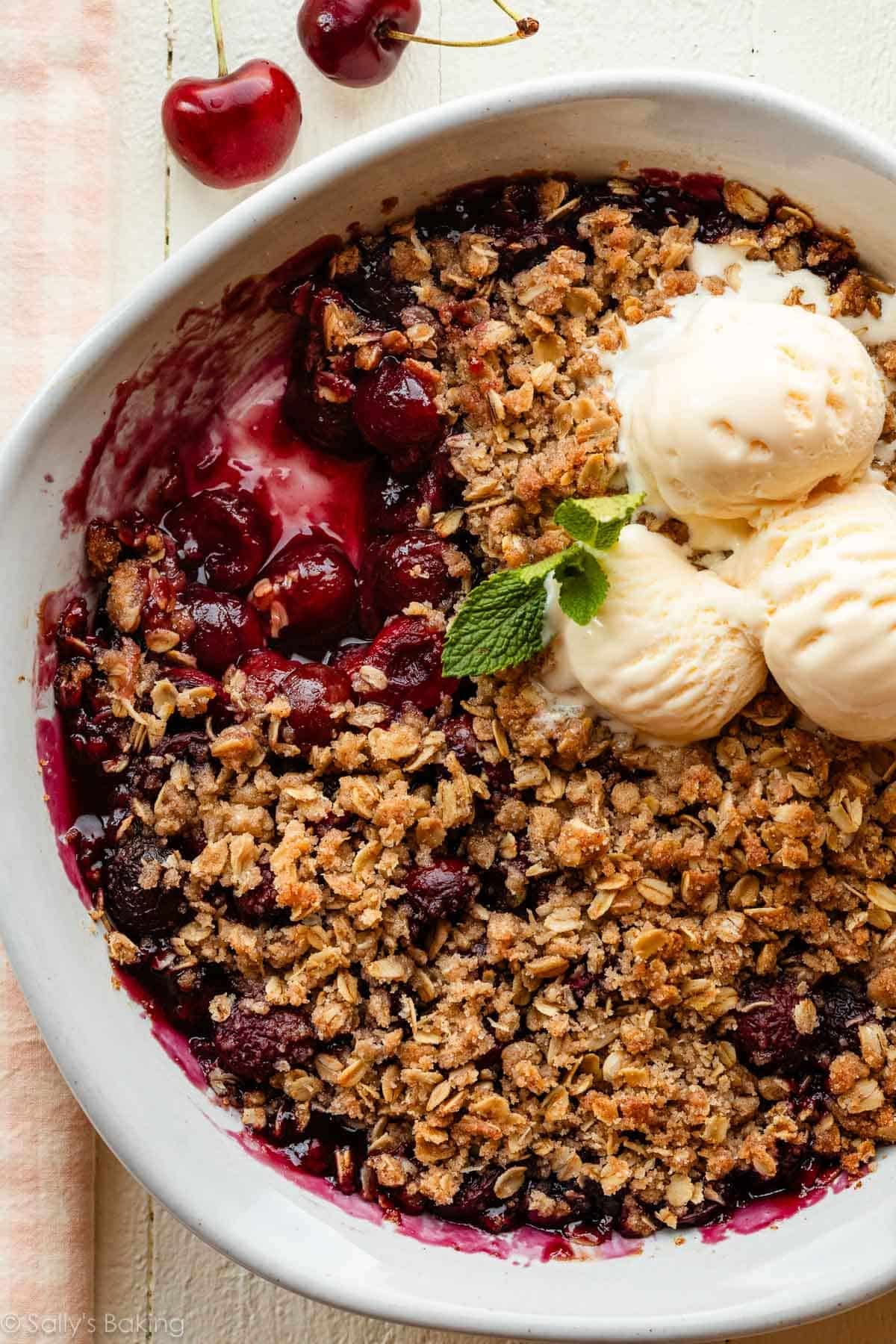
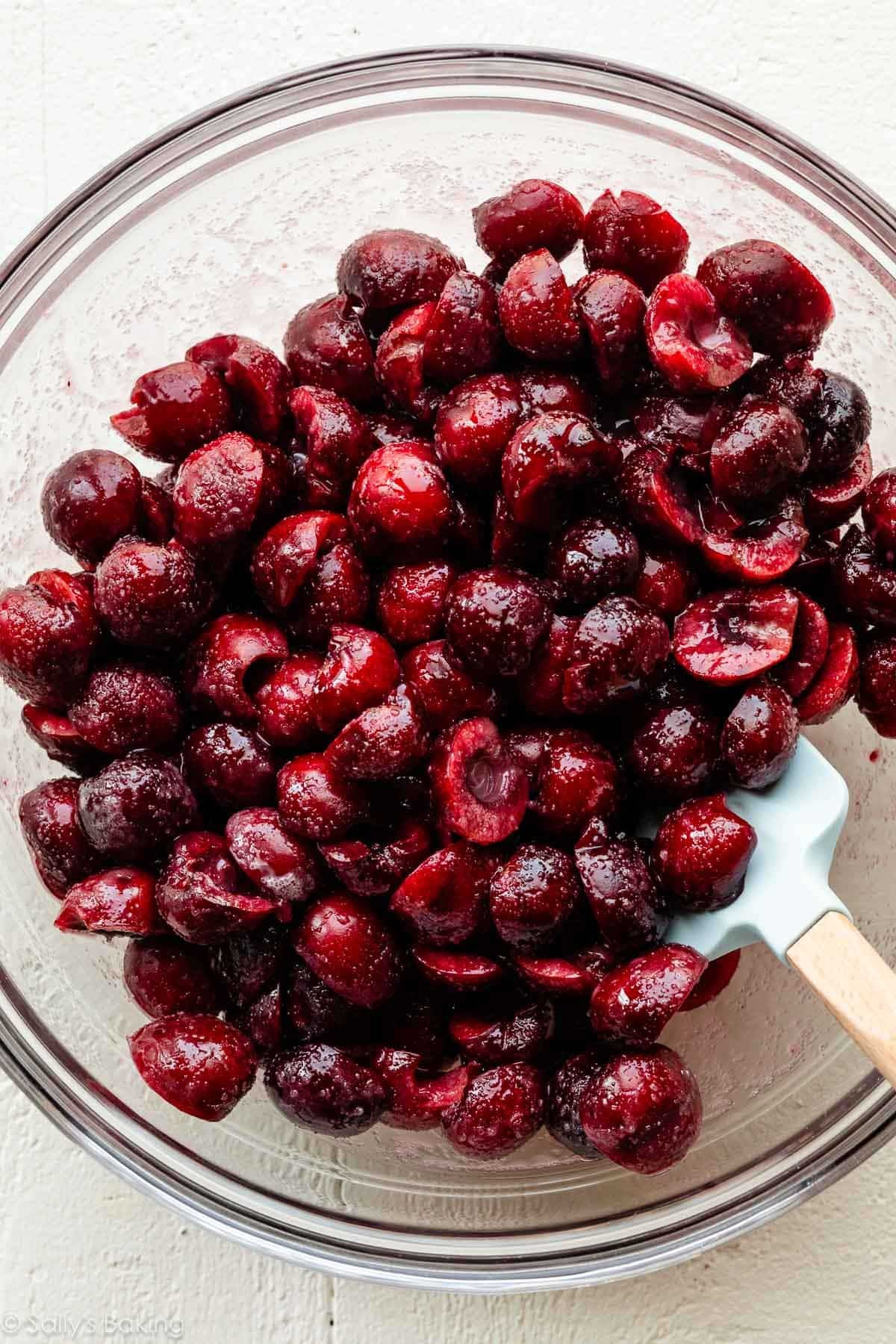
The culinary landscape continually seeks dishes that balance traditional flavors with modern convenience, a niche perfectly occupied by the homemade cherry crisp. Recently updated from its original 2018 publication, this popular recipe offers a streamlined approach to a classic fruit dessert, emphasizing ease of preparation without compromising on taste or texture. It presents a compelling alternative to more laborious baking projects, notably the traditional cherry pie, by eliminating the need for complex pastry work while delivering a similarly rich and satisfying experience. This rendition of cherry crisp features a vibrant, jammy cherry filling complemented by a golden, crumbly brown sugar oat topping. The design minimizes preparation time, with the filling requiring only minutes to assemble. A key differentiator from traditional pies is the absence of pie dough, removing the often-intimidating steps of rolling, chilling, and fussing with pastry. For those seeking an additional layer of complexity, a modest splash of bourbon is suggested, introducing a subtle caramel-like depth that harmonizes with the fruit. The dessert is ideally served warm, often accompanied by a scoop of vanilla ice cream, cementing its status as a quintessential summer treat.
The Evolution of a Culinary Staple: Crisps and Crumbles in Historical Context
Fruit crisps, also known as crumbles, represent a distinct category within the realm of baked fruit desserts, characterized by their streusel-like topping rather than a solid pastry crust. Historical culinary records indicate that such desserts gained prominence in North America and Britain, particularly during times of wartime rationing when traditional pie crust ingredients like shortening or butter were scarce. The simpler "crumble" topping, often composed of flour, sugar, and fat, provided a textural contrast and a sweet counterpoint to baked fruit, requiring fewer ingredients and less skill than a full pie crust.
The appeal of the crisp has endured for centuries, evolving from a practical necessity to a beloved comfort food. Its inherent simplicity allows the natural flavors of the fruit to shine, making it a versatile vehicle for a variety of seasonal produce, from apples and peaches to strawberries and, notably, cherries. Unlike its more formal cousin, the pie, crisps are inherently rustic and forgiving, often served directly from the baking dish, which contributes to their appeal for casual gatherings and family meals. This particular cherry crisp recipe, originally introduced in 2018 and subsequently refined with updated photography and detailed "success tips," exemplifies this enduring culinary philosophy, providing a robust, reliable method for a consistently excellent result. The continuous refinement of such recipes underscores a broader trend in food media: the commitment to providing accessible, foolproof methods for classic dishes, enhancing the home cooking experience.
Understanding the Allure: Why This Cherry Crisp Stands Out
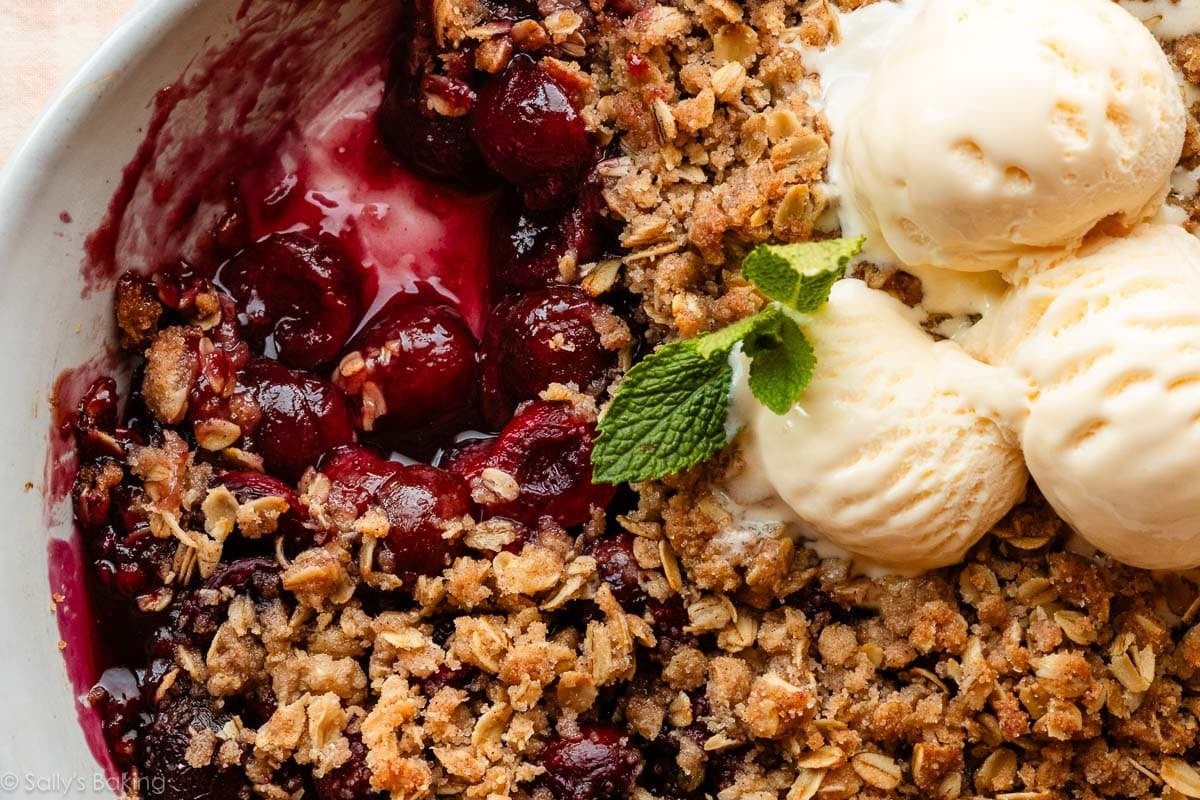
The specific formulation of this cherry crisp has been designed to achieve an optimal balance of textures and flavors. Culinary experts frequently highlight the importance of contrast in dessert profiles, and this recipe delivers on that principle. The cherry filling, through the process of baking, transforms into a thick, bubbling, and intensely jammy consistency. This is meticulously contrasted by the oat topping, which maintains its crisp, crumbly character. The secret to this textural integrity in the topping lies in the judicious use of very cold butter, a technique borrowed from pie crust and biscuit making, which prevents the butter from melting too quickly and yielding a greasy, rather than crumbly, result. This method ensures the streusel achieves a desired golden-brown hue and a satisfying crunch.
Flavor enhancement is another cornerstone of the recipe’s success. A touch of vanilla extract is incorporated into the cherry base, serving to amplify the natural sweetness and aromatic qualities of the fruit. Furthermore, the optional inclusion of bourbon adds a sophisticated layer of flavor. Bourbon, a distilled American whiskey primarily made from corn, contributes notes of caramel, vanilla, and oak, which, when integrated into a fruit dessert, can elevate the overall aromatic profile without overpowering the primary fruit flavor. While entirely optional, this addition transforms the crisp from merely "great" to a more complex and memorable culinary experience, a sentiment often echoed by those who appreciate nuanced flavor pairings in their baking. The versatility in flavor profile allows the dish to cater to diverse palates, from traditionalists to those seeking a contemporary twist.
Ingredient Focus: The Cherries and Other Essential Components
The successful execution of this cherry crisp relies on a concise list of readily available ingredients, each playing a critical functional role in achieving the desired outcome.
Cherries: The star ingredient. Dark sweet cherries are typically recommended for their balanced sweetness and robust flavor. Varieties such as Bing or Chelan are popular choices. Rainier cherries, with their lighter color and milder sweetness, are also a viable option. For those preferring a more piquant profile, tart or sour cherries, such as Montmorency, can be used, though a slight adjustment in sugar content (typically an increase) is advised to balance their acidity. Fresh cherries are optimal during their peak season, which generally runs from late spring through mid-summer, offering unparalleled flavor and texture. Major cherry-producing regions like Washington, Oregon, and Michigan contribute significantly to the domestic supply during this period. However, recognizing seasonal limitations, the recipe thoughtfully accommodates frozen cherries, provided they are properly thawed and excess moisture is blotted away to prevent a watery filling. This adaptability ensures the crisp can be enjoyed year-round, making it a versatile dessert for any occasion.
Other Core Ingredients:
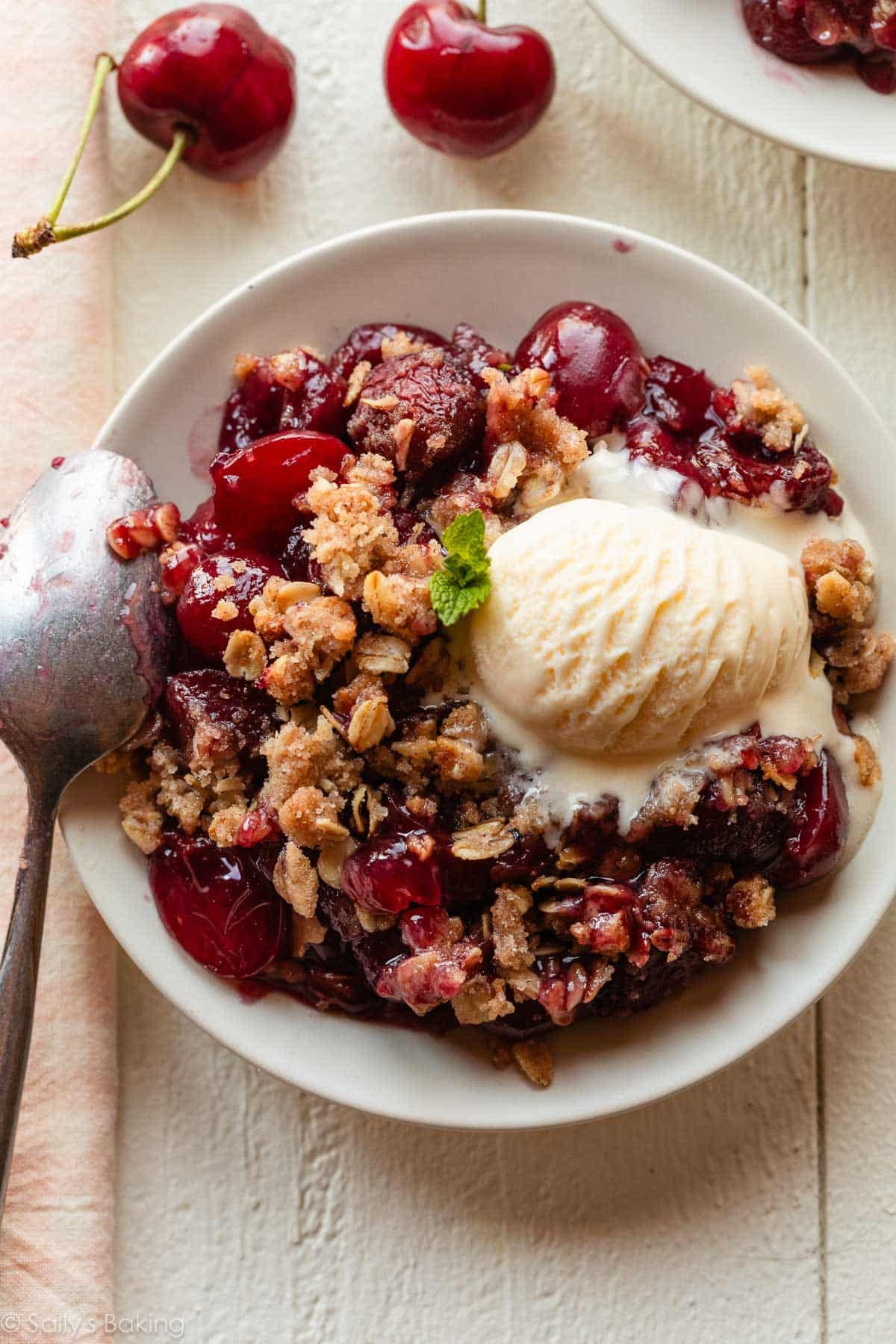
- Sweeteners: Granulated sugar for the filling provides clean sweetness to the cherries, while brown sugar for the topping contributes molasses notes, moisture, and aids in creating a richer, caramelized crust. The interplay of these sugars enhances the overall depth of flavor.
- Thickeners: Cornstarch is the preferred thickening agent for the cherry filling. It gelatinizes upon heating, creating the desired jammy consistency. Its neutral flavor ensures the cherry’s taste remains paramount, distinguishing it from flour-based thickeners that can sometimes impart a starchy taste.
- Fats: Unsalted butter is crucial for both flavor and texture. In the topping, its cold temperature is paramount for achieving a crumbly, rather than cakey, streusel. The quality of butter significantly impacts the richness of the topping.
- Grains: Rolled oats (old-fashioned oats) are fundamental to the "crisp" texture, providing chewiness and a nutty flavor. Quick oats are not recommended as they can become mushy due to their finer cut and higher surface area.
- Flour: All-purpose flour binds the topping ingredients and contributes to its structure. For gluten-free alternatives, the recipe directs users to a comparable gluten-free apple crisp topping, indicating a consideration for diverse dietary needs and broader accessibility.
- Spices: Ground cinnamon is highlighted as a non-negotiable ingredient for the topping. Its warm, sweet, and slightly woody notes are considered essential for enhancing the overall "oatmeal dessert" experience, evoking a sense of nostalgic, homemade baking and complementing the fruit’s sweetness.
- Flavorings: Vanilla extract enriches the cherry filling, providing a rounder, more complex sweetness and aromatic dimension.
- Optional Enhancements: Bourbon, as previously discussed, provides a subtle, sophisticated depth. Its addition is a testament to the recipe’s flexibility and potential for personalization, catering to adult palates seeking a more refined dessert.
The Craft of Assembly: A Chronology of Preparation
The preparation of this cherry crisp is structured to maximize efficiency and ensure optimal results. The process begins with the construction of the crisp topping, a strategic decision that allows the topping to chill effectively while the fruit filling is prepared.
-
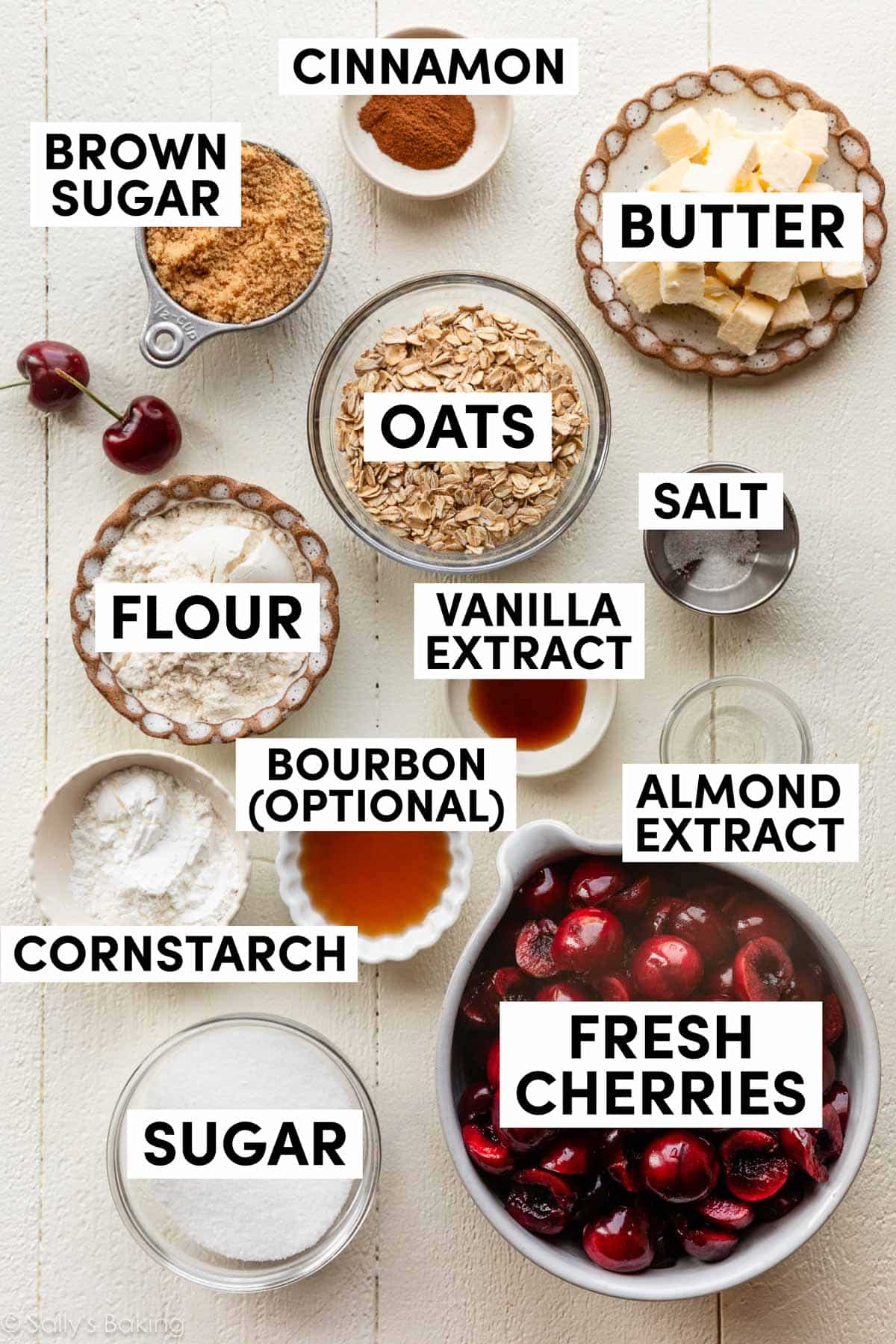
Topping Preparation: The dry ingredients for the topping—brown sugar, all-purpose flour, and ground cinnamon—are combined first. Subsequently, very cold, cubed unsalted butter is cut into the dry mixture using a pastry cutter or fingertips. This step is critical; the cold butter, when incorporated, creates small pockets of fat that melt slowly during baking, resulting in a distinctively crisp and crumbly texture. The oats are introduced last to prevent them from breaking down excessively during the butter incorporation phase. Once assembled, the topping is immediately transferred to a freezer. This chilling period is repeatedly emphasized as vital for maintaining the topping’s integrity and achieving the desired crispness. The inclusion of sliced almonds is an optional addition, offering an extra layer of crunch and nutty flavor, or can be omitted for a nut-free dessert, catering to specific dietary requirements.
-
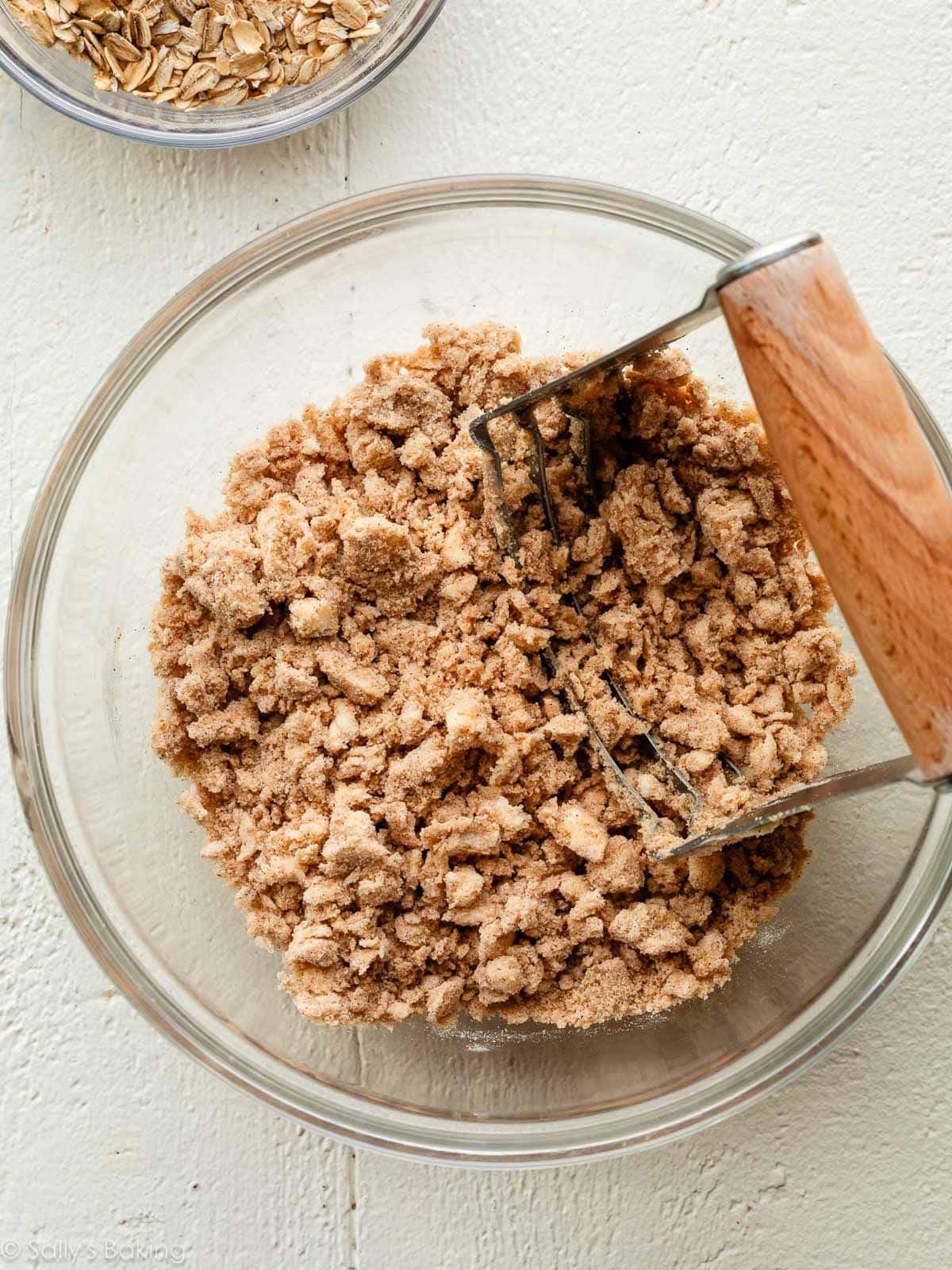
Cherry Filling Assembly: The next phase involves preparing the cherry filling. This is notably simpler than pie fillings, requiring no pre-cooking. Pitted cherries are combined with granulated sugar, cornstarch, and vanilla extract. If using tart cherries, an increased amount of sugar is specified to balance their inherent acidity, typically an additional 1/4 to 1/2 cup, adjusted to personal preference. The primary time-consuming element in this stage is the pitting of fresh cherries. The use of a specialized cherry pitter is highly recommended to expedite this process, a tool that, while used infrequently, proves invaluable during cherry season, significantly reducing preparation time. For those without a pitter, the alternative of using pre-pitted frozen cherries (after thawing and blotting) offers a practical and time-saving solution. The emphasis on practical tips such as using a pitter or frozen cherries highlights the recipe’s commitment to accessibility.
-
Baking and Setting: Once the filling is mixed, it is poured into a baking dish. The chilled streusel topping is then evenly distributed over the cherry mixture. The crisp is then baked until the fruit filling is visibly bubbling around the edges, a clear indicator that the cornstarch has fully activated and the filling has thickened appropriately. The topping should also be golden brown and fragrant. While the aroma might tempt immediate consumption, a brief cooling period of approximately 10 minutes post-baking is advised. This allows the filling to set slightly, facilitating cleaner serving and preventing the dessert from being overly fluid. This waiting period also provides an opportune moment to prepare accompanying elements, such as vanilla ice cream or freshly whipped cream. The entire process, from start to finish, can be completed in under an hour, making it an accessible option for weeknight desserts or impromptu entertaining.
Accessibility and Longevity: Storage and Preparation Insights
The practicality of this cherry crisp extends beyond its initial preparation, encompassing considerations for make-ahead options and storage. For those planning meals in advance, the crisp can be fully baked, allowed to cool completely, and then refrigerated for up to five days. Reheating prior to serving is recommended to restore its warm, comforting qualities, typically in a moderate oven until warmed through. Furthermore, the baked cherry crisp demonstrates excellent freezer stability. Once completely cooled, it can be wrapped tightly and frozen for up to three months, allowing individuals to prepare larger batches during peak cherry season and enjoy the dessert at a later date. Thawing overnight in the refrigerator and then reheating is the recommended procedure.
A critical point of guidance is the recommendation against the use of canned cherries. Canned varieties are often significantly softer than fresh or frozen cherries, possessing a different structural integrity that can result in a mushy and undesirable filling texture. Moreover, canned cherries are frequently packed in syrup, which can alter the sweetness balance of the recipe. The recipe explicitly advocates for fresh cherries when in season or properly thawed frozen cherries to ensure the best possible outcome in terms of both flavor and texture. This precise advice underscores the importance of ingredient quality in achieving culinary excellence.
Broader Implications: Culinary Trends and Consumer Preferences
The enduring popularity and thoughtful design of this homemade cherry crisp reflect several broader trends within the culinary world and consumer preferences.
-
Demand for Comfort Food and Nostalgia: In an increasingly fast-paced world, there is a sustained demand for dishes that evoke comfort, familiarity, and nostalgia. Fruit crisps, with their wholesome ingredients and home-baked charm, fit this profile perfectly. They offer a taste of tradition without the complexities often associated with classic baking. Data from food industry analysts consistently show comfort food categories performing strongly, especially in times of economic uncertainty or social change.
-
Emphasis on Simplicity and Efficiency: Modern home bakers often seek recipes that are straightforward and time-efficient. The "no pie dough to roll, chill, or fuss with" aspect of this crisp directly addresses this need, making gourmet-level desserts accessible to individuals with varying skill levels and time constraints. This caters to a demographic that values homemade quality but cannot commit to lengthy preparation processes. The rise of quick and easy recipes on popular food blogs and cooking websites further illustrates this consumer preference for efficiency.
-
Seasonal Eating and Ingredient Focus: The recipe’s emphasis on fresh cherries during their season, alongside practical advice for using frozen alternatives, aligns with a growing consumer interest in seasonal eating and maximizing the flavor of fresh produce. This approach supports local agriculture when fresh cherries are available and provides flexibility when they are not, promoting sustainable consumption practices. Consumer surveys frequently indicate a preference for "fresh" and "seasonal" ingredients.
-
Customization and Personalization: The optional inclusion of bourbon and the suggestion of adding almonds highlight a trend towards recipe customization. Consumers appreciate the ability to tailor dishes to their personal preferences, whether for dietary reasons (e.g., nut-free, gluten-free variations as referenced) or for nuanced flavor enhancements. This flexibility enhances engagement and encourages repeated use of a recipe.
-
The Enduring Appeal of Fruit Desserts: Despite the proliferation of elaborate patisserie, simple fruit desserts continue to hold a significant place in culinary preferences. Their inherent freshness, lighter profile (compared to heavy chocolate desserts, for example), and natural sweetness make them perennial favorites, particularly during warmer months. The pairing with vanilla ice cream, a classic accompaniment, further solidifies its timeless appeal.
In conclusion, the homemade cherry crisp, as articulated in this updated recipe, stands as a testament to the power of well-executed simplicity in baking. It provides a delicious, accessible, and versatile option for enjoying one of summer’s most cherished fruits, embodying a blend of traditional appeal and modern practicality. Its design caters to a broad audience, from novice bakers to seasoned enthusiasts, solidifying its place as a valued contribution to the repertoire of home-baked desserts. The recipe’s longevity and continuous refinement underscore its relevance in an evolving culinary landscape, offering a reliable path to a satisfying and memorable dessert experience.