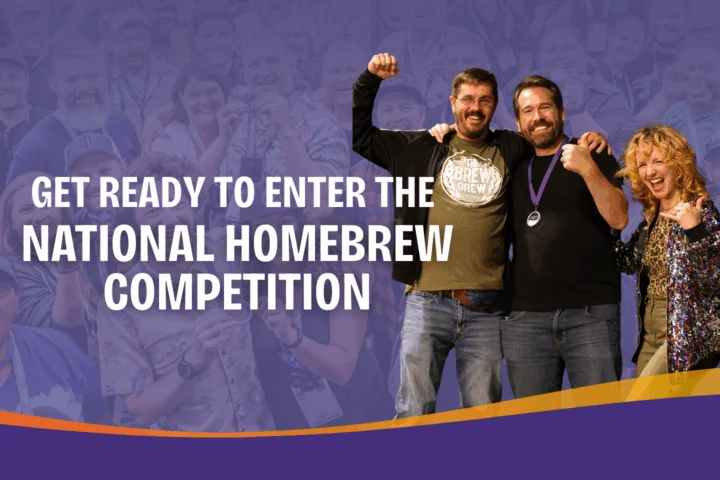

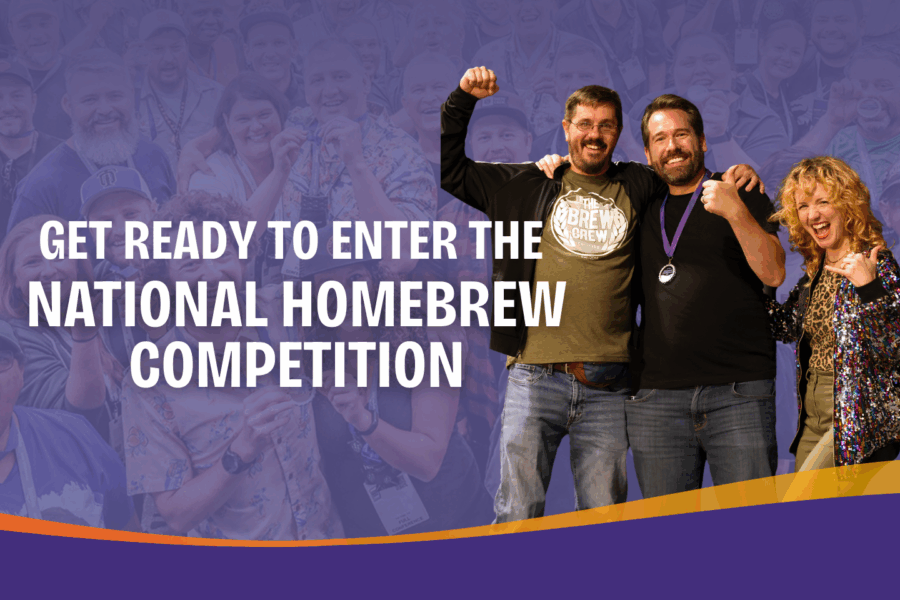
The American Homebrewers Association has announced the commencement of preparations for the 2026 National Homebrew Competition, an event widely recognized as the world’s largest and most prestigious stage for amateur fermentation. Entering its 48th year of operation, the 2026 edition represents more than just a continuation of a tradition; it serves as a landmark moment for the organization following its transition to an independent entity in July 2025. Since its inception in 1979, the competition has evaluated more than 170,000 entries, providing a comprehensive historical record of the evolution of craft beer, cider, and mead on a global scale. Supported by the Beer Judge Certification Program, the National Homebrew Competition remains the definitive benchmark for technical proficiency and creative innovation in the homebrewing community.
Historical Context and the Evolution of the NHC
The National Homebrew Competition was founded in 1979, a pivotal era for American beer culture. At the time, the United States brewing landscape was dominated by a handful of large-scale commercial breweries producing a narrow range of light lagers. The formation of the American Homebrewers Association by Charlie Papazian in 1978, followed by the first national competition a year later in Boulder, Colorado, catalyzed a grassroots movement that would eventually give birth to the modern craft beer revolution.
In those early years, the competition saw only a few dozen entries. However, as interest in homebrewing grew—fueled by the legalization of homebrewing at the federal level in 1978—the NHC expanded exponentially. By the early 2000s, the competition was receiving thousands of entries annually from across the United States and several international territories. The 170,000-entry milestone cited by the AHA reflects decades of data on brewing trends, from the early obsession with British-style ales to the rise of West Coast IPAs and the more recent resurgence of traditional European lagers and experimental fermented beverages.
Organizational Independence and the 2026 Transition
The 2026 competition is the first full-cycle NHC to be managed by the AHA since it transitioned to an independent nonprofit model in July 2025. Previously, the AHA operated under the umbrella of the Brewers Association, a trade group representing professional craft brewers. The move toward independence was designed to allow the AHA to focus more exclusively on the needs of hobbyists and to provide greater agility in managing its flagship events.
The 2026 NHC is being spearheaded by a newly appointed staff, working in conjunction with volunteer member leaders on the AHA Founding Board and the Events Committee. This restructuring is intended to modernize the competition’s logistics while maintaining the rigorous standards that have defined it for nearly half a century. Industry observers suggest that this independence allows the AHA to better tailor the competition to the evolving demographics of the homebrewing community, which has seen a significant increase in younger participants and a growing interest in non-traditional fermented products like gluten-free beers and botanical-infused meads.
The Role of the Beer Judge Certification Program
A critical component of the NHC’s enduring credibility is its partnership with the Beer Judge Certification Program. The BJCP provides a standardized framework for evaluating beer, cider, and mead, ensuring that every entry is judged objectively against established style guidelines. For the 2026 competition, the BJCP will once again oversee the judging process, deploying hundreds of certified judges to provide detailed, written feedback to every participant.
The judging process is notoriously rigorous. Entries are typically evaluated in a blind-tasting format, where judges have no knowledge of the brewer’s identity. This ensures that the results are based solely on the sensory characteristics of the beverage—aroma, appearance, flavor, mouthfeel, and overall technical execution. For many homebrewers, the feedback provided by BJCP judges is as valuable as the potential for a medal, offering a roadmap for improving their technical skills and recipe development.
Competition Structure and Logistics
While the full details of the 2026 NHC are slated for release in February, the competition generally follows a multi-tiered format designed to manage the high volume of entries.
- The First Round: In previous years, the competition has utilized regional judging sites across the United States. Thousands of entries are shipped to these hubs, where they are sorted into categories such as American Pale Ale, Belgian Dubbel, or Fruit Mead. Only the highest-scoring entries from these regional sites advance to the final round.
- The Final Round: The pinnacle of the competition, the Final Round, brings together the "best of the best" to determine the gold, silver, and bronze medalists in each category. This round culminates in the awarding of the most prestigious honors in homebrewing, including the Ninkasi Award, which is given to the brewer who earns the most points across all categories.
- Categories and Diversity: The NHC covers a vast spectrum of fermented beverages. While beer remains the primary focus, the competition includes dedicated categories for cider and mead, reflecting the diversity of the home fermentation hobby. Each year, the AHA and BJCP review these categories to ensure they reflect current trends and historical accuracy.
Data Analysis: The Impact of the NHC on the Professional Industry
The National Homebrew Competition has historically served as a talent incubator for the professional craft brewing industry. A significant percentage of successful professional brewers in the United States began their careers as NHC competitors. Figures such as Jamil Zainasheff (Heretic Brewing Company) and Gordon Strong (the only three-time Ninkasi Award winner and current BJCP President) used the NHC as a platform to refine their craft before influencing the broader market.
According to historical competition data, winning an NHC medal is often a precursor to commercial success. The technical precision required to medal in the NHC—where the margin of victory is often a fraction of a point—translates directly to the quality control standards required in a commercial brewery. Furthermore, the NHC encourages the exploration of "fringe" styles that eventually become mainstream. For example, the popularity of Sour Ales and New England-style IPAs in the commercial sector was preceded by years of experimentation and competition in the homebrewing ranks.
Anticipated Challenges and Strategic Goals for 2026
The new leadership of the AHA faces several challenges as they prepare for the 2026 event. Post-pandemic shifts in hobbyist behavior, rising shipping costs, and the logistical complexities of managing thousands of glass and aluminum containers require a modernized approach.
The AHA has indicated that the 2026 competition will emphasize "Pro Tips for Success," encouraging brewers to focus on technical consistency and the use of high-quality ingredients. Strategic goals for the 2026 cycle include:
- Enhanced Volunteer Engagement: Strengthening the network of volunteers who handle the sorting, pouring, and stewarding of entries.
- Technological Integration: Improving the digital interface for registration and the delivery of judging scoresheets to participants.
- Sustainability: Exploring ways to reduce the environmental impact of shipping and packaging within the competition framework.
Official Responses and Community Expectations
While official statements from the new AHA Founding Board have focused on the excitement of the "new era," the broader homebrewing community has expressed a mixture of anticipation and scrutiny. The transition to independence is viewed by many as a necessary step to revitalize a hobby that saw a surge during the 2020 lockdowns but has since faced competition from other leisure activities.
"The 2026 NHC is a litmus test for the independent AHA," says one veteran homebrewing analyst. "By reclaiming the competition as their flagship independent event, the AHA has the opportunity to redefine what it means to be a homebrewer in the mid-2020s. The focus on education and high-level feedback remains their strongest asset."
Looking Ahead to February
The AHA has instructed the community to monitor official channels for the full competition handbook, which will be released in February. This document will outline the specific registration dates, which typically open in the spring, as well as the exact locations for the Final Round and regional judging. The announcement of hotel information for the Final Round suggests that the AHA intends to pair the competition with a significant gathering of the community, likely mirroring the traditional National Homebrewers Conference format.
As the 2026 National Homebrew Competition approaches, it stands as a testament to the enduring appeal of the fermentation arts. From its humble beginnings in 1979 to its current status as a global institution, the NHC continues to be the primary venue where the boundaries of beer, cider, and mead are pushed. For the thousands of brewers currently refining their recipes in basements and garages across the world, the 2026 competition represents the ultimate opportunity to have their work validated by the highest authorities in the craft.