
The desire for a larger oven is often a quiet whisper for home bakers, a subtle yearning that grows with each batch of bread. For many, this aspiration transforms from a wish into a concrete goal when the limitations of a standard home oven become apparent, particularly when attempting to bake multiple loaves simultaneously. This was the journey for [Author’s Name/Persona], a dedicated home baker whose evolving passion for artisanal bread led to the acquisition of a Rofco B40, a specialized Belgian-made brick oven designed to elevate home baking to a near-professional scale. This guide delves into the motivations, practicalities, and nuanced techniques involved in mastering this powerful piece of equipment, offering insights for both prospective buyers and current users.
The transition from a standard oven to a dedicated bread oven like the Rofco B40 is a natural progression for bakers who find themselves consistently producing larger quantities of dough. While many accomplished home bakers manage impressive yields with conventional ovens, the right tools significantly enhance efficiency, allowing the baker to dedicate more focus to the intricate art of flavor development, fermentation management, dough handling, and precise shaping. The Rofco B40, with its robust construction and ample baking capacity, represents a significant leap forward, enabling bakers to pursue their craft with greater freedom and fewer constraints.
This shift often stems from an escalating obsession with baking, a hobby that can quietly expand to encompass a desire for a nano or micro-bakery setup, or even participation in local farmer’s markets. Regardless of the specific impetus for scaling up production, understanding the operational intricacies of specialized equipment is paramount. This comprehensive guide aims to consolidate essential information regarding the tools, temperature settings, baking times, and other critical tips gleaned from extensive experience with the Rofco B40. Furthermore, it serves as a resource for those contemplating the purchase of a Rofco oven, helping them assess its suitability for their needs, and for new owners seeking to establish their unique baking process.
What is a Rofco Bread Oven?
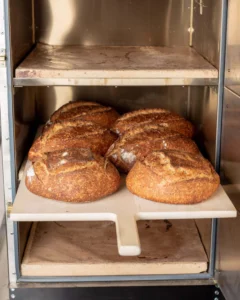
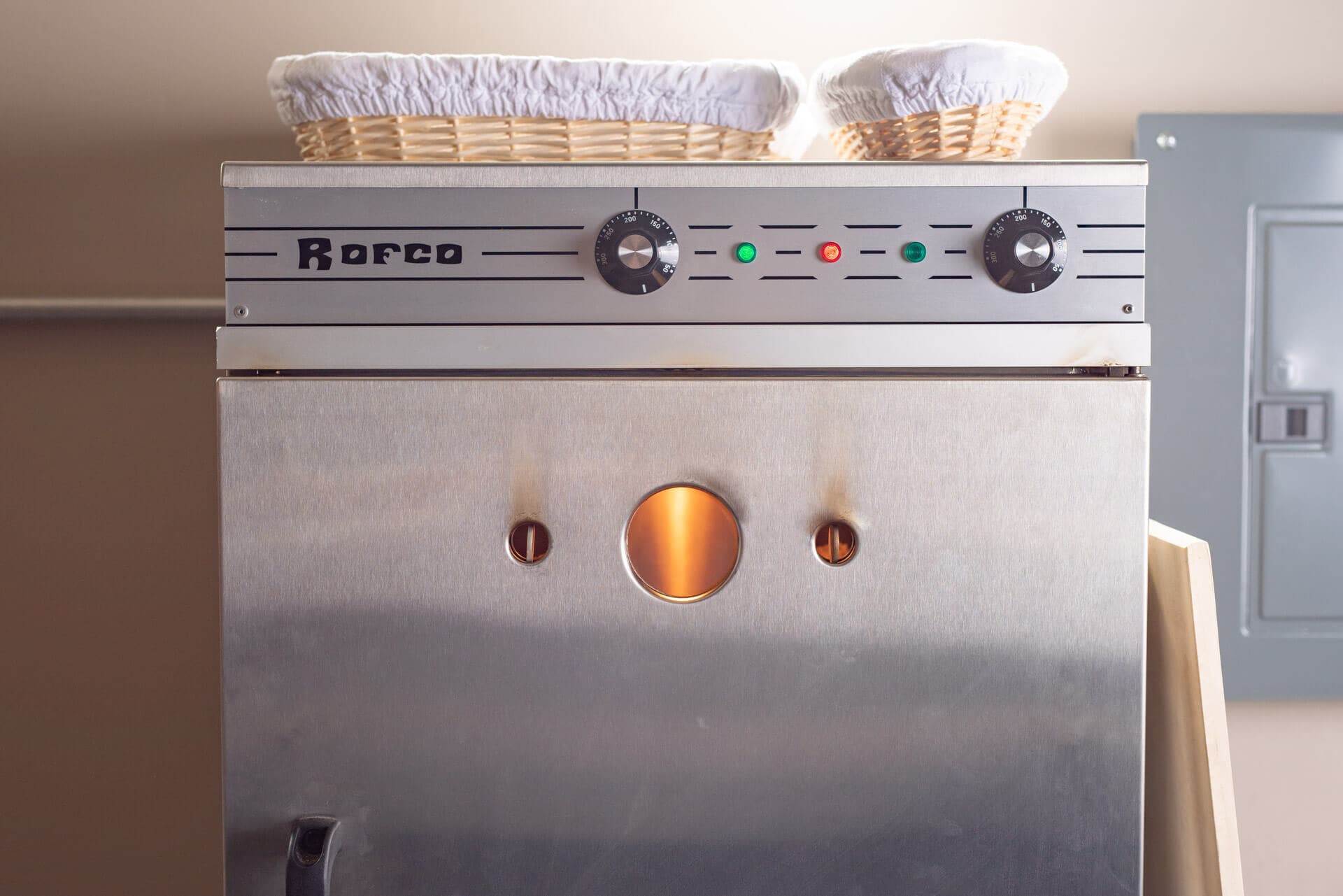
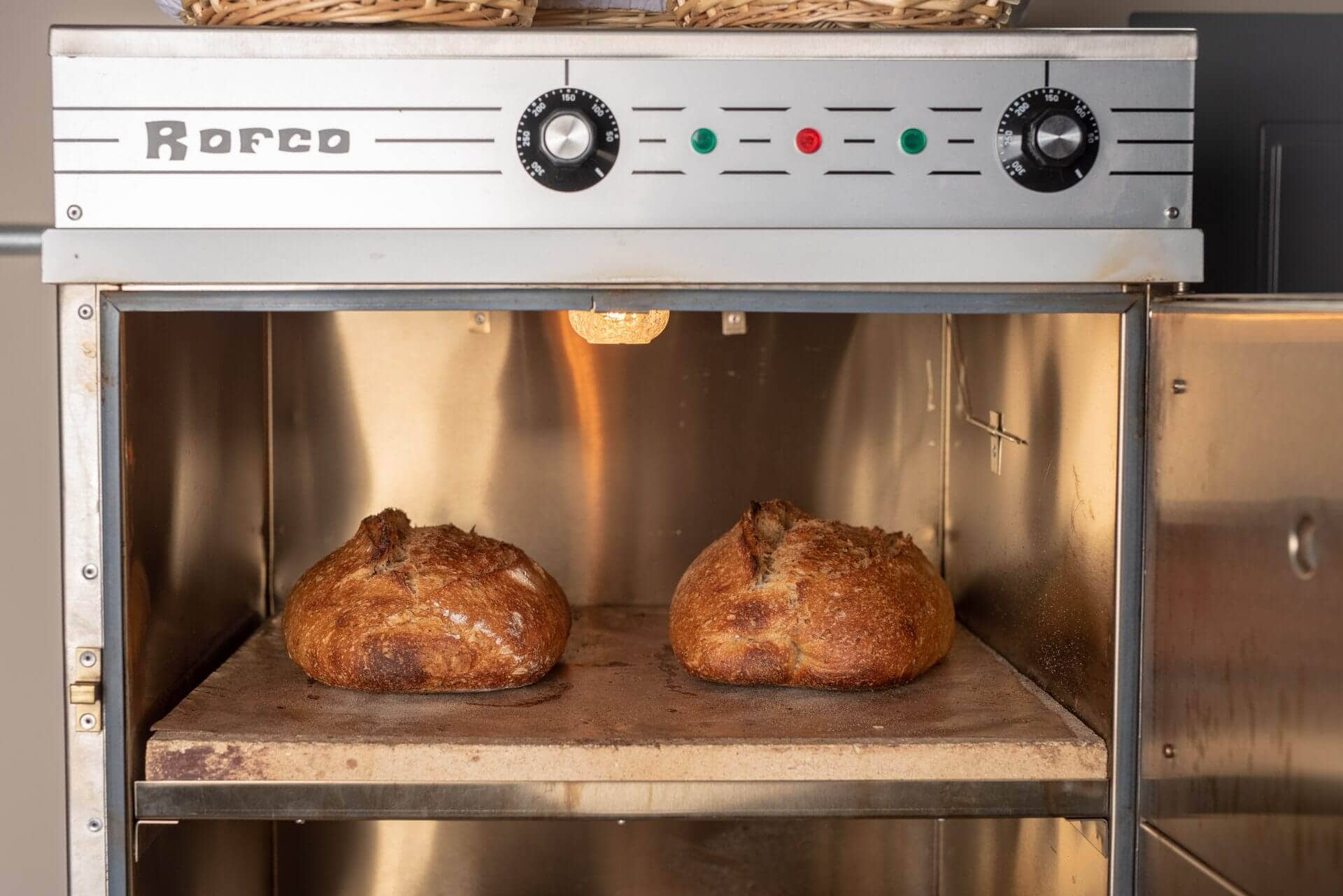
The Rofco is a testament to functional, no-nonsense engineering, originating from Belgium. These brick ovens are purpose-built for bread baking, offering a sealed oven chamber designed for optimal heat retention and consistent baking. The Rofco B40, the model under discussion, is the largest in the Rofco line, featuring three expansive square baking decks. Its construction prioritizes durability and performance, with minimal external heat radiation, allowing for placement in closer proximity to other kitchen appliances or walls than many traditional brick ovens.
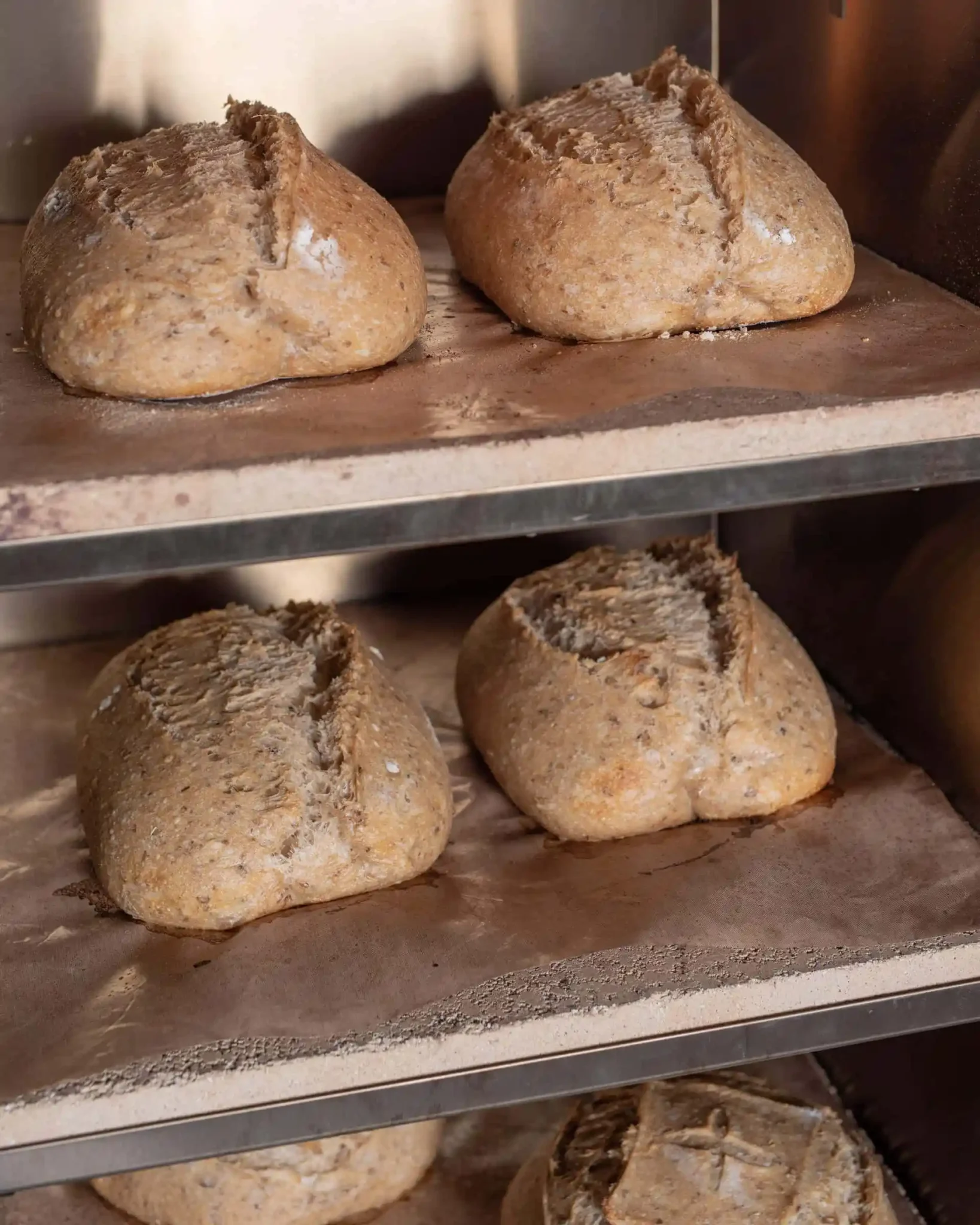
A key feature of the Rofco B40 is its three 1-3/8-inch thick chamotte deck stones. These refractory bricks are exceptional at absorbing and retaining heat, even after the oven door has been opened for loading. This significant thermal mass is crucial for maintaining stable temperatures throughout the baking process, especially when conducting multiple bakes in succession. The oven’s ability to hold heat for extended periods means that after a brief rest to regain full temperature, subsequent batches can be baked with minimal interruption.
Operationally, the Rofco B40 utilizes standard 220V AC single-phase power, a common requirement for many high-demand kitchen appliances in North America. Installation typically involves a dedicated electrical circuit, including a new receptacle and breaker, often requiring the expertise of a qualified electrician.
While capable of handling large-scale production for events and gatherings, the Rofco B40 is also highly practical for more frequent, smaller batches, such as baking 4-6 loaves. Its efficiency and reliability have earned it a reputation as a dependable workhorse in both home and professional settings. The author notes their positive experience purchasing the oven from Pleasant Hill Grain in the US, highlighting their exceptional customer service and responsiveness to inquiries and minor issues, though it is clarified that this guide is an independent assessment.
Recommendation: The Rofco Bread Oven
Without reservation, the Rofco bread oven receives a strong endorsement. For any baker looking to exceed the typical two-loaf capacity of a home oven, the Rofco presents a compelling solution. Its straightforward design, coupled with easily replaceable components and a consistent baking performance, makes it an outstanding choice for both dedicated home bakers and emerging professionals.
Optimizing Dough Placement for Even Baking
A critical aspect of maximizing the Rofco B40’s potential lies in strategically arranging dough on its three decks. This process can be likened to a real-life game of Tetris, where the objective is to fit the maximum number of loaves without them touching, while simultaneously ensuring uniform heat distribution. While extensive large-scale baking has not been the primary focus for the author, insights into common configurations for home baking are provided.
The Rofco B40 decks measure 18.9 inches by 18.9 inches. The diagrams illustrate typical layouts for batard-shaped loaves (represented by ovals) and boules (represented by circles). The most frequently employed arrangement involves baking two 900g batard loaves per deck.
Beyond free-form loaves, the Rofco B40 can accommodate several smaller buns, rolls, or even a large square pizza using the included square steel trays. These trays are particularly useful for baking items other than traditional bread, simplifying the transfer of multiple small items into the oven and containing any potential spills.
Steaming Techniques in the Rofco Oven
Effective steaming is crucial for achieving optimal oven spring and crust development in bread. While the Rofco oven’s sealed chamber is a significant advantage in retaining steam, it lacks integrated steam injection systems found in some professional ovens. Nevertheless, several manual methods can be employed to introduce sufficient steam.
For bakers familiar with steaming techniques in conventional ovens, the Rofco presents a slightly different challenge and opportunity. The sealed nature of the Rofco means that any steam introduced will be effectively trapped, contributing to a robust steaming environment.
High-Pressure Sprayer Method
The author’s preferred method involves a commercial-grade pressure sprayer. Setting the nozzle to a fine mist and filling the sprayer with water, the process begins before loading the dough. After pressurizing the sprayer, the baker proceeds to load the dough. Starting with the bottom deck, a 10-12 second spray is applied to the deck and its immediate surroundings. This is repeated for the middle and top decks. Caution is advised to avoid spraying the glass-enclosed light fixture, as rapid temperature changes can cause the glass to crack. Immediately before closing the oven door fully, a second round of spraying is applied to each deck.

Venting steam is accomplished by carefully opening the oven door, allowing the initial rush of steam to dissipate before looking inside. The two circular vents on the door are then tilted to their open position.
Steam Pods
An optional accessory for the Rofco ovens are rectangular steel steam pods. These are designed to be preheated within the oven and then filled with water or ice cubes to generate steam. While effective, these pods occupy valuable deck space, making them less ideal for bakers who prioritize maximizing the number of loaves baked per session. The steam generated by these pods is substantial, but the author finds the pressure sprayer method more practical due to space constraints. Venting steam with this method involves opening the circular vents once the water in the pods has evaporated.
The Rofco Baking Process: From Start to Finish
The process of baking in a Rofco oven is one of continuous refinement, with bakers often adjusting times, temperatures, and minor procedural elements based on dough characteristics and desired outcomes. While specific doughs may necessitate variations, a general process has been established for most formulas.
The Rofco B40 features two control knobs: one for the top heating element and another for the bottom. Indicator lights illuminate when each respective element is active.
The preheating phase is critical. With the oven empty and both vents and door closed, both control knobs are set to 240°C (482°F). A preheating duration of 1.5 hours is recommended to ensure the deck stones are thoroughly saturated with heat.

Once preheated, the loading process begins. A pizza peel is placed on a nearby table, topped with a silicone baking sheet. Two additional silicone sheets are prepared in an assembly line. Dough is gently turned out onto each sheet, scored, and then transferred to the oven using the peel. This methodical loading ensures minimal heat loss.
The baking process itself can be broken down into distinct stages:
| Step | Description | Temperature | Duration |
|---|---|---|---|
| 1 | Preheat oven (door closed, vents closed) | 240°C (482°F) | 1 hour 30 minutes |
| 2 | Bake with steam | 150°C (302°F) | 20 minutes |
| 3 | Vent steam (briefly open door, open vents) | 220°C (428°F) | 10 minutes |
| 4 | Bake (reshuffle loaves if needed) | 150°C (302°F) | 20-30 minutes |
Upon completion of the bake, loaves are removed using the peel and placed on wire racks to cool. The oven is then either turned off or preheated to 240°C if subsequent batches are planned.
Essential Tools for Rofco Baking
Several tools significantly enhance the Rofco baking experience:
Commercial-Strength Sprayer for Steam
For those opting against steam pods, a high-quality sprayer is indispensable. Electric spray bottles have emerged as a superior alternative to traditional hand-pump models, offering a more consistent and powerful mist with the simple press of a button. This allows for efficient steam injection into the Rofco chamber.
Oven Equipment Stand
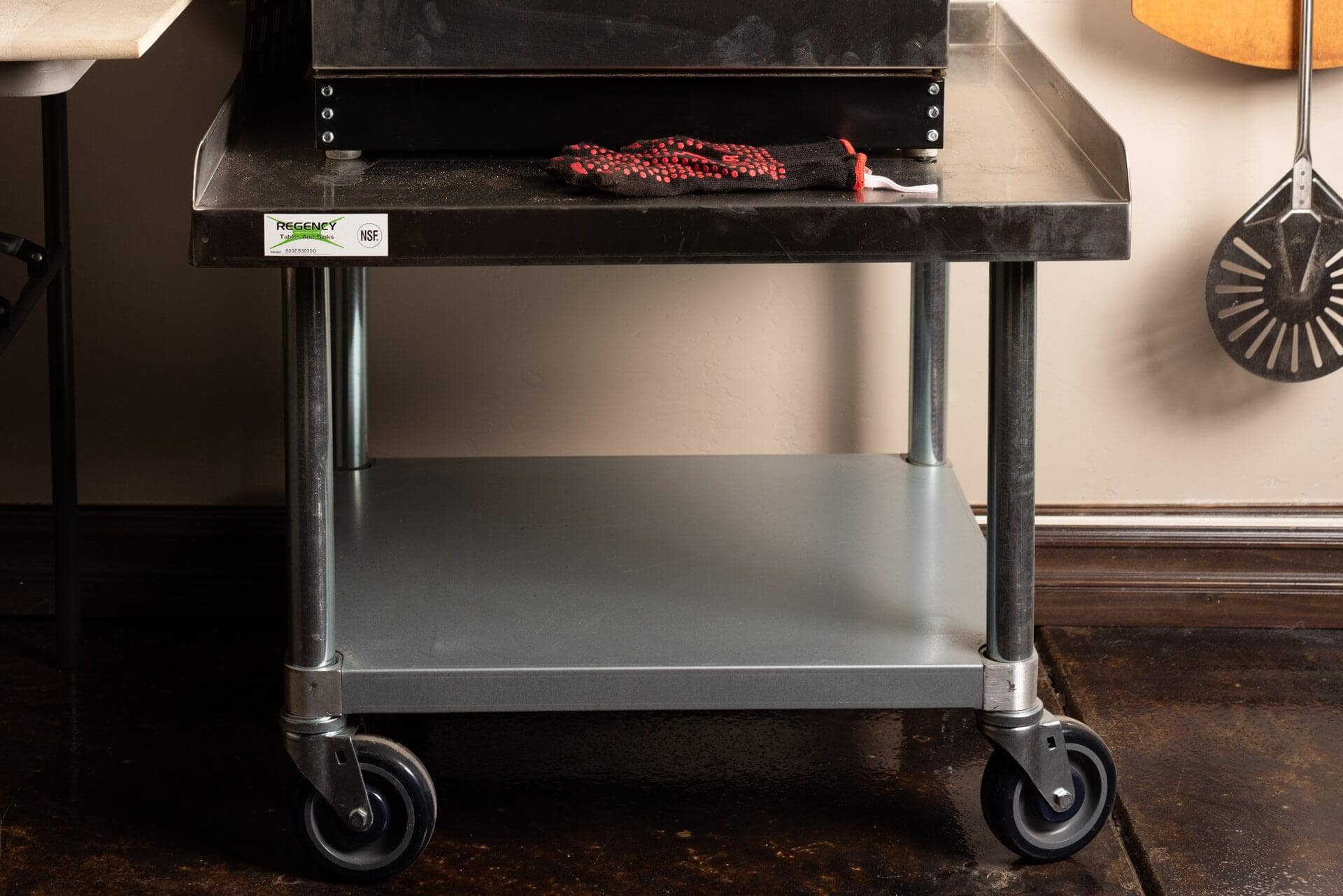
Elevating the Rofco oven can improve ergonomics and accessibility. Custom-cut stainless steel equipment stands, such as those from WebstaurantStore, provide a sturdy platform. Modifying the leg height to approximately 20 inches offers a comfortable working height for loading and unloading. The addition of locking casters can provide mobility, although they may slightly impact overall structural rigidity. Careful measurement of leg heights is essential if casters are omitted.
Large Wooden Peel
While the Rofco B40 includes square steel trays, many bakers find a large wooden pizza peel to be a more versatile and user-friendly tool. A peel with a width matching the Rofco decks (approximately 18 inches) is ideal. The peel facilitates the smooth transfer of silicone sheets with dough into and out of the oven. Its lightweight nature and durability contribute to an efficient workflow.
Tips and Tricks for Rofco Oven Baking
Drying Proofing Baskets (Bannetons)
A clever post-baking utility of the Rofco is its ability to dry proofing baskets. After unloading dough onto silicone sheets, placing damp bannetons inside the warm oven for a short period effectively expedites the drying of liners and canvas, preventing mold growth and allowing for quicker storage.
The Path Forward: Continued Learning and Equipment Integration
The initial stages of baking with a new piece of equipment like the Rofco B40 may see a slight dip in baking quality as the baker adapts to its unique characteristics. It is recommended to select a straightforward sourdough recipe and practice it consistently until a strong command of the new process is established. For those in the market for a Rofco, Pleasant Hill Grain is frequently cited as a reputable vendor.
For bakers seeking to further professionalize their operations, integrating equipment such as the Famag spiral dough mixer, capable of handling substantial dough batches, or the Ooni Halo Pro Spiral Mixer for smaller test batches, can be considered. For those requiring even greater baking capacity than the Rofco B40, larger ovens like the RackMaster 2020 Bread Oven offer expanded deck sizes. Mastering these tools, alongside the Rofco, represents a significant step in the evolution of a dedicated bread baker.