
For those seeking to elevate their pierogi experience, a world of complementary flavors and textures awaits. As a classically trained chef with roots in a Polish-American family from New Jersey, I’ve explored countless pairings for these beloved half-moon dumplings since childhood. This comprehensive guide offers practical and accessible side dish suggestions, suitable for even novice cooks, designed to enhance every pierogi filling, from savory potato and cheese to sweet fruit varieties. The key, however, lies in considering the pierogi’s primary stuffing before selecting its culinary companions.
The Enduring Appeal of Pierogi: A Culinary Tradition
Pierogi, a staple of Central and Eastern European cuisine, particularly in Poland, have transcended their regional origins to become a cherished comfort food in many households. These delicate dumplings, typically filled with a variety of ingredients and then boiled or pan-fried, offer a versatile canvas for both sweet and savory applications. Their popularity is deeply rooted in cultural traditions, often served during holidays, family gatherings, and as a hearty everyday meal. The act of preparing and sharing pierogi is frequently associated with familial bonds and culinary heritage.
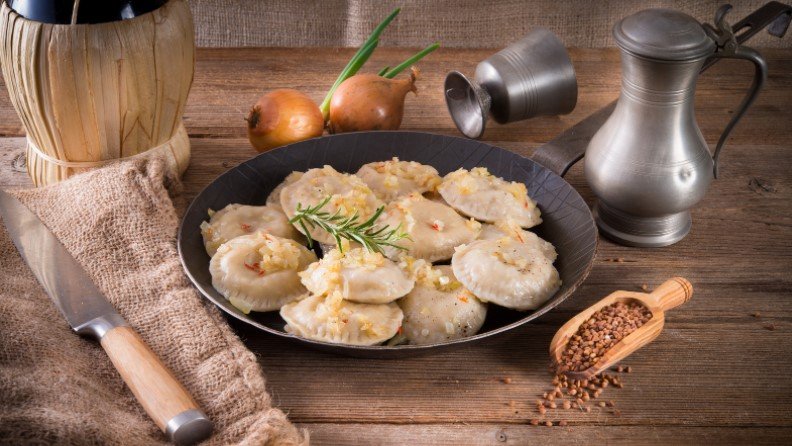
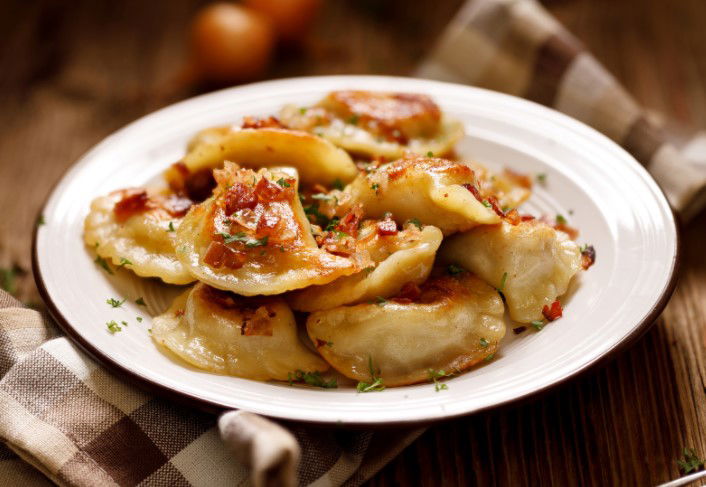
Historically, pierogi fillings varied based on regional availability of ingredients and local customs. Common savory fillings include mashed potatoes (often with cheese), sauerkraut, mushrooms, and various meats. Sweet versions frequently feature fruits like blueberries, strawberries, or sweetened cheese, making them suitable for dessert or breakfast. The preparation method also plays a significant role in their final taste and texture; boiling offers a soft, tender dumpling, while pan-frying, often in butter, imparts a delightful crispiness and golden hue.
Essential Accompaniments: Time-Tested Pairings
1. The Ubiquitous Sour Cream: A Cool Counterpoint
Sour cream stands as the quintessential accompaniment to pierogi, transforming a simple pan-fried dumpling into a satisfying and complete dish. Its cool, tangy creaminess provides a perfect foil to the richness of the pierogi, especially those pan-fried to a golden crisp. Even when serving with additional sides, a generous dollop of sour cream is almost always a welcome addition, offering a refreshing contrast that balances the palate. Its versatility extends to complementing a wide range of fillings, from hearty potato and cheese to lighter fruit-based options.
The science behind this pairing lies in the concept of flavor balance. The slight acidity in sour cream cuts through the fat and starch, preventing the dish from feeling too heavy. This principle is fundamental in many culinary traditions, where a creamy, slightly acidic element is used to brighten and lighten richer dishes.
2. Sautéed Onions: A Sweet and Savory Harmony
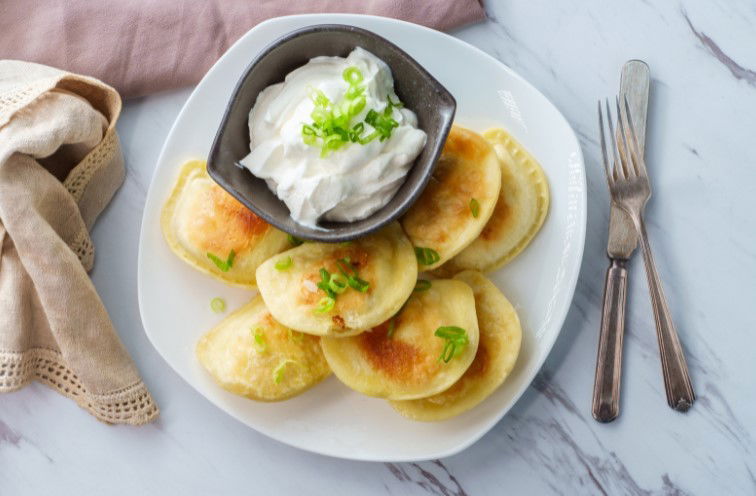
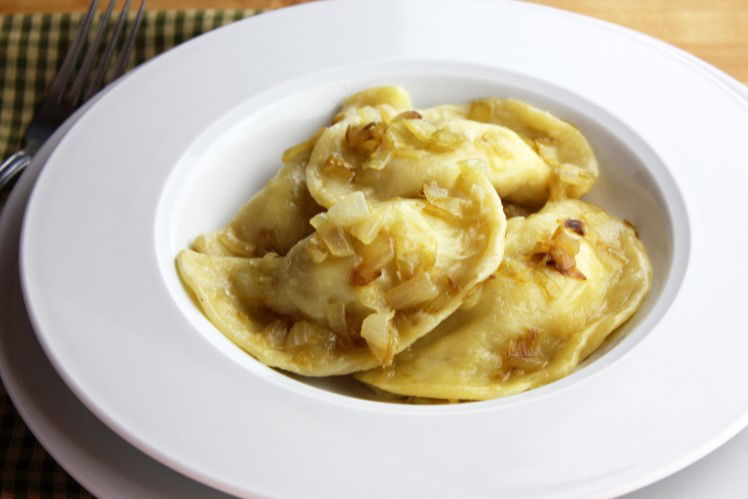
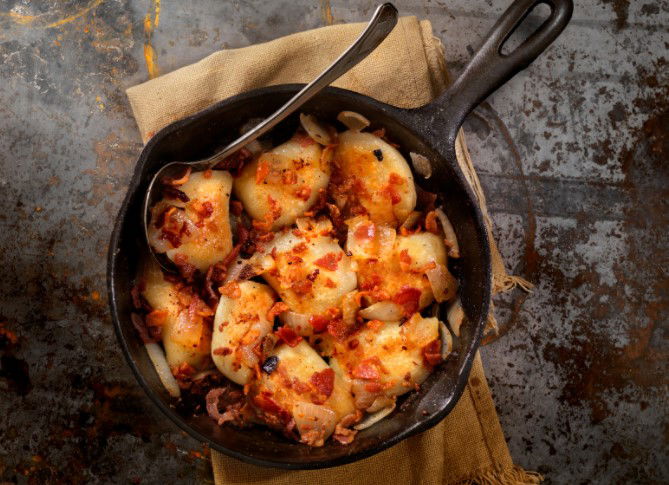
Onions, much like sour cream, are an "always" side for pierogi, particularly when the dumplings are pan-fried. Sautéed onions offer a delightful sweetness that caramelizes as they cook, creating a rich, buttery flavor profile. This sweetness harmonizes beautifully with the savory notes of traditional pierogi fillings. The combination of sweet, caramelized onions and tangy sour cream atop warm, crusty pierogi is a culinary masterpiece, a testament to simple yet profound flavor combinations.
The preparation is straightforward: thinly sliced onions can be sautéed in butter or the reserved fat from cooking bacon or sausage. For a quicker version, sauté until tender and slightly browned. For a more complex flavor, slow-cooking the onions allows their natural sugars to fully caramelize, resulting in a jammy, intensely sweet condiment. This method is often referred to as "Frenching" onions, a technique that draws out their inherent sweetness.
3. Brown Butter and Herbs: An Elegant Elevation
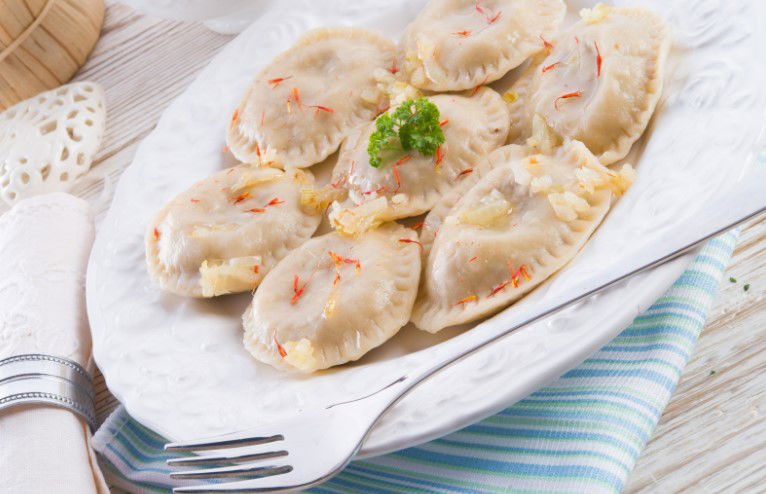
Elevating pierogi to a more refined experience can be achieved with a simple yet sophisticated brown butter sauce infused with fresh herbs. This versatile topping adds a nutty depth and aromatic complexity that complements nearly any pierogi filling. While the process of browning butter might seem daunting, it is remarkably simple and yields a complex flavor profile by toasting the milk solids within the butter.
To achieve this, melt butter in a heavy-bottomed pan over medium heat, stirring continuously. As the butter melts, it will foam and then gradually turn a rich golden brown. The key is to watch closely to prevent burning. During the foaming stage, fresh herbs like parsley, chives, or dill can be added, releasing their fragrant oils into the browned butter. This technique transforms a humble ingredient into a flavor enhancer, offering a gourmet touch with minimal effort. The Maillard reaction, responsible for the browning of the milk solids, creates hundreds of new flavor compounds, lending a distinct nutty and toasty character.
Pro-Tip: For an exceptionally decadent experience, consider combining these elements. Start by sautéing onions, set them aside, then prepare the brown butter and herb sauce. Fry your pierogi until golden and serve them topped with a medley of sautéed onions and the fragrant brown butter sauce. This layered approach creates a symphony of textures and tastes.
4. Cabbage or Brussels Sprouts and Bacon: Hearty and Flavorful
For those seeking a more substantial side that doesn’t involve cooking an entire protein, cabbage or Brussels sprouts prepared with bacon offer a robust and satisfying option. The rendered fat from the bacon acts as a flavorful cooking medium for the vegetables, infusing them with a smoky depth. This combination can be served alongside the pierogi or used as a topping, adding both texture and savory richness.
The preparation involves crisping bacon in a pan, then using a portion of the reserved bacon grease to sauté shredded cabbage or halved Brussels sprouts. This technique not only adds flavor but also provides a delightful textural contrast to the soft pierogi. The slight bitterness of the greens, balanced by the salty, smoky bacon, creates a well-rounded flavor profile. This pairing is particularly well-suited for hearty, savory pierogi fillings.
5. Kielbasa: A Polish Sausage Staple
Kielbasa, a traditional Polish sausage, is a natural and hearty companion to pierogi. Whether boiled or sliced and pan-fried, kielbasa offers a substantial protein element that rounds out a meal. Its availability in most grocery stores makes it an accessible choice for a satisfying accompaniment.
A particularly beloved preparation involves slicing kielbasa into medallions, frying them until browned, and then tossing them with jarred apricot preserves. The sweet and savory glaze that forms is a delightful counterpoint to the salty sausage and can be served alongside or even drizzled over the pierogi. This sweet and savory combination is a testament to the culinary ingenuity often found in home cooking, creating a complex flavor profile from simple ingredients.

Pro-Tip: To prepare kielbasa with apricot preserves, bake the sliced sausage and preserves at 400°F (200°C) for approximately 15-20 minutes, or until the preserves are melted and warmed through. The resulting sweet and salty sauce is an excellent complement to pierogi.
6. Pork: A Versatile Protein Powerhouse
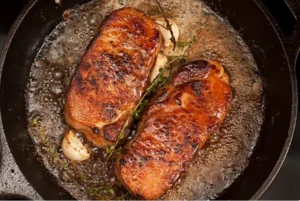
Pork, in its many forms, is a highly compatible partner for pierogi. From crispy bacon and tender pork chops to succulent seared pork tenderloin, fried pork cracklings, or slow-cooked pulled pork, the versatility of pork makes it an excellent choice for rounding out a pierogi meal. Pork and sausages are historically among the most common proteins served with pierogi, often forming the centerpiece of a traditional Polish Sunday dinner alongside sauerkraut.
The advantage of cooking pork in the same pan used for pierogi lies in the utilization of rendered fat and flavorful browned bits, adding an extra layer of richness to both components. For those seeking a fusion of flavors, combining traditional Polish pierogi with a slow-roasted, marinated pork shoulder, such as Puerto Rican Pernil, offers a unique and delicious culinary experience. The crispy skin of the Pernil, paired with the soft pierogi and caramelized onions, creates a textural and flavorful contrast that is deeply satisfying.
7. Braised Meats: Tender Delights for a Complete Meal
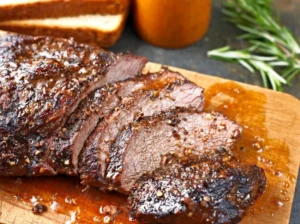
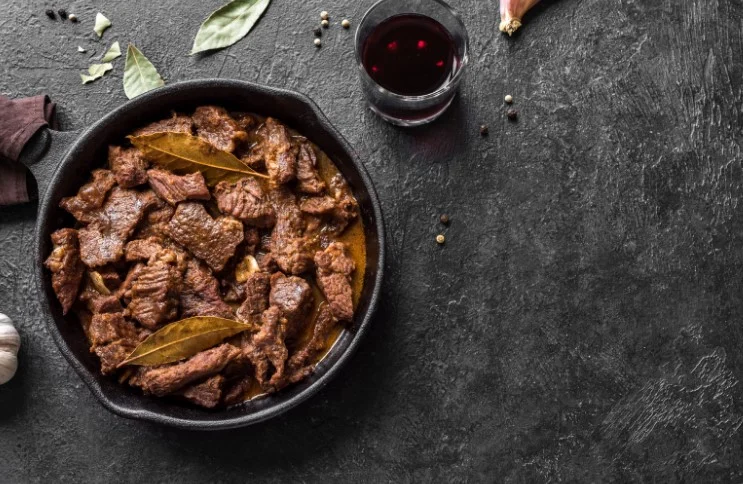
When pierogi are intended to be a side dish rather than the main event, braised meats offer a luxurious and tender accompaniment. Cuts like chuck roast, pork shoulder or ribs, or lamb shank, when braised low and slow in liquid after an initial sear, become incredibly tender and flavorful. This cooking method locks in moisture and develops deep, rich flavors that pair beautifully with the delicate dumplings.
Braised meats provide a complete protein element that, when served with steamed vegetables, transforms pierogi into a balanced and elegant meal. The slow braising process allows connective tissues in tougher cuts of meat to break down, resulting in a melt-in-your-mouth texture. This method is ideal for preparing make-ahead meals, as braised meats often improve in flavor upon reheating.
Pro-Tip: Chuck roast is a cost-effective choice for braising, yielding a significant amount of tender meat. Both braised beef and pierogi store well in the refrigerator and are excellent for meal prepping, making them ideal for busy weeknights.
Frequently Asked Questions About Pierogi
-
How are pierogies traditionally served?
Traditionally, pierogi are pan-fried and served with a topping of melted butter and sautéed onions. This simple preparation highlights the dumpling’s texture and filling. -
Do you have to boil pierogies before frying them?
Pre-boiling is generally only necessary for frozen pierogi to ensure they cook through evenly. Fresh or thawed pierogi can be fried directly, developing a beautiful crisp exterior. -
What do you dip pierogies in?
Pierogies are delicious when dipped in melted butter or sour cream. These classic accompaniments offer a rich or tangy contrast to the dumpling.
The art of pairing side dishes with pierogi is about creating a harmonious balance of flavors and textures. Whether you opt for the simple elegance of sour cream and onions or the hearty satisfaction of kielbasa and pork, these suggestions, rooted in culinary tradition and practical application, are sure to elevate your pierogi dining experience. The enduring appeal of these dumplings lies not only in their deliciousness but also in the cultural connections and comforting memories they evoke, making them a truly special dish for any occasion.