
The transition from a standard kitchen appliance to specialized commercial-grade equipment marks a significant milestone for dedicated home bakers. As production scales from serving immediate family to supplying local farmers’ markets, neighborhood gatherings, or nascent micro-bakeries, standard residential ovens quickly reveal their limitations in thermal mass, spatial capacity, and steam retention. For many artisanal bakers, this evolutionary step culminates in the acquisition of a European-engineered deck oven, most notably the Belgian-manufactured Rofco series. Designed specifically for bread production, these compact brick ovens have transformed the landscape of advanced home baking by bringing professional-level hearth baking into residential spaces.
Understanding the Rofco Bread Oven Infrastructure
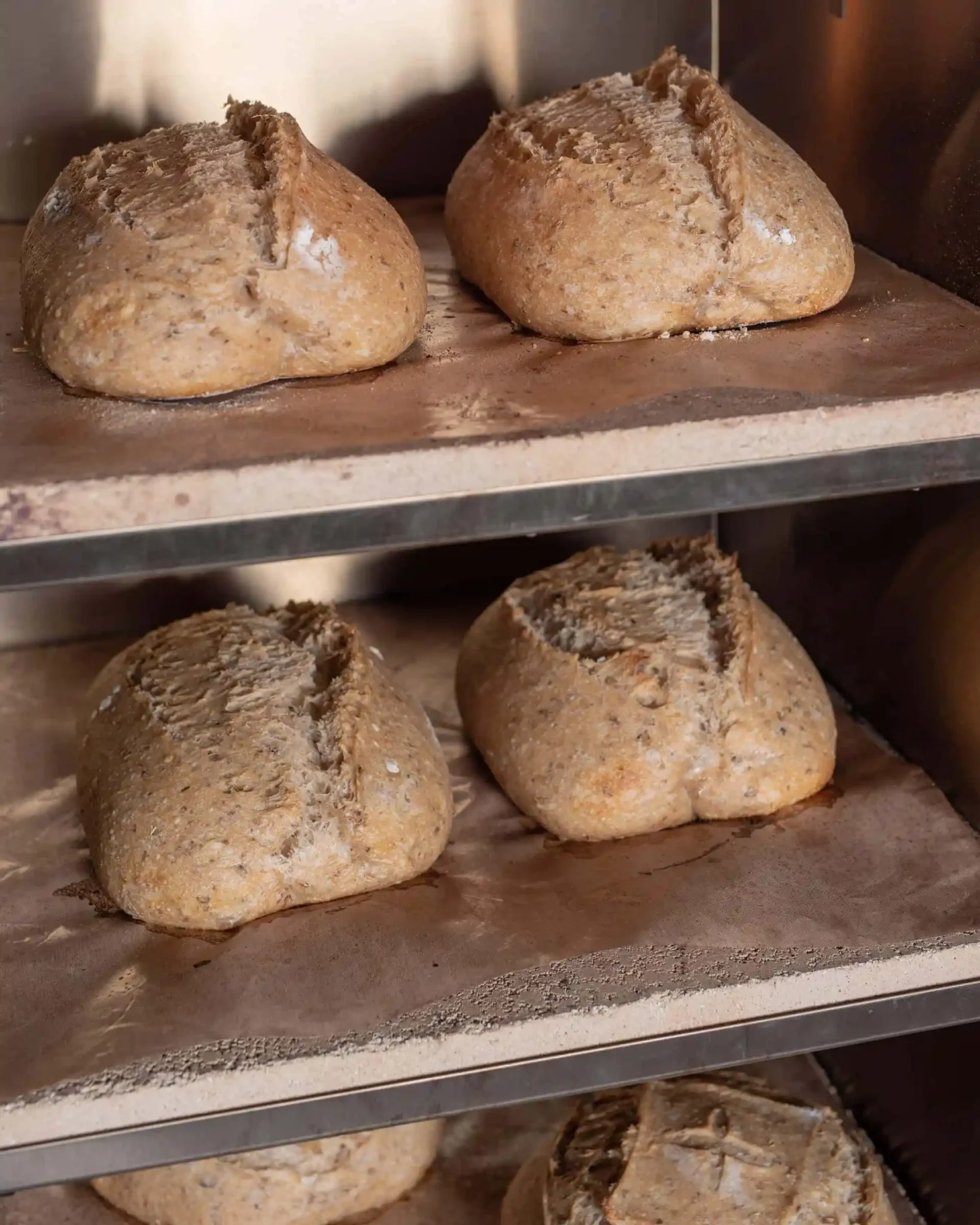
At the center of this baking evolution is the Rofco B40, the largest variant in the manufacturer’s line, featuring three independent square baking decks. Unlike standard convection or radiant domestic ovens, the Rofco utilizes thick chamotte deck stones—specialized refractory bricks measuring roughly 1.375 inches in thickness. These dense ceramic surfaces possess exceptional thermal inertia, allowing them to absorb and retain high levels of thermal energy during the preheating phase. This high thermal mass ensures that when the oven door is opened and cold dough is loaded, the decks experience minimal temperature drop, facilitating rapid spring and even bottom crust development.
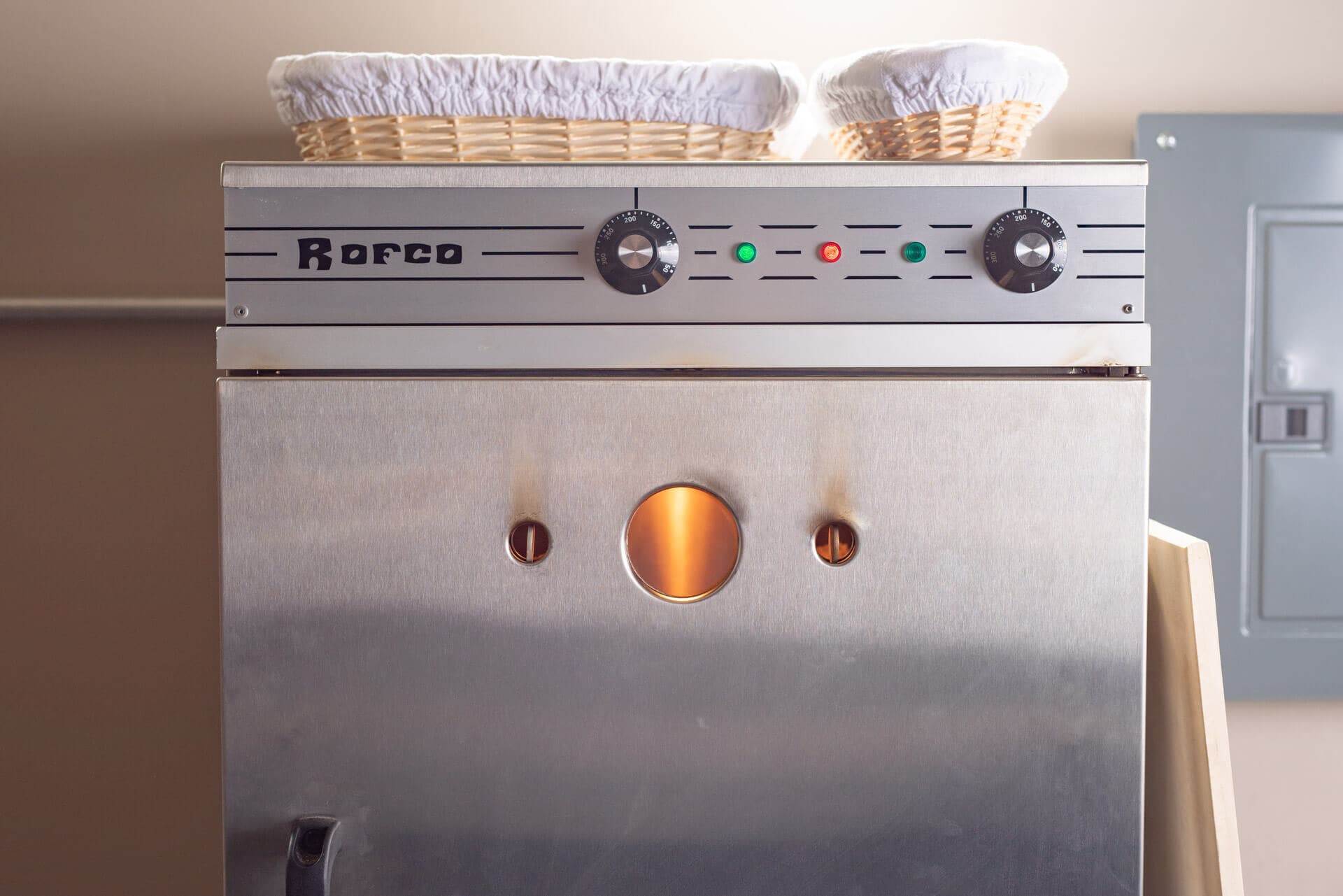
From an infrastructural standpoint, integrating the B40 into a residential setting requires specific electrical accommodations. The unit operates on a standard 220V AC single-phase electrical circuit, utilizing a 6-20P cord plug and a matching 6-20R receptacle. Bakers typically enlist licensed electricians to install dedicated breakers and heavy-duty receptacles capable of handling the continuous high-draw demands of the heating elements.
Furthermore, because the Rofco features a heavily insulated, sealed baking chamber with minimal external radiant heat, it can be positioned safely near kitchen walls or other cabinetry without posing a fire hazard. Retailers specializing in heavy-duty culinary equipment, such as Pleasant Hill Grain in the United States, note a consistent rise in inquiries and purchases of these specialized units from advanced hobbyists seeking commercial performance without transitioning to a commercial facility.
Technical Optimization: Dough Layout and Spatial Management
Maximizing the output of a three-deck Rofco oven requires strategic spatial planning, frequently likened to a physical puzzle. Each deck in the B40 model measures precisely 18.9 inches by 18.9 inches, offering a finite surface area that must be optimized to prevent adjacent loaves from fusing together during the oven spring phase.
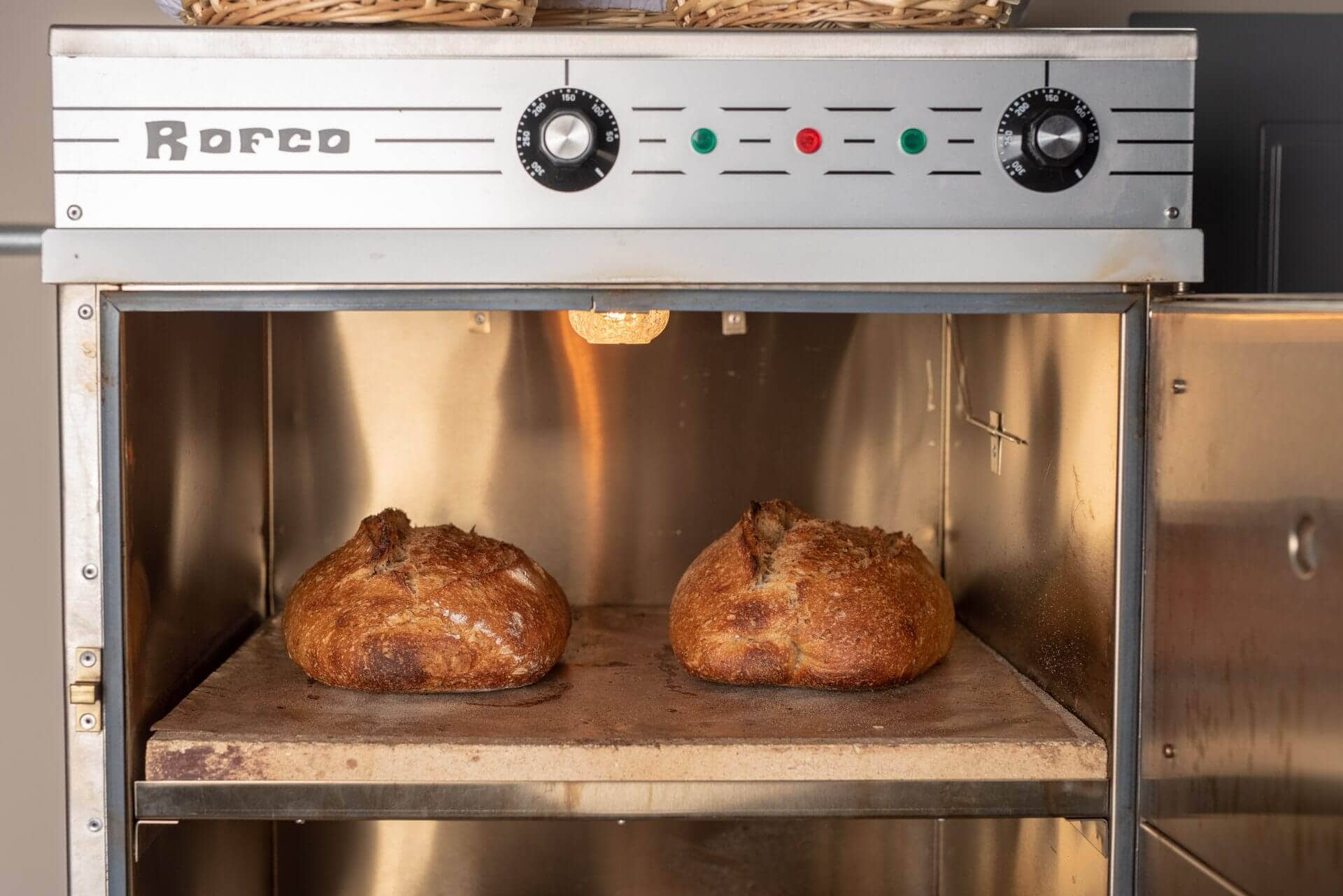
Bakers generally adhere to three primary configurations depending on loaf size and shape. For standard oblong batards weighing approximately 900 grams each, a two-loaf arrangement per deck is the industry standard, allowing adequate lateral expansion room. Alternatively, bakers producing round boules can comfortably fit two 800-gram loaves per deck. For smaller formats, such as rolls, buns, or specialty pastries, up to 700 grams of divided dough can be accommodated per deck using the included square steel baking trays, which also serve to contain spills and simplify the loading process.
Achieving Professional Steam Dynamics in a Sealed Chamber
In artisanal bread baking, the introduction of steam during the initial phase of the bake is critical for delaying crust formation, thereby allowing the loaf to achieve maximum volume and a glossy, blistered exterior. While commercial deck ovens feature automated steam-injection systems activated by a single button, the Rofco relies on manual intervention within its sealed chamber.
Because the unit lacks an active exhaust fan during the initial baking phase, ambient moisture remains trapped until the operator explicitly opens the integrated brass or stainless steel circular door vents. To introduce sufficient moisture, bakers generally employ one of two methods: commercial-grade high-pressure sprayers or optional internal steam pods.

The high-pressure spraying technique involves utilizing an electric or hand-pumped sprayer filled with water, adjusted to a fine mist. Upon loading the dough, the operator applies a measured burst of moisture directly onto the interior walls and decks across all three levels—taking meticulous care to avoid direct contact with glass light fixtures, which are vulnerable to thermal shock.
Conversely, the optional Rofco steam pods—heavy steel rectangular boxes positioned on the lateral edges of each deck—can be preheated and subsequently flooded with water or ice cubes to generate rapid, sustained steam. While effective, these pods consume valuable lateral baking space, leading many high-volume home bakers to favor external high-pressure misters to preserve maximum hearth real estate.
Standardized Baking Chronology and Thermal Parameters
Operating a Rofco oven demands a strict, repeatable timeline to account for the thermal recovery rates of the chamotte stones. A typical baking cycle begins with an empty oven preheat phase lasting approximately 90 minutes at a set point of 240°C (464°F), ensuring the refractory bricks are thoroughly saturated with heat.

Once preheated, dough is transferred via a custom-sized wooden or composite peel—matching the 18-inch width of the B40 decks—using specialized silicone baking sheets as a transfer medium. The standardized multi-stage baking protocol typically follows a precise sequence:
- Preheat Phase: The oven is brought to 240°C with the door and circular door vents tightly closed for 1 hour and 30 minutes.
- Initial Steam Bake: Loaves are loaded, the chamber is misted with water, and the temperature is adjusted to 150°C for the first 20 minutes to encourage maximum oven spring under high humidity.
- Steam Venting: The operator briefly cracks the door to exhaust residual steam and manually swivels open the circular door vents, raising the thermostat to 220°C for approximately 10 minutes to set the crust structure.
- Final Bake: The temperature is returned to 150°C for a duration of 20 to 30 minutes, allowing the interior crumb to fully gelatinize and dehydrate while the crust develops its final coloration.
Following the bake, the loaves are extracted, and auxiliary workflows can be integrated into the residual heat of the cooling oven. Many bakers utilize the warm interior cavity at the end of a session to rapidly dry out damp canvas bannetons and proofing baskets, effectively preventing mold proliferation and maintaining strict kitchen hygiene standards.
Broader Industry Implications and the Rise of Nano-Bakeries
The growing popularity of commercial-grade residential ovens like the Rofco reflects a broader structural shift in the modern food economy. The proliferation of cottage food laws across various jurisdictions, combined with consumer demand for hyper-local, traditionally fermented sourdough, has catalyzed the expansion of "nano" and micro-bakeries operating out of residential properties.
Industry analysts observe that equipment manufacturers are increasingly tailoring commercial-grade technology—ranging from deck ovens to spiral mixers produced by brands like Famag and Ooni—for residential electrical and spatial footprints. This democratization of professional baking equipment reduces the capital barrier to entry for culinary entrepreneurs. Rather than leasing commercial real estate and purchasing heavy industrial plant machinery, bakers can scale production incrementally from domestic kitchens.
However, transitioning to high-capacity home ovens is not without its operational challenges. Culinary educators emphasize that mastering a deck oven requires a steep learning curve regarding thermal management, dough scheduling, and spatial logistics. Variations in flour composition, ambient room humidity, and fermentation temperature can significantly alter outcomes when scaling up batch sizes from two loaves to twelve or more.
Conclusion and Future Outlook
For the dedicated home baker, investing in a specialized deck oven represents a permanent commitment to craft advancement. While initial adjustments to steam application, loading techniques, and thermal profiling are inevitable, the resulting consistency, crust quality, and volumetric expansion justify the transition. As the micro-bakery movement continues to mature, appliances bridging the gap between domestic utility and industrial performance will undoubtedly remain foundational to the evolution of contemporary artisanal baking.