
The landscape of domestic food preservation is undergoing a significant transformation as health-conscious consumers and culinary enthusiasts move away from traditional, high-sugar recipes toward scientifically validated, low-sugar alternatives. At the forefront of this shift is the production of home-canned raspberry jam utilizing Pomona’s Pectin, a specialized citrus-based pectin that enables gelling without the massive quantities of sugar required by conventional products. This evolution in home canning represents a broader trend in food science where the focus has shifted from mere caloric density to nutritional integrity and the preservation of the natural flavor profiles of seasonal produce.
The Technical Evolution of Pectin in Home Preservation
To understand the significance of the low-sugar raspberry jam methodology, one must first examine the chemical nature of pectin. Traditional pectins, found in most grocery stores, are high-methoxyl pectins. These require a high concentration of sugar (usually 55% to 85% by weight) and a specific acidic environment to form a gel. Without these precise conditions, traditional jam remains liquid. However, the use of Pomona’s Pectin, which is a low-methoxyl pectin, relies on a calcium reaction rather than sugar concentration to achieve a set. This allows for the creation of jams that are either entirely sugar-free or sweetened with alternative agents such as honey, stevia, or concentrated fruit juices.
The move toward calcium-activated gelling agents has revolutionized the capabilities of the home canner. By decoupling the preservation process from sugar content, individuals can now process raspberries—a fruit prized for its high antioxidant content and delicate flavor—without masking its natural tartness with excessive sweeteners. This technical flexibility is particularly relevant in a modern health context where reducing refined sugar intake is a primary dietary goal for millions.
Methodological Overview and Procedural Rigor
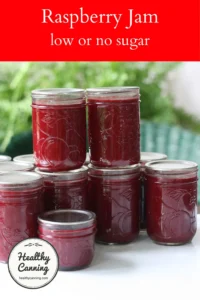
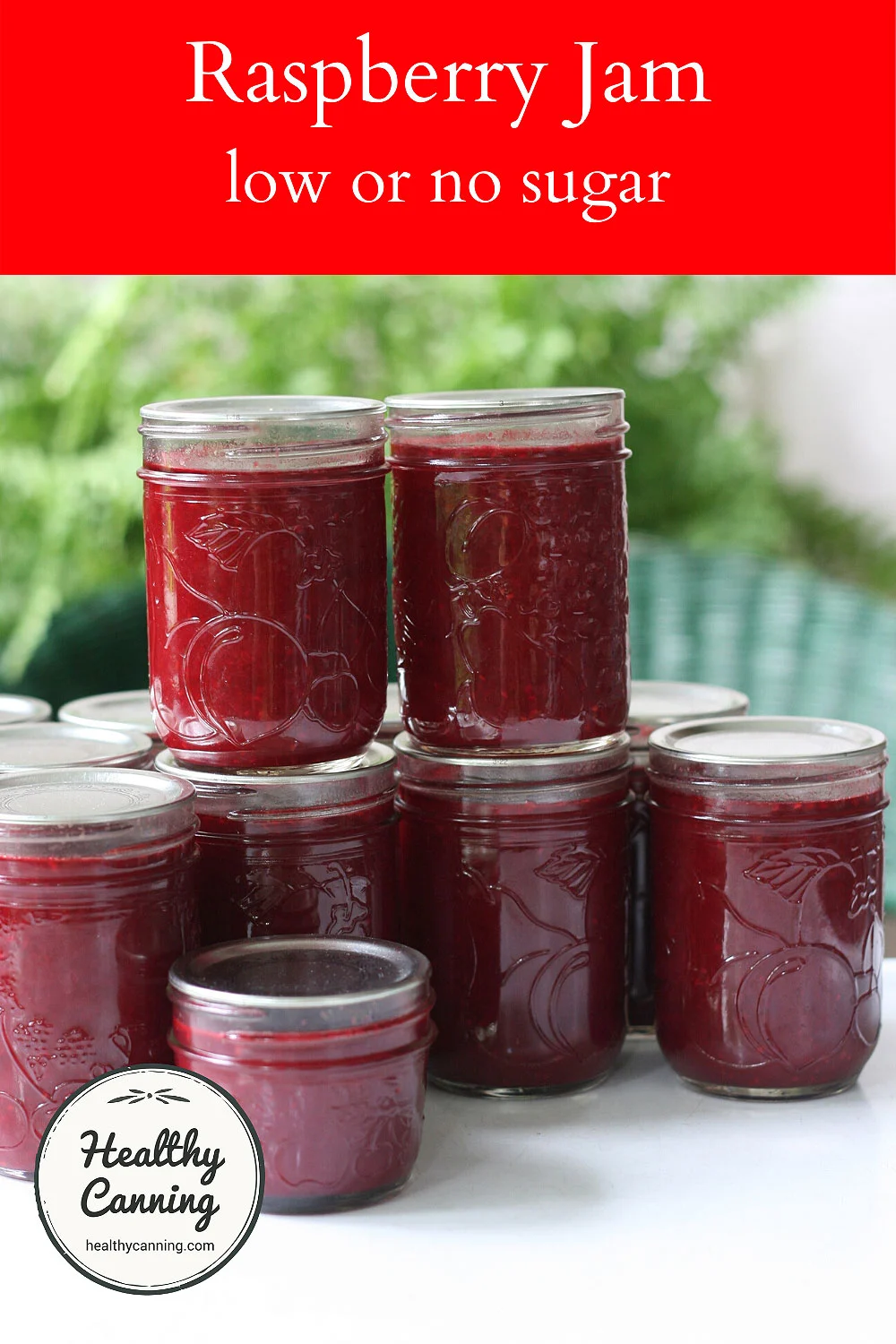
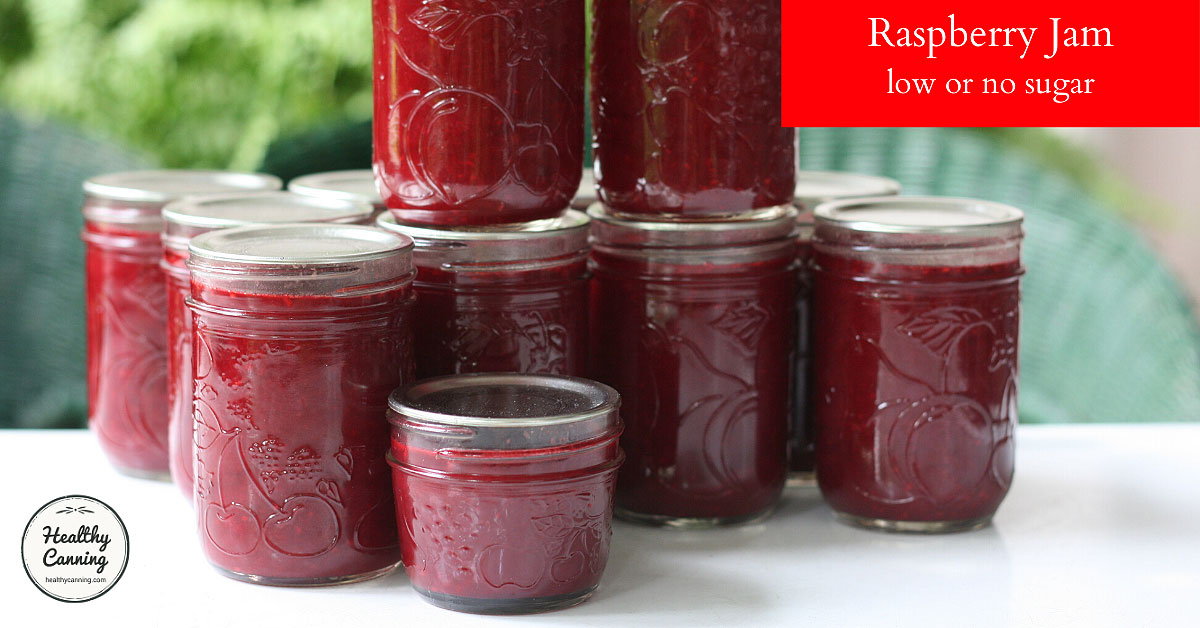
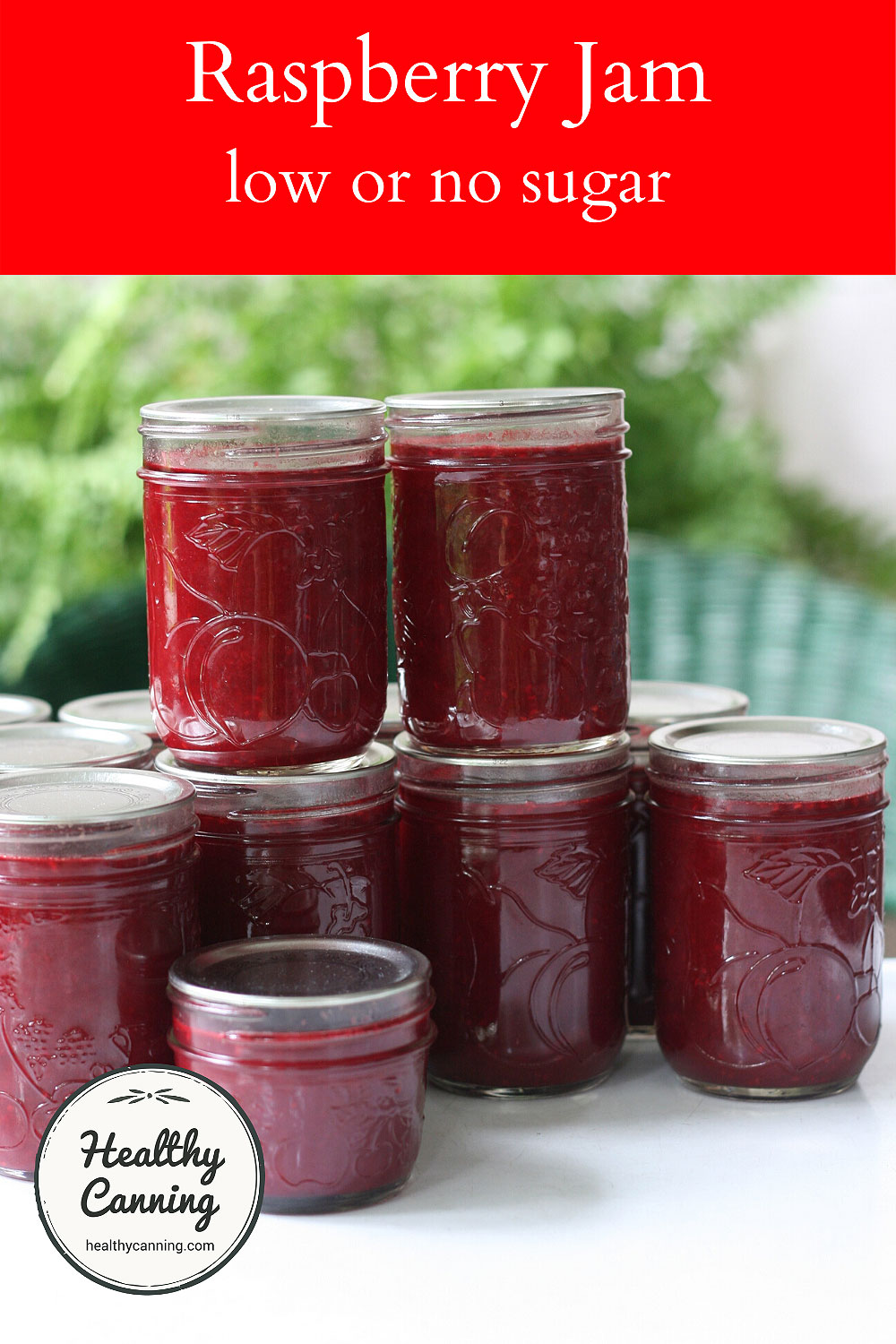
The production of high-quality, shelf-stable raspberry jam requires adherence to strict food safety protocols established by organizations such as the National Center for Home Food Preservation (NCHFP). The recipe for raspberry jam using Pomona Pectin is designed for efficiency and safety, yielding approximately four quarter-litre (250 ml / 8 oz) jars.
The process begins with the preparation of the fruit. Raspberries, whether fresh or frozen, are processed to release their juices. A notable variation in the methodology involves the straining of seeds. While optional, the removal of seeds creates a refined "seedless" jam, though it requires a higher volume of raw fruit to meet the final yield requirements. The core recipe involves a brief boiling period, the introduction of the pectin-sweetener blend, and the addition of a calcium water solution which triggers the gelling process.
Once the jam reaches the desired consistency, it is transferred into sterilized jars, leaving exactly 1 cm (1/4 inch) of headspace. This headspace is a critical safety component; it allows for the expansion of the food during the heating process and ensures the creation of a vacuum seal as the jar cools. The jars are then processed in either a boiling water bath or a steam canner for a duration of 10 minutes. This processing time is essential for destroying latent microorganisms and ensuring the product is shelf-stable for long-term storage.
Nutritional Profile and Comparative Analysis
The nutritional implications of switching to a low-sugar raspberry jam are substantial. A standard tablespoon of commercially produced raspberry jam can contain upwards of 50 to 60 calories, almost all of which are derived from refined sugar. In contrast, the recipe utilizing Pomona Pectin and a modest amount of sugar (approximately one cup for the entire batch) results in a product containing only 21 calories per tablespoon.
For those utilizing sugar substitutes such as granulated Splenda, the caloric density drops further to approximately 10 calories per tablespoon, with a carbohydrate count of just 2 grams. This makes the product accessible to individuals managing diabetes or those adhering to ketogenic and low-carb dietary regimens. Furthermore, the jam retains the essential vitamins and minerals inherent in raspberries. A single serving provides 4 mg of Vitamin C and 24 mg of Potassium, alongside trace amounts of Calcium and Iron.
The Role of Altitude and Environmental Factors in Canning
A critical, often overlooked aspect of home food preservation is the impact of altitude on boiling points and atmospheric pressure. Journalistic investigation into canning failures often points to a lack of altitude adjustment as a primary cause of spoilage. Water boils at lower temperatures as altitude increases; therefore, the standard 10-minute processing time must be extended for those living 300 meters (1,000 feet) or more above sea level.
Failure to adjust for altitude can result in under-processing, where the internal temperature of the jar does not reach the threshold required to kill heat-resistant bacteria or molds. The integration of steam canning as an alternative to water bath canning has gained popularity due to its lower water usage and faster pre-heating times, yet it requires the same rigorous adherence to altitude-adjusted processing times to ensure safety.
Economic and Social Implications of Home Preservation
The resurgence of home canning, particularly with high-value fruits like raspberries, carries significant economic weight. In an era of fluctuating food prices and supply chain vulnerabilities, the ability to preserve a "glut" of seasonal produce provides a hedge against inflation. Raspberries are notoriously perishable, often spoiling within 48 hours of harvest. By converting these fruits into shelf-stable jam, households reduce food waste and lower their long-term grocery expenditures.
Furthermore, the "cottage food" movement has seen a rise in small-scale entrepreneurs using these specific low-sugar techniques to cater to niche markets. There is a growing consumer demand for artisanal products that do not contain high-fructose corn syrup or artificial preservatives. The use of Pomona Pectin allows these small-scale producers to offer a "clean label" product that aligns with modern transparency standards in food production.
Expert Perspectives and Safety Standards
Food safety experts emphasize that while home canning is a rewarding endeavor, it is a science rather than an art. The USDA and various Master Food Preserver groups across North America provide extensive resources to ensure that home-canned goods do not pose a risk of botulism or other foodborne illnesses. The modification of recipes—such as the omission of vanilla beans or the addition of citric acid—must be done within the framework of tested safety guidelines.
The source recipe for this raspberry jam, originally adapted from Pomona’s Pectin archives, has been modified by culinary experts to include options for straining and the addition of ascorbic or citric acid. These additions are not merely for flavor; they serve as acidifiers that ensure the pH of the jam remains below the 4.6 threshold required for safe water bath canning.
Chronology of Modern Home Canning Development
The history of home preservation has moved through several distinct eras. The early 20th century focused on survival and calorie density, utilizing heavy syrups and long processing times. The mid-century saw a decline in home canning as industrial food production rose. However, the 21st century has seen a "Canning Renaissance" driven by three primary factors:
- The Health Movement: A rejection of processed sugars and chemical additives.
- Sustainability Concerns: A desire to reduce carbon footprints by eating locally and seasonally.
- Technological Advancement: The availability of specialized tools like digital pressure canners, steam canners, and low-methoxyl pectins.
This chronology highlights a shift from canning as a necessity of poverty to canning as a choice of the health-conscious and environmentally aware middle class. The raspberry jam recipe featured here is a hallmark of this current era, prioritizing the botanical integrity of the fruit over the shelf-life extensions provided by excessive sugar.
Final Analysis of Implications
The production of low-sugar raspberry jam is more than a culinary exercise; it is an act of food sovereignty. By mastering the use of gelling agents like Pomona Pectin and understanding the rigorous requirements of water bath processing, individuals take control of their nutritional intake. The resulting product is a high-quality, nutrient-dense condiment that outperforms commercial alternatives in both flavor and health metrics.
As the global community continues to grapple with the health impacts of high sugar consumption, the dissemination of such recipes and methodologies serves a vital public health function. The move toward standardized, scientifically backed home preservation ensures that the age-old tradition of "putting up" the harvest remains a safe, viable, and essential skill for the modern era. Through the careful balance of heat, acidity, and specialized pectin, the vibrant taste of summer raspberries can be enjoyed year-round without compromising the health of the consumer.