The contemporary wellness landscape has undergone a seismic shift, moving away from standard preventative care toward a highly aggressive, data-driven pursuit known as "health optimization." From the rise of biohacking communities to the proliferation of longevity-focused influencers on digital platforms, the promise of extending human lifespan to 115 years or beyond has become a multi-billion-dollar industry. However, as the demand for "optimal" health surges, experts are increasingly questioning the tangible efficacy of these complex, often expensive protocols, as well as the hidden costs they impose on the average individual’s time, financial resources, and overall quality of life.
The Evolution of Longevity Science
The pursuit of longevity is not a new phenomenon, but the methodology has evolved significantly over the last two decades. In the early 2000s, health guidance was primarily focused on broad, population-level recommendations: eat more fiber, exercise moderately, and avoid smoking. The current era, however, is defined by hyper-personalization.
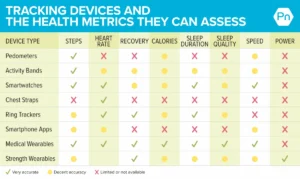
Advancements in genomics, continuous glucose monitoring (CGM), and wearable technology have provided consumers with unprecedented access to their own biological markers. While these tools offer valuable insights, they have also birthed a complex "optimization" culture. Today’s wellness seekers are often encouraged to experiment with advanced supplement stacks, extreme fasting protocols, cold-plunge therapies, and specialized diagnostic testing—many of which lack the robust clinical backing required for broad medical endorsement.
Quantifying the Cost of Optimization
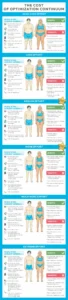
To understand the viability of these trends, one must examine the stratification of "health optimization." For the purposes of analysis, researchers have categorized these efforts into three tiers: baseline habits, advanced lifestyle interventions, and extreme biohacking.
- Baseline Habits: These include consistent sleep hygiene, a balanced diet, and regular resistance training. Data consistently indicates that these habits provide the highest return on investment (ROI) regarding mortality reduction and chronic disease prevention.
- Advanced Lifestyle Interventions: This category involves the integration of high-end diagnostic testing, personalized nutrition coaching, and structured recovery protocols. The financial cost here can range from several hundred to several thousand dollars annually.
- Extreme Biohacking: This tier involves experimental interventions, such as high-frequency blood panels, specialized hormone replacement therapies, and niche equipment like hyperbaric oxygen chambers or cryotherapy units. These interventions frequently command exorbitant fees and require significant temporal commitments, often exceeding 15 to 20 hours per week of dedicated health-focused labor.
A recent analysis of these protocols suggests a law of diminishing returns. While the jump from sedentary behavior to baseline physical activity yields a massive increase in life expectancy and healthspan, the incremental gain achieved by moving from an advanced lifestyle to an extreme biohacking regimen is significantly smaller, yet often comes at a disproportionately higher cost.
The Conflict Between Optimization and Sustainability
The psychological toll of extreme health optimization is a growing concern among public health experts. When health becomes an "optimization project," it often necessitates a hyper-vigilance that can lead to orthorexia—an unhealthy obsession with healthy eating—or chronic stress, which paradoxically undermines the physiological benefits the protocols were meant to achieve.
Furthermore, the pressure to adopt "advanced" protocols often obscures the most effective, yet mundane, pillars of health. The focus on expensive, niche interventions can lead individuals to neglect the foundational habits that account for the vast majority of longevity outcomes. For instance, the stress of tracking every gram of protein or monitoring sleep data to the millisecond can negatively impact cortisol levels, potentially offsetting the metabolic benefits of the diet or rest being measured.

The Role of Professional Coaching
In response to the confusion generated by the influx of conflicting health information, the professional coaching industry has shifted its focus. Where coaches previously served as motivators or basic trainers, they are now increasingly tasked with helping clients filter through the noise.
According to industry reports, the demand for certified nutrition coaches who prioritize sustainable, habit-based behavior change over "quick-fix" biohacking has reached an all-time high. This reflects a broader trend toward evidence-based practice. Professionals in the field are now emphasizing that the most "optimal" health strategy is one that an individual can maintain for decades, rather than a rigorous, high-cost regimen that is abandoned within months due to burnout.
Implications for Public Health
The broader impact of the optimization trend is a growing health inequality. As advanced diagnostic tools and specialized wellness programs become status symbols, there is a risk that the foundational pillars of health—access to nutrient-dense food, safe spaces for exercise, and quality sleep—become secondary to expensive, unproven gadgets.
Public health officials emphasize that longevity is not merely a product of individual willpower or technological access, but a consequence of social and environmental determinants. The "true cost" of health is therefore not measured in dollars spent on supplements or wearable devices, but in the sustained ability of a person to live a life free from the burdens of chronic, preventable disease.
Future Outlook and Research
Looking forward, the scientific community is calling for more longitudinal studies on the efficacy of modern biohacking trends. While the current evidence base for basic lifestyle interventions is robust and supported by decades of data, the long-term health consequences of extreme, experimental protocols remain largely unknown.
For the average individual, the current consensus is clear: the most effective path to longevity remains anchored in the fundamentals. By prioritizing consistent physical activity, balanced nutrition, adequate sleep, and stress management, individuals can achieve the vast majority of their health potential without the need for high-cost, high-stress optimization strategies.
As the industry continues to mature, it is likely that the focus will shift back toward accessibility and sustainability. For those seeking to navigate this landscape, the recommendation is to adopt a "first principles" approach: assess current habits, identify the lowest-hanging fruit for improvement, and ensure that the pursuit of a longer life does not come at the expense of living a healthy, enjoyable, and sustainable life today.
By utilizing standardized longevity assessments and focusing on verified, science-backed lifestyle habits, individuals can take control of their health trajectory. The goal is not just to extend the number of years lived, but to ensure those years are marked by vitality, independence, and well-being. The data supports a simple reality: the most effective longevity strategy is one that integrates seamlessly into the daily life of the individual, rather than one that demands it be restructured entirely around the pursuit of optimization.