
Evolution of the Cobb Salad in Modern Nutrition
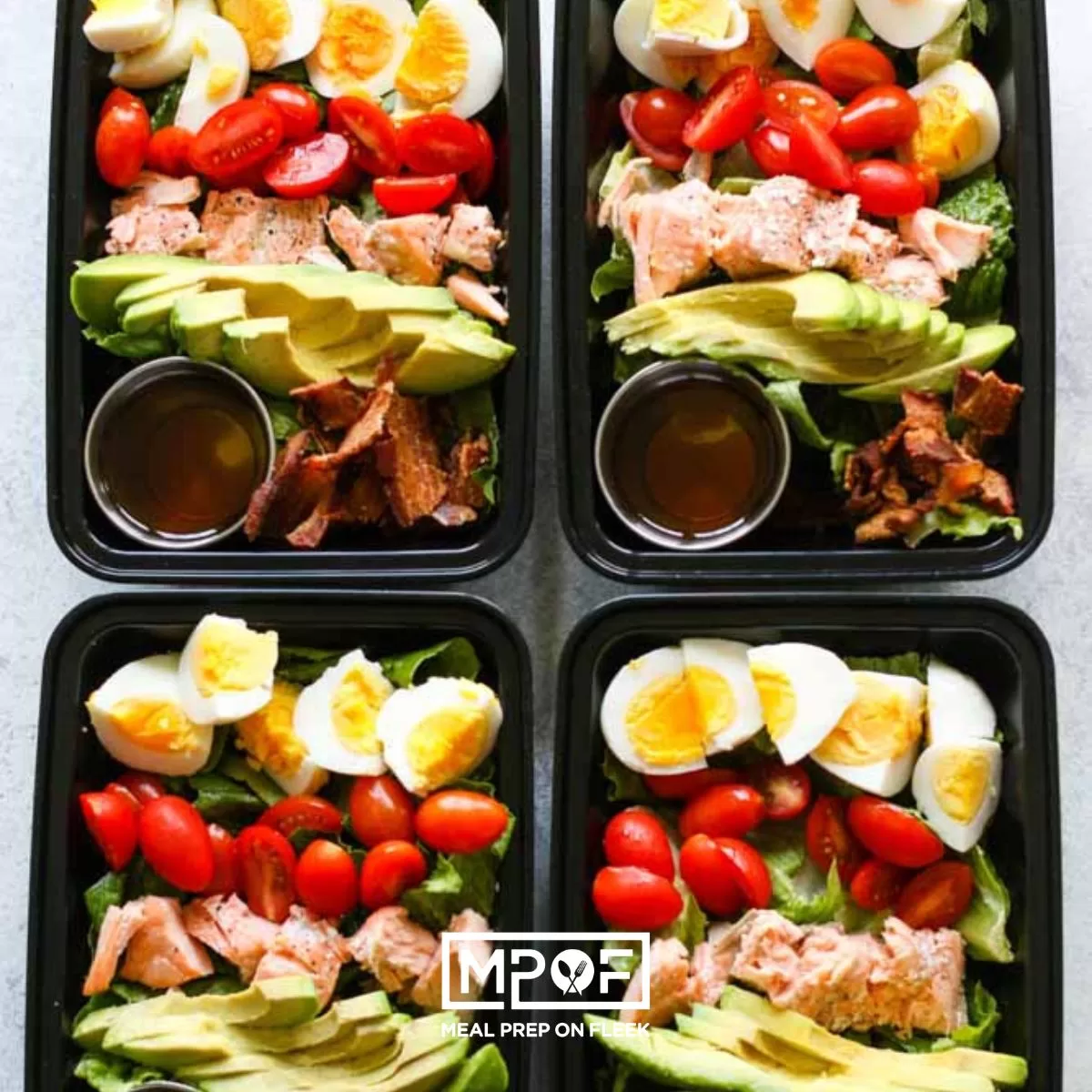
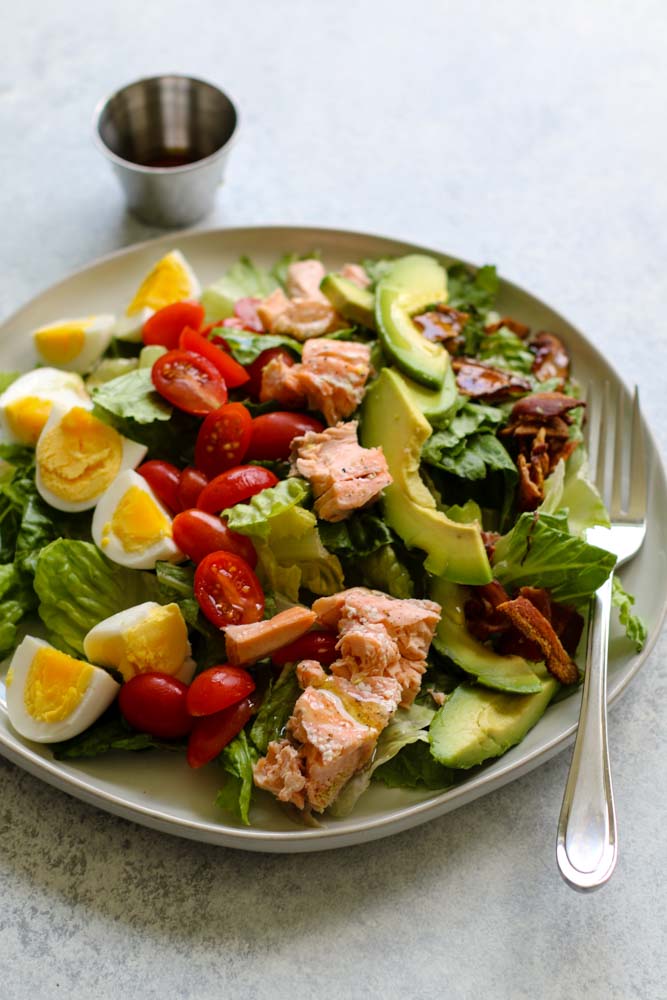
The classic Cobb salad, originally conceived at the Hollywood Brown Derby restaurant in the 1930s, is historically defined by a specific composition: greens, tomatoes, bacon, hard-boiled eggs, avocado, and blue cheese. While the traditional iteration provides a significant caloric profile, the transition to a salmon-based Cobb salad marks a shift toward functional nutrition.
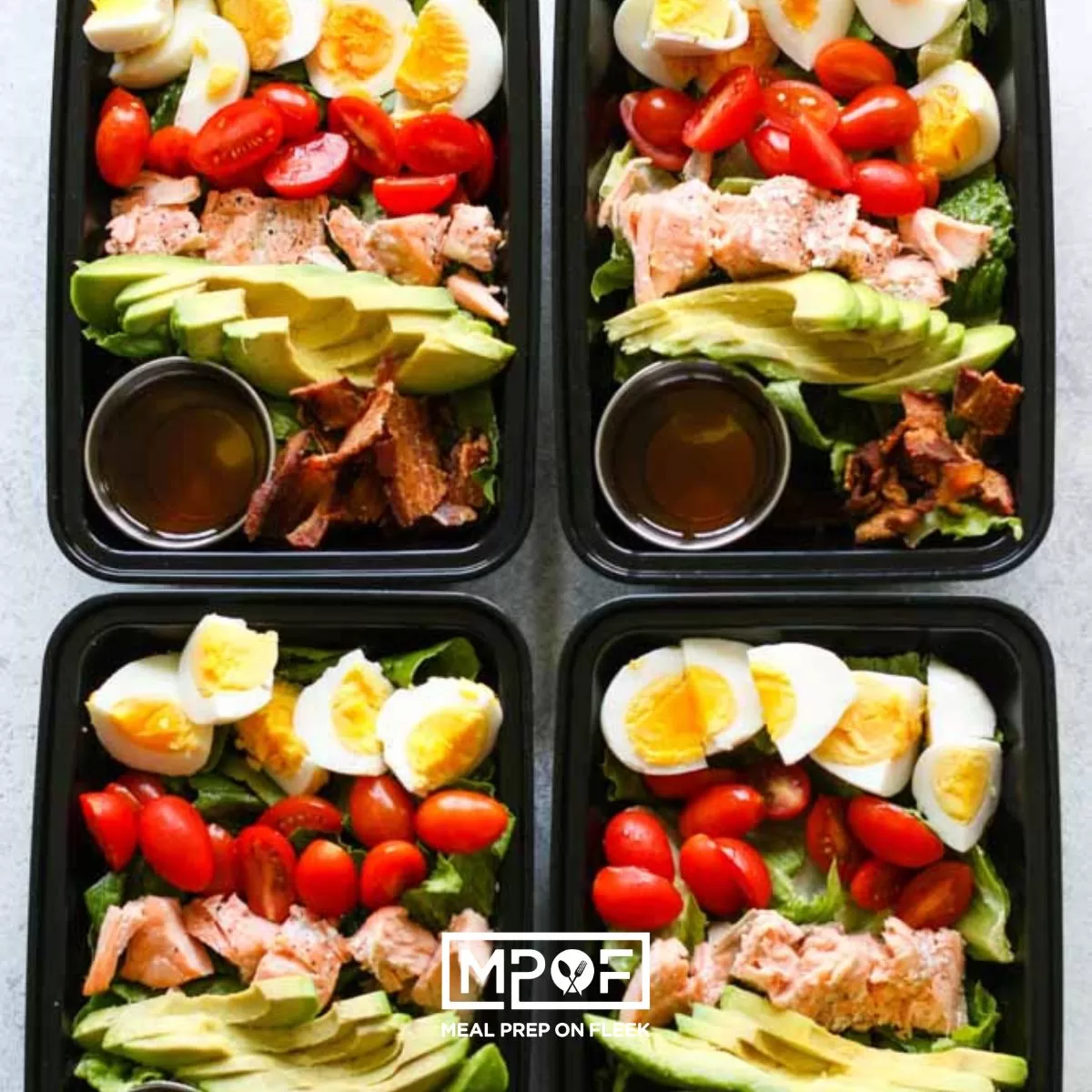
By substituting chicken with salmon, the dish gains a superior profile of essential fatty acids, specifically eicosapentaenoic acid (EPA) and docosahexaenoic acid (DHA). Nutritional data indicates that wild-caught salmon provides a concentrated source of Vitamin D, selenium, and B-complex vitamins, which support cognitive function and metabolic health. This shift addresses a growing consumer demand for meals that offer satiety through healthy fats rather than processed carbohydrates, effectively bridging the gap between convenience and long-term wellness.
Chronological Framework for Efficient Preparation
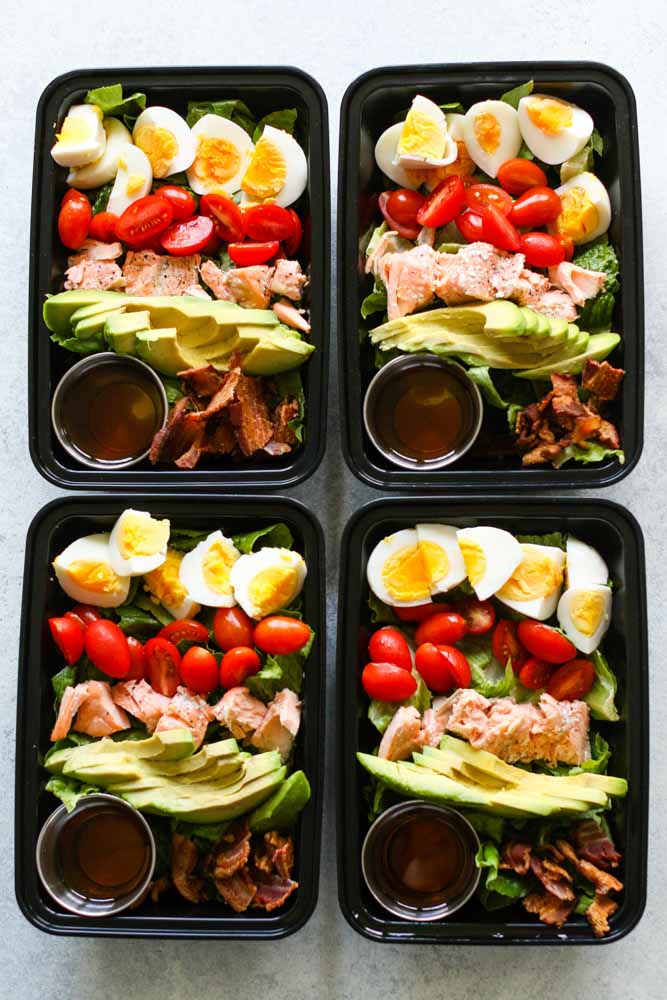
The efficacy of this meal prep method relies on a structured, component-based assembly process, which minimizes waste and maximizes freshness over a standard four-day work week.
Phase 1: Pre-Preparation (48–24 hours prior)
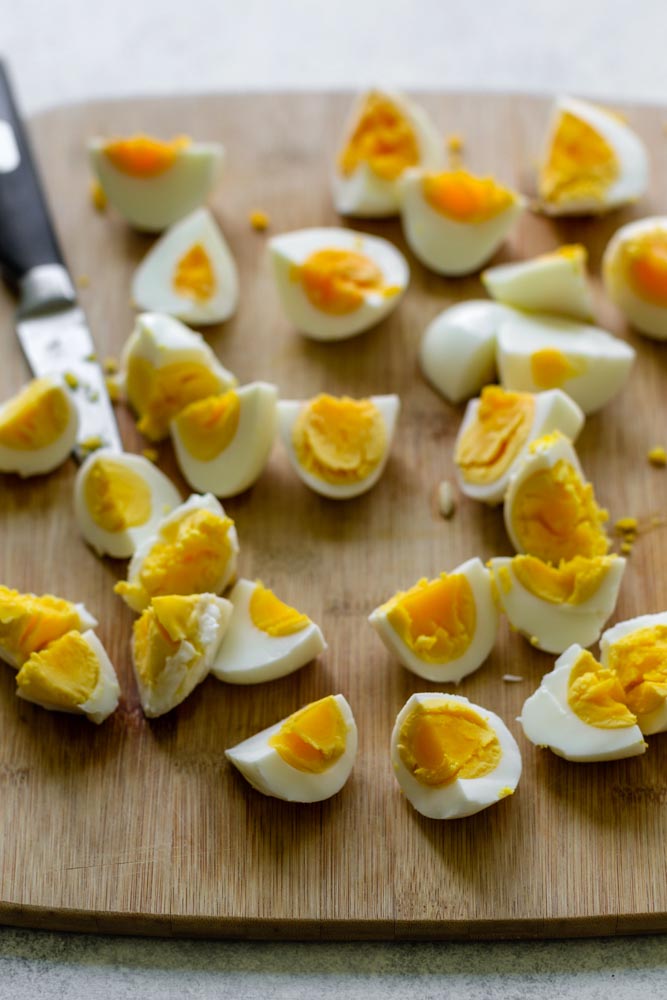
The initial phase focuses on the time-intensive components: the hard-boiling of eggs. By processing eggs in advance, cooks remove a significant bottleneck from the primary assembly day. Eggs are boiled, cooled, and peeled, allowing for rapid integration during the final assembly.
Phase 2: Thermal Processing (Assembly Day)
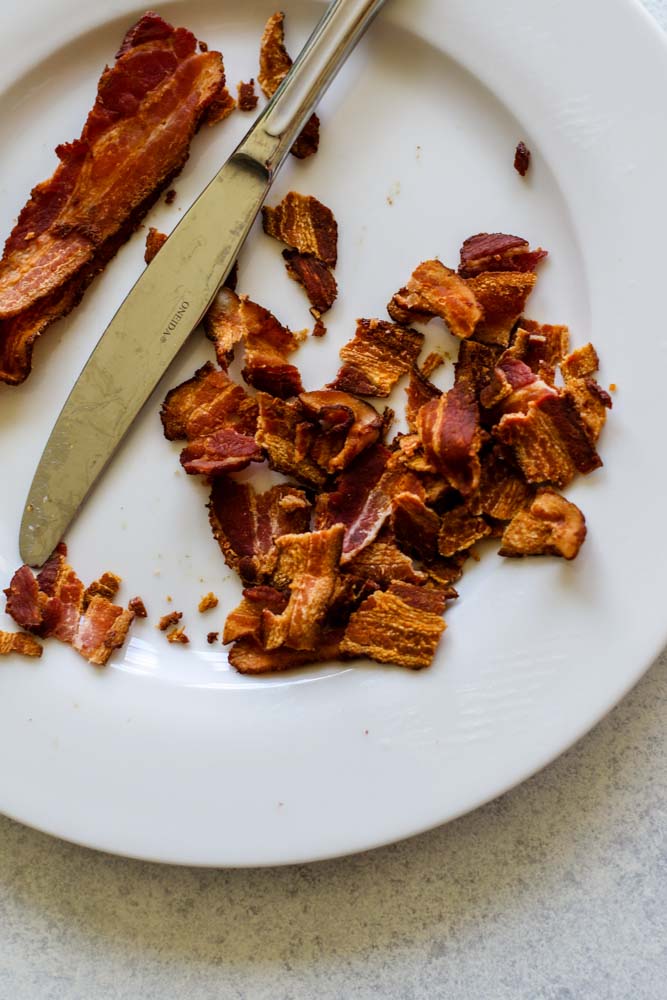
The primary cooking phase is divided into two distinct heat-based tasks. Salmon fillets are seasoned with Himalayan sea salt and black pepper and baked at 350°F. The duration is determined by the fillet’s thickness, ensuring the internal temperature reaches the appropriate threshold for safety and texture. Simultaneously, bacon is rendered to a state of high crispness; culinary experts suggest that a drier, crispier texture is essential for long-term storage, as softer fats can compromise the structural integrity of the lettuce when refrigerated.
Phase 3: Component Integration and Vinaigrette Emulsion
The final assembly requires the preparation of a red wine vinaigrette. The chemical emulsion of oil and acid is kept separate from the salad greens until the moment of consumption to prevent the degradation of the romaine lettuce’s cell walls, which causes wilting.
Supporting Nutritional Analysis and Macronutrient Profiles
For individuals tracking their caloric intake, the Salmon Cobb Salad provides a balanced macronutrient distribution. A standard serving contains approximately 427 kilocalories, categorized by 24.8 grams of protein, 12.1 grams of carbohydrates, and 29.6 grams of fat. The presence of 5.2 grams of fiber, largely derived from the avocado and romaine, assists in glycemic control, preventing the post-lunch energy crashes often associated with high-carb convenience meals.
The inclusion of bacon—while a staple of the Cobb salad—requires careful sourcing for those adhering to strict Paleo or Whole30 protocols. Nutritionists and wellness advocates advise checking labels for hidden sugars, nitrates, and curing agents that deviate from clean-label requirements. This diligence ensures that the caloric intake remains derived from high-quality, whole-food sources.
Industry Perspectives on Meal Prep Utility
Market research into consumer behavior regarding "grab-and-go" meals suggests that individuals are increasingly moving away from pre-packaged, highly processed lunches in favor of "component prep." This method, where ingredients are cooked separately and assembled into modular containers, allows for greater versatility.
Nutritionists often emphasize that the psychological benefit of meal prep is as significant as the nutritional outcome. By reducing the number of daily decisions regarding food, individuals report a decrease in impulsive dietary choices. This "decision fatigue" reduction is a documented factor in the success of long-term health programs. Furthermore, the ability to tailor the quantity of dressing and the choice of ingredients allows the meal to remain fresh and palatable through Thursday, overcoming the common criticism that meal-prepped food loses its appeal by mid-week.
Storage Protocols and Preservation Science
To maintain the safety and aesthetic quality of the salad, storage must adhere to strict temperature controls. The use of airtight, BPA-free containers is mandatory to prevent the oxidation of the salmon and the wilting of the greens.
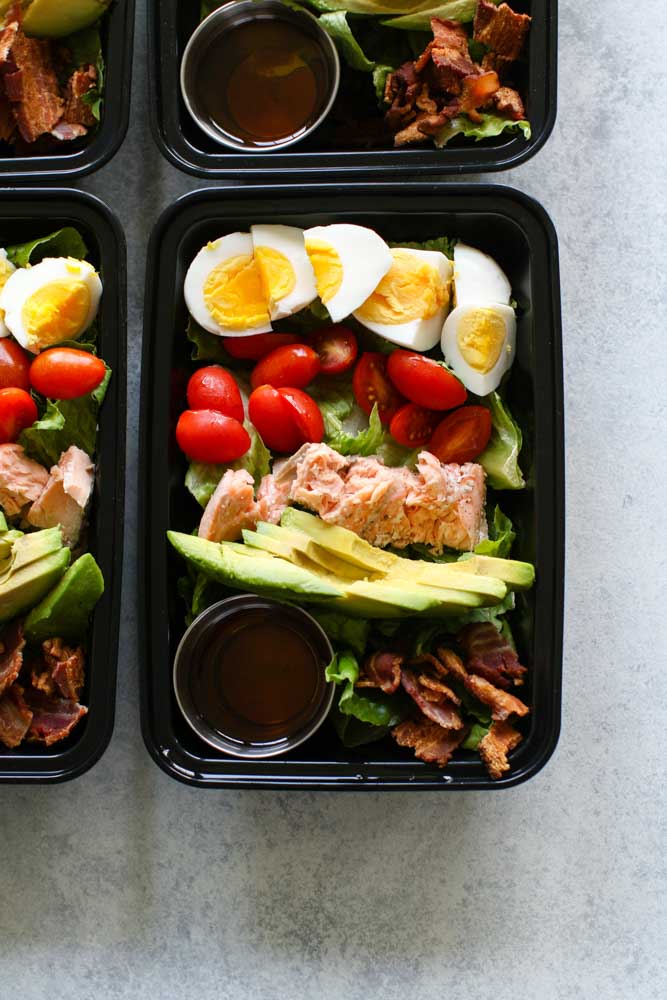
Regarding the avocado, a known point of contention in long-term storage, experts note that the enzymatic browning—an oxidation process triggered by exposure to air—is purely cosmetic rather than a safety concern. However, for those concerned with presentation, the addition of avocado slices on the morning of consumption is the recommended industry standard. If the avocado is pre-portioned, the inclusion of an acidic agent in the vinaigrette (such as the red wine vinegar) can slightly mitigate the rate of oxidation if it comes into contact with the fruit.
Broader Implications for Workplace Health
The rise of the Salmon Cobb Salad as a meal prep staple reflects a broader trend in workplace wellness. As corporations and individuals alike recognize the link between diet and productivity, the "brown bag" lunch is undergoing a renaissance. The transition from heavy, starch-laden lunches to nutrient-dense, high-protein salads has been linked to improved focus and sustained energy levels throughout the afternoon.
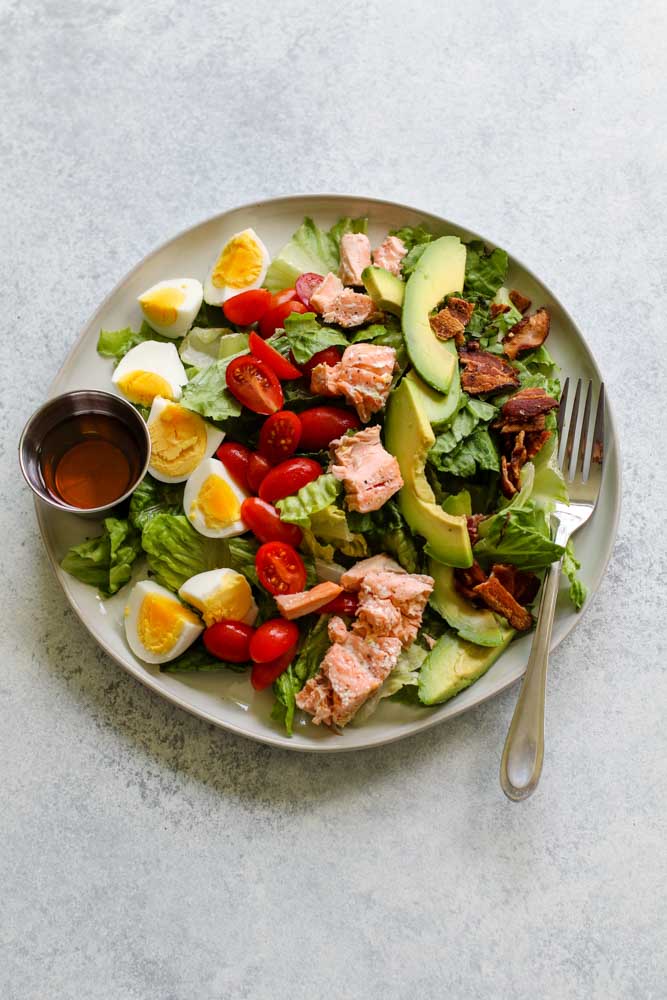
Moreover, the adaptability of this recipe provides a template for future innovation. The structural framework—a base of greens, a high-quality protein, a crunchy element, a healthy fat, and a balanced dressing—can be modified with various seasonal vegetables or alternative proteins. This modularity ensures that the meal prep process does not become monotonous, which is the leading cause of "dietary abandonment" in meal planning programs.
Conclusion: A Sustainable Nutritional Model
The Salmon Cobb Salad represents more than a recipe; it is a systematic approach to nourishment. By prioritizing ingredients like wild-caught salmon and fresh produce, and by utilizing a logical, time-efficient assembly process, this meal prep strategy addresses the core challenges of modern, fast-paced living. It provides a reliable, nutritionally sound, and palatable solution that supports both physical health and temporal efficiency. As public health discourse continues to emphasize the necessity of whole foods, this model offers a practical roadmap for anyone looking to optimize their dietary intake without sacrificing the convenience of a grab-and-go lifestyle.