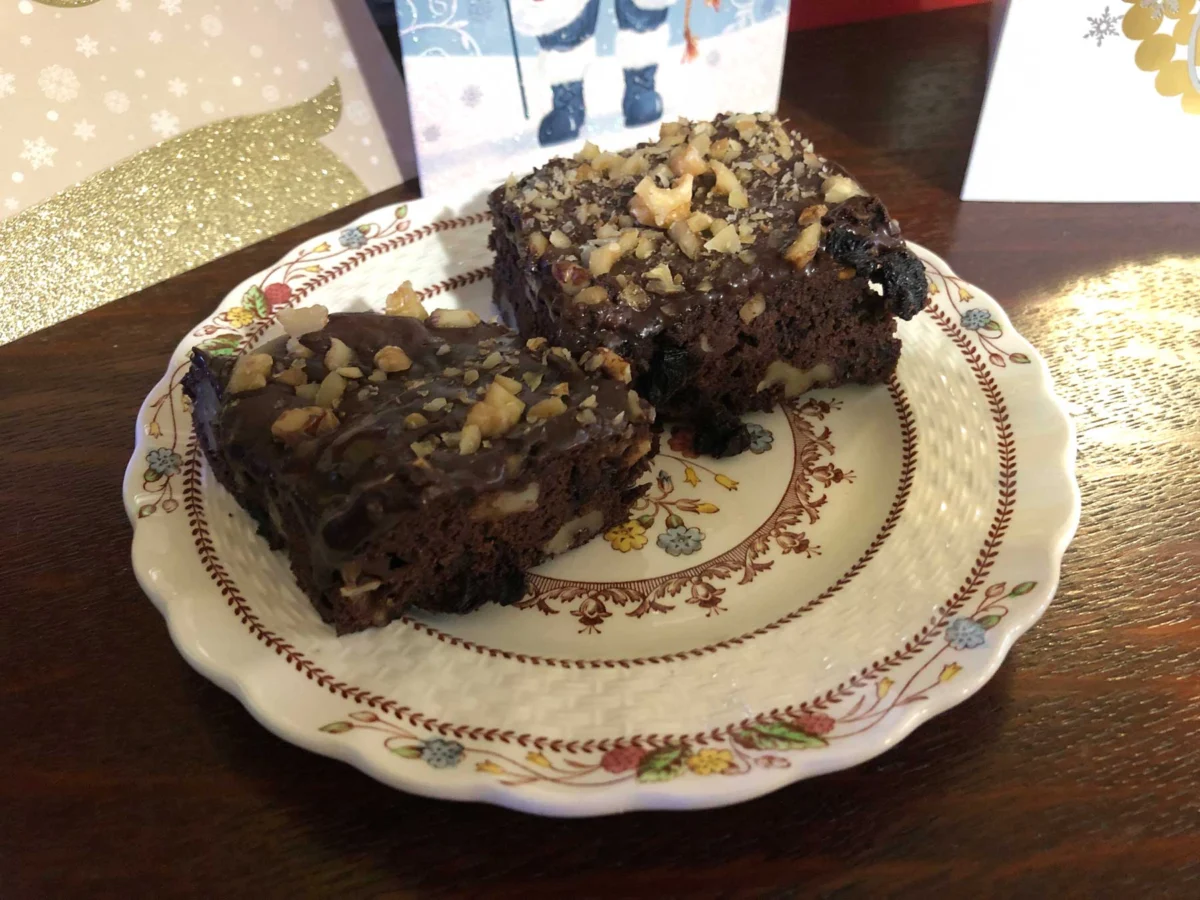

The modern consumer is increasingly navigating a landscape defined by rising grocery costs and a heightened awareness of dietary health, leading to a significant resurgence in "pantry-from-scratch" methodologies. At the forefront of this movement is the DIY brownie mix, a versatile dry-goods staple that allows households to produce high-quality baked goods for a fraction of the cost of commercial alternatives. This shift toward home-blended mixes represents more than just a culinary trend; it is a strategic response to economic inflation and the industrialization of the food supply. By controlling the base ingredients, bakers can transition from traditional high-sugar profiles to calorie-controlled, sugar-free versions using sucralose-based sweeteners like Splenda, all while maintaining the convenience typically associated with pre-packaged boxed mixes.
The Technical Framework of DIY Dry Mixes
The DIY brownie mix is engineered as a bulk-storage solution, designed to be prepared in a single session and utilized over several months. A standard batch yields approximately 1 kilogram (roughly 8 cups) of dry mix, which provides enough material for five full pans of brownies. This scalability is a cornerstone of "bulk-prep" economics, reducing the frequency of grocery store visits and minimizing the premium paid for individual packaging.

Unlike the dense, fudgy consistency often found in premium "gourmet" boxed mixes, this specific DIY formulation produces a cake-style brownie. This texture is achieved through a specific balance of flour to fat and the inclusion of leavening agents that provide a lighter, more aerated crumb. The mix is fundamentally adaptable; while the base recipe is optimized for sucralose, it allows for a seamless substitution with four cups (approximately 900 grams) of granulated white sugar for those who prefer traditional ingredients. Furthermore, the recipe supports the use of powdered stevia products, provided they follow a one-to-one volume ratio with the original sweetener measurements.
Economic Analysis: Pennies on the Dollar
The financial implications of home-mixed baking staples are substantial when analyzed through the lens of the Consumer Price Index (CPI). Commercial brownie mixes often carry a significant markup—sometimes as much as 300% to 500% over the raw cost of ingredients—due to branding, processing, and distribution overhead. By sourcing flour, cocoa powder, and sweeteners in bulk, a household can reduce the cost of a single pan of brownies to what the industry refers to as "pennies on the dollar."
In the current economic climate, where the cost of processed sugar and wheat-based products has seen volatility, the ability to buy raw components during price dips and store them as a prepared mix offers a hedge against inflation. For families managing tight budgets, the DIY approach eliminates the "convenience tax" imposed by major food conglomerates, providing a high-value dessert option that does not compromise on quality or volume.

Nutritional Profile and Dietary Customization
One of the primary drivers of the DIY movement is the transparency of ingredients. Commercial mixes frequently contain emulsifiers, preservatives, and artificial flavorings designed to extend shelf life on a grocery store shelf. In contrast, a homemade mix is limited to the essentials.
The nutritional data for this DIY formulation highlights its utility for health-conscious consumers. When prepared with a sucralose-based sweetener and low-fat margarine, a 50-gram brownie (calculated by slicing a standard pan into nine squares) contains approximately 116 calories and 8 grams of fat. For individuals participating in weight management programs, such as Weight Watchers, these brownies represent a low-point dessert, registering at roughly 2 SmartPoints per square. The addition of walnuts, while increasing the caloric count to 131 and fat to 10 grams, remains within a manageable range for most dietary plans. This level of precision is difficult to achieve with store-bought mixes, which often have higher baseline sugar and fat contents that are not easily modified by the end user.
The Evolution of Home Baking: A Historical Context
The transition from "scratch" baking to boxed mixes began in earnest following World War II, as food technology advanced and the demand for domestic convenience surged. By the 1950s, the "just add an egg" model of cake and brownie mixes became a symbol of the modern kitchen. However, the 21st century has seen a reversal of this trend.
Beginning in the late 2010s and accelerating during the global pandemic of 2020-2021, consumers began to rediscover the benefits of the "pantry-ready" lifestyle. The DIY brownie mix is a product of this era—a hybrid that combines the historical self-reliance of the 19th-century larder with the 20th-century desire for speed. This "Modern Pantry" movement emphasizes that convenience does not have to be purchased; it can be manufactured at home during a few minutes of weekend preparation.
Food Safety and Handling Protocols
A critical component of the DIY baking process that is often overlooked is the safety of the raw ingredients. Public health organizations, including the Centers for Disease Control and Prevention (CDC), have issued repeated warnings regarding the consumption of raw flour. Unlike processed snacks, the dry ingredients in a brownie mix have not been heat-treated to kill pathogens such as E. coli or Salmonella.
Professional culinary experts and health advocates emphasize that raw flour should be treated with the same level of caution as raw meat. This involves washing hands, utensils, and surfaces thoroughly after handling the dry mix. The DIY brownie mix instructions explicitly mandate these hygiene practices to ensure that the convenience of home baking does not lead to foodborne illness. This focus on safety is a vital part of the journalistic responsibility to inform the public on the risks associated with the "raw dough" culture that often accompanies home baking.

Broader Implications for Sustainability and Waste Reduction
Beyond the individual benefits to the consumer, the DIY mix model has broader implications for environmental sustainability. The traditional consumer model involves purchasing a cardboard box and a plastic internal liner for every 400 to 500 grams of mix. By utilizing a single 1-kilogram batch stored in a reusable glass jar or airtight container, a household can significantly reduce its contribution to landfill waste.
Furthermore, the reduction in transport weight and volume—moving raw ingredients in bulk rather than individual retail units—lowers the overall carbon footprint of the food supply chain. While the impact of a single household may seem negligible, the cumulative effect of a widespread shift toward DIY staples could lead to a measurable decrease in packaging demand and industrial processing energy.
Expert Reactions and Industry Impact
Nutritionists and consumer advocates have largely praised the DIY mix trend. "The ability to control the glycemic load of a dessert while maintaining the psychological satisfaction of a ‘treat’ is a powerful tool in long-term health management," states a report on diabetic-friendly home cooking. Experts suggest that by removing the "black box" of industrial ingredients, consumers are more likely to practice portion control and mindful eating.
Market analysts also note that the rise of DIY mixes is forcing commercial brands to innovate. We are seeing an increase in "clean label" boxed mixes and sugar-free options on store shelves, a direct response to the competition posed by the home-mixed movement. However, the cost-benefit analysis continues to favor the DIY approach, as brand-name sugar-free products often carry a premium price tag that exceeds even the standard versions of the same product.
Chronology of a DIY Batch: From Preparation to Consumption
The lifecycle of a DIY brownie mix is characterized by its efficiency. The initial preparation of the dry mix takes approximately 10 minutes, involving the whisking together of flour, cocoa, sweetener, and salt. Once stored, the mix remains shelf-stable for several months, provided it is kept in a cool, dry environment.
When the consumer decides to bake, the process is streamlined:

- Measurement: A specific volume of the pre-made mix is measured out.
- Hydration and Fat: Liquid ingredients—typically eggs, water, and a fat source such as melted margarine or butter—are added.
- Baking: The batter is transferred to a prepared pan and baked until set.
- Finishing: Optional icing, such as a DIY Splenda-based icing sugar mix, can be applied once the brownies have cooled.
This chronology mirrors the speed of a commercial boxed mix but retains the quality of a from-scratch recipe.
Final Analysis: The Future of the Home Larder
The DIY brownie mix is a microcosm of a larger shift in consumer behavior. It represents a move away from passive consumption toward active food management. By leveraging simple ingredients and a few minutes of labor, individuals can reclaim control over their finances and their health. As food prices continue to be a point of concern for households globally, the adoption of DIY dry mixes for everything from brownies to bread and soups is likely to become a permanent fixture of the modern kitchen. The intersection of cost-efficiency, nutritional transparency, and environmental consciousness ensures that the DIY movement is not a passing fad, but a fundamental evolution in how we approach the art of the pantry.