
For many women in their late 40s and early 50s, the journey through perimenopause and menopause introduces a challenging array of symptoms that often extend beyond the commonly discussed hot flashes and mood swings. Among the most pervasive and debilitating of these is "brain fog," a constellation of cognitive difficulties that can profoundly impact daily life, career, and overall well-being. This phenomenon, characterized by struggles with memory recall, concentration, and mental clarity, frequently leads to misdiagnosis, leaving countless women feeling isolated and misunderstood within the healthcare system. The experience of one woman, who initially dismissed her increasing mental sluggishness as typical age-related forgetfulness, illustrates a widely shared struggle that underscores the urgent need for greater awareness and specialized medical understanding of menopausal symptoms.
Her personal account began with seemingly innocuous lapses, like an inability to recall the name of a familiar restaurant. What started as frustrating but occasional memory blanks—"It’s that place with the peanut shells on the floor? It’s next to… You know… It’s on that road where we used to take the dog to the vet"—quickly escalated. By her late 40s and early 50s, these cognitive hurdles became constant companions. Simple tasks at work, such as sitting before a computer screen to write, felt insurmountable. The mental haze was so profound that even basic math seemed beyond her grasp during periods of severe fatigue. Mornings offered a brief reprieve, a precious window of clarity that she desperately tried to maximize, cramming hours of work into a fraction of the day. On her worst days, however, the haze was relentless, making work, reading, or any cognitively demanding activity impossible. This pervasive "sludginess," as she described it, led her down a frustrating two-year path of seeking medical help, only to be repeatedly misdiagnosed and prescribed treatments that exacerbated her distress.
The Misdiagnosis Maze: When Menopause Masquerades as Depression
The initial medical consultations pointed towards depression. Three different healthcare professionals recommended antidepressants, which, for this woman, only intensified her feeling of being a "zombie." A sleeping pill further compounded the drugged sensation. Exhaustive tests for thyroid issues and anemia yielded no answers. She explored a litany of alternative remedies, from supplements to mushroom coffee, seeking any product that promised to restore her mental sharpness. The turning point arrived during a routine annual gynecological exam, where a seemingly minor complaint about vaginal dryness triggered a series of questions about her sleep, mood, energy levels, hot flashes, and crucially, brain fog. Her admission of feeling "barely alive" resonated with her gynecologist, leading to the pivotal realization: her symptoms were not depression, but a direct manifestation of menopause. Prescriptions for estradiol and progesterone brought rapid, dramatic relief, "as if someone had flipped a switch." Within days, her cognitive function returned, her ability to work past noon was restored, and she finally experienced uninterrupted sleep after years of nocturnal awakenings.
This narrative is far from unique. It highlights a critical systemic issue: the inadequate training of many healthcare professionals in diagnosing and managing menopause, often leading to misinterpretations of symptoms that overlap with other conditions, particularly depression.
Understanding Menopause: A Life Stage, Not a Disease
Menopause is a natural biological transition in a woman’s life, defined retrospectively after 12 consecutive months without a menstrual period. It is not a disease or a medical condition but a significant life stage, much like puberty. The period leading up to menopause, known as perimenopause, can last for several years, marked by fluctuating and declining hormone levels, primarily estrogen and progesterone. These hormonal shifts trigger a wide array of symptoms, which vary in intensity and duration among women. While widely recognized symptoms include weight gain and reduced sex drive, a substantial portion of women—approximately 40%, according to the American College of Obstetricians and Gynecologists—report increased irritability, mood swings, anxiety, fatigue, and profound trouble concentrating during and after menopause.
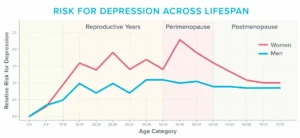
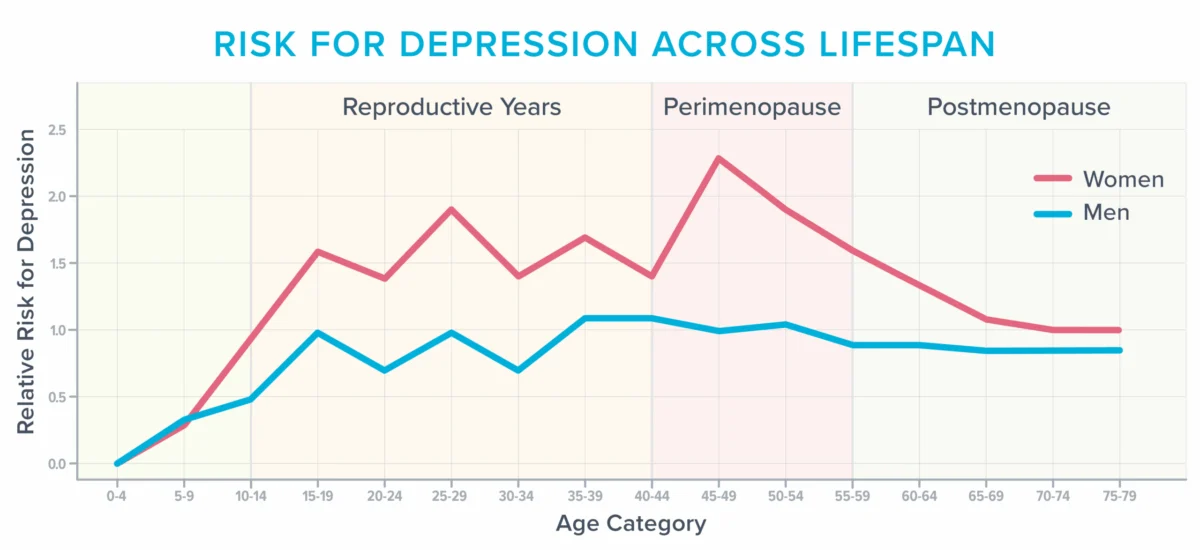
Compounding these challenges, research indicates that the perimenopausal years represent one of the most vulnerable periods in a woman’s life for developing depression, especially for those with a prior history of the condition. The experience of crying inexplicably or feeling overwhelmed by everyday stimuli, where normal sounds like traffic or mall chatter become physically painful, underscores the deep emotional and sensory dysregulation that can accompany this transition. This heightened sensitivity, anxiety about routine activities like driving, and general irritability point to significant shifts in brain function.
The Intricate Link: Vasomotor Symptoms and Brain Health
While hormonal fluctuations and typical age-related changes undoubtedly contribute to cognitive and emotional symptoms, a lesser-known but critical factor is the impact of vasomotor symptoms (VMS)—hot flashes during the day and night sweats at night. For years, VMS were largely considered mere inconveniences or sources of embarrassment. However, an accumulating body of research now reveals their far-reaching effects on vascular health and brain function, leading an increasing number of experts to classify them as a treatable medical condition.
The physiology of a hot flash involves a complex cascade: rising levels of norepinephrine and cortisol, dilation of blood vessels to dissipate heat, and increases in blood pressure and heart rate. These episodes can manifest with skin reddening, sweating, heart palpitations, anxiety, fatigue, or faintness. While the exact mechanism remains elusive, one prevailing theory suggests that falling estrogen levels affect the hypothalamus, the brain’s temperature regulation center, leading to a "wonky" internal thermostat that misinterprets body temperature.
Beyond transient discomfort, VMS may have more insidious long-term effects on the brain. A study involving 226 women, who wore monitors to track hot flashes and underwent MRI scans, revealed a striking correlation: women who experienced the most frequent hot flashes also exhibited a greater abundance of "whole-brain white matter intensities." These patchy areas, once considered a normal part of aging, are now recognized by neuroscientists as predictive markers of future cognitive decline. Individuals with numerous such lesions face twice the risk of dementia and three times the risk of future stroke.
This vascular connection is further supported by a three-year study of 492 women, which found that frequent hot flashes were associated with unhealthy changes in blood vessels, including an impaired ability to dilate in response to increased blood flow. Other research links frequent hot flashes to increased markers of inflammation, oxidative stress, and endothelial dysfunction—all factors detrimental to cardiovascular and brain health.
The Sleep Debt: A Silent Saboteur of Cognition
In addition to directly impacting blood vessels, frequent hot flashes severely disrupt sleep, further compromising brain health. The insidious nature of these nocturnal awakenings is that many women, like the one in the opening anecdote, may not even attribute their fragmented sleep to night sweats. The surge of cortisol and norepinephrine that jolts them awake may dissipate before they fully register the heat, leading them to believe they suffer from unexplained insomnia or sleep apnea.

These frequent awakenings profoundly interfere with the brain’s vital restorative processes. Sleep is critical for memory consolidation, the metabolic clearance of toxins (such as amyloid-beta, linked to Alzheimer’s), and the efficient storage of daily information. Chronic sleep deprivation, a hallmark of severe night sweats, can lead to reduced connectivity in the hippocampus, a brain region crucial for learning and memory. Furthermore, inadequate sleep heightens the reactivity of the amygdala, the brain’s emotional center, making individuals more susceptible to stress, anxiety, irritability, frustration, and even rage. These adverse brain changes can manifest within days or weeks of sleep loss; imagine the cumulative impact over years.
Systemic Barriers to Effective Care
The challenge in diagnosing menopausal brain fog and related emotional symptoms is compounded by several systemic issues within healthcare. One significant factor is the overlap between menopausal symptoms and diagnostic criteria for depression. Tools like the Patient Health Questionnaire (PHQ-9) depression scale include symptoms such as trouble sleeping, feeling tired or having little energy, changes in appetite or weight, and trouble concentrating. Four of these nine symptoms directly align with common manifestations of menopause-related sleep deprivation. A woman checking off these items might easily receive a depression diagnosis, even if the root cause is the hormonal upheaval and fragmented sleep of perimenopause.
Adding to this complexity is a stark lack of menopause-specific training among healthcare professionals. Surveys reveal that 80% of medical residents feel "barely comfortable" discussing menopause, and few residency programs, even in obstetrics and gynecology, offer comprehensive training in this area. This educational gap means that critical questions about hot flashes, night sweats, and sleep disturbances are often overlooked when women present with fatigue, cognitive impairment, and mood changes.
Moreover, even when VMS are clearly linked to cognitive and emotional distress, many healthcare providers remain hesitant to prescribe menopausal hormone therapy (MHT), often citing safety concerns or "risks." This phenomenon, termed "defensive medicine" by experts like Michigan-based gynecologist Dr. Jerrold H. Weinberg, stems from a fear of litigation. This caution is largely rooted in research from several decades ago, particularly the Women’s Health Initiative (WHI) study, which initially linked certain types of hormones to a slightly increased risk of breast cancer or stroke.
Re-evaluating Hormone Therapy: A Shifting Paradigm
However, more recent research has refined our understanding of MHT. Experts now emphasize that the small increased risks identified in earlier studies are highly dependent on factors such as age, dose, the specific type of hormonal preparation used, and the duration of therapy. The current medical consensus, supported by organizations like the Menopause Society, indicates that for women under 60 and within 10 years of their last menstrual period, the benefits of MHT often outweigh the risks, particularly for those experiencing moderate to severe menopausal symptoms. Furthermore, MHT offers significant health benefits, including a reduced risk of Alzheimer’s disease and osteoporosis, as confirmed by Dr. Weinberg. While some antidepressants can alleviate mood symptoms and even reduce hot flashes, their own side effect profiles and the potential for misdiagnosis often make MHT a more targeted and effective treatment for menopause-related issues, especially when considering the holistic impact on brain and bone health.
Empowering Self-Advocacy: Navigating the Healthcare System
Given the persistent challenges within the healthcare system, women must become proactive advocates for their health. Dr. Weinberg and Helen Kollias, PhD, a physiology and molecular biology expert and science advisor, offer crucial advice:
- Seek Menopause-Trained Professionals: Prioritize healthcare providers who explicitly list menopause as an area of focus in their bios or hold certifications from reputable organizations like the Menopause Society. Online databases can assist in this search.
- Document Symptoms Meticulously: Maintain a detailed log of symptoms, including their nature, frequency, severity, and impact on daily life. This provides concrete data for appointments, especially when brain fog might hinder clear communication. Track hot flashes, night sweats, sleep patterns, mood fluctuations, cognitive difficulties (e.g., memory lapses, concentration issues), and energy levels.
- Be Specific with Data: Vague statements like "I don’t sleep well" are less impactful than precise data. For instance, stating, "During the past seven days, I’ve only had one night of uninterrupted sleep. I wake, on average, five times a night, and my longest stretch of sleep is three hours," provides actionable information. Utilizing health apps from smartwatches to share sleep data can be particularly persuasive.
- Engage in Shared Decision-Making: Actively participate in discussions about treatment options, including the benefits and risks of MHT versus other therapies. Ask pointed questions like: "What are the specific risks for someone my age and health status?" "What are the benefits of this treatment, beyond symptom relief?" "Are there non-hormonal options that address my specific symptoms?" This approach can shift clinicians away from a defensive mindset, fostering a collaborative partnership.
Holistic Lifestyle Strategies for Menopausal Well-being
Beyond medical intervention, lifestyle plays a crucial role in mitigating menopausal symptoms and supporting overall mental and emotional health. While there’s no magic bullet, foundational health strategies remain paramount.
- Prioritize Fundamental Health Behaviors: Nutrition, physical activity, stress management, quality sleep, social connection, and a sense of purpose become even more critical during menopause. Regularly assess and address any gaps in these areas.
- Experiment with Creatine: This supplement, known for its benefits in muscle and bone mass, may also enhance mood, improve brain function, reduce mental fatigue, and counteract some negative effects of sleep deprivation. A daily dose of 5-7 grams of creatine monohydrate is often recommended.
- Regular Light Exposure: Morning and late afternoon sunlight exposure helps regulate the body’s internal clock, promoting alertness during the day and better sleep at night. Studies show morning light exposure improves sleep quality, reduces sleep latency, and decreases nocturnal awakenings. Sunlight also has positive effects on mood and concentration.
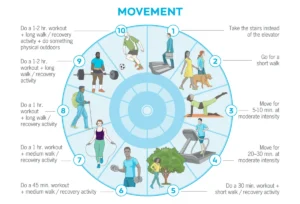
- Adjust Exercise Intensity: During menopause, recovery times lengthen, and injury risk increases. Intense, long workouts can exacerbate fatigue and irritability. Instead, integrate shorter, moderate sessions, balancing vigorous activity with gentler forms like yoga or stretching, especially before bed. Short bursts of exercise, like a 5-10 minute walk or a quick set of squats, can provide an alertness boost during the day.
- Investigate Cognitive Behavioral Therapy for Insomnia (CBT-I): This evidence-based therapy equips individuals with skills and mental reframes to improve sleep quality, such as maintaining a consistent wake-up time regardless of prior night’s sleep.
- Realistically Manage Stress: Re-evaluate responsibilities and commitments. Track time and bandwidth to identify areas for downsizing or delegating. Ask: "Is this essential?" "Can someone else do this?" "Does this align with my priorities?" Learning to say "no" to non-essential demands can free up vital mental and emotional resources.
- Utilize Cooling Technology: A cooler sleep environment can significantly reduce night sweats and improve sleep quality. Strategies include lowering the thermostat, using fans, or investing in cooling mattress pads.
- Incorporate Frequent Breaks: When brain fog sets in, productivity plummets. Instead of pushing through, take intentional breaks: engage in deep breathing, listen to music, meditate, or practice a 5-minute mind-body scan to observe physical sensations and thoughts without judgment.
- Adopt a Brain-Healthy Diet: Dietary patterns that protect the heart also protect the brain. The MIND and Mediterranean diets, rich in vegetables, fruits, whole grains, healthy fats (like olive oil), beans, and fish, are associated with reduced risks of Alzheimer’s and depression. Nitrate-rich foods such as beets and dark leafy greens can temporarily improve memory by enhancing blood flow to the brain.
The Hidden Opportunity of Menopause
While the challenges of menopause, particularly the cognitive and emotional symptoms, can be immensely frustrating, this life stage also presents a profound opportunity for re-evaluation and recalibration. For the woman whose story opened this discussion, the diminishment of her mental capacity forced an existential question: "Do I really need to be doing this?" This introspection allowed her to reassess her priorities and how she allocated her finite mental resources. She realized that working eight hours a day, cooking elaborate dinners nightly, or always saying "yes" were not necessities but choices. This shift in perspective empowered her to prioritize what truly mattered: nurturing relationships with aging parents, connecting with her college-aged child, and enjoying leisurely walks with friends.
Thanks to a combination of appropriate hormone therapy and conscious lifestyle adjustments, she regained her energy and mental clarity. Yet, she now intentionally concludes her workday earlier, choosing to embrace a pace that aligns with her renewed understanding of personal capacity and well-being. Menopause, far from being solely a period of decline, can thus become a catalyst for profound personal growth, forcing a re-evaluation of life’s demands and fostering a deeper appreciation for self-care and meaningful engagement. It highlights the critical importance of a healthcare system equipped to understand, diagnose, and treat this complex, yet natural, transition in every woman’s life.
References
Click here to view the information sources referenced in this article. (This is a placeholder for the original reference list, which was not provided in the prompt but implied by the original text’s "Click here to view the information sources referenced in this article." and the footnote markers.)