
The global culinary landscape is currently witnessing a significant shift toward the domestic production of pantry staples, a movement driven by rising grocery costs, health consciousness, and a desire for gourmet customization. Among these staples, celery salt—a fundamental seasoning in American cuisine—has emerged as a primary candidate for home manufacturing. By transitioning from commercially processed seasonings to "Do-It-Yourself" (DIY) alternatives, consumers are finding that they can produce high-quality condiments for a fraction of the retail price while exerting total control over ingredient integrity. This trend reflects a broader socio-economic move toward food autonomy and the revitalization of traditional food preservation techniques, such as dehydration and grinding, which were once commonplace in domestic kitchens.
The Economic Context of the Home Spice Industry
The economic incentive for producing homemade celery salt is substantial. Retail prices for specialty spices have seen a steady climb due to supply chain complexities and the overhead costs associated with packaging and marketing. A standard 4-ounce jar of brand-name celery salt often retails for several dollars, whereas the raw components—bulk celery seeds and table or sea salt—can be procured at significantly lower price points. When produced at home, the cost per ounce drops to what experts describe as "pennies on the dollar."
This cost-effectiveness is particularly relevant in an era of "shrinkflation," where commercial manufacturers may reduce the volume of the product while maintaining or increasing the price. By purchasing raw ingredients in bulk, the home cook bypasses the "convenience tax" levied by spice manufacturers. Furthermore, the ability to produce small, fresh batches prevents the economic waste associated with large jars of spices losing their potency on the shelf over several years.

Customization and the Gourmet Evolution
Beyond the financial advantages, the DIY movement allows for a level of gourmet sophistication that is rarely available in mass-market products. Standard commercial celery salt typically utilizes highly refined table salt and ground celery seed. However, the homemade approach permits the use of diverse mineral bases.
- Mineral-Rich Salts: Enthusiasts are increasingly opting for Himalayan pink salt, which contains trace minerals, or Celtic sea salt, known for its higher moisture content and distinct briny flavor.
- Infused and Smoked Variations: The use of smoked salts provides a depth of flavor that complements grilled meats and heavy stews, transforming a simple condiment into a complex culinary tool.
- Sodium-Free Alternatives: For individuals managing hypertension or other cardiovascular issues, the ability to substitute sodium chloride with potassium-based substitutes, such as Herbamare, is a critical health benefit. This allows for the retention of the "umami" and herbal notes of celery without the adverse effects of high sodium intake.
The Anatomy of the Ingredients: Seeds vs. Powder
The quality of homemade celery salt is largely dictated by the source of the celery flavor. Traditionally, ground celery seeds (the dried fruit of Apium graveolens) are used. These seeds contain concentrated volatile oils, including apiol and sedanolide, which provide the characteristic earthy and slightly bitter aroma.
However, a more recent "gourmet" development involves the use of celery powder derived from dehydrated celery stalks and leaves. This method requires a food dehydrator, where fresh celery is dried at low temperatures—typically around 125°F (52°C)—to preserve its color and nutritional profile. Once the moisture is removed, the vegetable is pulverized into a fine powder. This version offers a brighter, more vegetal flavor profile compared to the more pungent, spicy notes of the seed-based version. The integration of these two methods allows the home cook to tailor the seasoning to specific dishes, such as using seed-based salt for Chicago-style hot dogs and leaf-powder-based salt for delicate soups or salads.
Technical Specifications and Yield
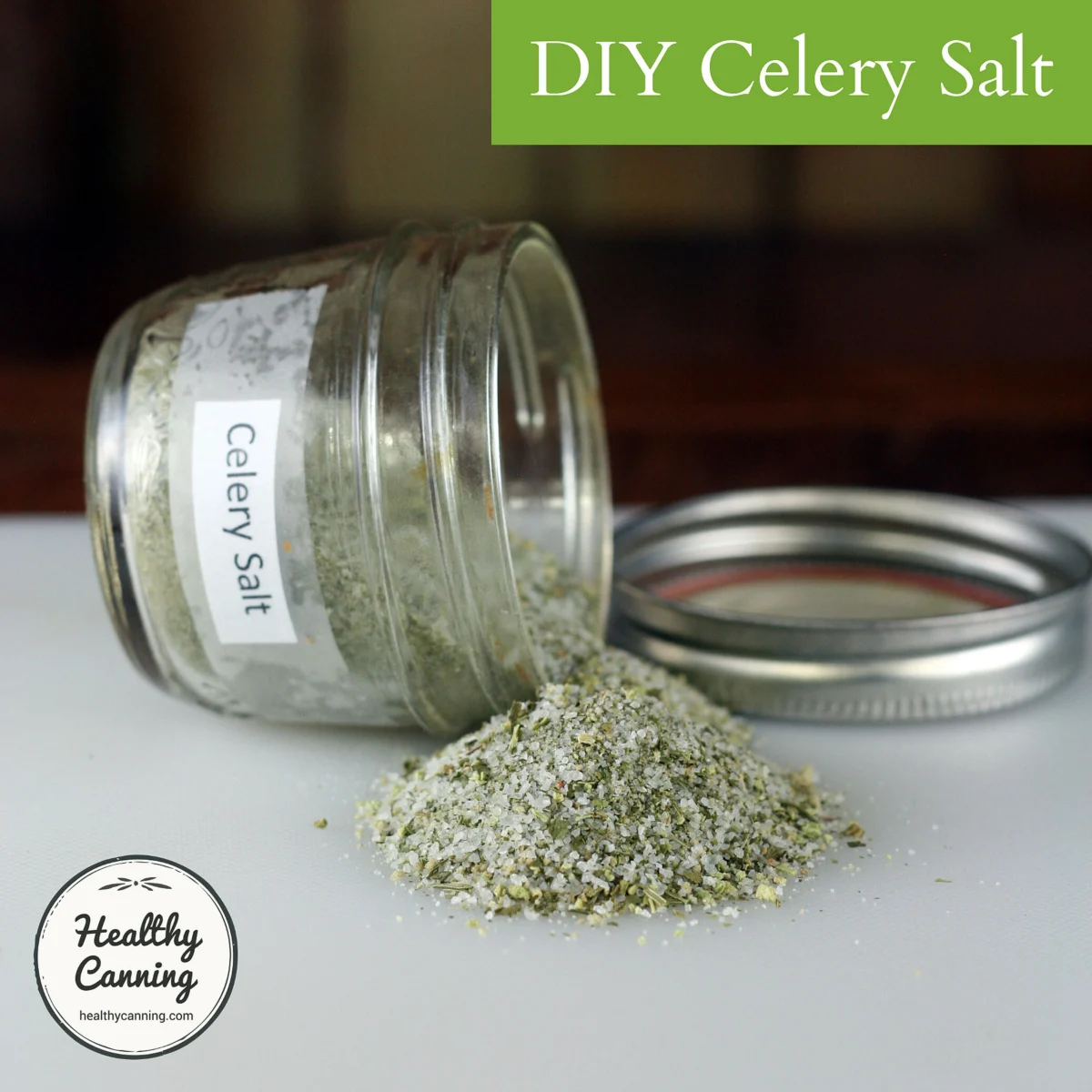
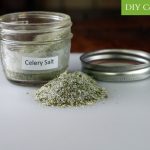
In standardized testing derived from various culinary sources, including specialized food preservation outlets, a basic recipe yields approximately 5 tablespoons or 75 grams of finished product. The ratio generally favors the salt base, but the proportions can be adjusted based on the potency of the celery component.

The physical characteristics of the salt used—whether fine-grain or coarse—will affect the final volume and the way the seasoning adheres to food. Journalistic observation of the process suggests that for the most uniform distribution, both the celery component and the salt should be of a similar textural grade. This often necessitates a secondary grinding phase where the two ingredients are pulsed together in a spice grinder or a mortar and pestle to ensure a homogenous mixture.
A Chronology of the DIY Spice Movement
The resurgence of homemade spices can be traced through a clear timeline of shifting consumer priorities:
- Pre-1950s: Home spice blending was a necessity of the agrarian lifestyle, with many households drying their own herbs and mixing their own seasonings.
- 1950s–1990s: The rise of industrial food processing and supermarkets led to the dominance of pre-mixed, shelf-stable spices. Convenience became the primary driver of consumer behavior.
- 2000s–2010s: The "Foodie" culture emerged, alongside a growing awareness of food additives. Consumers began seeking "clean labels" and organic options.
- 2020–Present: The global pandemic acted as a catalyst for home-based skills. With supply chain disruptions and more time spent at home, many consumers invested in kitchen hardware like dehydrators and high-speed blenders, leading to a permanent shift in how pantry staples are perceived and produced.
Health Implications and Regulatory Perspectives
From a nutritional standpoint, the DIY approach addresses several concerns regarding commercial food additives. Many mass-produced salts contain anti-caking agents such as silicon dioxide or sodium aluminosilicate. While these are recognized as safe by the FDA in small quantities, the home-produced version eliminates the need for these chemicals entirely.
Furthermore, the "Master Food Preserver" community—a network of experts trained in food safety and preservation—emphasizes the importance of proper storage. Because homemade celery salt lacks commercial preservatives, it must be stored in airtight containers in a cool, dark environment to prevent the oxidation of the volatile oils in the celery. Experts suggest that for maximum flavor, homemade batches should be consumed within six to twelve months, a significantly shorter window than the multi-year shelf life of chemically stabilized commercial products.
Broader Impact on Sustainability and Waste Reduction
The environmental implications of the DIY spice movement are often overlooked but are increasingly relevant to the global conversation on sustainability. By making celery salt at home, consumers contribute to a reduction in several areas:
- Plastic and Glass Waste: The elimination of single-use spice jars reduces the burden on recycling and landfill systems.
- Carbon Footprint: Reducing the demand for pre-packaged spices lowers the energy requirements for industrial manufacturing and long-distance shipping.
- Food Waste: The ability to turn surplus garden celery or "ugly" grocery store celery into powder provides a functional use for produce that might otherwise be discarded.
Professional Culinary Applications
Professional chefs have long utilized house-made salt blends to distinguish their flavor profiles. Celery salt, in particular, is a "secret ingredient" in many famous recipes. It is the primary component of the "Old Bay" style seasoning used in seafood boils and is the essential rimming salt for a classic Bloody Mary. By producing this blend in-house, restaurants and home cooks alike can control the "salt-to-spice" ratio, ensuring that the celery notes are not overwhelmed by salinity—a common complaint with cheaper commercial brands.
Conclusion: The Future of the Domestic Pantry
The transition to homemade celery salt is more than a culinary trend; it is a manifestation of a growing demand for transparency and quality in the food system. As more consumers adopt tools like dehydrators and spice grinders, the boundary between the "industrial kitchen" and the "domestic kitchen" continues to blur.
The data suggests that as long as economic pressures persist and the desire for personalized nutrition grows, the DIY condiment movement will continue to expand. Whether it is a batch of celery salt made for a weekend barbecue or a sodium-free version crafted for medicinal reasons, the act of blending one’s own spices represents a return to a more intentional and sustainable way of eating. This "pennies on the dollar" investment yields dividends not just in financial savings, but in the superior flavor and health benefits that only fresh, artisanal ingredients can provide.