The onset of the academic calendar brings a predictable shift in household dynamics, characterized by constrained morning windows and the logistical challenge of ensuring students maintain adequate nutrition throughout the school day. As families navigate the transition from summer leisure to the rigorous structure of the school year, the implementation of strategic meal preparation has become an essential practice for maintaining efficiency and dietary consistency. Data from the U.S. Department of Agriculture (USDA) suggests that establishing a structured food preparation routine can significantly reduce reliance on processed, pre-packaged convenience foods, which are often higher in sodium and added sugars.

The Logistics of Academic Nutrition
For the average family, the school morning is a high-pressure period. Coordinating school runs, professional commitments, and extracurricular activities leaves little room for the daily task of assembling nutritious lunches. Industry experts in pediatric nutrition emphasize that when meal planning is absent, parents frequently resort to impulsive, less-nutritious choices. By dedicating time on a weekend to "batch prep," families can ensure that protein, complex carbohydrates, and fiber are readily available in the refrigerator.

This practice is not merely about convenience; it is a matter of food safety and metabolic stability. A study by the USDA highlighted that a concerning percentage of domestic food handlers fail to adhere to proper hand-washing protocols—specifically the 20-second scrubbing requirement—during meal preparation. Implementing a systematic approach to kitchen hygiene is a critical component of professional-grade meal prep, ensuring that the food packed on Sunday remains safe for consumption by Thursday.
Chronology of a Successful Prep Session
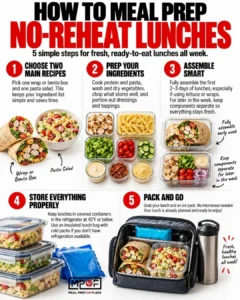
To maximize efficiency, nutritionists and professional organizers recommend a three-phased approach to the weekend prep session:
- Strategic Procurement (Friday): The process begins with a comprehensive inventory of the pantry, followed by the drafting of a targeted grocery list. Experts advise shopping the perimeter of the supermarket, where fresh produce, lean proteins, and dairy are located, to avoid the high-sodium, shelf-stable aisles.
- Sanitization and Preparation (Saturday Morning): Before any food is handled, all surfaces must be sanitized. The preparation phase should prioritize raw ingredients—chopping vegetables, roasting proteins, and portioning grains. These "building blocks" allow for flexible assembly throughout the week.
- Storage and Thermal Management (Sunday Afternoon): Final assembly occurs in food-safe, airtight containers. For those packing items that require temperature control, the use of insulated bags equipped with dual cold sources is non-negotiable. This maintains an internal temperature below 40°F, preventing the rapid bacterial growth associated with room-temperature food storage.
Data-Driven Benefits of Meal Planning
The shift toward pre-planned meals has been supported by recent surveys regarding household spending. On average, families who prepare school lunches at home reduce their weekly food expenditure by approximately 30% compared to those purchasing cafeteria-provided meals or pre-packaged snack kits. Beyond the fiscal impact, the educational implications are notable. Research published in the Journal of School Health indicates that students who consume nutrient-dense, balanced meals exhibit higher levels of cognitive endurance and focus during afternoon instructional periods.

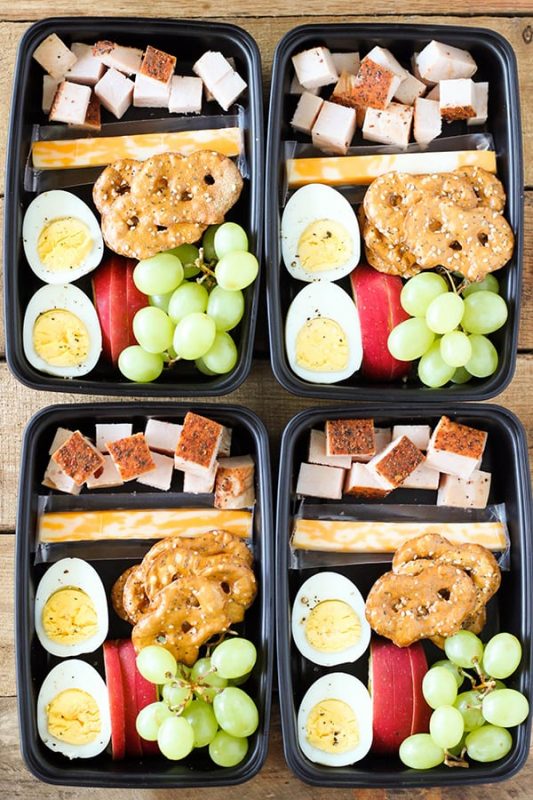
The "Lunchbox Gap"—a term used by nutritionists to describe the mid-afternoon energy slump—is often exacerbated by high-glycemic snacks. By replacing these with high-protein options like Greek yogurt, hard-boiled eggs, or legume-based hummus, parents can stabilize their children’s blood sugar, facilitating better academic performance.
Professional Perspectives on Food Safety
The importance of temperature regulation cannot be overstated. A common error in lunch preparation is the reliance on thin, paper-based carriers that provide zero thermal insulation. Food safety guidelines from the CDC state that perishable food items left in the "danger zone"—temperatures between 40°F and 140°F—for more than two hours must be discarded.

For parents who choose to include hot items, such as soups or pasta, the use of a pre-warmed vacuum-insulated thermos is the recommended industry standard. By filling the container with boiling water for five minutes before emptying and adding the hot meal, the container’s thermal mass is elevated, allowing the food to remain at a safe, palatable temperature for up to six hours.
Broader Implications for Educators
The movement toward structured meal prep is not limited to households with children; educators are also adopting these strategies to combat burnout. Teachers often face limited break times, making it difficult to access nutritious food during the school day. Organizations like "Workweek Lunch" have begun providing specialized meal plans for educators, focusing on "grab-and-go" meals that require no reheating.
This professionalization of lunch prep is a growing trend in the education sector, as school districts recognize that faculty wellness is directly tied to student success. When teachers are properly fueled, their capacity for classroom management and instructional delivery remains consistent throughout the day.
Future Outlook: Technology and Kitchen Efficiency
The landscape of meal prep is evolving with the integration of digital tools. Mobile applications that sync grocery lists with real-time inventory and smart containers that track the shelf life of stored items are becoming more prevalent. These technological advancements aim to remove the mental load of daily planning, allowing families to treat meal preparation as a logistical operation rather than a chore.

As we move further into the school year, the focus remains on consistency. The consensus among nutritionists is that the most successful meal prep systems are those that are sustainable—not necessarily those that are the most elaborate. Whether it is a batch of egg cups for the week’s breakfasts or a series of pre-portioned protein boxes for lunches, the objective is to eliminate the friction that leads to poor dietary choices.
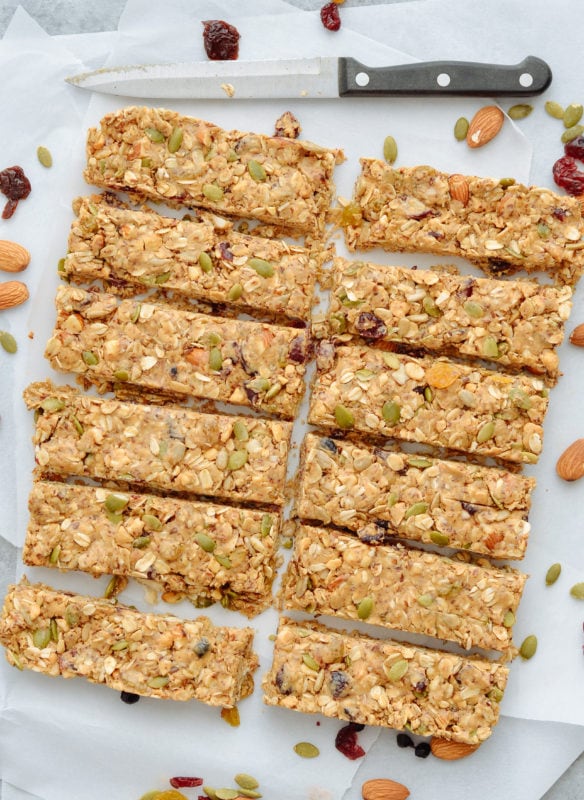
Summary of Best Practices
To ensure a seamless transition into the school year, families should adhere to the following principles:

- Temperature Integrity: Always use two cold sources (ice packs or frozen water bottles) in insulated bags.
- Hygiene Standards: Enforce a strict 20-second hand-washing rule and sanitize all prep areas before beginning.
- Collaborative Planning: Involve children in the selection of menu items. This increases the likelihood of consumption and reduces food waste, as children are more likely to eat meals they have helped to design.
- Sustainability: Utilize reusable, BPA-free containers. Not only does this reduce environmental impact, but it also creates a consistent visual cue for what needs to be packed each night.
By treating the "Back to School" period as a logistical challenge to be solved through preparation rather than an emergency to be managed daily, families can reclaim valuable time and improve the overall health outcomes of their students. The integration of these strategies into the weekly routine represents a proactive approach to the demands of modern education and family life.