
Dough hydration, a seemingly simple calculation in sourdough bread baking, unfolds as one of its most intricate and rewarding aspects. The precise ratio of water to flour is not merely a numerical guideline but a dynamic dialogue between the baker and their dough, influenced by a constellation of factors including ambient temperature, humidity, and crucially, the unique characteristics of the flour itself. This guide delves into the accumulated wisdom of years spent experimenting at the kitchen counter, offering insights into the science behind hydration percentages, practical strategies for real-time adjustments, and the profound impact this fundamental element has on the final loaf. For many home bakers, mastering hydration is the key to unlocking consistently superior sourdough, transforming loaves from dense and tight to open and airy.
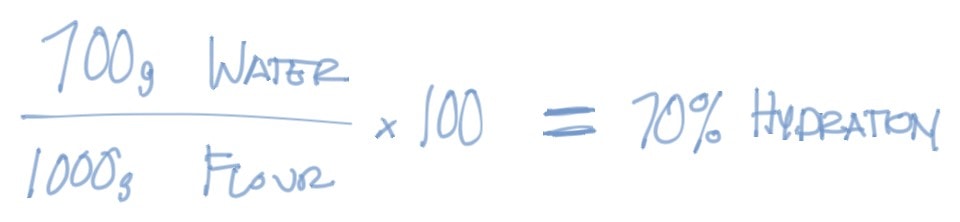
At its core, dough hydration is defined as the total weight of water in a recipe, expressed as a percentage of the total flour weight. This is calculated using a straightforward formula: (Weight of Water / Total Flour Weight) 100. For instance, a recipe calling for 1,000 grams of flour and 700 grams of water yields a hydration level of 70% (700 ÷ 1,000 100 = 70%). This percentage serves as an initial benchmark, providing bakers with an expectation of the dough’s behavior before the mixing process even begins. However, experienced bakers understand that this percentage is a starting point, not an immutable law.
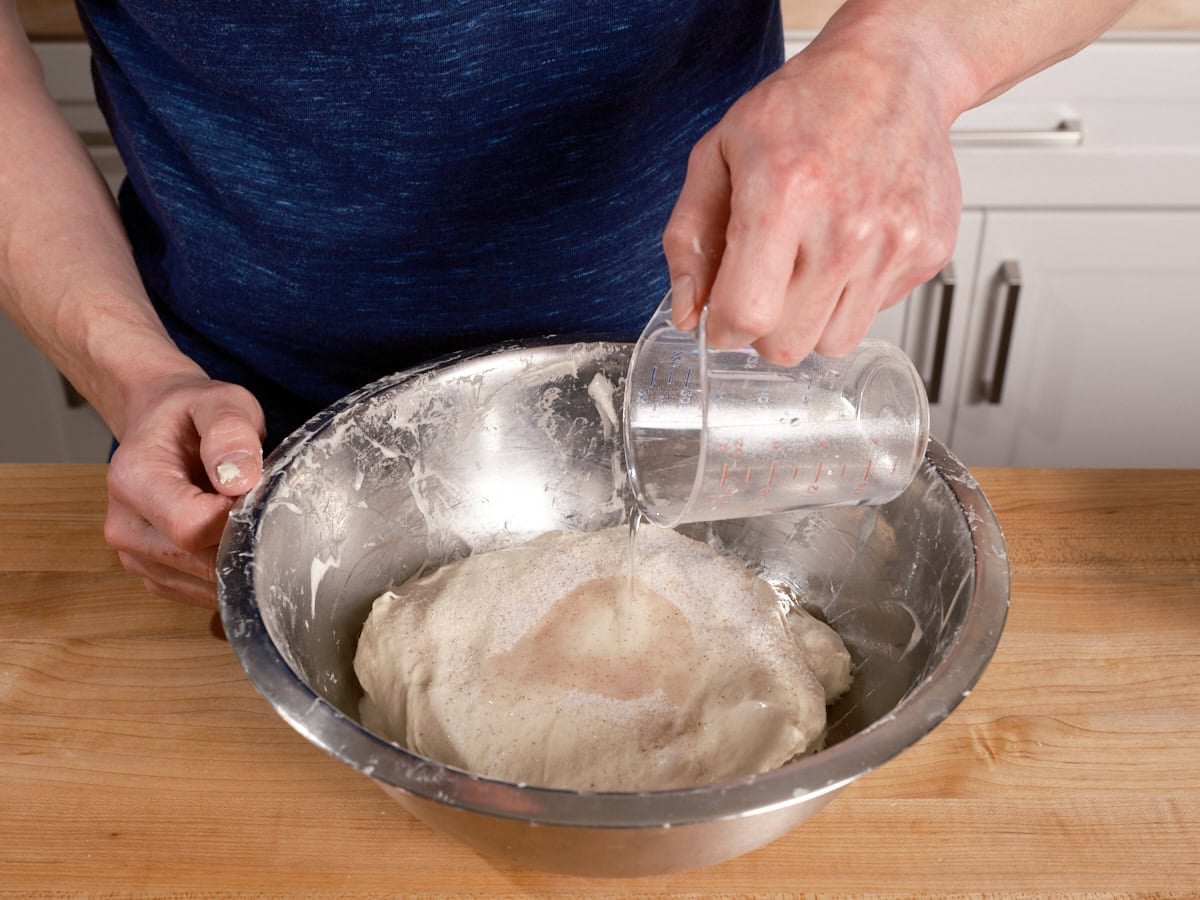
Flour: The Unpredictable Foundation
A critical revelation for any aspiring sourdough baker is that flour is far from a static ingredient. Its absorptive capacity varies significantly depending on its type, the mill that processed it, and even the specific batch within a bag. This inherent variability means that a recipe’s stated hydration might behave differently from one bake to the next. For example, a medium-protein all-purpose flour might require a different water percentage than a high-protein bread flour or a whole-grain rye. The protein content, in particular, plays a pivotal role. Flours with higher protein percentages (typically 12-14% in American bread flours) develop a stronger gluten network, enabling them to absorb and retain more water, which can lead to a more tender crumb. Conversely, lower-protein flours, common in many European regions, are "softer" and may require reduced hydration to avoid an overly sticky and unmanageable dough.
Environmental Influences: The Subtle Dance with Climate
While flour is the primary variable, environmental conditions also exert a subtle influence. Significant shifts in humidity and temperature can affect how dough behaves. A dough that feels perfectly manageable on a dry day might feel slack and wet on a humid, rainy afternoon, as the flour has already absorbed some moisture from the air. While less impactful than flour type, these environmental factors necessitate a degree of attunement to the dough’s texture and consistency, rather than blind adherence to a recipe’s hydration percentage.
The Fundamental Importance of Hydration
The significance of dough hydration lies in its direct correlation with the final loaf’s characteristics. Water is the transformative agent that converts inert flour into a living, fermenting dough capable of capturing the gases produced by wild yeasts and bacteria.
- Insufficient Water: Leads to a tight, resistant dough. The resulting bread often exhibits a dense crumb, a thick, chewy crust, and can be challenging to digest. Lower-hydration loaves (typically 60-68%) are often favored for their structural integrity, making them suitable for applications like bagels, pretzels, and some pizza crusts where a more substantial bite is desired.
- Excessive Water: Results in a soupy, unmanageable mass that struggles to hold its shape. This can lead to a collapsed loaf with a gummy crumb and a tendency to stale rapidly.
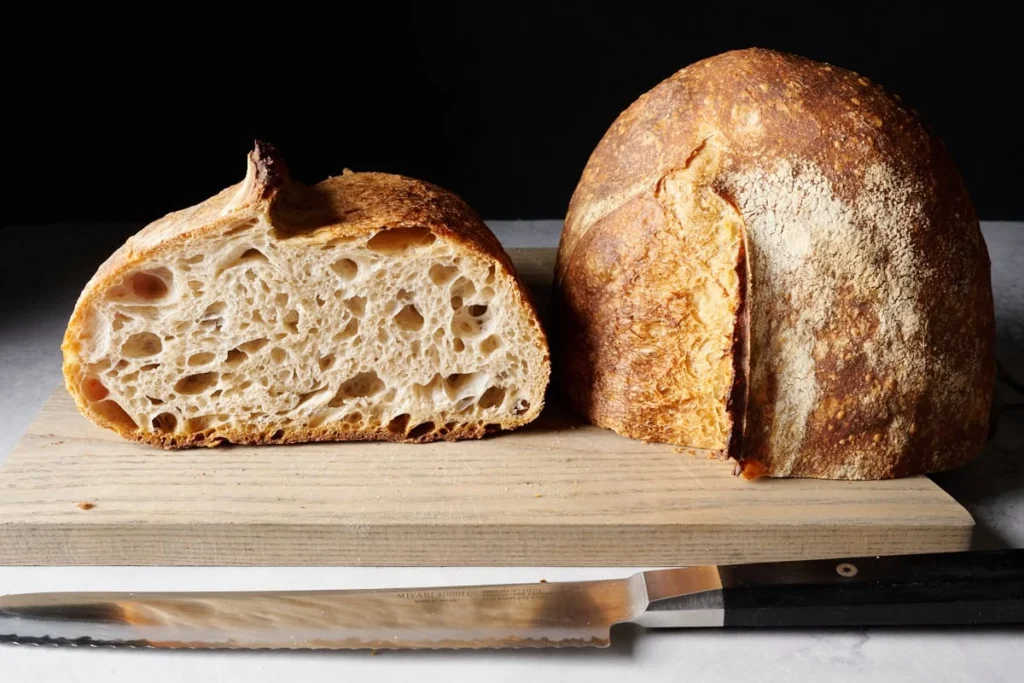
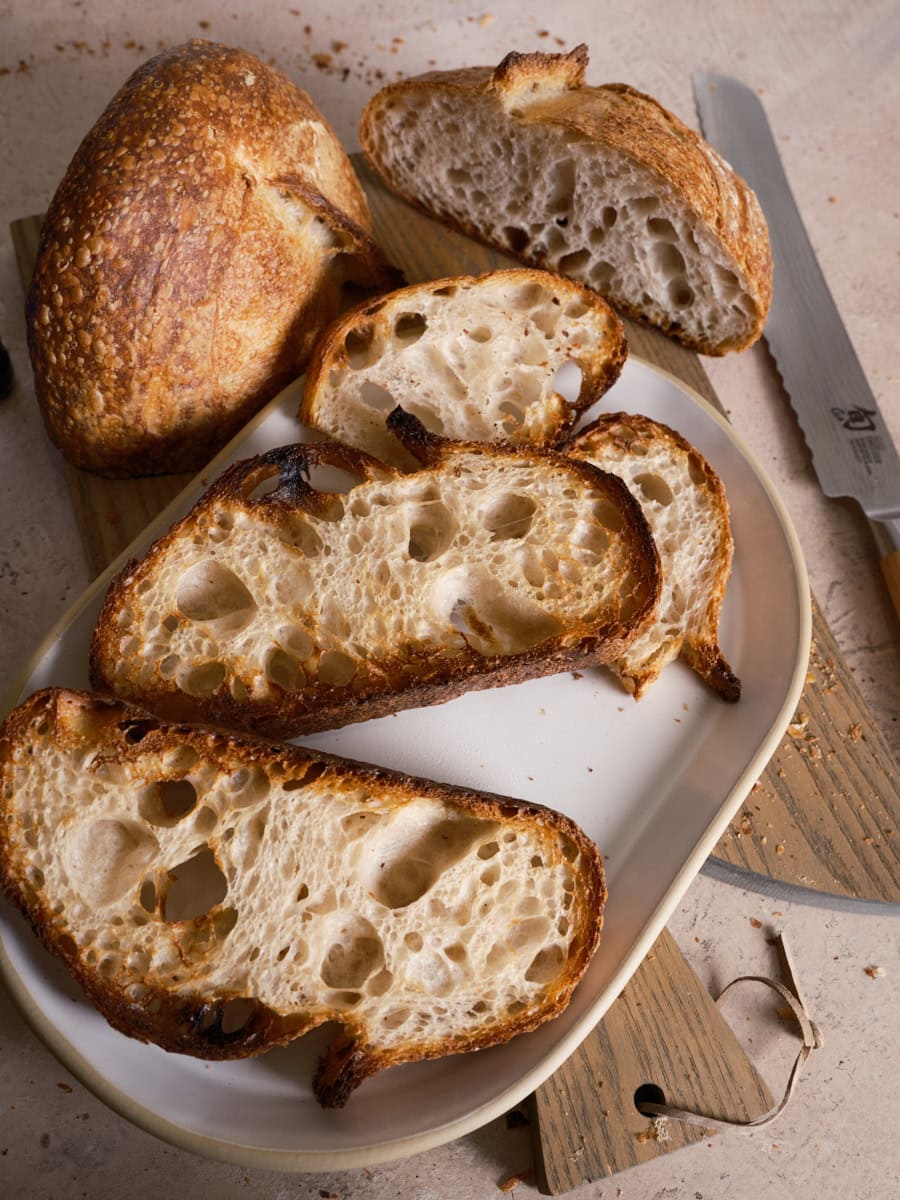
The spectrum between these extremes offers a diverse range of bread styles. As hydration increases, the crumb typically becomes more open and tender. Loaves at the higher end of the hydration spectrum (75-85% and beyond) often boast a delicate, almost custardy interior and a thin, brittle crust. These are characteristic of breads like ciabatta and focaccia, prized for their ethereal texture. However, pushing hydration too high can compromise the loaf’s structure, leading to a gummy texture, poor shelf life, and a risk of collapse. The goal, therefore, is to find a hydration level that achieves desired textural qualities without sacrificing volume, crumb, or overall eating experience.
Understanding the Extremes: A Comparative Look
To illustrate the impact of hydration, consider these typical characteristics:
Lower-Hydration Bread (60-68%)
Bakers working with lower hydration levels often observe:
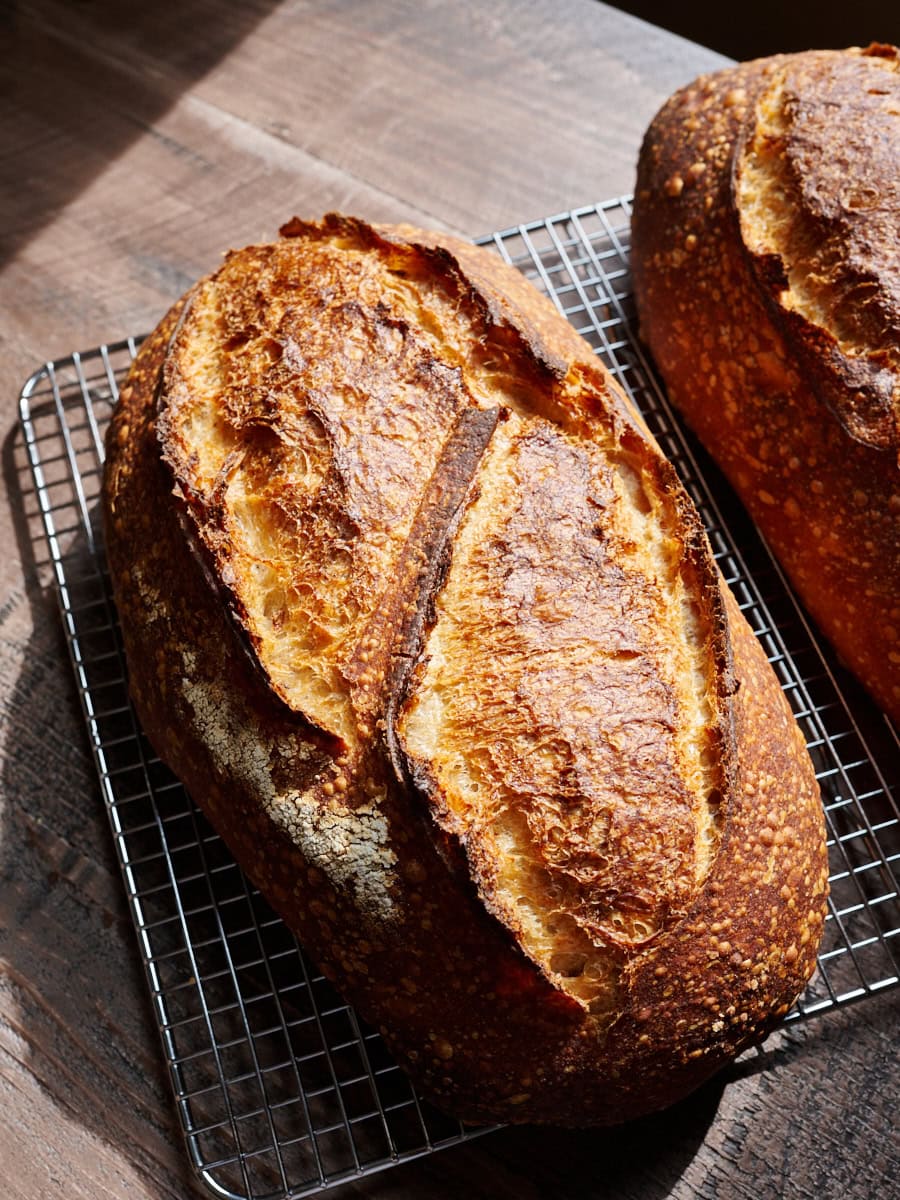
- Ease of Handling: The dough is generally less sticky and easier to shape, making it more forgiving for beginners.
- Tighter Crumb: The interior structure tends to be more compact, with smaller, more uniform air pockets.
- Thicker Crust: The crust often develops a more robust, chewy texture.
- Good Structure: These loaves tend to hold their shape well, making them ideal for slicing and toasting.
Higher-Hydration Bread (75-85%+)
Conversely, increasing hydration brings about distinct changes:
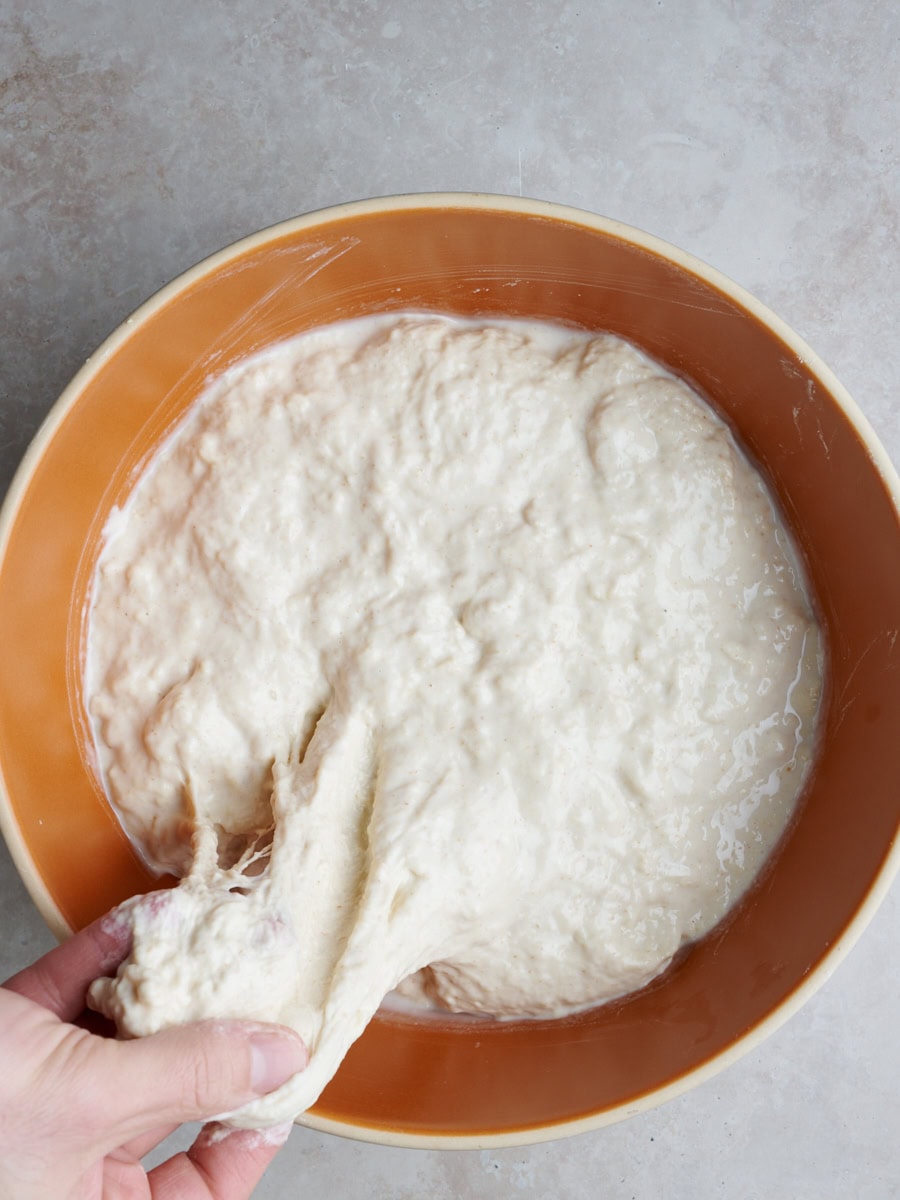
- Increased Stickiness: The dough becomes more challenging to manage, often requiring specialized techniques.
- Open, Airy Crumb: The potential for large, irregular air pockets (the "open crumb") significantly increases.
- Thin, Crispy Crust: The crust tends to be delicate and shatteringly crisp.
- Tender, Custardy Interior: The crumb can achieve a remarkably soft, almost melt-in-your-mouth quality.
While personal preference plays a significant role, many bakers gravitate towards higher hydration for its desirable textural outcomes. However, it’s crucial to recognize that there’s a point where increased water becomes detrimental, leading to a loaf that is structurally unsound and stales prematurely. The art lies in finding the optimal hydration for the specific flour and desired bread style.
Bassinage: The Technique of Gradual Hydration
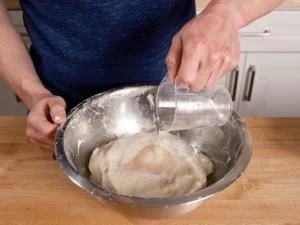
A transformative technique for working with higher hydration doughs is bassinage, also known as "double hydration." This method involves withholding a portion of the total water and adding it gradually during the later stages of mixing, after the flour has begun to absorb the initial water and the gluten network has started to develop.
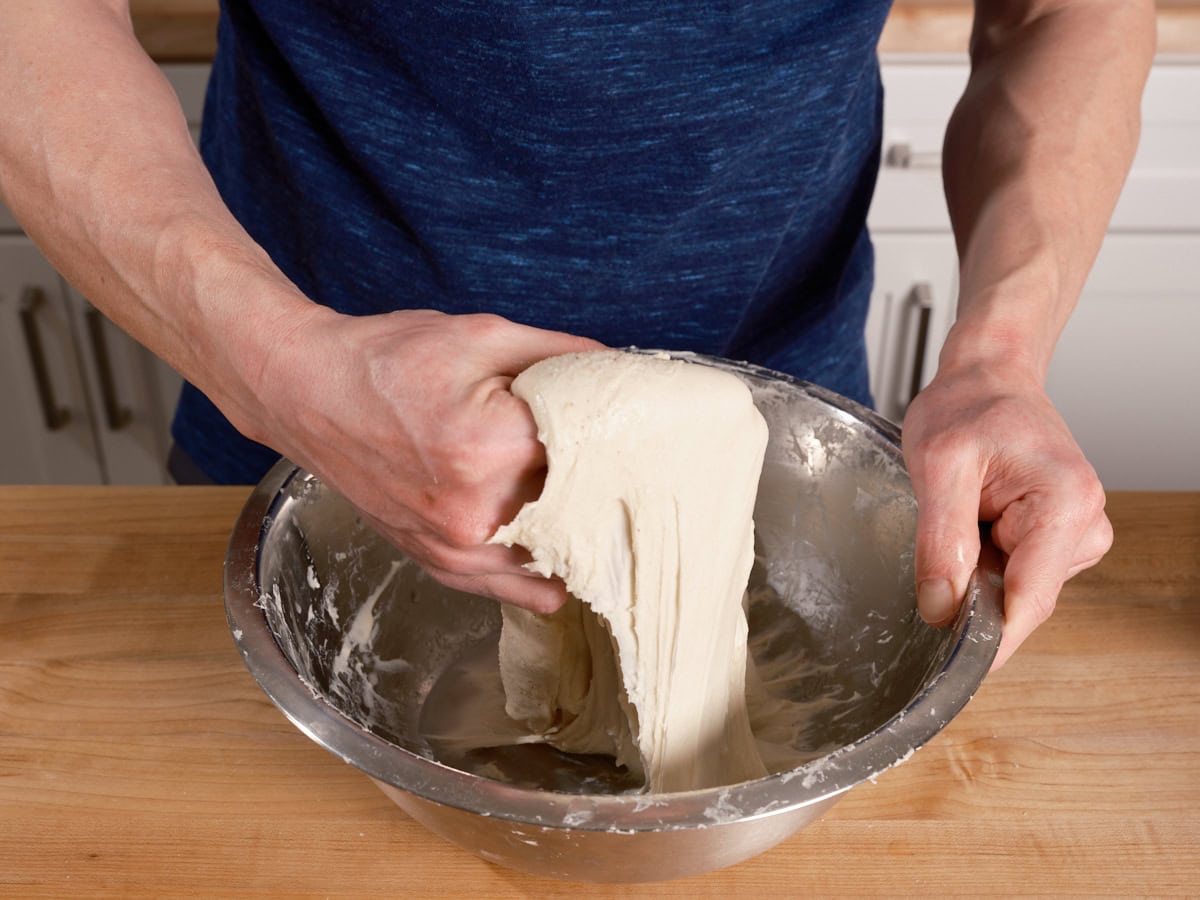
The benefits of bassinage are manifold:
-
Facilitated Gluten Development: By introducing all the water at once, especially in high-hydration recipes, it can be exceptionally difficult to develop the gluten structure effectively. The high water content can inhibit friction, which is essential for strengthening the gluten matrix. Adding most of the water initially (around 80-90%) and then gradually incorporating the remainder allows for more efficient gluten development. This enables bakers to achieve higher hydration levels without excessively long mixing times or the risk of under-developing the dough.
-
Dough Strength Assessment: Holding back water provides a critical opportunity to assess the dough’s strength towards the end of the mixing process. The baker can then make an informed decision about whether to incorporate the reserved water or omit it entirely. Many advanced recipes incorporate this by specifying "Water 1" (for initial mixing and autolyse) and "Water 2" (a smaller, reserved amount for final adjustment). A practical approach is to omit Water 2 if the dough already feels overly slack, or to add it slowly if the dough demonstrates sufficient strength to incorporate more moisture.
Factors Influencing Dough Water Absorption
Several key factors influence how much water a particular dough will absorb and require:
- Flour Type and Protein Content: As previously mentioned, higher protein flours can absorb more water. American bread flours, with their typically higher protein content, often necessitate increased hydration for optimal texture. Conversely, softer flours from other regions may benefit from lower hydration levels.
- Whole Grain Flours: The bran and germ present in whole wheat, rye, and other whole grain flours are highly absorbent. Recipes featuring a significant proportion of these flours will require more water to achieve proper dough consistency. For example, a 50% whole wheat sourdough might comfortably accommodate 82% hydration, a level that would be challenging with 100% white flour.
- Freshly Milled Flour: Flour that has been freshly milled, even after sifting, tends to absorb more water than aged flour to achieve the desired dough consistency.
- Climate and Environment: Bakers in arid, high-altitude regions often require higher hydration percentages than those in humid, low-altitude environments. Even subtle daily variations in humidity can impact flour’s moisture absorption, necessitating minor adjustments.
Troubleshooting: Why is My Dough So Sticky?
Sticky dough is a common point of frustration for sourdough bakers and is frequently linked to hydration levels, dough strength, or a combination of both. The primary reasons include:
- Excessive Hydration: The most direct cause is simply adding too much water relative to the flour’s capacity.
- Insufficient Gluten Development: If the gluten network is not adequately developed, it cannot effectively trap and hold the water, leading to a slack, sticky dough.
- Flour Type: Certain flours, particularly those with lower protein content or specific milling characteristics, may inherently feel stickier at a given hydration level.
- Temperature: Warmer doughs can feel stickier due to increased enzymatic activity and faster gluten development, which can initially make the dough feel more pliable and less structured.
Mastering High-Hydration Doughs: Essential Tips
As hydration increases, dough stability decreases. Pushing the water content is akin to stressing the gluten matrix to its limits. Managing high-hydration doughs effectively requires specific strategies:

- Develop Dough Strength Early: Focus on building a robust gluten network through techniques like stretch-and-folds or coil folds during the bulk fermentation.
- Use Wet Hands or a Dough Scraper: When handling sticky dough, lightly wetting your hands or using a dough scraper can prevent excessive sticking.
- Avoid Over-Mixing: While developing strength is crucial, over-mixing can break down the gluten structure, leading to a gummy, unmanageable dough.
- Embrace the Stickiness: Accept that high-hydration doughs will be stickier. Patience and consistent technique are key.
- Consider Baking Vessels: For very high hydration doughs, baking in a Dutch oven or on a baking stone can provide better heat transfer and oven spring, helping the dough set up properly.
A Visual Guide to Dough Hydration Levels
Understanding how different hydration levels manifest visually is invaluable:
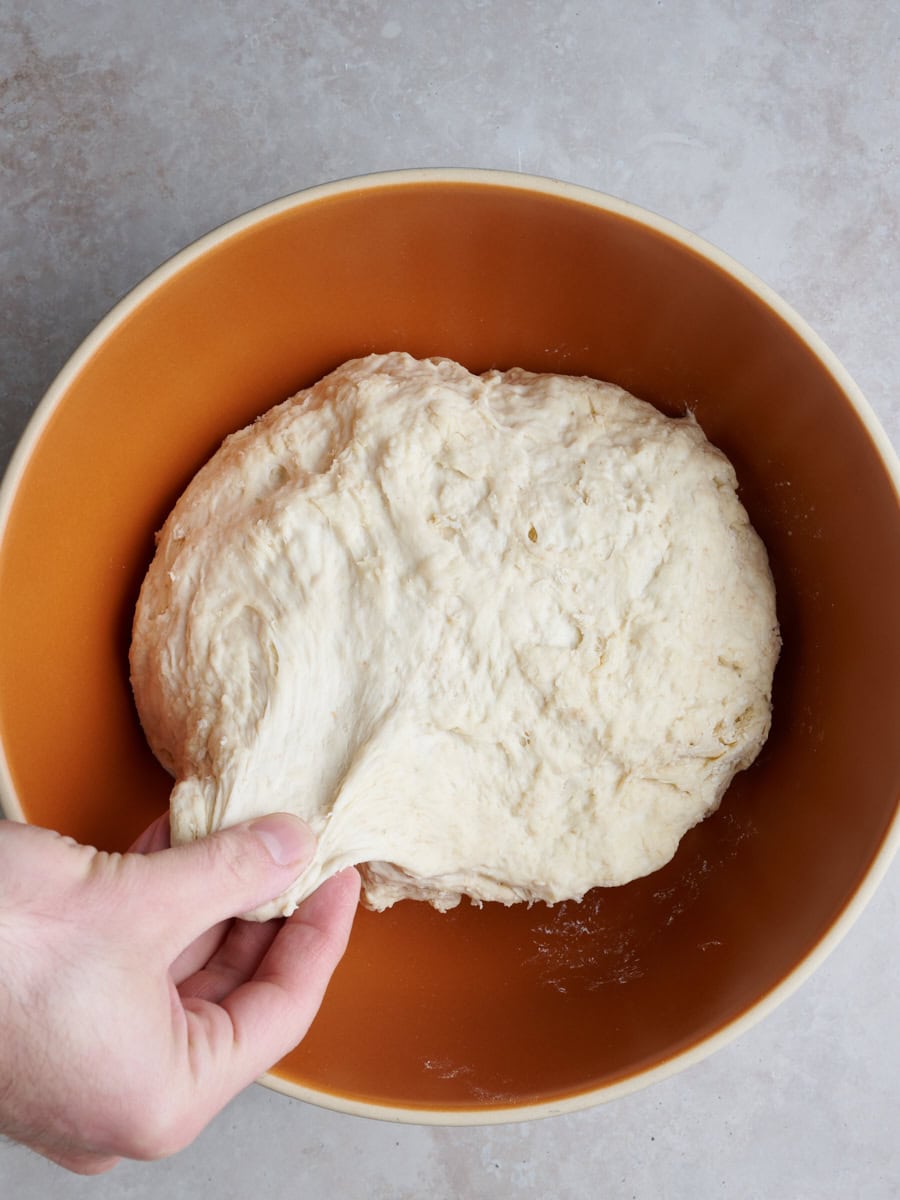
- Under-Hydrated (~62% or less): The dough appears dry, crumbly, and may resist stretching. It will feel stiff and tough to the touch. Signs include a dough that pulls away cleanly from the bowl with minimal sticking, and difficulty achieving a smooth, elastic texture.
- Just Right (~68-75%): The dough is pliable, elastic, and smooth. It will feel slightly tacky but should release cleanly from well-oiled hands. It exhibits a good balance of strength and extensibility, holding its shape reasonably well after mixing.
- Over-Hydrated (~75%+): The dough appears wet, slack, and may spread considerably. It will feel very sticky and challenging to handle, often clinging to surfaces. Signs include a dough that spreads out significantly when in the bowl and is difficult to shape without tearing.
Hydration Quick Reference Chart
| Hydration Level | Characteristics | Best For |
|---|---|---|
| 60-65% | Stiff, easy to handle, potentially thicker crust | Bagels, pretzels, pizza, some pan loaves |
| 65-70% | Balanced, manageable, good structure | Classic breads, beginner-friendly sourdough |
| 70-75% | Moderately open crumb, thin crust | Classic country loaves, baguettes |
| 75-80% | Requires longer mixing, tender crumb, requires skill | Ciabatta, focaccia, open-crumb loaves, sandwich loaves |
| 80%+ | Requires longer mixing, very open crumb, challenging to shape | High-hydration loaves, artisan breads with extremely open crumb |
Addressing Common Hydration Queries
Why can’t I just add more flour if my dough is too wet?
While seemingly a simple solution, adding flour alters the fundamental baker’s percentages of all other ingredients. Adjusting water, however, directly impacts only the hydration level in isolation, maintaining the balance of other components like salt and levain. In extreme cases where a dough is completely unmanageable, a small addition of flour can be a last resort, but it’s crucial to record this deviation for future reference.
Does higher hydration always mean a more open crumb?
Not necessarily. Hydration is only one factor influencing crumb structure. Fermentation, shaping technique, and baking conditions are equally critical. Achieving an open crumb requires a holistic approach to sourdough baking, not just a high water percentage.
What hydration level should a beginner start with?
For beginners, a hydration level of 68-70% using a quality bread flour is recommended. This offers a manageable dough that is forgiving while still yielding an excellent loaf. As confidence grows, bakers can gradually experiment with higher hydration levels.
What is the ideal hydration for bread dough?
There is no single "ideal" hydration. It is entirely dependent on the flour used and the desired characteristics of the final bread. Generally, most bread doughs fall within the 60%-80% hydration range, though variations exist.
Cultivating Baker’s Intuition
Ultimately, mastering dough hydration is about developing "baker’s intuition"—the ability to read and respond to what the dough is communicating, rather than rigidly adhering to numerical guidelines. Each bag of flour, each day, and each kitchen environment presents unique conditions. The most accomplished bakers view recipes as starting points for a collaborative dialogue with their ingredients.
The practice of keeping detailed baking notes is invaluable. Recording the hydration percentage used, the dough’s feel and behavior at each stage, ambient weather conditions, and the characteristics of the final loaf will, over time, foster an intuitive understanding of hydration that transcends any written guide. This journey of observation and adaptation is at the heart of the art of sourdough baking.