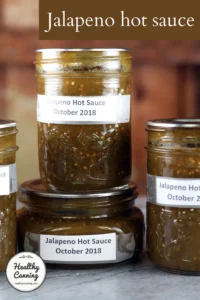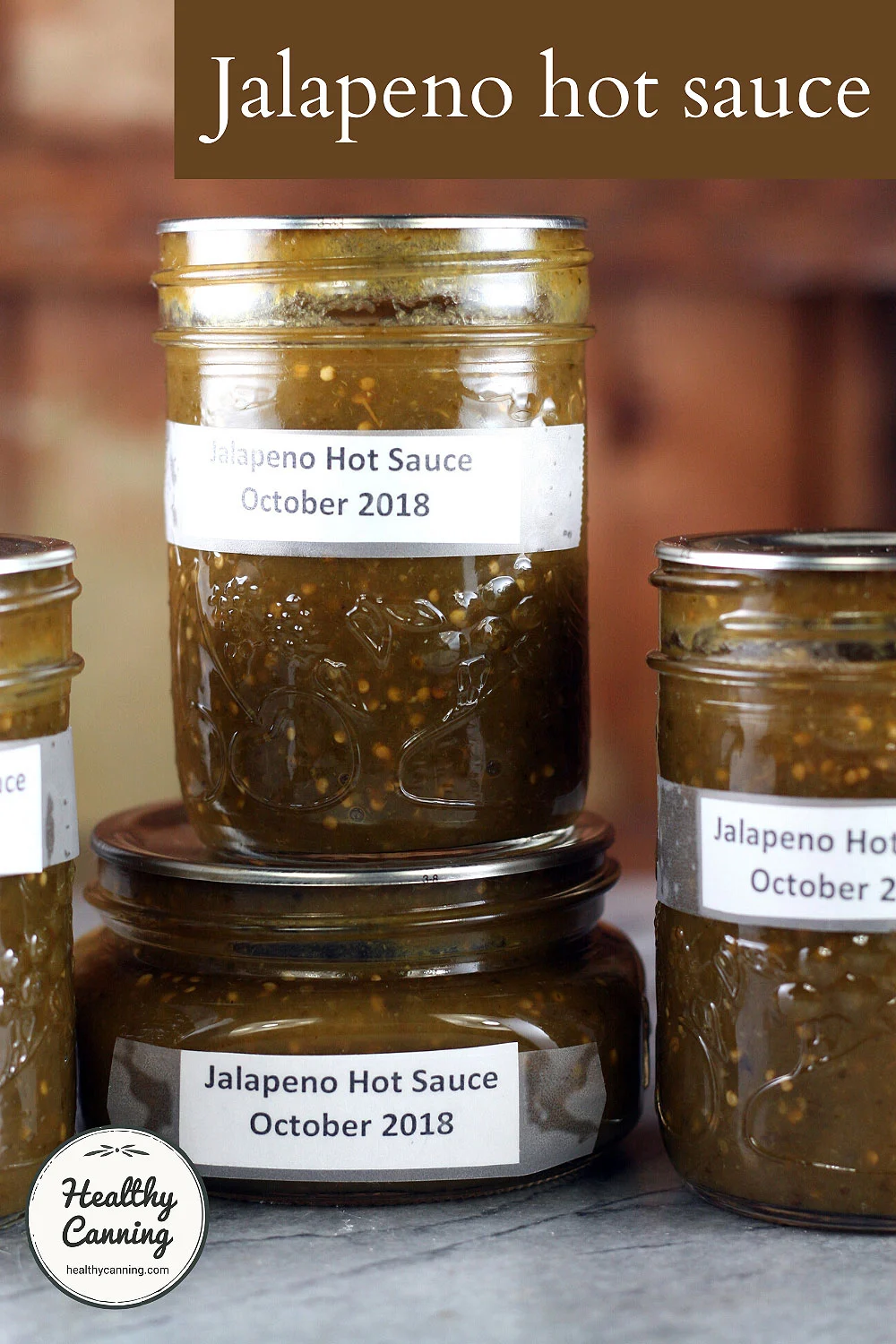

The art and science of home food preservation have seen a significant resurgence in recent years, driven by a growing consumer interest in food provenance, sustainability, and the desire for additive-free condiments. Central to this movement is the production of home-canned hot sauces, a culinary staple that balances heat, acidity, and shelf-stability. One of the most prominent recipes currently gaining traction among home canners is a specialized Jalapeno Hot Sauce, a vibrant green condiment that utilizes a foundation of tomatillos and jalapeno peppers. This specific formulation is significant not only for its flavor profile but for its adherence to rigorous safety standards established by the United States Department of Agriculture (USDA) and the National Center for Home Food Preservation (NCHFP).
By utilizing the USDA’s established "Cayenne Pepper Sauce" recipe as a structural template, preservers can safely swap traditional red tomatoes for tomatillos and substitute various peppers for green jalapenos. This flexibility, while strictly governed by acidity requirements, allows for a "spoonable," thick green sauce that serves as a versatile condiment for everything from grilled meats to egg dishes. Understanding the mechanics of this recipe requires an exploration of the science of acidification, the history of canning guidelines, and the precise methodology required to ensure a pathogen-free final product.
The Scientific Foundation of Acidification and Ingredient Substitution
In the realm of home canning, the primary concern is the prevention of Clostridium botulinum growth. This bacterium thrives in anaerobic (oxygen-free), low-acid environments, such as those found inside a sealed canning jar. To mitigate this risk in water-bath or steam canning, the pH of the food must be consistently below 4.6. The Jalapeno Hot Sauce recipe achieves this through a high concentration of vinegar and the natural acidity of its primary vegetables.

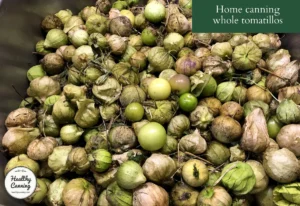
The transition from a red cayenne sauce to a green jalapeno sauce involves the substitution of tomatillos for tomatoes. From a botanical and safety standpoint, this is an acceptable swap because tomatillos (Physalis philadelphica) generally possess an acidity level comparable to or higher than many tomato varieties. Furthermore, the substitution of green jalapenos for other peppers is considered safe in the context of USDA guidelines, provided the total volume or weight of the peppers remains consistent with the original tested recipe. This ensures that the ratio of low-acid ingredients (peppers) to high-acid ingredients (vinegar) remains within the safety margin.
Chronology of Preservation: A Four-Hour Culinary Process
The production of this jalapeno-based condiment is an intensive process that spans approximately four hours, divided into preparation and cooking phases. This timeline is essential for achieving the desired "thick, spoonable" consistency that distinguishes it from thinner, vinegar-heavy commercial hot sauces.
- Preparation Phase (1 Hour): This stage involves the selection and cleaning of produce. For a standard yield of five half-litre (US pint) jars, a significant volume of peppers and tomatillos must be washed, stemmed, and prepared. Safety protocols during this phase include wearing gloves while handling jalapenos to prevent capsaicin burns and ensuring that all canning equipment—jars, lids, and rings—is inspected for defects.
- Cooking and Reduction Phase (3 Hours): Unlike quick-pickled items, this hot sauce requires a lengthy simmering period. This three-hour window allows the water content in the tomatillos and peppers to evaporate, concentrating the flavors and thickening the texture naturally without the need for artificial thickeners like cornstarch, which can interfere with heat penetration during the canning process.
- Processing Phase (10 Minutes + Cooling): Once the sauce reaches the desired consistency, it is ladled into jars with a 2 cm (1/2 inch) headspace. The jars are then processed in either a boiling water bath or a steam canner for 10 minutes. It is important to note that this processing time must be adjusted based on the altitude of the canner, as the boiling point of water decreases as elevation increases.
Supporting Data and Nutritional Analysis
The Jalapeno Hot Sauce is categorized as a low-calorie condiment, making it an attractive option for health-conscious consumers. According to nutritional data provided by Healthy Canning and CalorieCount, a single tablespoon serving contains approximately 8 calories. The macronutrient breakdown is as follows:
- Carbohydrates: 1.6g
- Protein: 0.3g
- Fiber: 0.3g
- Sugar: 0.8g
- Sodium: 2mg (This exceptionally low sodium count is a hallmark of home-canned goods compared to store-bought versions, which often use salt as a primary preservative).
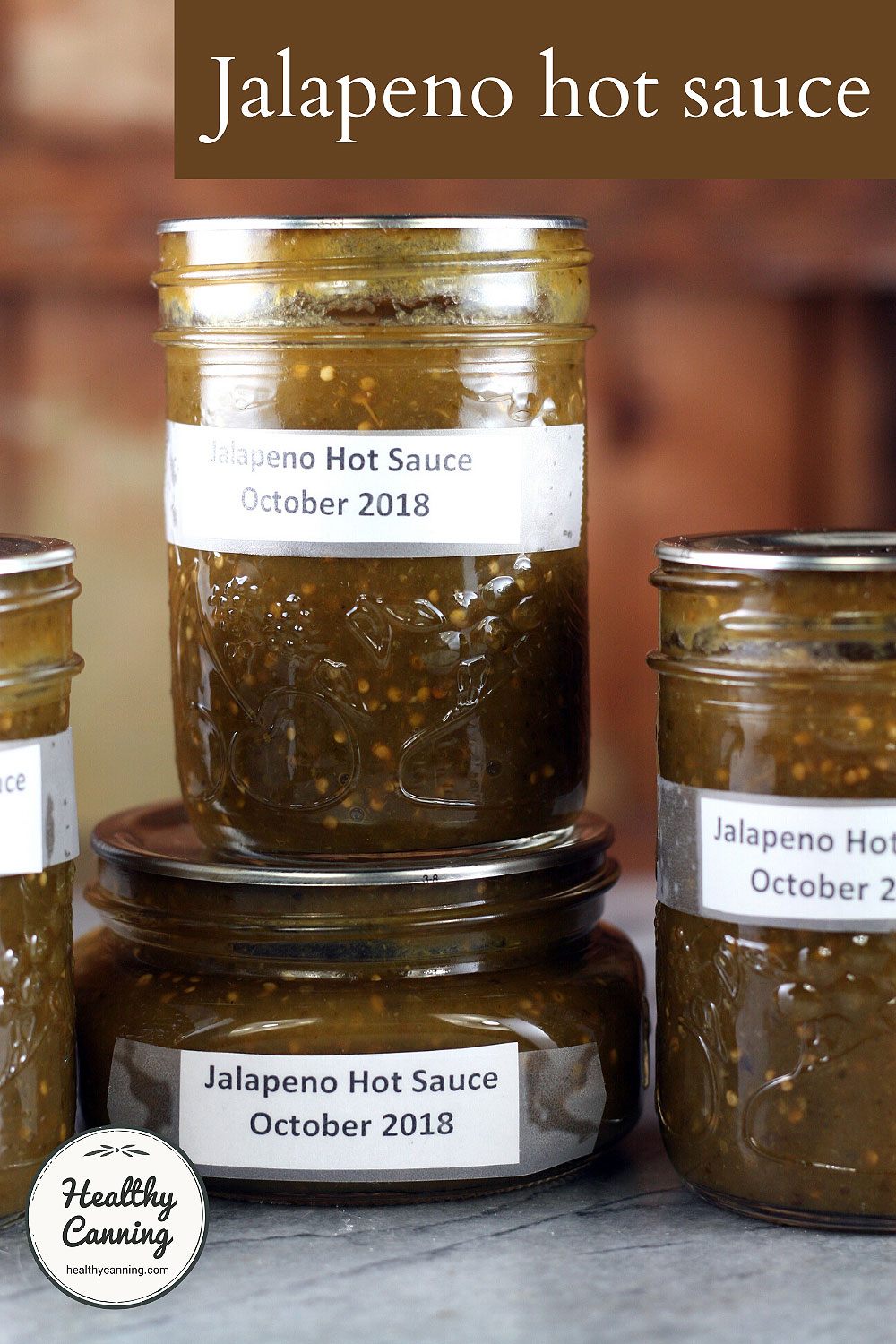
The yield of this recipe is substantial, typically producing five 500 ml (16 oz) jars. Given the potency of the sauce, many home preservers opt to use smaller 125 ml (4 oz) or 250 ml (8 oz) jars to better manage portions and gift-giving.
Official Responses and Safety Warnings
The National Center for Home Food Preservation (NCHFP) rarely adds qualitative commentary to the USDA’s "So Easy to Preserve" guidelines, but they have made an exception for this specific pepper sauce framework. Official documentation describes the resulting product as a "very hot sauce," a warning intended to prevent consumers from underestimating the capsaicin concentration resulting from the three-hour reduction process.
Furthermore, safety experts emphasize the importance of vinegar strength. For the acidification to be effective, the vinegar used must have at least a 5% acidity level. This is a critical point for international canners; for instance, in Australia and New Zealand, some commercially available vinegars are sold at 4% acidity, which would be insufficient for this recipe and could lead to spoilage or safety hazards.
Technical Processing: Water Bath vs. Steam Canning
Modern home preservation allows for two primary methods of processing high-acid foods: the traditional water-bath method and the more recent, energy-efficient steam canning method.
- Water-Bath Canning: This involves submerging the filled jars in boiling water. It is the most common method and is highly effective for ensuring the jars reach the internal temperature necessary to kill molds, yeasts, and enzymes.
- Steam Canning: Validated by the University of Wisconsin-Madison and now accepted by the NCHFP, steam canning uses only a few inches of water at the bottom of the pot. The jars are processed in the steam trapped under a dome lid. This method is often preferred for hot sauces as it reaches processing temperature faster and uses significantly less water and energy.
Both methods require a 10-minute processing time for this specific recipe, assuming the jars are at or below the 500 ml (pint) size.
Broader Impact and Implications for Food Security
The ability to safely modify and preserve high-yield garden crops like jalapenos and tomatillos has broader implications for household food security and economic resilience. By converting perishable produce into a shelf-stable condiment with a one-to-two-year lifespan, individuals reduce food waste and decrease reliance on global supply chains for basic pantry staples.
The shift toward green hot sauces also reflects a changing American palate. While red, vinegar-based sauces (like Tabasco or Louisiana-style) have dominated the market for decades, the influence of Mexican Salsa Verde has introduced a preference for the tart, citrusy notes of the tomatillo. This recipe allows home cooks to bridge the gap between a fresh salsa and a preserved hot sauce, providing a "best of both worlds" product that maintains its vibrant color and piquant flavor over time.
Conclusion and Recommendations for Home Preservers
The Jalapeno Hot Sauce recipe represents a successful intersection of culinary creativity and scientific rigor. By following the USDA-approved modifications to the Cayenne Pepper Sauce recipe, home canners can produce a high-quality, safe, and delicious condiment.
Experts recommend that beginners keep detailed logs of their processing times and altitude adjustments. Furthermore, because this recipe yields a large quantity (2.5 litres total), it is advised to perform mathematical calculations on paper before halving or doubling the recipe to ensure the ratios of acid to vegetables remain perfectly balanced. As the trend toward home preservation continues to grow, such tested recipes serve as the essential foundation for a safe and productive kitchen. For those seeking immediate assistance, Master Food Preserver groups and university extension offices remain the primary resource for real-time canning support, ensuring that the tradition of food preservation remains both a craft and a safe science.