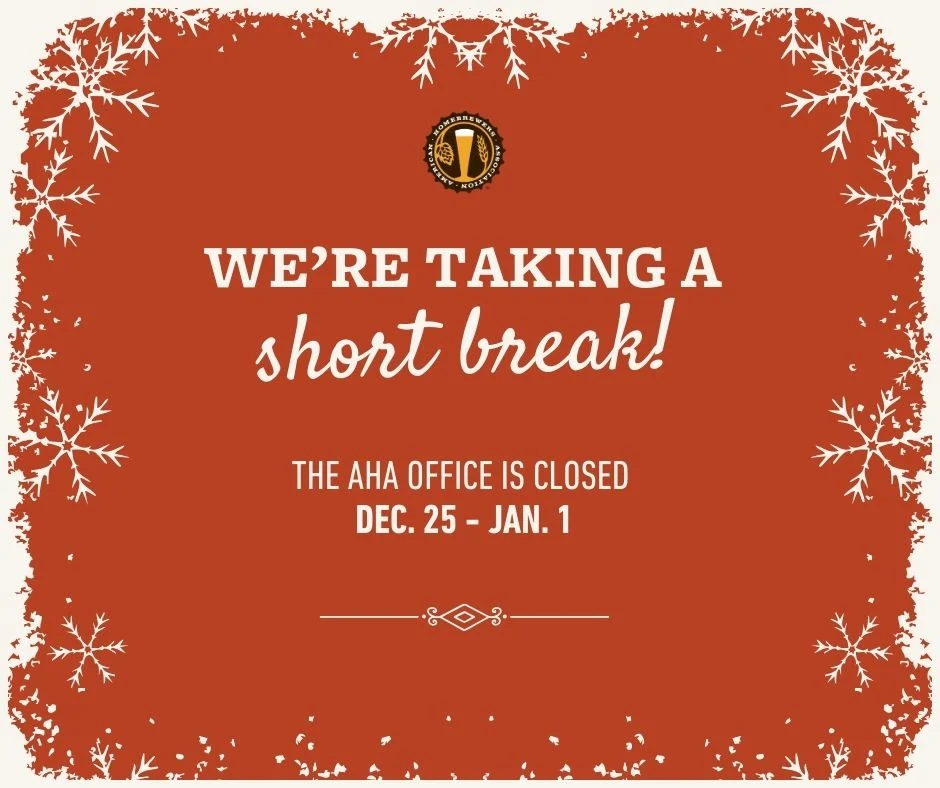

The American Homebrewers Association (AHA) has officially announced a scheduled operational hiatus beginning December 25, 2025, through January 1, 2026, as the organization concludes a year marked by significant growth in the fermented beverage sector and community-driven advocacy. This temporary closure, intended to allow the AHA staff to celebrate the holiday season and prepare for the 2026 calendar year, follows a period of intense activity for the association, which remains the primary advocacy and educational body for the hundreds of thousands of homebrewers across the United States. During this period, the association’s administrative offices in Boulder, Colorado, will be unresponsive to inquiries, though digital resources and member portals will remain accessible for hobbyists seeking technical guidance during the peak winter brewing season.
Organizational History and the Mission of the AHA
Founded in 1978 by Charlie Papazian in Boulder, Colorado, the American Homebrewers Association was established at a time when homebrewing was still technically illegal under federal law. The organization was instrumental in the passage of H.R. 1337, the landmark legislation signed by President Jimmy Carter that legalized homebrewing at the federal level in 1978. Since its inception, the AHA has evolved from a small grassroots gathering of enthusiasts into a powerhouse of advocacy, education, and community building.
Today, the AHA operates as a division of the Brewers Association (BA), the not-for-profit trade association dedicated to small and independent American craft brewers. The relationship between homebrewers and professional brewers is symbiotic; a vast majority of the professional brewers operating the nearly 10,000 craft breweries in the United States today began their careers in a kitchen or garage, experimenting with five-gallon batches. By fostering this "grassroots" level of the industry, the AHA ensures a steady pipeline of talent and innovation for the broader craft beer market.
The 2025 Year in Review: Trends and Data
As the AHA enters its year-end break, the organization looks back on a year where homebrewing transitioned from a pandemic-era resurgence into a stable, technologically advanced hobby. According to internal industry data and member surveys conducted throughout 2025, several key trends have defined the homebrewing landscape this year.
First, there has been a significant shift toward automated brewing systems. While traditional "three-vessel" systems remain popular among purists, 2025 saw a 15% increase in the adoption of all-in-one electric brewing systems. These units, which allow for precise temperature control and automated mashing schedules, have lowered the barrier to entry for new hobbyists while allowing experienced brewers to produce more consistent results.
Second, the "No-and-Low" movement has reached the homebrewing community. The AHA reported a 22% increase in traffic to educational articles regarding the production of non-alcoholic (NA) beer and hop water. Homebrewers are increasingly utilizing sophisticated techniques, such as vacuum distillation at home or the use of specialized yeast strains like Saccharomycodes ludwigii, which ferment very few sugars, to create high-quality NA beverages that rival commercial offerings.
Third, sustainability has become a central pillar of the community. In 2025, the AHA launched several initiatives focused on water conservation and spent-grain repurposing. With climate change impacting hop yields and water availability in key regions, the association has prioritized teaching brewers how to reduce their environmental footprint through efficient cooling methods and greywater recycling.
Chronology of the 2025-2026 Transition
The decision to close operations for the final week of the year is a long-standing tradition within the Brewers Association and its subsidiaries. The timeline for the current hiatus and the subsequent return to operations is as follows:
- December 24, 2025: Final operational day for the AHA headquarters. Staff complete the processing of year-end membership renewals and competition registrations.
- December 25, 2025: Official commencement of the holiday closure. All administrative offices close.
- December 26 – December 31, 2025: The "Winter Outage" period. During this time, the AHA encourages its members to engage with the community via digital forums and local club meetings, which often host "Big Brew" events during the holidays.
- January 2, 2026: Resumption of full operations. The AHA team returns to begin preparations for the 2026 National Homebrew Competition (NHC) and the annual Homebrew Con.
Economic and Cultural Impact of Homebrewing
The importance of the AHA’s work is underscored by the economic impact of the hobby. While often viewed as a simple pastime, homebrewing contributes significantly to the retail sector. In 2025, it is estimated that homebrewers spent over $700 million on ingredients, equipment, and educational materials. This spending supports a network of hundreds of local homebrew supply shops (LHBS), which serve as vital community hubs.
Furthermore, the AHA’s advocacy work continues to protect the rights of brewers. Even decades after federal legalization, the association remains active in state-level legislative efforts to modernize laws regarding the transport of homebrew to competitions and the hosting of homebrew tastings in public spaces. In 2025, the AHA successfully lobbied for legislative changes in two states that previously restricted the ability of homebrew clubs to share their creations at charitable events.
Industry Reactions and Member Sentiment
The announcement of the holiday closure has been met with supportive reactions from the brewing community. Industry analysts suggest that these "strategic pauses" are essential for non-profit organizations to prevent burnout and maintain a high level of service throughout the rest of the year.
"The American Homebrewers Association is a lean organization that punches well above its weight class," says Marcus Thorne, a beverage industry consultant. "Between managing the world’s largest beer competition and coordinating legislative efforts across 50 states, the staff manages an incredible workload. A week of rest is not just a holiday gesture; it is a necessary component of their operational sustainability."
Members of the association have also expressed their appreciation for the organization’s work in 2025. On community forums, users have noted the value of the Zymurgy magazine—the AHA’s flagship publication—and the association’s "Member Deals" program, which provides discounts at over 2,000 breweries and supply shops nationwide.
Looking Ahead: The 2026 Outlook
When the AHA returns in January 2026, the focus will immediately shift to the National Homebrew Competition. As the largest homebrewing competition in the world, the NHC serves as the ultimate proving ground for amateur brewers. The 2026 cycle is expected to see record-breaking participation, particularly in the categories of Hazy IPA, Wood-Aged Sour Ale, and the newly introduced "Sustainable Brew" category, which evaluates beers based on the efficiency of their production process.
Additionally, the association plans to expand its digital footprint in 2026. Building on the success of their 2025 webinars, the AHA is slated to launch a comprehensive "Master Class" video series featuring renowned professional brewers and fermentation scientists. This initiative aims to provide university-level brewing education to members at a fraction of the cost of traditional brewing schools.
Technical Implications of the Winter Hiatus for Brewers
While the AHA staff takes a well-deserved break, the winter season remains one of the most active times for homebrewers. The colder ambient temperatures provide ideal conditions for brewing lagers, which require cool fermentation environments. The AHA’s digital archives, which remain open during the closure, offer extensive resources on "lagering" techniques and the management of bottom-fermenting yeast strains.
Brewers are also reminded to exercise safety during the holiday season. The AHA has historically emphasized the dangers of brewing in enclosed spaces due to carbon monoxide risks from propane burners. As many brewers move their operations indoors or into garages during the December chill, the association’s safety guidelines remain a critical resource for preventing accidents.
Conclusion
The American Homebrewers Association’s holiday closure from December 25, 2025, to January 1, 2026, marks the end of a transformative year for the hobby. From the integration of advanced brewing technology to the rise of non-alcoholic fermentation, the landscape of homebrewing continues to evolve. As the AHA team recharges for the year ahead, the community they support remains more vibrant and engaged than ever. The association’s return in 2026 promises a continued commitment to the education, protection, and celebration of those who brew their own beer, ensuring that the spirit of craft fermentation remains a cornerstone of American culture. For now, the message to the community is clear: enjoy the holidays, prioritize safety, and, as Charlie Papazian famously said, "Relax, don’t worry, have a homebrew."