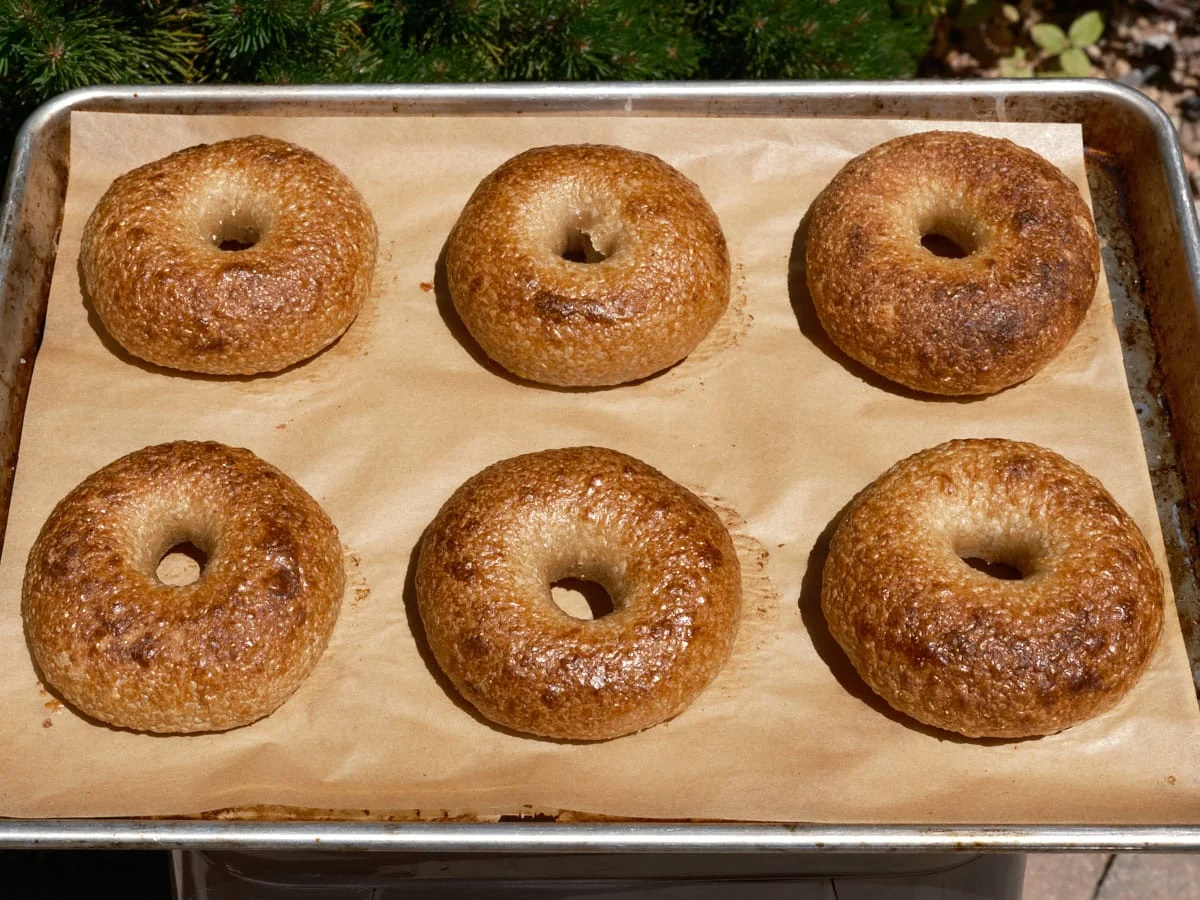

The landscape of modern artisan baking is experiencing a quiet revolution, driven by bakers seeking to move beyond traditional boundaries of texture and flavor. At the forefront of this movement is a reimagined approach to the classic sourdough bagel, a staple of breakfast culture that has long resisted major innovation. Through meticulous experimentation with flour chemistry, fermentation schedules, and thermal physics, professional bread makers are introducing a "new wave" style of bagel characterized by an open crumb, a blistered and glossy crust, and a departure from the dense, chewy profile historically associated with New York-style iterations.
Background Context and the Artisan Evolution
For decades, the standard for commercial and home-baked bagels was defined by a tight, uniform interior and a dense, thick skin. These traditional products rely heavily on high-protein flours and extended boiling times to achieve their characteristic chew. However, contemporary artisan bakeries—such as Courage Bagels in Los Angeles—have popularized a lighter, more rustic aesthetic.
Seeking to replicate and refine this style for the home kitchen, baking experts have dissected every phase of the production process. The shift toward a new wave bagel involves a deliberate modification of foundational baking variables: adjusting protein ratios to increase tenderness, incorporating whole grains for complex flavor profiles rather than mere nutritional value, and altering the hydration and shaping techniques to yield a lighter product.
Chronology of the New Wave Bagel Production Process
Producing these artisan bagels requires a multi-day commitment that balances biological fermentation with precise physical manipulation.
Phase One: The Preferment (Night One)
The process begins approximately thirty-six hours before baking with the creation of a "sweet levain." By introducing a measured amount of superfine sugar into the starter-water-flour mixture, bakers skew the microbial balance toward a yeast-heavy culture. This technique mitigates the development of excessive lactic and acetic acids, ensuring that the finished product avoids an overly sour flavor profile while maximizing carbon dioxide production for optimal rise.
Phase Two: Mixing and Bulk Fermentation (Day Two, Morning)
The main dough integrates a sophisticated blend of flours: high-protein white flour (12 to 14 percent protein) to maintain structural integrity, medium-protein white flour for tenderness, whole wheat for nutty depth, and a small percentage of whole rye to enhance fermentation activity and exterior coloration. Following a heavy mechanical or manual mix—supplemented by a controlled addition of water (bassinage)—the stiff dough undergoes a three-hour bulk fermentation at a controlled ambient temperature of 76 to 78 degrees Fahrenheit. Without the need for traditional stretch-and-fold sequences, the dough rests as gluten networks stabilize.
Phase Three: Shaping and Cold Retardation (Day Two, Afternoon to Day Three)
Dough is divided into standardized 130-gram portions, pre-shaped into taut spherical units, and transformed using the "poke method." Rather than rolling ropes and pinching ends—a method prone to structural failure during boiling, particularly at higher hydration levels—bakers pierce the center of each dough ball and gently stretch it into a symmetrical ring.
The shaped bagels are then subjected to an overnight cold retard in refrigeration for roughly twenty hours. This cold rest is critical; it slows yeast activity while allowing enzymatic processes to continue, deeply enriching the flavor profile and facilitating the formation of micro-blisters on the outer skin during baking.
Phase Four: The Boiling Station and Thermal Application (Day Three)
Following a brief two-hour ambient proofing period, the bagels are transferred to a specialized boiling bath. Unlike plain water treatments, this solution incorporates a high concentration of barley malt syrup—which contributes essential sugars for caramelization and distinct malt flavor notes—alongside a small quantity of baking soda to increase alkalinity and enhance browning.
A concise boil of 20 to 25 seconds per side prevents the development of a leathery skin while gelatinizing the outer starches. Immediately following the bath, optional toppings such as sesame seeds, poppy seeds, or coarse salt are applied to the tacky surface.
The final stage involves baking the bagels on a preheated baking steel or stone at 500 degrees Fahrenheit with added oven steam. This intense, direct bottom heat induces a rapid oven spring, setting the open interior structure and generating a thin, crispy crust adorned with characteristic blisters.
Supporting Data and Technical Specifications
Achieving consistency in new wave sourdough baking requires adherence to precise metrics. The total formula is typically calculated to a hydration level of approximately 68 percent, balancing workability with open-crumb potential.
The flour composition relies on specific protein thresholds:
- High-protein white flour: ~45% of total flour weight
- Medium-protein white flour (such as Artisan Bakers Craft): ~40%
- Whole wheat flour: ~10%
- Whole rye flour: ~5%
Additives play a functional role beyond mere flavoring. Diastatic malt powder, utilized at roughly one percent of the formula weight, introduces active enzymes that break down starches into fermentable sugars, directly supporting enhanced oven spring and superior crust coloration. Meanwhile, barley malt syrup serves a dual purpose, functioning both as a dough inclusion and as the primary solute in the boiling bath.
Expert Perspectives and Industry Collaboration
The refinement of this specific recipe format has been aided by collaborative efforts within the broader artisan baking community. Input from professional bakers, such as Pacific Northwest-based bread specialist Josh Fairbanks, has helped streamline the procedural steps to ensure reproducibility in home environments.
According to baking analysts, the adoption of professional-grade techniques—such as utilizing baking steel surfaces and managing micro-climates with steam injection in home ovens—bridges the gap between commercial hearth baking and residential execution. Experts note that while the process demands patience and precise temperature control, the resulting textural contrast between the crisp exterior and the open, tender interior represents a significant departure from mass-produced commercial alternatives.
Implications and Broader Culinary Impact
The rising popularity of new wave sourdough bagels reflects a broader consumer trend toward hyper-localized, artisan-crafted foods that prioritize ingredient integrity and traditional fermentation methods. As home bakers increasingly embrace techniques once restricted to commercial bakeries, the baseline expectations for quality in everyday baked goods continue to rise.
From a nutritional and culinary standpoint, the incorporation of whole grains and prolonged cold fermentation offers enhanced digestibility compared to commercial fast-fermented doughs. Furthermore, the versatility of the base formula allows for regional adaptation and seasonal flavor integration without compromising structural integrity.
Ultimately, the refinement of the sourdough bagel demonstrates that even the most deeply entrenched culinary traditions remain open to reinvention. By applying rigorous scientific principles to flour selection, thermal dynamics, and fermentation timing, modern bakers have transformed a humble breakfast item into an exercise in precision craftsmanship.