
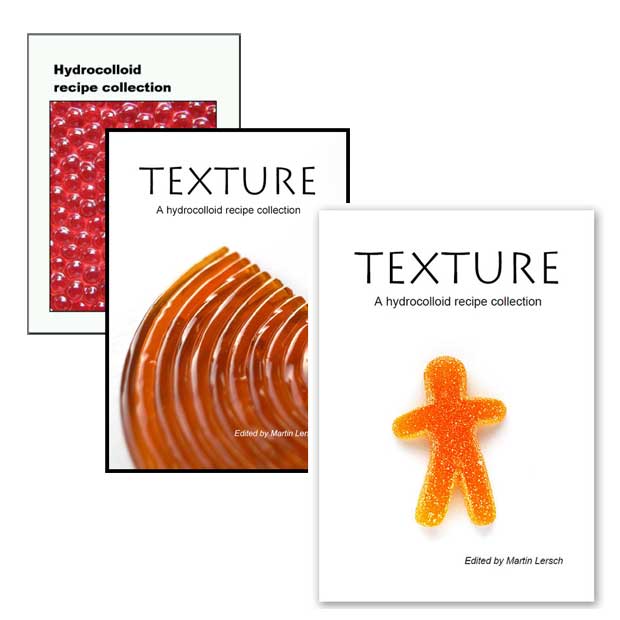
Six years following the distribution of its last major release, the culinary science and gastronomy community is preparing for a new iteration of a foundational reference work. The creator of Texture: A Hydrocolloid Recipe Collection has formally announced plans for an incremental revision designated as version 3.1. This upcoming update aims to refine the existing publication by addressing typographical errors, clarifying procedural steps, integrating reader feedback, and expanding the scope of documented culinary agents. Designed as a comprehensive guide for both professional modernist chefs and culinary scientists, the collection has served as an essential manual for understanding the physical and chemical properties of gelling agents, thickeners, and stabilizers in modern gastronomy since its inception.
Chronology and Evolution of the Recipe Collection
The journey of the collection spans nearly two decades, mirroring the rapid evolution of molecular gastronomy and food science in professional kitchens and domestic environments alike. The publication history illustrates a steady refinement of content, driven largely by community engagement and the democratization of culinary techniques.
The inaugural edition, Texture v.1.0, was published in 2007 during a period when modernist cooking techniques were transitioning from elite experimental restaurants into the broader consciousness of culinary professionals. This initial release provided a much-needed systematization of hydrocolloids, substances that form gels or thicken liquids when hydrated. Building upon the foundational success of the first volume, Texture v.2.0 was introduced in 2008, expanding the catalog of recipes and improving the categorization of ingredients based on their functional properties, such as shearing, thermal reversibility, and syneresis behavior.
A significant temporal gap followed, culminating in the release of Texture v.3.0 in 2014. This version brought substantial updates, aligning the text with contemporary ingredient availability and refined hydrocolloid applications. Now, six years after the 2014 release, version 3.1 represents a targeted maintenance update rather than a complete structural overhaul. The focus remains on polishing the text, correcting technical inaccuracies, and incorporating modern culinary trends that have emerged over the past half-decade.
Community-Driven Development and Public Contributions
A hallmark of the collection’s longevity is its reliance on crowdsourced peer review and collaborative data gathering. Throughout the multi-year hiatus between updates, practitioners, culinary students, and home enthusiasts have continued to test the documented formulations, submitting corrections, experiential notes, and photographic evidence.
The project lead has acknowledged the extensive backlog of reader correspondence received over the last several years. While direct replies to individual submissions were not always feasible, all evaluations, typo identifications, and error reports have been archived for integration into the forthcoming revision. Furthermore, the publication call has been renewed for empirical testing data—specifically, instances where published ratios or thermal parameters failed to yield expected results. Identifying these anomalies is critical for maintaining the scientific reliability of the reference manual.
Visual documentation remains a core pillar of the collection’s editorial standards. Photographs accompanying recipes serve as a primary indicator of successful replication under kitchen conditions. Consequently, the compilation team has issued an open invitation for contributors to submit high-resolution imagery of finished dishes that have not yet been featured in previous editions. Clear submission protocols, originally outlined in historic project logs, continue to guide contributors on framing, lighting, and technical specifications required for inclusion.
Addressing Gaps in Hydrocolloid Documentation
Despite the extensive range of ingredients cataloged within the manual, certain hydrocolloids remain underrepresented in terms of recipe diversity. The upcoming revision places particular emphasis on gathering applications for gums and stabilizers that lack comprehensive documentation. Specifically, recipes highlighting the functional capacity of guar gum, gum arabic, konjac, locust bean gum, and tara gum are actively being solicited from the culinary community.
Each of these agents possesses distinct rheological profiles. For instance, konjac exhibits strong synergistic gelling behavior when combined with xanthan or carrageenan, while tara gum provides neutral viscosity enhancement in dairy and beverage systems. Expanding the recipe database for these specific compounds will enable practitioners to better understand their elasticity, hydration kinetics, and mouthfeel characteristics across a wider array of food matrices.
In parallel, editorial decisions regarding omissions involve a clear distinction between intentional exclusions and accidental oversights. Proprietary commercial formulations—such as Ultra-Tex and Pure Cote (both specialized modified starches), as well as Trisol (a purified wheat fiber)—have historically been omitted due to their proprietary nature and specific commercial branding. Conversely, rare or novel hydrocolloids may have been omitted due to a lack of standardized culinary applications at the time of previous printings. The editorial board continues to evaluate feedback regarding these omissions to determine whether additional generic classifications or alternative text references should be integrated.
Expanding Non-Hydrocolloid Gels and Modern Foams
Beyond traditional hydrocolloids extracted from plants, algae, or microbial fermentation, the collection features a specialized category dedicated to non-hydrocolloid recipes. This section explores historical and regional culinary traditions where complex protein matrices, starches, or natural emulsions create unique gelling and thickening mechanisms without the addition of refined commercial additives.
Existing examples within this category span diverse culinary traditions, including Junket, Cuajada, ginger milk custard, Aiyu jelly, grass jelly, gelled seafood sauces, traditional tofu, and hominy preparations. These preparations rely on enzymatic curdling, starch retrogradation, or protein coagulation—such as the action of ginger protease on milk proteins or the alkaline setting of soy proteins.
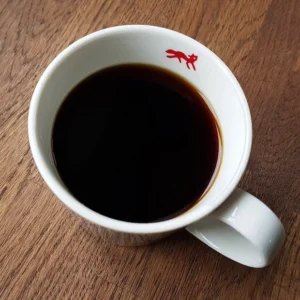
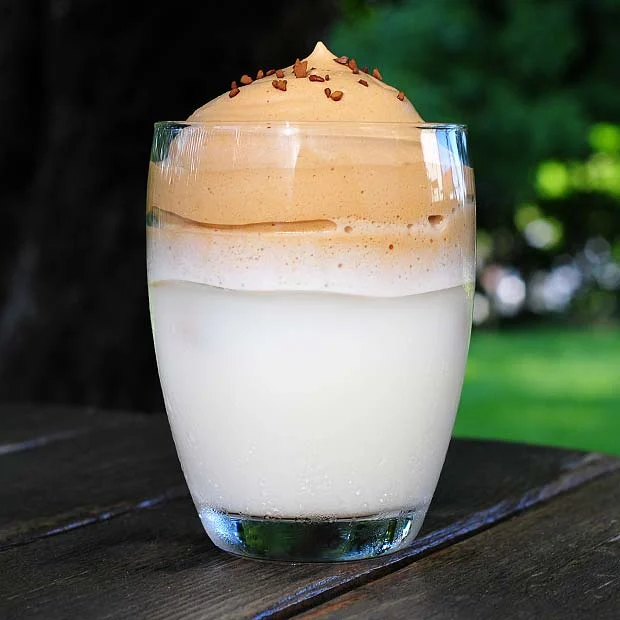
To reflect contemporary culinary developments, version 3.1 will officially integrate recent viral phenomena into its structural framework. Among the most notable additions is the Dalgona coffee foam, a preparation that gained widespread global attention during the spring wave of home-cooking experimentation. The foam relies on the whipping properties of instant coffee solids, sugar, and water, creating a stable colloidal suspension that mirrors the physical stability of modernist foams achieved through chemical stabilizers. The inclusion of such preparations broadens the scope of the manual, bridging the gap between historical regional techniques and contemporary social media-driven gastronomy.
Industry Implications and Future Outlook
The release of Texture v.3.1 underscores the ongoing shift toward open-source knowledge sharing within the culinary arts. By maintaining a living document that evolves alongside both industrial innovations and home kitchen trends, the project bridges the gap between empirical food science and practical cooking.
As modernist techniques continue to mature, reference materials that accurately catalog the behavior of hydrocolloids remain indispensable for product development, culinary education, and kitchen operations. The incremental nature of the upcoming release ensures that the manual retains its core structural integrity while improving upon its utility, accuracy, and comprehensiveness. Stakeholders, researchers, and culinary practitioners wishing to contribute data, error corrections, or photographic assets to version 3.1 are encouraged to submit their materials directly through the established digital channels before the final editorial freeze.