
The casual dining landscape in the Southeastern United States underwent a significant shift in early 2025 as Artistry Restaurants officially completed its acquisition of Hickory Tavern, the 20-unit staple of the Carolinas. This transition marked more than just a change in ownership; it signaled the start of a strategic revitalization led by industry veteran Tony Read. Read, who stepped into the role of Brand President following a storied 30-year tenure with Outback Steakhouse, has been tasked with modernizing the three-decade-old brand while preserving its status as a neighborhood institution. The acquisition integrates Hickory Tavern into Artistry’s diverse portfolio, which includes brands like Oak & Stone, Shrimp Basket, and Boca, positioning the chain for a new chapter of operational excellence and community-centric growth.
The move comes at a pivotal time for the hospitality industry, where casual dining chains are increasingly forced to balance rising labor and commodity costs with a consumer base that demands both value and a high-quality experience. For Read, the solution to these modern pressures lies not in aggressive cost-cutting or sterile automation, but in a philosophy he describes as "people-first." By focusing on the internal culture and the well-being of team members, Read posits that the brand can naturally elevate the guest experience, ensuring the long-term viability of the 20 locations spread across North and South Carolina.
A Strategic Leadership Transition and the People-First Mandate
Tony Read’s appointment is seen by industry analysts as a tactical move to bring "big-brand" discipline to a regional powerhouse. During his three decades at Outback Steakhouse, Read was instrumental in various phases of the brand’s evolution, including the high-stakes development of its off-premises business and the management of multi-unit operations across different market climates. However, Read emphasizes that his move to Hickory Tavern was motivated by a shared set of core values rather than a mere career change.
The cornerstone of Read’s leadership strategy is the belief that a restaurant’s success is a direct reflection of its internal culture. "I’m a firm believer that the guest experience will never exceed the team member’s experience," Read stated during his initial assessment of the brand. He argues that guests can intuitively sense the morale of a restaurant’s staff from the moment they interact with a server or a host. To Read, the "people-first" approach is a pragmatic business strategy: if employees feel valued and supported, they are more likely to deliver the "amazing things" that drive guest loyalty and repeat business.
Upon taking the helm, Read eschewed traditional corporate checklists in favor of an immersive "listening tour." He spent his first weeks on the ground, visiting various locations to understand the nuances of the brand’s daily operations and to build rapport with the staff who have been the face of Hickory Tavern for years. This focus on human capital is designed to stabilize the workforce in an industry still grappling with high turnover rates, ensuring that the brand’s "neighborhood gathering spot" identity remains authentic.
Chronology of the Brand and the Artistry Acquisition
Hickory Tavern was founded in 1997 in Charlotte, North Carolina, originally designed to be a sophisticated alternative to the standard sports bar. Over the next 28 years, it expanded strategically across the Carolinas, carving out a niche as a "social bar" that catered equally to sports fans, families, and professionals. By the time Artistry Restaurants expressed interest in 2024, the brand had established a loyal following but was reaching a point where a capital infusion and fresh leadership were necessary to compete with modern gastropubs and high-end casual chains.
The acquisition, finalized in early 2025, saw Artistry Restaurants adding Hickory Tavern to its growing stable of hospitality concepts. Artistry, based in Winter Park, Florida, has built a reputation for acquiring brands with strong regional identities and providing the infrastructure needed for scaling. The inclusion of Hickory Tavern provides Artistry with a significant footprint in the Carolinas, a region experiencing rapid population growth and a burgeoning culinary scene.
The timeline of the transition was marked by several key milestones:
- Mid-2024: Artistry Restaurants begins due diligence on the Hickory Tavern acquisition.
- Early 2025: Official closing of the deal; Tony Read is named Brand President.
- Q1 2025: Read initiates a brand-wide cultural assessment and begins collaboration with culinary experts to refresh the menu.
- May 2025: The brand launches its most significant marketing activation to date through a partnership with Sysco and NASCAR.
Culinary Evolution: Balancing Tradition with Innovation
To execute the physical transformation of the guest experience, Read recruited Chef Cliff Pleau, a long-time collaborator from his Outback years known for his ability to modernize classic American menus. The challenge for Pleau and Read was to introduce "discovery" to the menu without alienating the "regulars" who have frequented Hickory Tavern for decades.
The resulting menu refresh represents a shift toward higher-quality ingredients and more diverse flavor profiles. Notable additions include:
- Knot Your Average Pretzel: Utilizing authentic Bavarian pretzels sourced from the Milwaukee Pretzel Company, served with house-made dips.
- Expanded Flatbread Program: Including shrimp scampi and barbecue chicken variants designed for sharing.
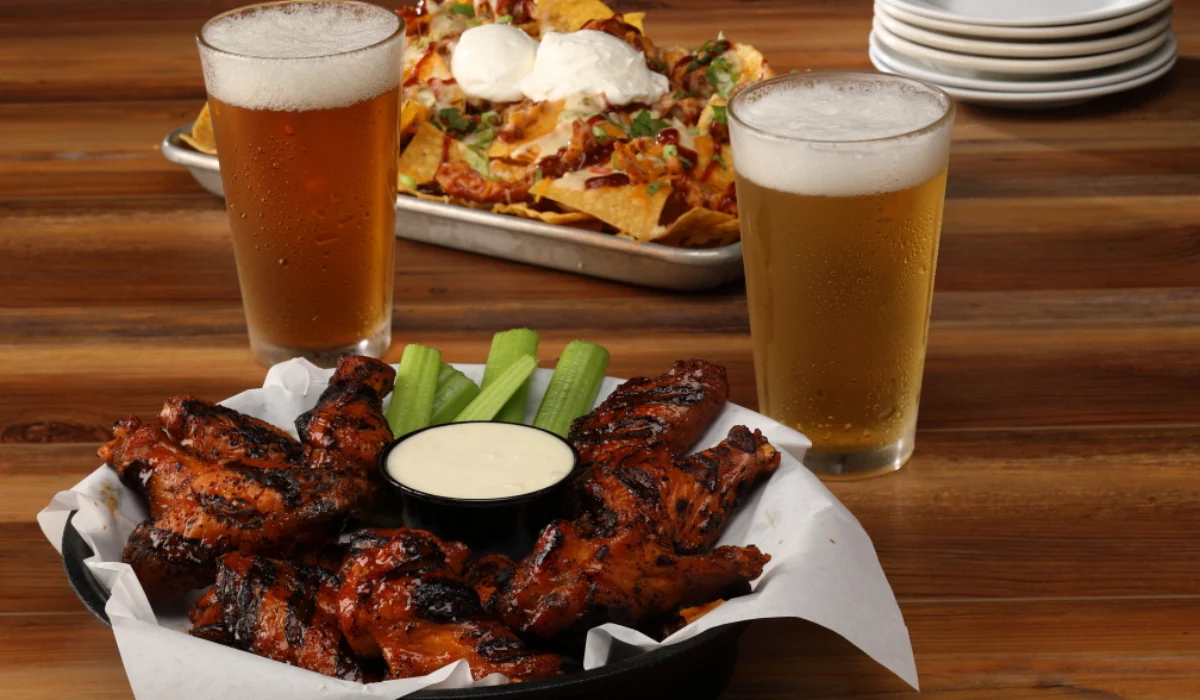
- Elevated Comfort Food: The introduction of loaded mac and cheese and an expanded wing menu with proprietary sauces.
- Regional Beverage Integration: In a nod to its North Carolina roots, the brand introduced the "Cheerwine Dirty Soda," a trendy take on the classic regional cherry soda, alongside a refreshed lineup of specialty margaritas and craft cocktails.
Read notes that while the "staples" remain the backbone of the menu, these new additions allow the brand to appeal to a younger demographic looking for Instagram-worthy presentations and unique flavor combinations. This balance is critical in the current market, where "menu fatigue" can lead to declining traffic in legacy casual dining brands.
Community Engagement and the NASCAR Connection
One of the most visible manifestations of the new leadership’s strategy was a high-profile partnership with Sysco, the global foodservice distribution giant. This collaboration culminated in the "Full Throttle Fan Experience" held at the Hickory Tavern on Harris Boulevard in Charlotte, leading up to the Coca-Cola 600.
The event was a strategic play to reinforce Hickory Tavern’s identity as a community hub in the "home of NASCAR." By featuring NASCAR driver Cole Custer and a Hickory Tavern-branded car in the race itself, the brand achieved a level of national visibility typically reserved for much larger chains. The event included family-oriented activities such as bounce houses and face painting, emphasizing the brand’s dual identity as both a sports bar and a family restaurant.
"You just don’t get those kind of things as a small brand," Read observed, highlighting how the backing of Artistry and strategic partnerships like the one with Sysco can provide a regional chain with "big-brand" marketing muscle. The success of the NASCAR activation serves as a blueprint for future community-based marketing efforts intended to deepen the emotional connection between the restaurants and their local neighborhoods.
Industry Context and Economic Implications
The revitalization of Hickory Tavern under Artistry Restaurants occurs against a backdrop of significant shifts in the U.S. restaurant industry. According to data from the National Restaurant Association, the casual dining segment has faced stiff competition from "fast-casual" competitors and a "premiumization" trend in full-service dining. For a 20-unit chain, the margin for error is slim.
By investing in interior upgrades and a redesigned menu, Artistry is betting that there is still a robust market for the "third place"—a venue outside of home and work where people can gather. Economic analysts suggest that the Carolinas represent one of the most stable markets for this bet, given the lower cost of living relative to the Northeast and West Coast, which leaves consumers with more discretionary income for dining out.
Furthermore, the "people-first" approach championed by Read addresses one of the industry’s most persistent headaches: the labor shortage. By improving the "team member experience," Hickory Tavern aims to reduce recruitment and training costs, which can save a 20-unit chain hundreds of thousands of dollars annually. Higher retention rates also lead to more consistent service, which is a primary driver of positive online reviews and organic growth.
Analysis of Broader Impact and Future Outlook
The acquisition and subsequent leadership of Tony Read suggest a broader trend in the hospitality sector: the professionalization of regional mid-sized chains. As the industry becomes more data-driven, brands like Hickory Tavern are leveraging the resources of parent companies like Artistry to implement sophisticated supply chain management, targeted digital marketing, and advanced culinary R&D.
However, the ultimate success of Read’s tenure will be measured by whether he can maintain the "soul" of the neighborhood tavern while implementing corporate-level efficiencies. The "neighborhood gathering spot" is a difficult identity to scale, as it relies heavily on local management and a sense of community ownership. Read’s focus on empowering employees at the table level suggests he is aware of this tension.
Looking ahead, the industry can expect to see Hickory Tavern potentially expanding beyond its current 20-unit footprint, using its refined model as a template for growth into adjacent markets like Georgia or Virginia. For now, the focus remains on the Carolinas, where the brand is working to prove that a people-first philosophy, backed by strategic investment and community engagement, is the most effective recipe for a successful turnaround and sustained growth in the modern era of hospitality.
As the brand moves further into 2025, the integration of new menu items, the success of community activations like the NASCAR partnership, and the feedback from frontline employees will serve as the primary indicators of whether Read’s vision has taken hold. If successful, Hickory Tavern may serve as a case study for how legacy regional brands can evolve without losing the core values that made them successful in the first place.