
The pursuit of the perfect cup of coffee is a journey fraught with chemical complexity and nuanced technique, a challenge that has captivated enthusiasts and innovators for centuries. Far from a simple act of brewing, coffee extraction is a sophisticated interplay of variables, where the goal is often not maximal extraction, but a precisely selective one. This intricate balance ensures that the myriad of chemical compounds within the coffee bean — spanning an astonishing nine orders of magnitude in concentration — are extracted in proportions that yield desirable flavors and aromas.
The Chemical Dance of Extraction: Beyond Simple Solubility
In a previous examination of coffee’s chemical landscape, it became clear that each compound possesses a unique solubility and extraction rate. This inherent variability is not a hindrance but a cornerstone of creative brewing. If all compounds were extracted uniformly, the art of coffee brewing would be reduced to a single, undifferentiated outcome. Fortunately, this is not the case. The concept of "selective extraction" stands in direct contrast to a total extraction, which aims to dissolve nearly 30% of the coffee bean’s mass, often by grinding exceptionally fine and steeping for extended periods, or even boiling. Such methods, akin to a robust Turkish coffee without added sugars or spices, yield a strong brew, but not necessarily the most balanced or nuanced.
What many strive for in a superior cup is, paradoxically, an "uneven extraction" from a chemical perspective. This means carefully controlling the dissolution of compounds to achieve a desired flavor profile, rather than extracting everything to the same degree. The pour-over or percolation technique is arguably the most adept method for achieving this delicate selectivity. It’s crucial to distinguish this from the older "coffee percolator" devices, which rely on convection to cycle heated coffee through the grounds, a method popular in the mid-20th century but largely superseded by more precise techniques today.
Pour-Over: A Symphony of Adjustable Parameters
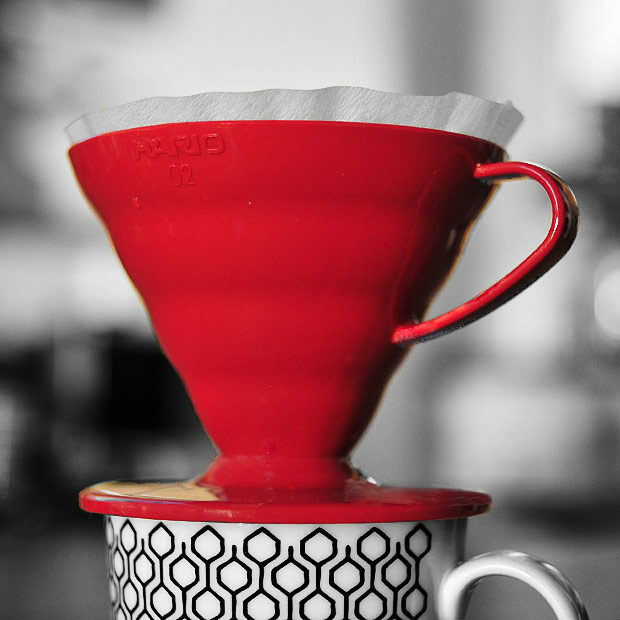
At its core, pour-over brewing seems disarmingly straightforward: hot water dripped over ground coffee, gravity filtering the brew into a receptacle. Yet, beneath this simplicity lies a surprisingly vast array of adjustable parameters, each capable of profoundly influencing the final cup. Beyond the foundational elements like brew ratio, grind size distribution, water composition, temperature, and filter material (as previously explored), a deeper dive reveals a multitude of additional factors:
- Pouring Technique: The speed, pattern, and height of water application directly affect bed saturation and channeling.
- Agitation: Stirring or swirling can enhance extraction uniformity and gas release.
- Bloom Time: The initial wetting phase allowing for CO2 release and even saturation.
- Bed Depth and Geometry: How the coffee bed is shaped within the brewer (cone, flat-bottom, trapezoid) dictates flow paths.
- Inside Wall Surface: Ridges or patterns within the brewer influence filter adhesion and bypass.
- Exit Hole Design: The number, size, and configuration of holes at the bottom of the filter holder control drainage speed.
- Pre-wetting Filters: Rinsing paper filters to remove papery taste and preheat the brewer.
- Ambient Conditions: Room temperature, humidity, and airflow can subtly impact heat loss.
The complexity is further compounded by the intricate correlations between these parameters. For instance, a finer grind size not only increases the total surface area for extraction but also significantly slows water flow, extending contact time and risking filter clogging. This can, in turn, exacerbate "channeling" – where water finds paths of least resistance, bypassing substantial portions of the coffee bed. As the adage goes, "water is lazy"; it will always seek the easiest route, often along the sides of the filter or through loosely packed areas, rather than uniformly saturating the entire coffee bed. This uncontrolled bypass dilutes the brew and leads to an uneven extraction, where some grounds are over-extracted and others under-extracted.
The Historical Pursuit of Brewing Excellence
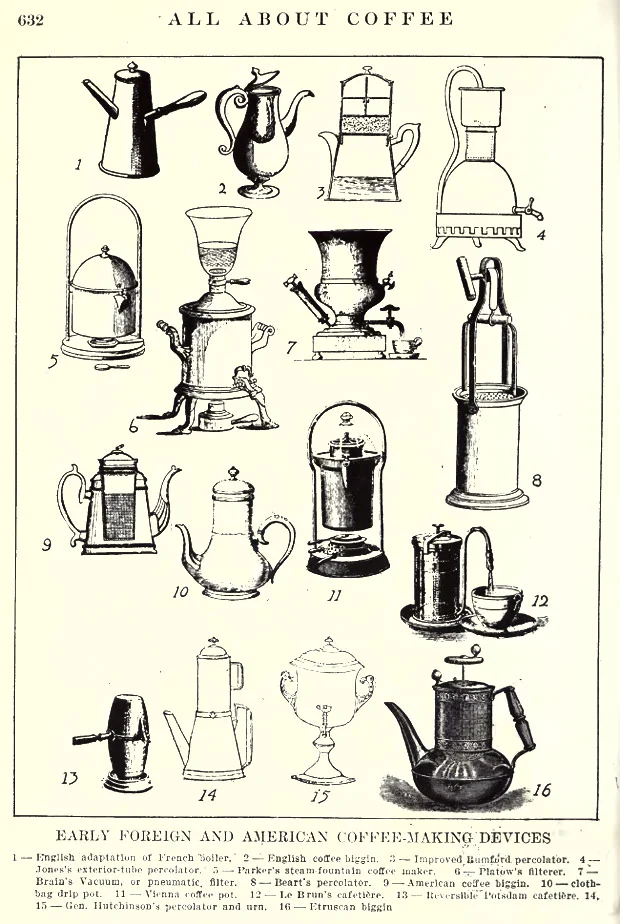
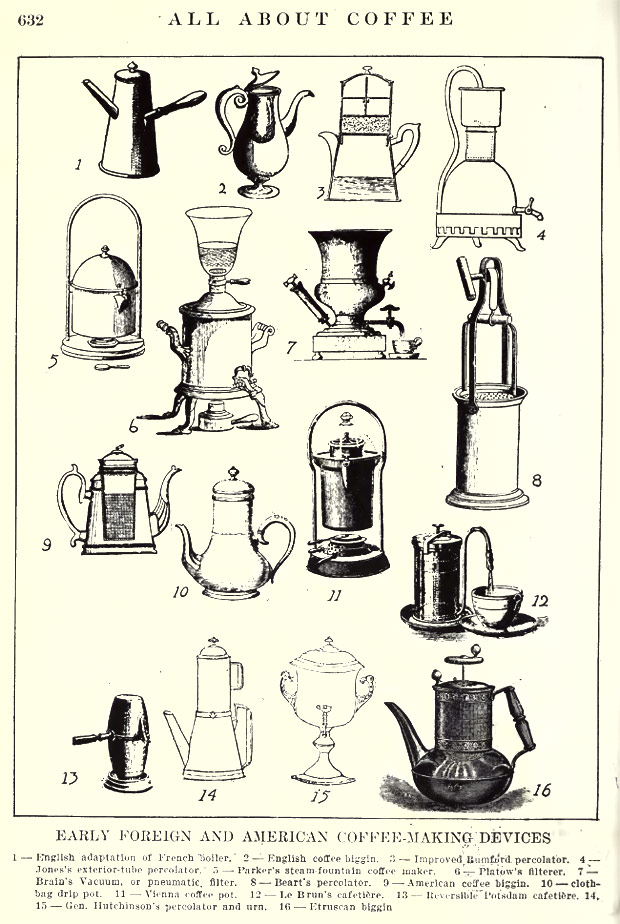
The recognition of coffee brewing’s inherent complexity is not a modern phenomenon. Historical documents, such as W. A. Ukers’ monumental 1922 tome "All About Coffee," illustrate a rich history of innovation in coffee maker design. Even a century ago, inventors were meticulously designing devices to optimize extraction, reflecting a long-standing quest to "untie the coffee knot." The diversity of designs, from early drip pots to intricate vacuum brewers, underscores a persistent human endeavor to control the variables that define a quality brew.
This historical lineage has culminated in the contemporary pour-over renaissance, where devices like the Hario V60, Chemex, and Kalita Wave have become iconic. Each design embodies specific solutions to the challenges of extraction, driving a new wave of scientific inquiry and artisanal craftsmanship within the specialty coffee movement. This movement, championed by organizations like the Specialty Coffee Association (SCA), emphasizes quality, transparency, and the precise control of brewing parameters to highlight the unique characteristics of different coffee beans.
Anatomy of a Pour-Over Brewer: Designed for Purpose
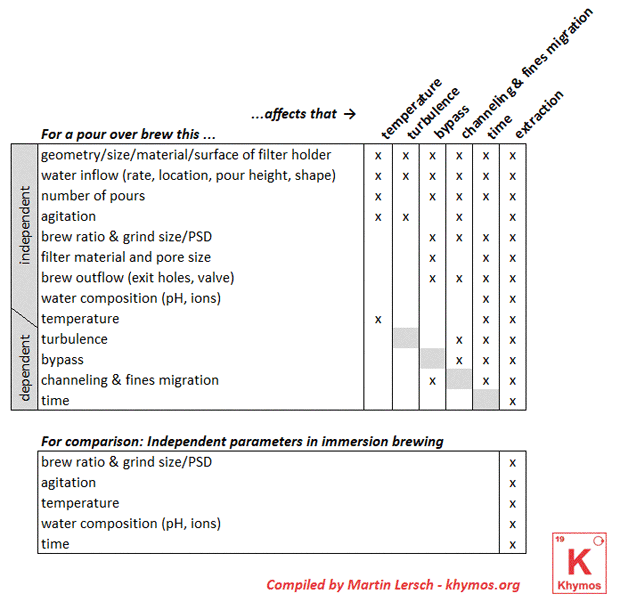
The market is awash with an astonishing variety of pour-over devices, each subtly or dramatically different, and each difference typically serving a specific purpose in the grand scheme of extraction. Examining key design elements reveals the underlying philosophies:
- Material and Insulation: Maintaining a stable temperature throughout the brew cycle is paramount. Materials like polypropylene (PP) plastic or ceramic are often favored for their lower thermal conductivity, minimizing heat loss compared to metal or glass. Double-walled, vacuum-insulated designs, such as the Fellow Stagg X/XF, represent the pinnacle of thermal management, ensuring the water stays within the optimal brewing range (typically 90-96°C) for consistent extraction.
- Shape and Geometry: The physical form of the filter holder profoundly impacts the coffee bed’s shape and, consequently, water flow. Cone-shaped brewers (e.g., Hario V60, Chemex) create a deeper, narrower bed, promoting longer contact time and potentially more uniform extraction if managed correctly. Flat-bottom brewers (e.g., Kalita Wave) create a shallower, wider bed, which can lead to faster flow but also a higher risk of channeling if not properly prepared. Trapezoid designs (e.g., Melitta) offer a middle ground.
- Inside Wall Surface: Many brewers incorporate ridges or patterns on their inner walls. This design choice is critical for preventing the wet paper filter from clinging entirely to the surface, which would block flow and create a vacuum seal. By allowing a small channel for liquid to flow between the filter paper and the brewer wall, these features ensure consistent drainage. However, in designs like the Chemex, a smooth wall is intentionally used with thicker filters to minimize bypass, channeling all water through the coffee bed.
- Filter Type: The choice of filter material and design directly influences clarity and body. Paper filters, by far the most common, vary in thickness, porosity, and shape (plain cones, trapezoids, or W-folded like the Kalita Wave). They effectively trap fines and oils, yielding a clean, bright cup. Metal filters, often reusable, allow more fines and oils through, contributing to a fuller body and richer mouthfeel. The rare Karlsbader brewer takes this to an extreme, using only a coarse ceramic grating, resulting in a brew with significant sediment.
- Inflow Control: Precise water application is crucial for even saturation and preventing disturbance of the coffee bed. Goose-neck kettles are designed to facilitate slow, controlled pours. More advanced accessories, like the Gabi Dripmaster B or Melodrip, distribute water evenly across the coffee bed through multiple small holes, minimizing agitation and ensuring a perfectly flat bed, though some open designs may suffer from temperature loss.
- Exit Holes and Outflow Control: The number and size of exit holes, in conjunction with the brewer’s internal surface, dictate the overall flow rate. Brewers like the Hario V60, with a single large hole and spiraling ridges, are designed for rapid flow, demanding precise pouring technique. Conversely, brewers with smaller or fewer holes, or those allowing filters to cling, slow the flow. Some innovative designs, such as the Clever Dripper or Hario Switch, incorporate a shut-off valve, allowing for an initial immersion phase followed by a controlled percolation, offering baristas greater command over contact time and simplifying the scaling of recipes.
- Bypass Mitigation: Water that bypasses the coffee bed without extracting soluble compounds is merely dilution. Reducing bypass is a key objective for optimal extraction. Brewers with smooth walls that encourage filter adhesion (like the Chemex) or those designed with the filter entirely beneath the coffee bed (like the Aeropress, Delter, or Tricolate) effectively minimize bypass. Jonathan Gagné, a prominent voice in coffee science, emphasizes minimizing bypass for optimal percolation. The proliferation of cylindrical filter holders with flat filters situated entirely below the coffee bed, like the aforementioned Aeropress or the traditional Vietnamese Phin, demonstrates a practical solution to this challenge, ensuring that only the coffee bed restricts water flow, not the equipment.
The Double-Edged Sword of Complexity
While the multitude of parameters offers unparalleled control, it also introduces significant challenges. The inherent complexity of pour-over brewing can lead to unintended and random variations, fostering a landscape ripe for "coffee preparation myths" and inconsistent results. Two individuals following the "same recipe" may produce vastly different cups simply because most recipes fail to specify all the critical, yet often subtle, parameters with sufficient detail. This highlights the need for a deeper, scientific understanding to move beyond anecdotal techniques.
Immersion Brewing: The Pursuit of Repeatability
In contrast to the delicate dance of pour-over, immersion brewing offers a robust and repeatable alternative. Here, all the coffee grounds are steeped in water for a predetermined duration, typically with initial stirring to ensure full saturation and gas release. After the steeping phase, the brew is separated from the grounds, often via pressure filtration.
Immersion methods, exemplified by the French Press or the inverted Aeropress, excel in consistency. Sharing an immersion recipe with two different individuals is likely to yield remarkably similar results, making it an ideal method for those prioritizing reliability over minute control. The primary variables—steeping time, grind size, and brew ratio—are relatively straightforward to manage. Longer steeping times generally increase Total Dissolved Solids (TDS) and Extraction Yield (EY), eventually approaching an equilibrium between the coffee brew and the grounds. While the temperature in immersion brewing tends to drop more quickly than in pour-over, and the grind size is typically coarser than that used for total extraction, it still achieves a form of selective extraction, often resulting in a wonderfully flavorful cup.
The French Press, with its characteristic open wire mesh filter, allows a significant amount of "fines" (very small coffee particles) and oils to pass into the cup. This contributes to a distinctive body and texture, though it can also leave a sediment and, if over-extracted, introduce undesired bitterness. Experimenting with a paper filter for French Press coffee can reveal a surprisingly clear and clean cup, demonstrating the impact of particle separation. However, even when filtered, immersion brews can sometimes be perceived as less vibrant or "muted" compared to meticulously executed pour-overs.
The Enduring Quest for the Ultimate Cup
The dichotomy between pour-over’s complex control and immersion’s robust repeatability leaves enthusiasts perpetually seeking an elusive ideal. Pour-over, when mastered, offers unparalleled clarity and flavor articulation, allowing the subtle nuances of a coffee bean to shine. Immersion provides consistent body and a straightforward, forgiving brewing experience.
The ultimate cup of coffee, as encapsulated by Gale Boetticher’s meticulously engineered brew in Breaking Bad, remains a powerful metaphor for this ongoing quest. His detailed explanation of his extraction process to Walter White underscores a universal longing: to achieve the very best coffee imaginable. This drive fuels continuous innovation in coffee equipment and technique, pushing the boundaries of what is possible in a daily ritual. As the journey continues, new ideas and hybrid methods constantly emerge, striving to marry the precision of percolation with the reliability of immersion, inching us closer to that perfect, idealized cup.