
The domestic culinary landscape is currently witnessing a strategic shift toward resourcefulness, as home cooks increasingly seek methods to mitigate food waste while maintaining high standards of dietary variety. One of the most effective, yet often overlooked, strategies involves the repurposing of preserved fruit stocks—specifically the utilization of lingering jars of homemade jam to create efficient, high-quality desserts known as jam crumbles. This practice addresses a common logistical challenge in the home pantry: the accumulation of surplus preserves resulting from seasonal fruit windfalls or shifts in household consumption patterns. By transforming these aging preserves into a structured dessert, households can effectively manage their inventory while producing a dish that meets contemporary demands for both speed and flavor.
The Mechanics of the Jam Crumble and Culinary Efficiency
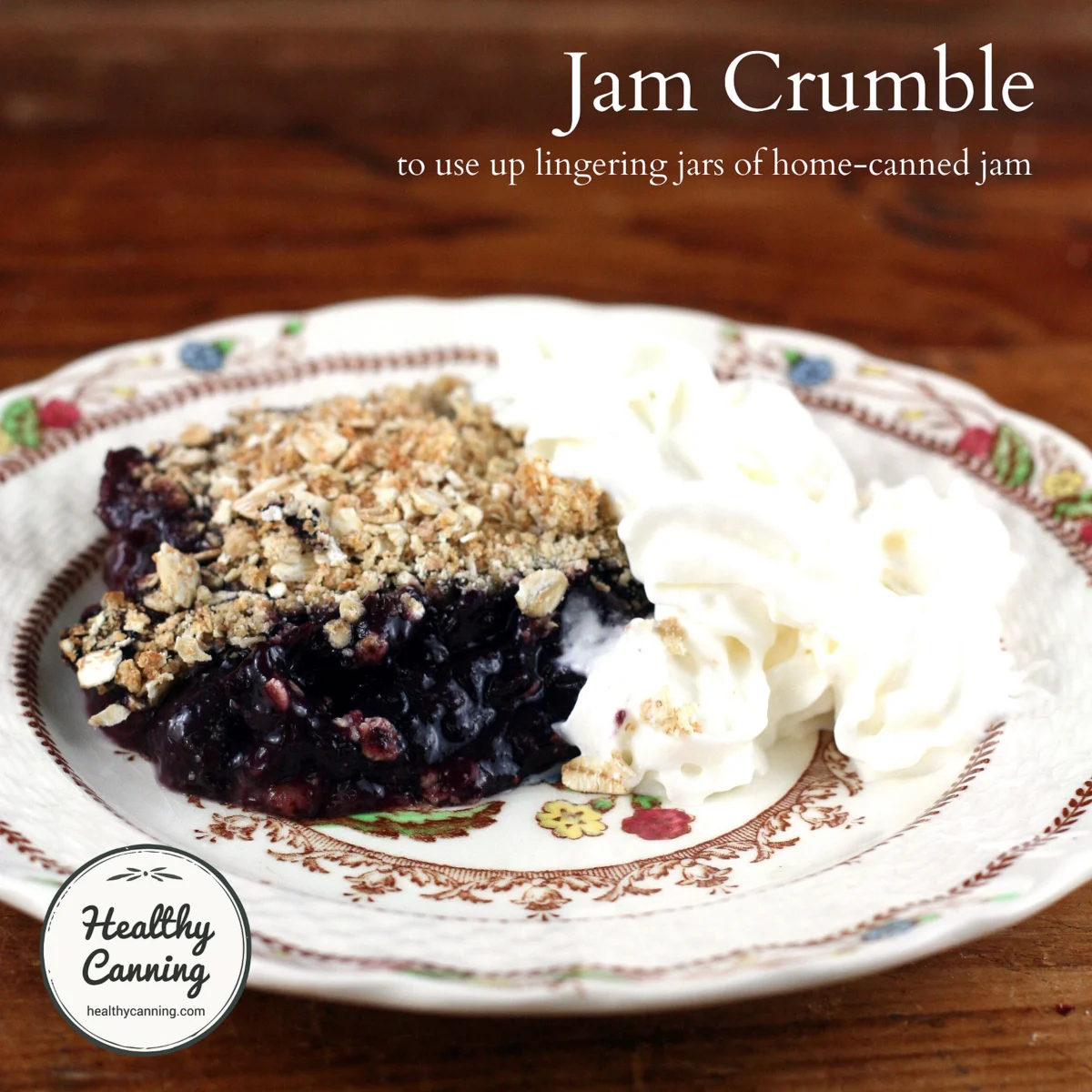
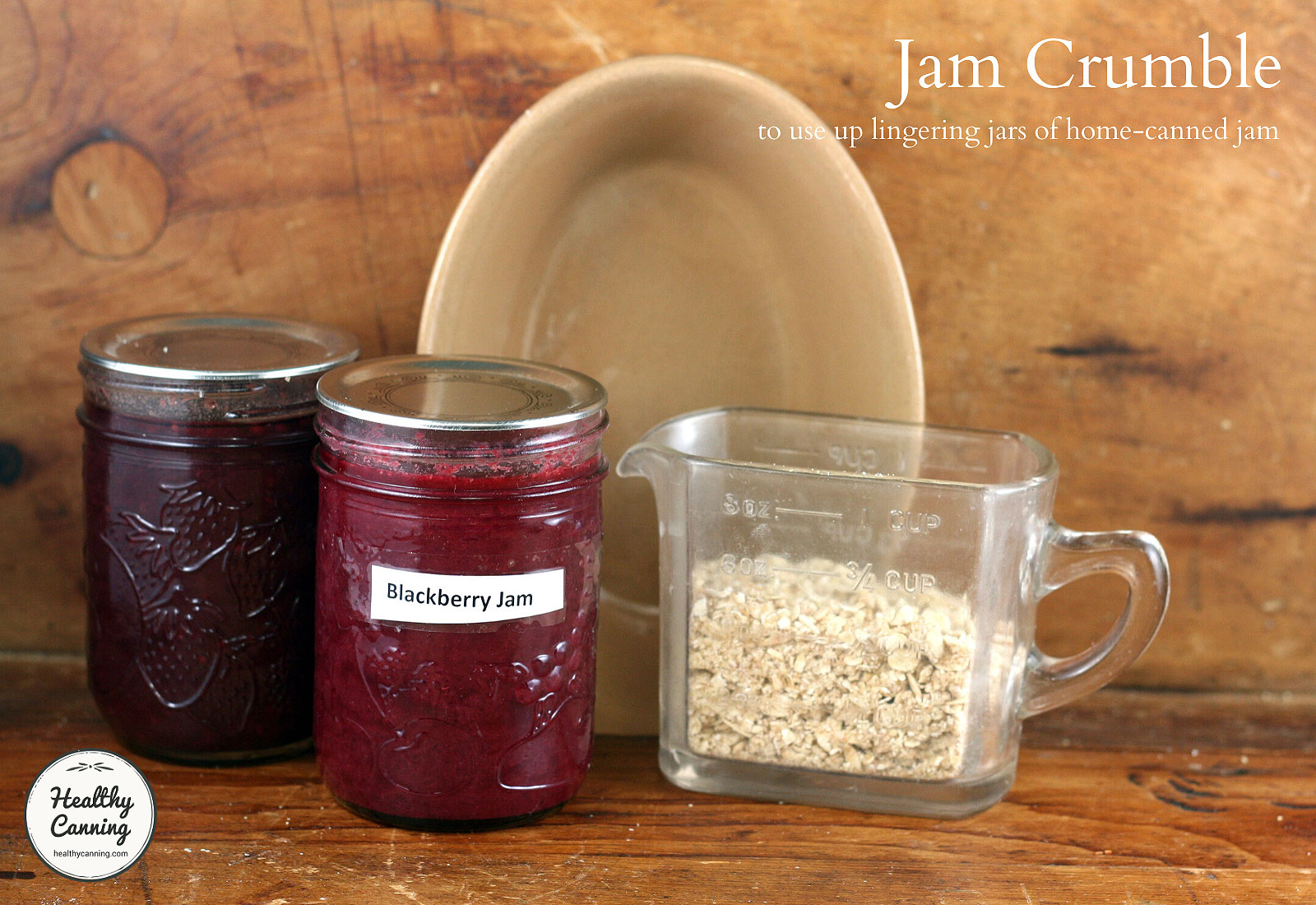
The jam crumble serves as a functional framework for rapid dessert preparation, requiring a significantly shorter preparation time than traditional fruit pies or tarts. The process centers on the use of existing preserves—typically two 250 ml (half-pint) jars or a single 500 ml (one-pint) jar—which serve as the pre-sweetened and pre-thickened fruit base. Because the fruit has already been processed through canning, the "cooking" phase in the oven is primarily focused on heating the filling to a bubbling consistency and browning the textural topping.
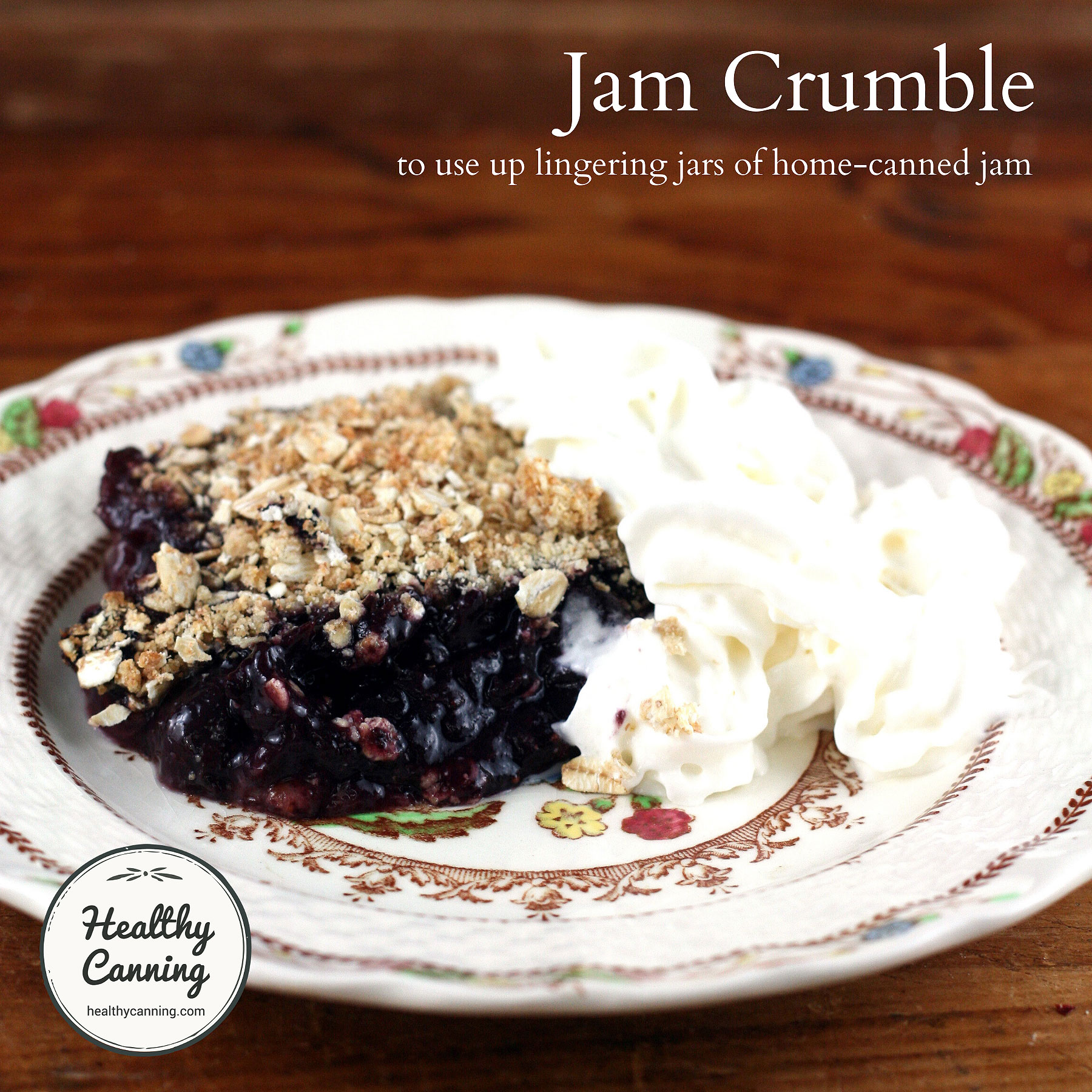
The standard preparation requires an oven temperature of 175°C (350°F) and yields approximately two cups of finished product, sufficient for six servings. The preparation time is optimized at approximately ten minutes, with a baking duration of 35 minutes. This efficiency is further enhanced by the adaptability of the topping. While some practitioners utilize pre-existing oatmeal pancake mixes as a shortcut, a standard artisanal topping can be synthesized using a ratio of half a cup of oats, two tablespoons of flour, one tablespoon of sugar, and a pinch of salt, bound together with two tablespoons of cold butter. This versatility allows the jam crumble to function as a "concept" rather than a rigid recipe, permitting various substitutions based on available pantry staples.

A Chronology of Home Preservation and the Surplus Phenomenon
To understand the relevance of the jam crumble, one must examine the chronology of home preservation cycles. Historically, the practice of canning was a necessity born of agricultural cycles. During peak harvest seasons, known as "fruit windfalls," households would process hundreds of pounds of produce to ensure food security throughout the winter months.
- The Harvest Phase: Large quantities of berries, stone fruits, or pomes are harvested or purchased at peak ripeness.
- The Preservation Phase: High-intensity labor results in a surplus of jars, often exceeding the immediate consumption rate of the household.
- The Dormancy Phase: As breakfast habits evolve or new seasonal flavors become available, older jars of jam move to the back of the pantry shelves.
- The Discovery Phase: Home cooks identify "aging" jars—perfectly safe but perhaps losing their vibrant color or being bypassed for newer batches.
- The Repurposing Phase: The jam crumble is deployed as a high-utility solution to clear shelf space before the next harvest cycle begins.
This cycle has seen a resurgence in the 21st century, particularly following the global supply chain disruptions of 2020, which prompted a massive return to home gardening and canning. As these "pandemic pantries" reach maturity, the need for creative repurposing strategies has become a central theme in modern home economics.
Supporting Data: Food Waste and Economic Impact
Data from global food waste studies suggest that a significant portion of household waste occurs not from spoilage, but from "pantry neglect," where preserved items exceed their perceived peak quality. By utilizing jam as a dessert base, the economic value of the initial fruit harvest and the energy expended during the canning process are fully realized.
From a nutritional and dietary perspective, the jam crumble offers a unique advantage in portion and calorie control. According to nutritional analysts, the use of low-sugar or sugar-free preserves can transform a traditionally heavy dessert into a "Weight Watchers-friendly" option. Because the sweetness is concentrated in the jam, the topping requires minimal additional sugar. Furthermore, the inclusion of whole-grain oats provides a fiber component that is often lacking in more refined flour-based desserts.
The scalability of the topping also presents an opportunity for "batch processing." Culinary experts recommend tripling or quadrupling the crumble mixture. By storing the excess in sealed containers within a freezer, the preparation time for future desserts is reduced to near-zero, representing a significant optimization of kitchen labor.
Official Responses and Expert Guidance
The resurgence of interest in home preservation has placed a renewed spotlight on food safety and quality. Organizations such as the Master Food Preserver groups provide critical oversight and education for those managing large pantry inventories. While the jam crumble is a safe way to use older preserves, experts emphasize that the integrity of the original seal must be intact.
In statements regarding pantry management, preservation specialists often highlight that while jams do not "expire" in the traditional sense if processed correctly, their sensory qualities—such as texture and brightness of flavor—decline after 12 to 18 months. The jam crumble is frequently cited by these experts as the ideal application for such jars, as the baking process revitalizes the fruit’s texture and the addition of spices like cinnamon or nutmeg can compensate for any slight loss in the fruit’s original aromatic profile.
Furthermore, culinary innovators suggest that the jam crumble serves as an entry point for "flavor layering." By combining two different flavors—such as a layer of raspberry jam beneath a layer of peach jam—cooks can create a complex flavor profile that surpasses the original single-fruit preserve.
Broader Impact and Implications for Sustainability
The transition of the jam crumble from a humble "leftovers" dish to a recognized culinary strategy reflects broader societal shifts toward sustainability and "circular" cooking. In a circular kitchen model, every byproduct or surplus item is viewed as an input for a subsequent process. The jam crumble is the quintessential example of this philosophy.
The implications extend beyond the individual kitchen:
- Environmental Impact: Reducing the demand for store-bought, highly processed desserts reduces the carbon footprint associated with packaging and transportation.
- Cultural Preservation: Utilizing homemade preserves keeps traditional skills alive and honors the labor of the previous harvest season.
- Financial Literacy: Maximizing the use of the "pantry bank" reduces weekly grocery expenditures, providing a buffer against food price inflation.
As the movement toward "slow food" and home-centered living continues to grow, the jam crumble stands as a testament to the power of simple, fact-based kitchen management. It is a dish that balances the artisanal pride of home canning with the pragmatic realities of modern time constraints.
Technical Considerations for the Modern Cook
For those looking to implement this strategy, certain technical nuances can improve the outcome. The viscosity of the jam is a primary factor; high-pectin jams will result in a firmer, more gel-like filling, while "soft sets" or fruit butters will yield a more sauce-like consistency. If the jam is particularly thick, a tablespoon of lemon juice or water can be stirred in prior to adding the topping to ensure a jammy, rather than rubbery, texture after baking.
Additionally, the choice of fats in the topping—ranging from traditional butter to coconut oil or margarine—allows for the accommodation of various dietary restrictions, including veganism. This adaptability ensures that the jam crumble remains a versatile tool in the cook’s repertoire, capable of being served at a formal dinner party with whipped cream or as a quick weeknight treat for the family.
In conclusion, the jam crumble is more than a recipe; it is a strategic response to the surplus of the preservation cycle. By applying professional kitchen logic to the home pantry, individuals can reduce waste, save time, and maintain a sustainable, delicious approach to dessert.