The pervasive human desire to live a longer, healthier, and more vibrant life has fueled a multi-trillion-dollar global industry, transforming wellness from a simple concept into a complex, often bewildering, quest for "optimization." While the fundamental aspiration for extended healthspan is universal, the methods promoted to achieve it have grown increasingly elaborate, expensive, and, at times, controversial. This article delves into the contemporary landscape of health optimization, examining the claims made by a burgeoning cohort of fitness influencers, authors, and podcasters, and critically assessing the necessity, efficacy, and true cost—in terms of effort, time, money, and personal trade-offs—of their advanced protocols.
The Enduring Quest for Extended Life and Vitality
For millennia, humanity has dreamt of delaying aging and extending life. From ancient elixirs to modern medical breakthroughs, the pursuit of longevity has been a constant thread through history. In the 21st century, advancements in science and medicine have indeed pushed average life expectancies higher in many parts of the world. According to the World Health Organization, global life expectancy at birth reached 73.4 years in 2019, up from 66.8 years in 2000. However, this increase in lifespan has not always been accompanied by a commensurate increase in "healthspan"—the period of life lived in good health, free from chronic disease and disability. The paradox of longer lives often burdened by conditions like type 2 diabetes, heart disease, certain cancers, and neurodegenerative disorders has intensified the search for strategies that not only prolong existence but enhance its quality.
This societal shift has given rise to a powerful narrative: that merely living longer is insufficient; one must actively "optimize" every facet of health to defy the natural aging process and achieve peak human performance. This narrative is particularly resonant in an era of unprecedented access to information, where personal stories of transformation and aspirational lifestyles are constantly curated and disseminated across digital platforms.
The Proliferation of the "Optimization" Industry
The response to this collective yearning for extended health has been the explosive growth of what can broadly be termed the "health optimization" industry. This sector encompasses a vast array of products, services, and philosophies, ranging from highly specialized dietary regimens (e.g., ketogenic, paleo, carnivore, plant-based extremes), intricate supplement stacks (featuring everything from adaptogens and nootropics to custom-compounded peptides), advanced fitness methodologies (high-intensity interval training, zone 2 cardio, strength protocols, mobility work), and sophisticated biohacking techniques (cold plunges, infrared saunas, red light therapy, hyperbaric oxygen chambers, continuous glucose monitors, wearable tech for sleep and stress tracking).
Market research firms estimate the global wellness market, which heavily overlaps with health optimization, to be valued at over $4.5 trillion, with significant year-over-year growth projected. This expansive ecosystem is populated by a diverse group of proponents:
- Fitness Influencers: Often showcasing aspirational physiques and extreme routines, promoting specific workout plans and supplement brands.
- Biohackers: Advocating for technological and lifestyle interventions to "upgrade" human biology, frequently emphasizing data-driven self-experimentation.
- Nutrition Gurus: Championing unique dietary approaches, often promising rapid weight loss, disease reversal, or enhanced cognitive function.
- Anti-Aging Specialists: Focusing on protocols designed to slow or reverse cellular aging, from advanced skincare to hormone therapies.
These figures frequently promise transformative results: reversing chronic disease, extending youthful vigor, achieving extraordinary lifespans (e.g., "living to 115… or forever"), and unlocking unparalleled levels of energy and mental clarity. The sheer volume of information and the compelling nature of these claims can be overwhelming for individuals seeking genuine health improvements.
Scrutinizing the Efficacy: Are Advanced Protocols Truly Necessary?
A central question arises from this landscape of advanced optimization: are these ultra-specific, often complex, and frequently expensive protocols truly necessary for the majority of individuals to achieve significant health and longevity? Or are they merely marginal gains layered upon foundational health principles?
Mainstream medical and public health consensus, grounded in decades of rigorous scientific research, consistently emphasizes a core set of evidence-based lifestyle interventions for preventing chronic disease and promoting longevity. These include:
- Balanced Nutrition: A diet rich in whole, unprocessed foods, including abundant fruits, vegetables, whole grains, lean proteins, and healthy fats.
- Regular Physical Activity: A combination of aerobic exercise (e.g., brisk walking, jogging, cycling) and strength training, totaling at least 150 minutes of moderate-intensity activity or 75 minutes of vigorous activity per week, as recommended by organizations like the American Heart Association and the World Health Organization.
- Adequate Sleep: 7-9 hours of quality sleep per night for most adults, crucial for cellular repair, hormone regulation, and cognitive function.
- Stress Management: Effective strategies to mitigate chronic stress, which can negatively impact cardiovascular health, immune function, and mental well-being.
- Avoidance of Harmful Substances: Limiting alcohol intake and abstaining from smoking and recreational drugs.
Experts in fields ranging from public health to gerontology often point out that the vast majority of health benefits and reductions in disease risk are achieved by consistently adhering to these fundamental principles. Dr. Elizabeth Blackburn, a Nobel laureate for her work on telomeres and aging, has often stated that while research into advanced interventions is ongoing, the most impactful strategies for healthy aging remain surprisingly simple and accessible. Similarly, reports from institutions like the National Institute on Aging underscore the power of basic lifestyle choices in preventing age-related decline.
The incremental benefits offered by highly specialized diets, bespoke supplement regimens, or cutting-edge biohacking techniques, while potentially real for some individuals or specific conditions, often represent a point of diminishing returns. The gains might be marginal for a significant investment of resources, especially for those who have not yet mastered the foundational elements of health. For example, while advanced blood markers might be appealing, managing blood pressure and cholesterol through diet and exercise often yields more substantial and cost-effective results than complex supplement stacks aimed at similar targets.
The True Cost: Financial, Temporal, and Personal Investment
Beyond the question of efficacy lies the critical assessment of the investment required for these advanced optimization protocols. The original article rightly poses: "And just how much effort, time, and money do these methods really require?" The answer is often substantial, potentially creating significant barriers to access and sustainability.

Financial Cost:
- Specialized Diets: Adhering to specific, often restrictive, diets can necessitate purchasing expensive organic produce, niche ingredients, and high-quality protein sources. For instance, a month of meticulously sourced ingredients for a strict ketogenic or carnivore diet can easily exceed standard grocery budgets by hundreds of dollars.
- Supplements: The global dietary supplements market is projected to reach over $300 billion by 2028. An "optimal" supplement stack promoted by an influencer might include dozens of pills, powders, and liquids, costing anywhere from $100 to $1,000+ per month, with little regulation ensuring product quality or claimed benefits.
- Biohacking Devices and Services: Infrared saunas, cold plunge tubs, red light therapy devices, and hyperbaric oxygen sessions can represent investments ranging from hundreds to tens of thousands of dollars for home units, or significant recurring fees for facility access. Continuous glucose monitors, while beneficial for diabetics, are increasingly used by non-diabetics for "optimization" at a cost of $70-100 per two-week sensor.
- Personalized Coaching and Diagnostics: High-end nutritionists, fitness coaches, and anti-aging physicians offering highly personalized plans can charge thousands for initial consultations and ongoing support. Advanced diagnostic tests (e.g., comprehensive gut microbiome analysis, detailed genetic sequencing, specialized hormone panels) can add hundreds to thousands of dollars, often not covered by standard insurance.
Temporal Cost:
- Rigorous Routines: Implementing advanced fitness protocols, extensive meal prep, detailed tracking of macros and micronutrients, and dedicated recovery sessions demands significant daily time commitment. This can mean hours in the gym, hours in the kitchen, and dedicated time for meditation, journaling, or biohacking practices.
- Research and Learning: Staying abreast of the latest "optimal" strategies often requires substantial time dedicated to consuming content from various sources, sifting through conflicting information, and experimenting with different approaches.
Effort and Mental Load:
- The cognitive burden of constantly monitoring, measuring, and adjusting one’s lifestyle can be immense. For some, this hyper-focus on health can tip into orthorexia (an unhealthy obsession with healthy eating) or create undue anxiety about perceived imperfections. The pursuit of perfection can become a source of stress itself, undermining the very goal of holistic well-being.
The Critical Question: Are the Benefits Worth the Trade-offs?
This brings us to the most crucial question posed by the original content: "Are the benefits worth the trade-offs?" For many, the answer is nuanced and deeply personal.
Potential Trade-offs Include:
- Financial Strain: Dedicating a significant portion of disposable income to health optimization can limit opportunities for other life experiences, savings, or investments. This can create financial stress, which itself is detrimental to health.
- Social Isolation: Extremely restrictive diets or rigid routines can make social dining and activities challenging, potentially leading to feelings of isolation or alienation from friends and family who do not share the same lifestyle.
- Mental Health Impact: The relentless pursuit of an "optimal" state can foster an unhealthy relationship with food, exercise, and one’s body. The constant comparison to curated online personas can fuel body image issues, self-criticism, and feelings of inadequacy if desired results are not achieved. The pressure to adhere perfectly can lead to guilt and anxiety when deviations occur.
- Time Deprivation: When health optimization consumes an inordinate amount of time, it can detract from other enriching aspects of life, such as hobbies, personal relationships, career development, or community engagement. A life lived solely in pursuit of physical perfection, at the expense of joy and connection, may not be a truly "optimal" life.
- Risk of Misinformation and Harm: The unregulated nature of much of the wellness industry means that consumers are exposed to a wide range of advice, some of which is unscientific, ineffective, or even harmful. Relying on unqualified sources can lead to unnecessary expenses, delayed appropriate medical care, or adverse health outcomes.
Expert Perspectives and Public Health Directives
Public health organizations and medical bodies largely advocate for a balanced, sustainable approach to health and longevity. Their messaging consistently highlights that the greatest gains in public health come from addressing preventable risk factors through accessible, affordable, and actionable strategies.
Dr. David Katz, a prominent voice in preventive medicine, has frequently articulated that the vast majority of health outcomes are determined by a relatively small number of foundational lifestyle factors. He argues that while specialized interventions may offer marginal benefits to elite athletes or individuals with specific medical conditions, for the general population, focusing on "food, feet, and sleep" (i.e., good nutrition, regular movement, and adequate rest) yields the most significant and cost-effective results.
The emphasis from the medical community is on evidence-based practices, personalized care guided by qualified healthcare professionals, and a holistic view of well-being that includes mental and emotional health alongside physical health. There’s a growing concern among healthcare providers about the potential for patient confusion and financial exploitation arising from the fragmented and often sensationalized advice prevalent in the "optimization" sphere.
Broader Impact and Societal Implications
The rise of the health optimization movement carries significant societal implications:
- Health Equity: The high financial cost of many advanced protocols exacerbates health disparities. "Optimal" health becomes a luxury, creating a widening gap between those who can afford cutting-edge interventions and those who cannot, further marginalizing vulnerable populations who already face barriers to basic healthcare and nutritious food.
- Consumer Protection and Regulation: The sheer volume of unregulated products and unsubstantiated claims in the wellness market poses a challenge for consumer protection agencies. There is a pressing need for clearer guidelines, stricter enforcement, and improved public education to help consumers discern credible information from marketing hype.
- Redefining Health: The relentless pursuit of "optimization" risks redefining health not as a state of well-being and resilience, but as a project of constant improvement and correction, potentially fostering a sense of inadequacy rather than empowerment.
- Economic Influence: The massive economic footprint of the wellness industry influences not only consumer spending but also research priorities and even public discourse around health.
Finding Sustainable Longevity: A Balanced Approach
Ultimately, the goal for most people is not merely to exist for as long as possible, but to live a life that is long, healthy, and genuinely enjoyable. This suggests that the most effective path to health and longevity is one that integrates well-being into a fulfilling life, rather than demanding that life revolve solely around health metrics.
Achieving the health and longevity one desires, while simultaneously living a life one enjoys, often comes down to mastering the fundamentals and seeking balance. This means prioritizing:
- Nutrient-Dense Eating: Focusing on whole, unprocessed foods that nourish the body without unnecessary restriction or exorbitant cost.
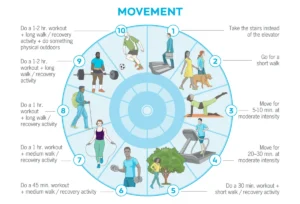
- Consistent Movement: Engaging in enjoyable physical activity that fits one’s lifestyle, rather than punishing workouts.
- Rest and Recovery: Valuing sleep and incorporating stress-reducing practices into daily life.
- Social Connection: Nurturing relationships and community, which are increasingly recognized as powerful determinants of longevity and happiness.
- Purpose and Meaning: Engaging in activities that provide a sense of accomplishment and contribute to overall life satisfaction.
While scientific exploration into advanced longevity strategies continues, for the vast majority, the path to a longer, healthier life is less about biohacking the future and more about consistently implementing timeless, evidence-based practices that support the body’s natural resilience. The true cost of "optimal" health, when viewed through a holistic lens, is not just financial, but encompasses the potential for joy, connection, and a life lived fully rather than merely perfectly. Informed decision-making, guided by reputable sources and personal values, remains paramount in navigating the complex terrain of modern health advice.