
The resurgence of legacy restaurant brands has become a defining trend within the modern American dining landscape, tapping heavily into consumer nostalgia while attempting to capture younger demographics. Among the most closely watched revivals is that of Chi-Chi’s, the iconic Mexican restaurant chain that officially re-entered the brick-and-mortar dining scene late last year. Building upon the momentum of its triumphant flagship reopening in Minneapolis, the brand is expanding its culinary footprint by rolling out a comprehensive new lunch menu alongside the return of three of its most historically requested legacy menu items: the Twice Grilled BBQ Burrito, the Seafood Nachos, and the Margarita Chicken Tacos, which utilize the brand’s original, highly celebrated margarita marinade.
This strategic expansion represents a critical milestone in Chi-Chi’s ongoing corporate evolution. Since welcoming its first guests back to a physical restaurant space last fall after a two-decade hiatus from the restaurant-format market, the brand has drawn patrons from across the United States. Many of these consumers have traveled significant distances specifically to recreate nostalgic dining experiences tied to family memories, weekend celebrations, and the distinct festive atmosphere that defined the chain during its peak years in the late 20th century. By pairing these deeply requested legacy dishes with a value-driven, accessible lunch lineup tailored to contemporary schedules, leadership aims to cement the brand’s long-term viability in a competitive casual dining sector.
A Chronological Look at the Chi-Chi’s Legacy and Revival
To fully understand the significance of the current menu expansion, it is necessary to examine the trajectory of the Chi-Chi’s brand over the past several decades. Founded in 1975 in Richfield, Minnesota, by restaurant entrepreneurs Marno McDermott and Terry Ryan, Chi-Chi’s quickly grew into a cultural and culinary phenomenon. Throughout the 1980s and 1990s, the chain popularized accessible Mexican-American cuisine across the United States, scaling to hundreds of locations nationwide. Known for its vibrant interior decor, expansive portions, complimentary chips and fresh salsa, and energetic bar scene, the brand became a staple for family gatherings and social outings.
However, shifting corporate ownership, economic pressures, and a devastating hepatitis A outbreak in 2003 tied to a restaurant location at a Pennsylvania mall severely impacted the company. Shortly thereafter, parent company Chi-Chi’s Inc. filed for Chapter 11 bankruptcy protection. By 2004, all remaining company-owned domestic restaurant locations were permanently shuttered. Despite the closure of its physical dining rooms, the brand managed to maintain commercial relevance through its popular line of grocery store salsas, tortilla chips, and meal kits distributed via retail channels under license agreements.
The turning point for the restaurant brand arrived last year when leadership orchestrated a high-profile physical return, opening a new brick-and-mortar location in Minneapolis. The opening generated intense media attention and overwhelming consumer demand, proving that the brand equity built over decades remained remarkably potent. The introduction of the new lunch menu and the reinstatement of vintage dishes mark the second phase of this strategic rollout, moving the brand from initial launch curiosity to an established, ongoing dining operation.
The New Menu Offerings: Nostalgia Meets Modern Value
The cornerstone of the latest update is a completely reimagined lunch menu engineered to meet the demands of modern diners, who frequently seek speed, high quality, and strong economic value during the midday meal period. Priced strategically between $10 and $15, the new lunch lineup successfully balances accessibility with scratch-made culinary execution.
Among the standout additions to the menu are three items that dominated consumer requests on social media and customer feedback channels since the Minneapolis location opened:
The Twice Grilled BBQ Burrito: A hearty, texturally complex offering featuring seasoned proteins, savory barbecue notes, and a double-grilling process that yields a crisp outer tortilla shell while keeping the interior ingredients hot and flavorful.
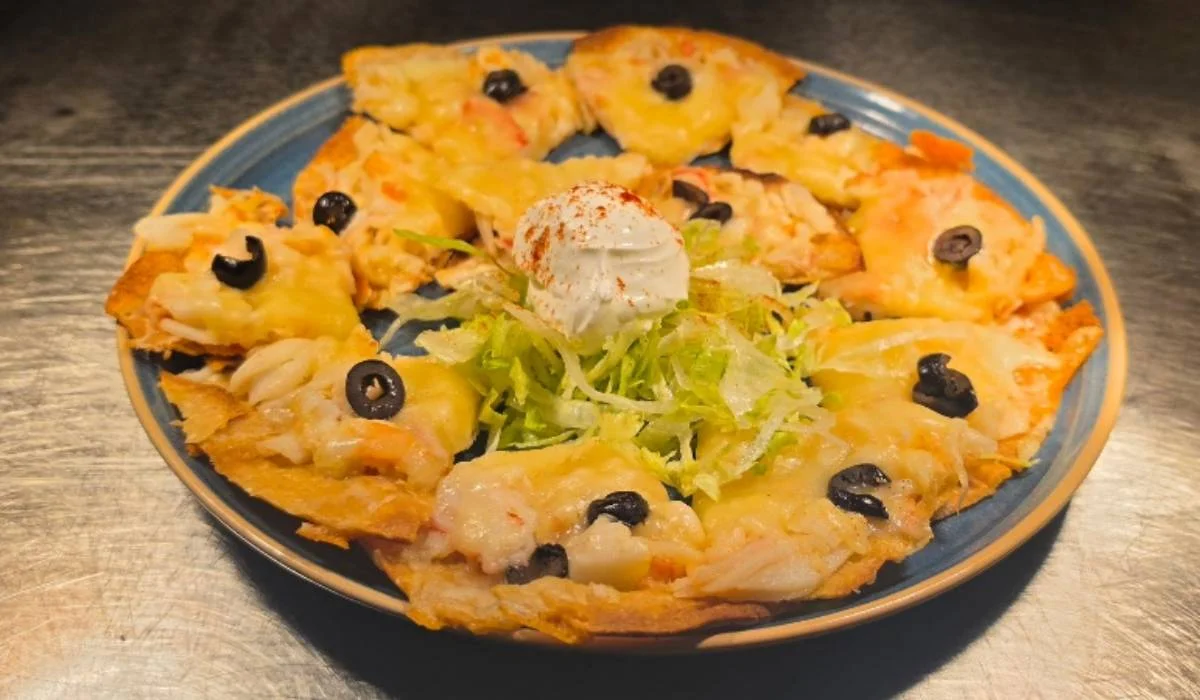
Seafood Nachos: A decadent appetizer-turned-entrée featuring crisp tortilla chips layered with a rich blend of melted cheeses and premium seafood components, a testament to the brand’s historical menu diversity.
Margarita Chicken Tacos: Highlighted by the return of the proprietary margarita marinade, these tacos showcase the citrus-infused, tender chicken profile that won over loyalists decades ago.
In addition to these heavy-hitting legacy returns, the expanded midday selection features a scaled-down mini chimichanga, a modern Margarita Chicken Sandwich, and various customizable soup-and-salad combinations. This diverse array is designed to appeal to both traditionalists seeking exact replicas of past favorites and office workers or casual diners looking for quick, high-value lunch options.
Leadership Perspective and the Personal Connection
At the helm of this multifaceted revival is Chief Executive Officer Michael McDermott. The resurgence of Chi-Chi’s is more than a professional corporate turnaround; it is a deeply personal endeavor. As the son of Chi-Chi’s co-founder Marno McDermott, Michael McDermott grew up immersed in the culture and operational philosophy of the original enterprise. His leadership style focuses heavily on honoring the foundational principles established by his father—namely, fresh ingredients, operational hospitality, and an energetic atmosphere—while positioning the business to capture the attention of a younger generation of consumers who may have no memory of the brand’s 20th-century heyday.
Reflecting on the overwhelming consumer response that prompted the return of the legacy items, McDermott noted the clarity of the market demand.
"Guests have been asking us for these menu items since the day we reopened," said McDermott regarding the recent additions. "Bringing back the Twice Grilled BBQ Burrito, Margarita Chicken Tacos, and Seafood Nachos was an easy decision, and the new lunch menu gives guests even more reasons to visit throughout the week. We’re focused on delivering the quality, value, hospitality, and fun atmosphere that people remember from Chi-Chi’s while introducing the brand to a new generation of guests."
Operational Philosophy: The Scratch-Kitchen Commitment
In an era where many casual dining chains rely heavily on pre-packaged, frozen, or outsourced components to reduce labor costs and streamline supply chains, Chi-Chi’s has doubled down on an intensive scratch-kitchen operational model. The brand prepares nearly its entire core menu in-house daily. This includes rolling fresh flour tortillas, simmering proprietary salsas, and mixing dressings from raw ingredients.
This commitment to culinary craftsmanship serves a dual purpose. Operationally, it allows the kitchen team to maintain strict quality control over flavor profiles, ensuring that the legacy dishes taste authentic to what consumers remember from decades past. Commercially, it acts as a crucial differentiator in the crowded Mexican-American dining category, allowing the brand to command loyalty from discerning food consumers who prioritize ingredient transparency and authentic preparation methods over convenience.
Furthermore, the brand continues to lean into its historical strengths: vibrant, colorful dining room aesthetics, robust happy hour promotions, and an interactive service style designed to foster a celebratory social environment.
Broader Industry Implications and Future Growth Potential
The successful revival of Chi-Chi’s offers valuable insights into broader consumer trends within the United States hospitality and food service sectors. Nostalgia marketing, when executed with operational authenticity and respect for historical brand equity, can generate powerful organic marketing, immediate customer acquisition, and sustained foot traffic. By actively listening to legacy consumers through digital channels and immediately integrating their top requests—such as the Margarita Chicken Tacos and Seafood Nachos—management has demonstrated a high degree of consumer responsiveness.
The introduction of a value-oriented, competitively priced lunch tier ($10 to $15) also reflects broader economic realities. Amid inflationary pressures affecting discretionary consumer spending, casual dining brands must offer compelling weekday value propositions to drive midday frequency and maximize restaurant capacity outside of traditional evening dinner rushes.
Looking toward the horizon, the leadership team at Chi-Chi’s is deliberately pacing the brand’s expansion. Rather than rushing into rapid, uncalculated multi-unit franchising—a pitfall that has historically strained struggling restaurant concepts—the company is carefully evaluating future geographic locations and additional growth opportunities. As interest in the brand continues to surge across digital platforms and through physical restaurant patronage, the company is positioning itself for sustainable, controlled scaling.
Ultimately, the return of Chi-Chi’s transcends a simple corporate reboot. It represents a careful bridging of eras: honoring the fond culinary memories of millions of American diners who grew up with the brand, while establishing a modern, scratch-made, and value-conscious operational foundation capable of thriving in the competitive landscape of the 21st century.