
The seemingly simple bagel, a staple enjoyed across the globe, is undergoing a subtle yet significant transformation in the realm of artisan baking. This evolution, driven by a desire for enhanced flavor, texture, and a more refined crumb, is exemplified by a new generation of sourdough bagel recipes. One such iteration, meticulously developed and shared by The Perfect Loaf, represents a departure from traditional methods, embracing techniques that elevate the humble bagel to a new culinary status. This updated approach focuses on optimizing fermentation, flour blends, and shaping for a product that is both familiar and delightfully novel.
The journey to this refined "new wave" sourdough bagel is rooted in a series of thoughtful inquiries and iterative adjustments. The creator, driven by a relentless pursuit of perfection, questioned the conventional placement of sweetness, the monolithic use of single flours, and the standard shaping and resting protocols. The result is a recipe that, while appearing deceptively simple in its individual components, culminates in a profoundly more complex and satisfying bagel. This dedication to refining each element, from the initial levain build to the final bake, mirrors the meticulous approach often seen in high-end artisan bread making, applying those principles to the beloved bagel.
A Deeper Dive into the "New Wave" Philosophy
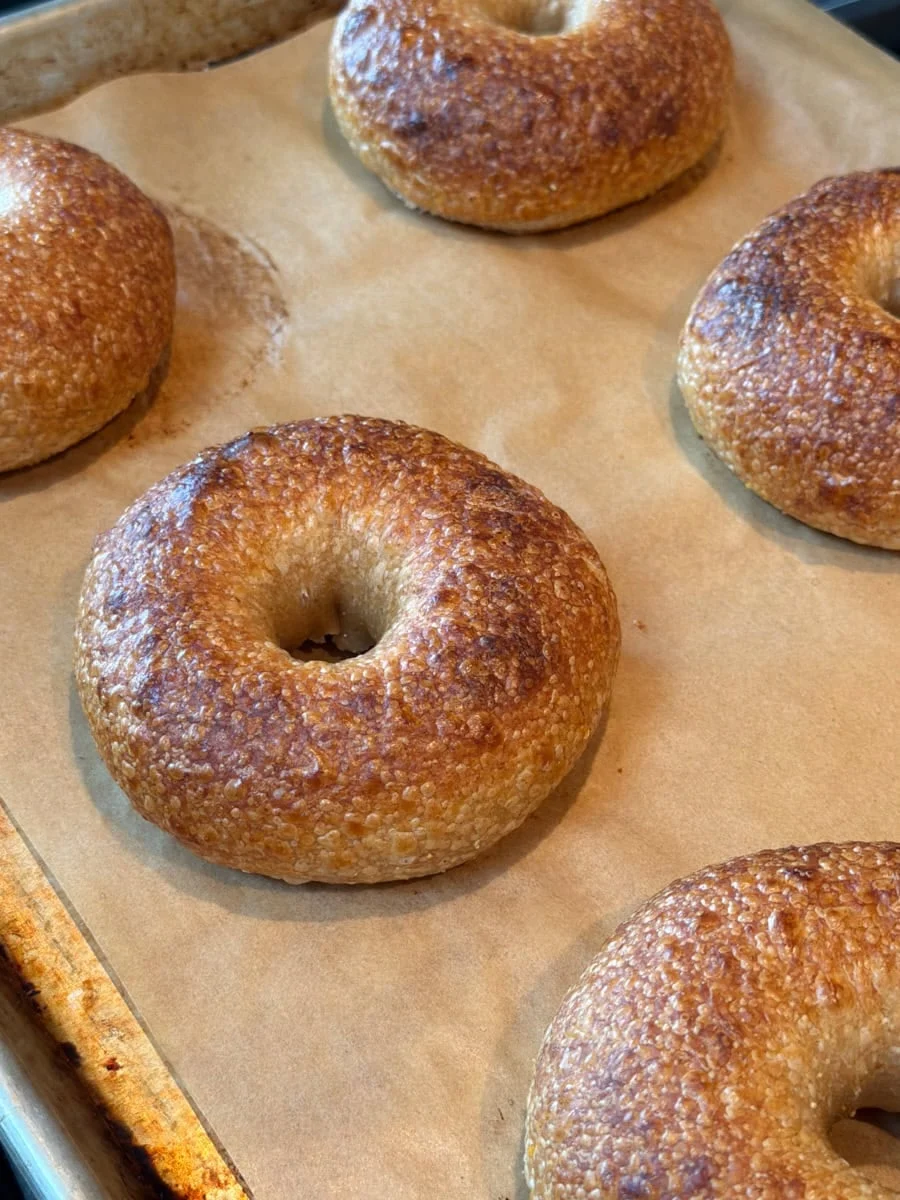
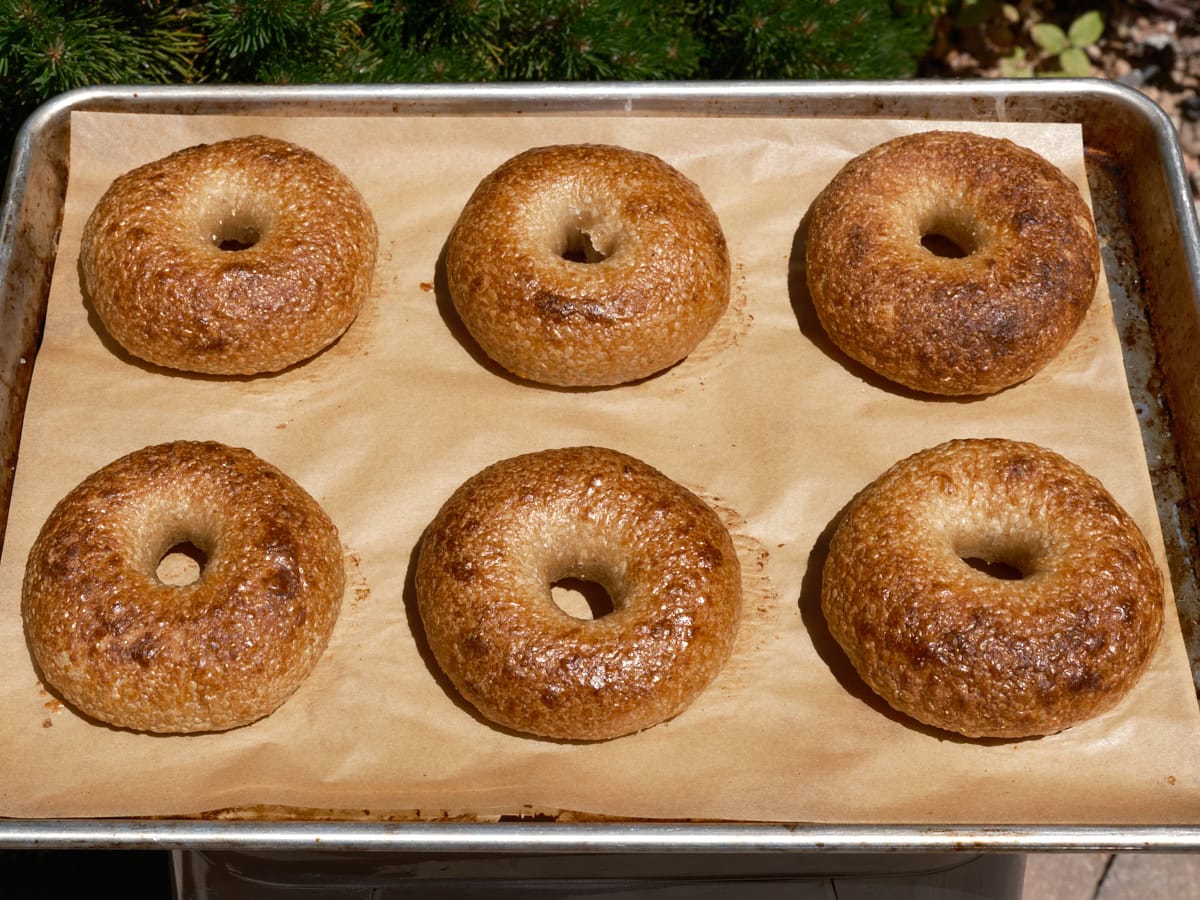
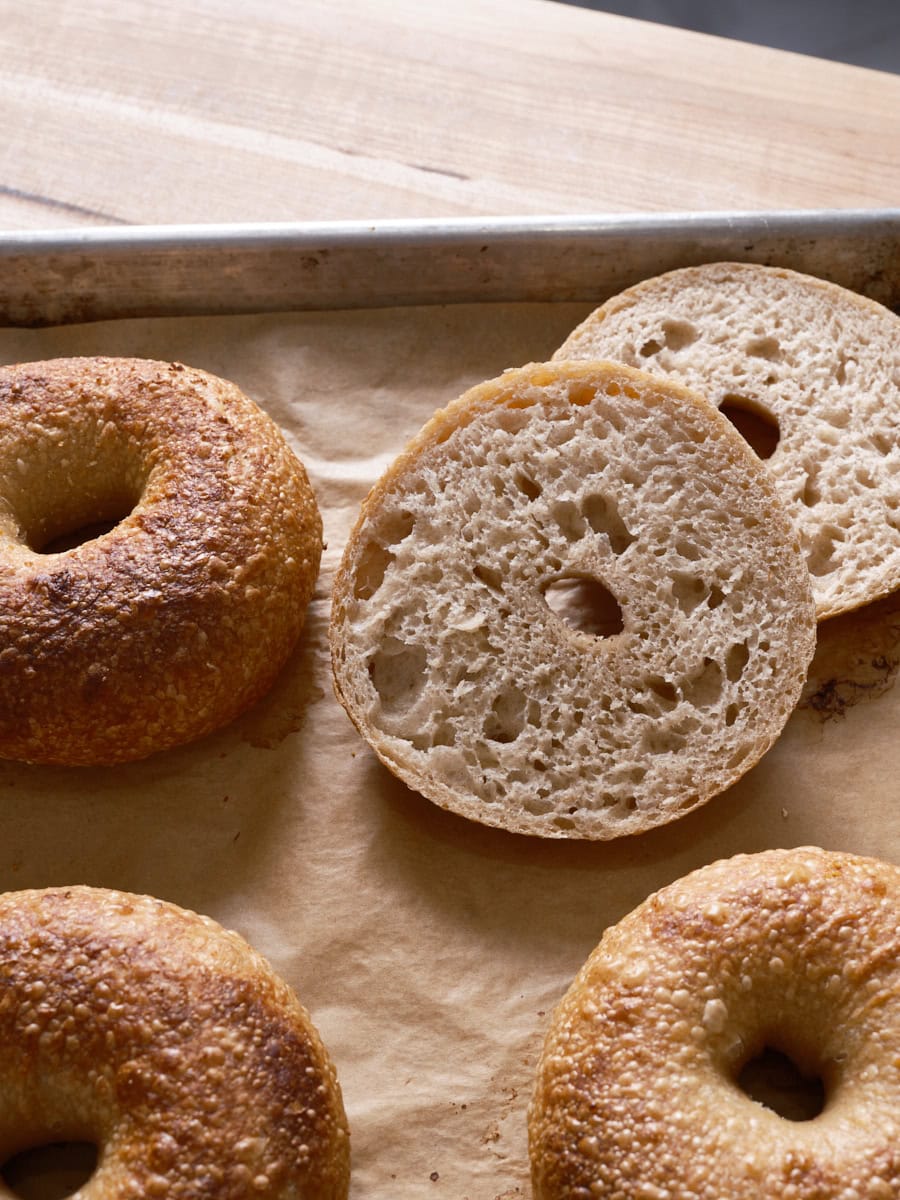
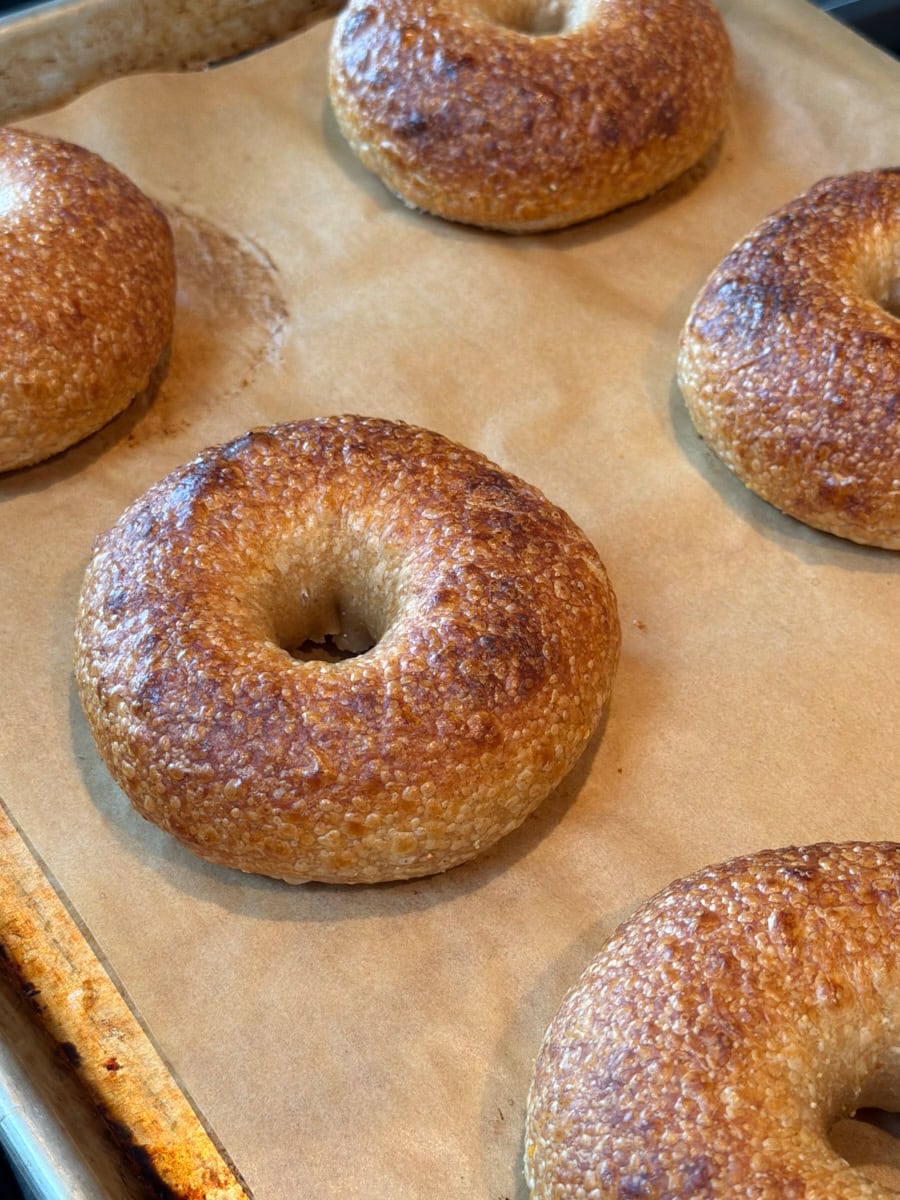
Unlike the classic New York-style bagel, characterized by its chewy texture, thicker crust, and dense, closed crumb, this "new wave" sourdough bagel offers a lighter, more ethereal experience. Its glossy, blistered crust hints at the delightful crispness within, while the crumb structure is noticeably more open and tender. This style draws inspiration from contemporary bagel shops that are pushing the boundaries of what a bagel can be, exemplified by establishments like Courage Bagels in Los Angeles, which have garnered significant attention for their innovative approach.
The development of this specific recipe involved a deliberate, one-variable-at-a-time refinement process. The initial shift focused on the flour blend. Moving away from a single type of flour, the recipe now incorporates a sophisticated mix: high-protein white flours for structure and chew, medium-protein white flours for a delicate crumb, and a judicious amount of whole wheat and whole rye flours. These whole grains are not merely for nutritional enhancement but are crucial for developing a deeper, more nuanced flavor profile and contributing to a more complex fermentation.
The levain itself underwent a transformation. By introducing a small quantity of sugar into the levain, the fermentation is subtly skewed towards yeast activity, thereby minimizing the pronounced sourness often associated with sourdough. This creates a more balanced flavor, allowing the inherent sweetness of the malt and the character of the flours to shine.
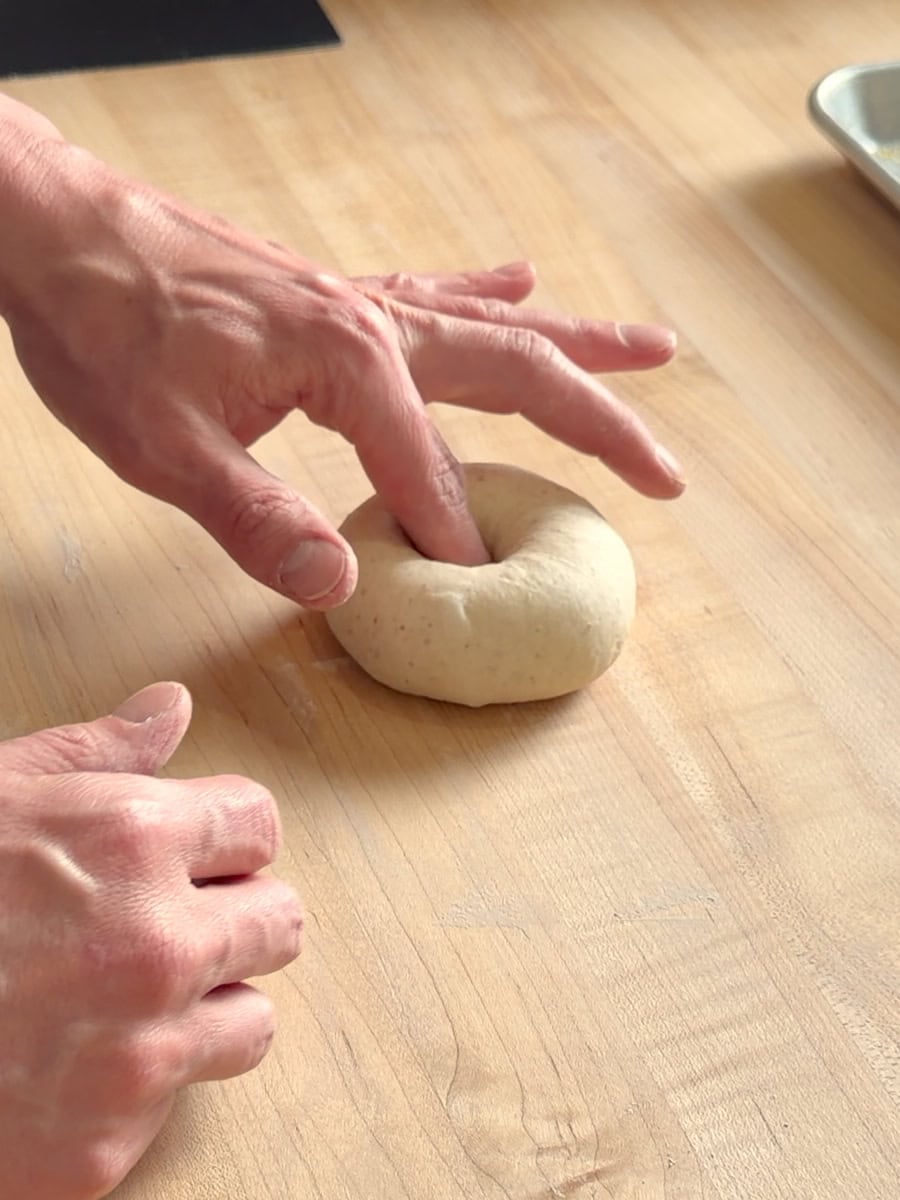
Shaping techniques were also re-evaluated. The traditional method of rolling dough into a rope and joining the ends can sometimes lead to seam failures during the boiling process, particularly with higher hydration doughs. The "poke method," where a hole is created in the center of a dough ball and gently stretched, offers a simpler, more forgiving, and ultimately more uniform result.
Finally, the overnight cold retard, a staple in many artisan bread recipes, has been integrated into the bagel-making process. This extended rest in the refrigerator dramatically impacts both the crust and the flavor. The cold fermentation allows for a deeper development of complex flavors within the dough. It also contributes to a more open crumb structure and fosters the development of those sought-after blisters on the crust, creating a delightful textural contrast that is both visually appealing and gastronomically rewarding. The result is a bagel that tastes more complex, exhibiting a delightful crispness and a rich, baked aroma.
Key Innovations in the "New Wave" Sourdough Bagel
The meticulous construction of this recipe highlights several key areas of innovation:
- Flour Blend for Character: The strategic combination of high- and medium-protein white flours, alongside whole wheat and whole rye, creates a dough with enhanced flavor complexity and a more tender, open crumb. The whole grains contribute a warm, nutty depth and a subtle earthiness, while the white flours ensure the characteristic chew and structure.
- Sweet Levain for Balanced Flavor: Incorporating a small amount of sugar into the levain promotes a more yeast-driven fermentation, resulting in a bagel with less pronounced sourness and a sweeter undertone, allowing other flavors to emerge.
- Poke Method Shaping for Consistency: This technique offers a more manageable and reliable way to achieve the classic bagel ring, especially with wetter doughs, leading to a more uniform shape and better boiling performance.
- Overnight Cold Retard for Flavor and Texture: The extended chilling period significantly deepens the flavor profile, enhances crumb structure, and promotes the development of a desirable blistered and crisp crust.
Technical Insights and Methodological Details
The creation of these "new wave" sourdough bagels is a multi-day process, demanding precision at each stage.
Baking Schedule and Dough Management:
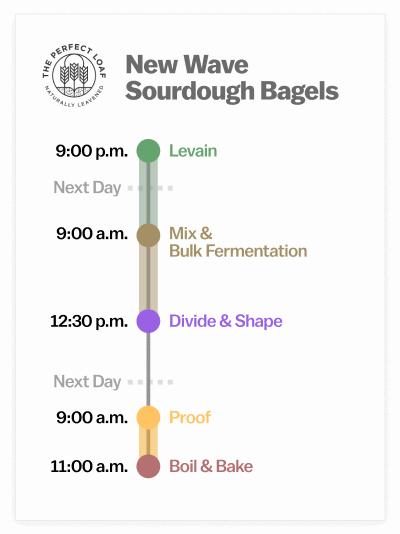
The recipe is structured over three days, offering flexibility. Day one focuses on preparing the "sweet levain," a pre-ferment designed for optimal rise and minimal sourness. Day two involves mixing the main dough, a period of bulk fermentation, and then the crucial overnight cold proof in the refrigerator. Day three is dedicated to shaping, boiling, and baking. While an overnight retard is recommended for optimal flavor and texture, a same-day option is available, requiring a shorter proof at room temperature after shaping.
Flour Selection: The Foundation of Flavor and Texture
The choice of flours is paramount. High-protein white flour, typically in the 12-14% protein range, provides the essential structure and chew. A medium-protein bread flour, finely milled, contributes to a more delicate interior. The addition of whole wheat and whole rye, making up approximately 15% of the total flour, is not for mere health benefits but to imbue the bagel with a sophisticated flavor profile and aid in fermentation.
The Role of Sweeteners: A Trio of Flavor Enhancers
Three distinct sweeteners play crucial roles:
- Barley Malt Syrup: This iconic bagel ingredient is incorporated both into the dough and the boiling water. It provides the signature malty flavor, a touch of sweetness, and a subtle bitterness, while also promoting rich browning during baking.
- Diastatic Malt Powder: Unlike barley malt syrup, diastatic malt powder contains active enzymes that break down starches into sugars. This enzymatic action significantly boosts oven spring, enhances crust color, and contributes to a slightly more open crumb. A small percentage, around 1%, is used, but its impact is substantial.
- Superfine (Caster) Sugar: Added specifically to the levain, this sugar serves to stimulate yeast activity, ensuring a vigorous rise with minimal transfer of sourness to the final dough.
The "New Wave" Sourdough Bagel Method
The process demands attention to detail:
- Levain Preparation (Day One): A sweet levain is created by mixing medium-protein white flour, water, superfine sugar, and ripe sourdough starter. This mixture is left to ferment overnight at a controlled room temperature, developing a sweet aroma and a bubbly, risen state.
- Dough Mixing (Day Two): The main dough combines high-protein white flour, medium-protein bread flour, whole wheat, whole rye, barley malt syrup, diastatic malt powder, salt, and water. Mixing can be done via mechanical mixer or by hand using techniques like slap-and-fold. The dough will be stiffer than typical bread dough, requiring careful hydration adjustment. A target final dough temperature of 76-78°F (24-26°C) is crucial.
- Bulk Fermentation (Day Two): A relatively short bulk fermentation of approximately three hours at a warm room temperature is sufficient, as the dough has been well-mixed and is dense. No folds are typically needed.
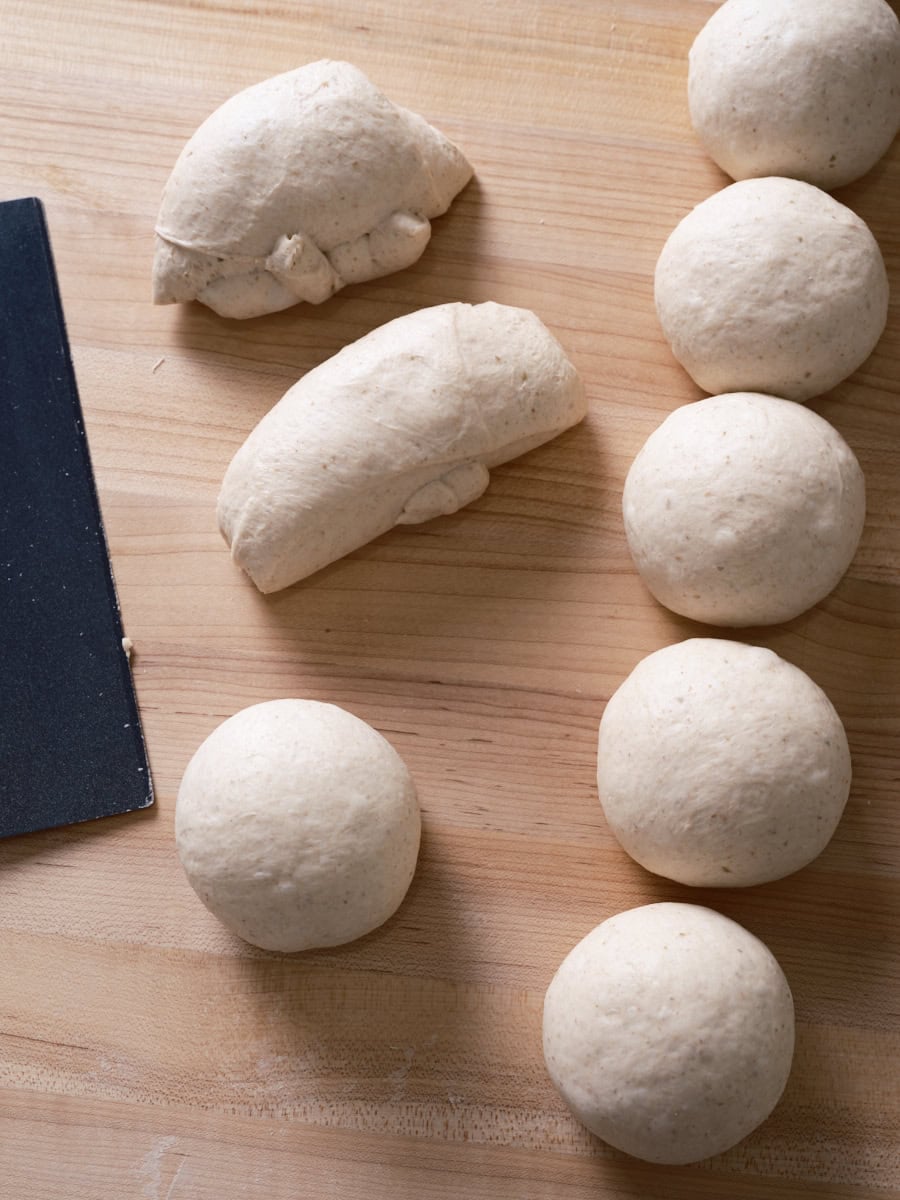
- Divide and Shape (Day Two): The dough is divided into twelve 130-gram pieces. Each piece is balled tightly and then shaped using the poke method, creating a ring with a hole that will expand during proofing and baking. Shaping is performed on cornmeal-dusted baking sheets.
- Overnight Retard (Day Two into Day Three): The shaped bagels are covered and refrigerated overnight. This cold proof is essential for flavor development and scheduling ease.
- Proofing (Day Three): The chilled bagels are brought to room temperature for approximately two hours. Concurrently, a baking steel is preheated in the oven to a high temperature (500°F/260°C convection or 525°F/270°C conventional).
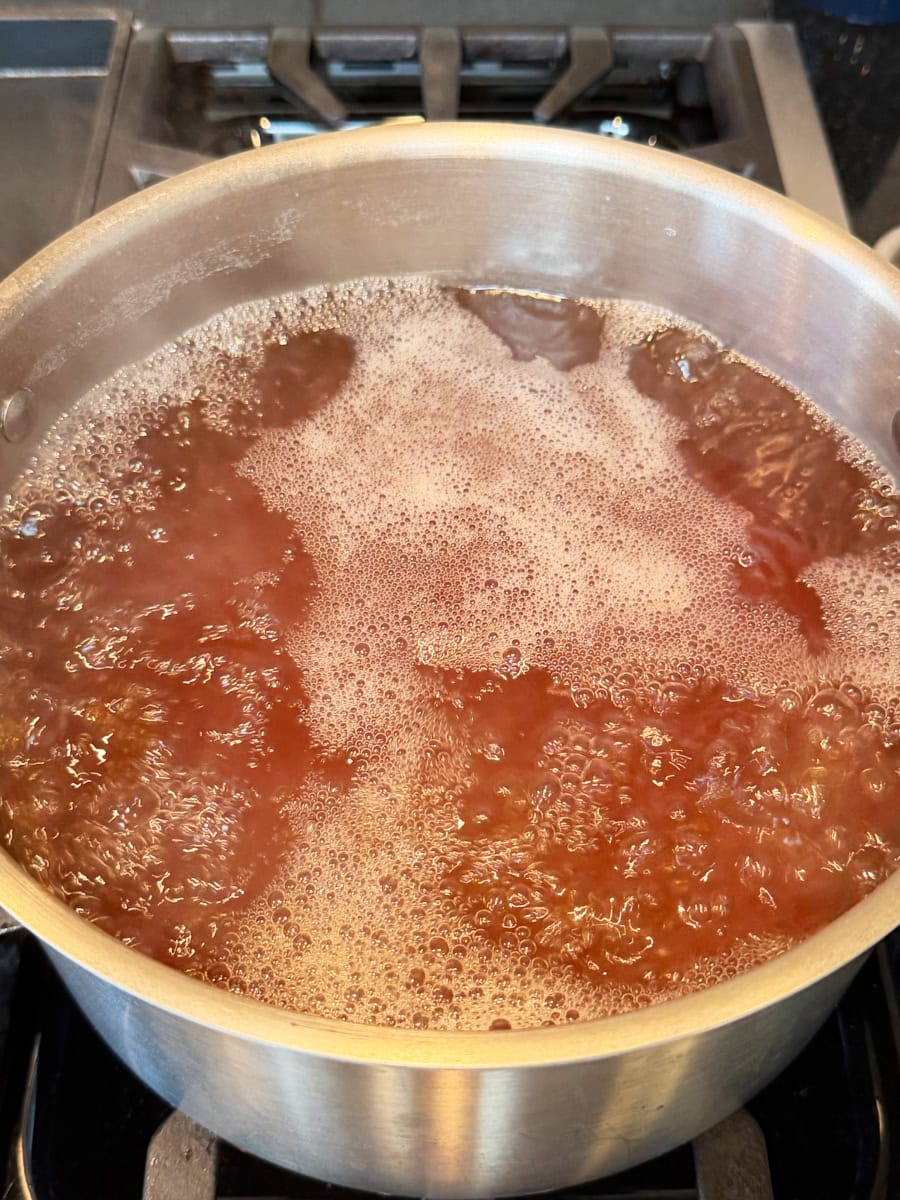
- Boiling (Day Three): A vigorous boil is prepared using water, baking soda, and a generous amount of barley malt syrup. Bagels are boiled briefly, about 20-25 seconds per side, to gelatinize the starches and create a thin, crisp crust. This short boil contributes to the characteristic texture of the "new wave" bagel. Toppings are applied immediately after boiling while the surface is still wet.
- Baking (Day Three): The boiled bagels are transferred to the preheated baking steel and baked at a high temperature for an initial period, then the temperature is reduced for a final bake. The goal is a deep golden-brown crust, indicating proper caramelization and doneness.
Analysis of Implications and Broader Impact
The development and popularization of "new wave" sourdough bagels signify a broader trend in artisan food production: the elevation of familiar staples through meticulous technique and ingredient sourcing. This approach not only appeals to discerning palates seeking complex flavors and textures but also reflects a growing appreciation for the craft of baking.
The success of recipes like this has several implications:
- Democratization of Artisan Baking: By sharing detailed recipes and techniques, home bakers are empowered to replicate sophisticated bakery products, fostering a greater understanding and appreciation for the art of bread making.
- Innovation in Traditional Foods: This evolution demonstrates that even long-established food items can be reinterpreted and improved upon, encouraging further experimentation within culinary traditions.
- Emphasis on Quality Ingredients: The focus on specific flour types, malt products, and the use of sourdough starter underscores the importance of ingredient quality in achieving superior results.
- Economic Impact: The demand for specialized ingredients like diastatic malt powder and the growing interest in artisan baking can support niche ingredient suppliers and small-scale bakeries.
The "new wave" sourdough bagel represents more than just a recipe; it is a testament to the ongoing innovation and passion within the artisan baking community. It highlights how a thoughtful approach to fermentation, ingredient selection, and technique can transform a common food item into an extraordinary culinary experience, satisfying both tradition and the modern desire for refined taste and texture.