
Maple syrup, a staple of North American agricultural heritage, represents a significant investment for consumers, particularly when purchased in bulk. However, the high sugar content that gives the syrup its characteristic sweetness also presents unique challenges for long-term preservation. If not handled with scientific precision, these bulk purchases are frequently subject to colonization by mold and yeast, leading to significant product loss. While commercial producers follow stringent industrial protocols, home consumers often lack clear guidance on how to maintain the integrity of their syrup. This report synthesizes expert advice from agricultural extension services and industry associations to provide a definitive framework for domestic maple syrup storage.
The Chemistry of Stability: Density and Water Activity
To understand how to store maple syrup, one must first understand what constitutes the product legally and chemically. In North America, maple sap is transformed into syrup through a rigorous evaporation process. According to the North American Maple Syrup Council, the legally required density for maple syrup must fall between 66° and 68° Brix. One degree Brix is approximately equivalent to a one percent sugar concentration.
This specific density range is critical for safety and quality. If the syrup is finished below 66° Brix, it retains too much water, significantly increasing the "water activity" (aw). High water activity provides a hospitable environment for mold spores and fermentation. Conversely, if the syrup exceeds 68° Brix, it becomes supersaturated, leading to the precipitation of sugar crystals at the bottom of the container.
From a food safety perspective, maple syrup typically maintains a pH level between 5.15 and 7.9. While a pH above 4.6 generally raises concerns regarding Clostridium botulinum in anaerobic environments, the exceptionally high sugar concentration in maple syrup acts as a natural preservative. The low water activity prevents most pathogenic bacteria from germinating, though it remains insufficient to stop all fungal growth at room temperature once a container has been exposed to the atmosphere.

Chronology of Storage: From Pantry to Freezer
The storage life of maple syrup follows a distinct timeline based on the container type and whether the original seal remains intact.
Phase 1: Unopened Shelf Storage
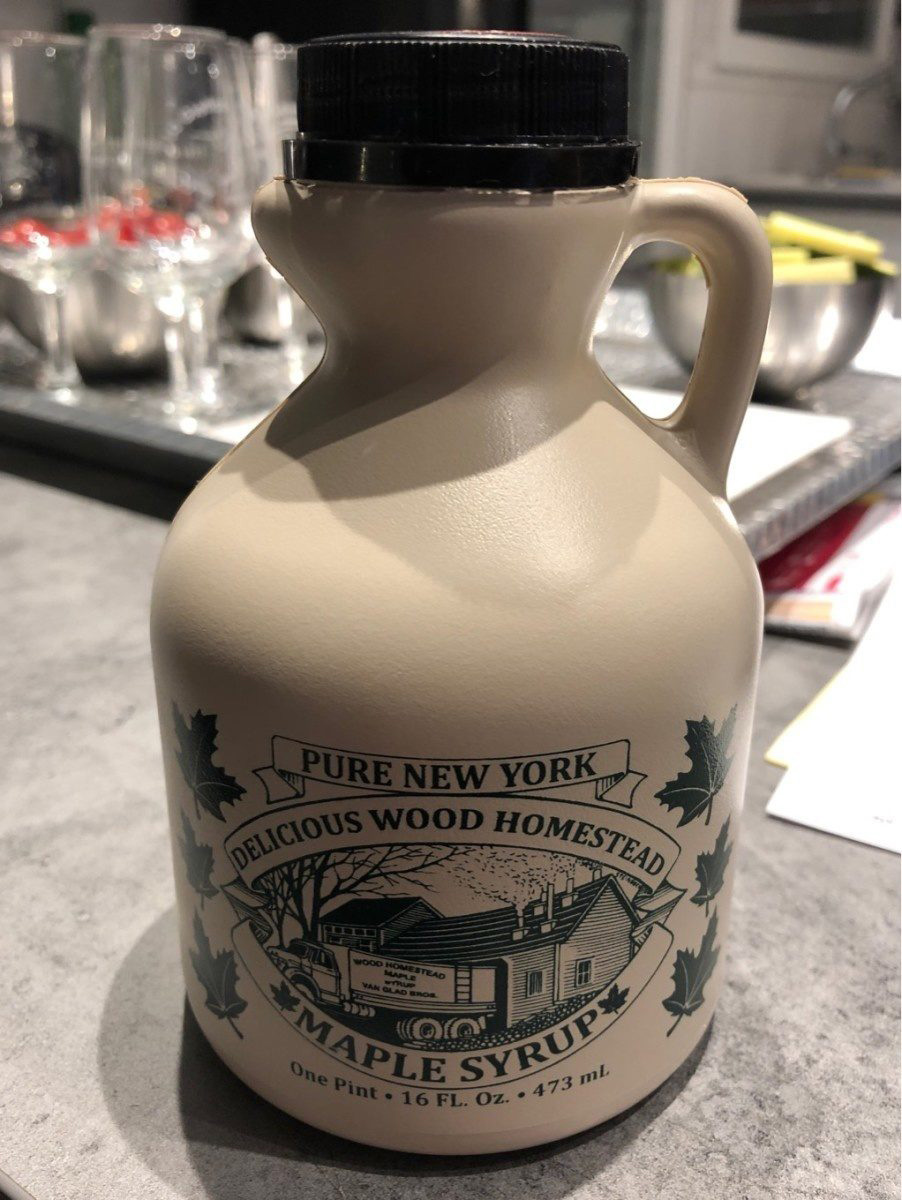
Unopened containers made of glass, metal, or high-density "squeeze-type" plastics are generally considered shelf-stable at room temperature for extended periods. These materials provide a robust barrier against oxygen. However, a notable exception exists for the traditional beige or grey plastic jugs frequently seen at farmers’ markets.
The Quebec Maple Syrup Producers (QMSP) Association has issued warnings regarding these specific containers. Tests conducted by the association indicate that these plastic jugs are slightly porous, allowing minute amounts of oxygen to penetrate over time. Consequently, the QMSP recommends that even unopened beige plastic jugs be stored in the refrigerator to prolong the syrup’s life and prevent premature oxidation or spoilage.
Phase 2: Post-Opening Refrigeration
The moment a seal is broken, the syrup is considered contaminated by airborne mold spores. At this juncture, room temperature storage is no longer viable. Refrigeration becomes mandatory. While the cold temperatures of a refrigerator do not kill mold, they significantly slow the metabolic processes of fungal spores.
Experts note that refrigeration is a delay tactic rather than a permanent solution. For consumers who utilize large quantities slowly, mold can still develop over several months in a refrigerated environment. This necessitates a more robust long-term strategy for bulk quantities.
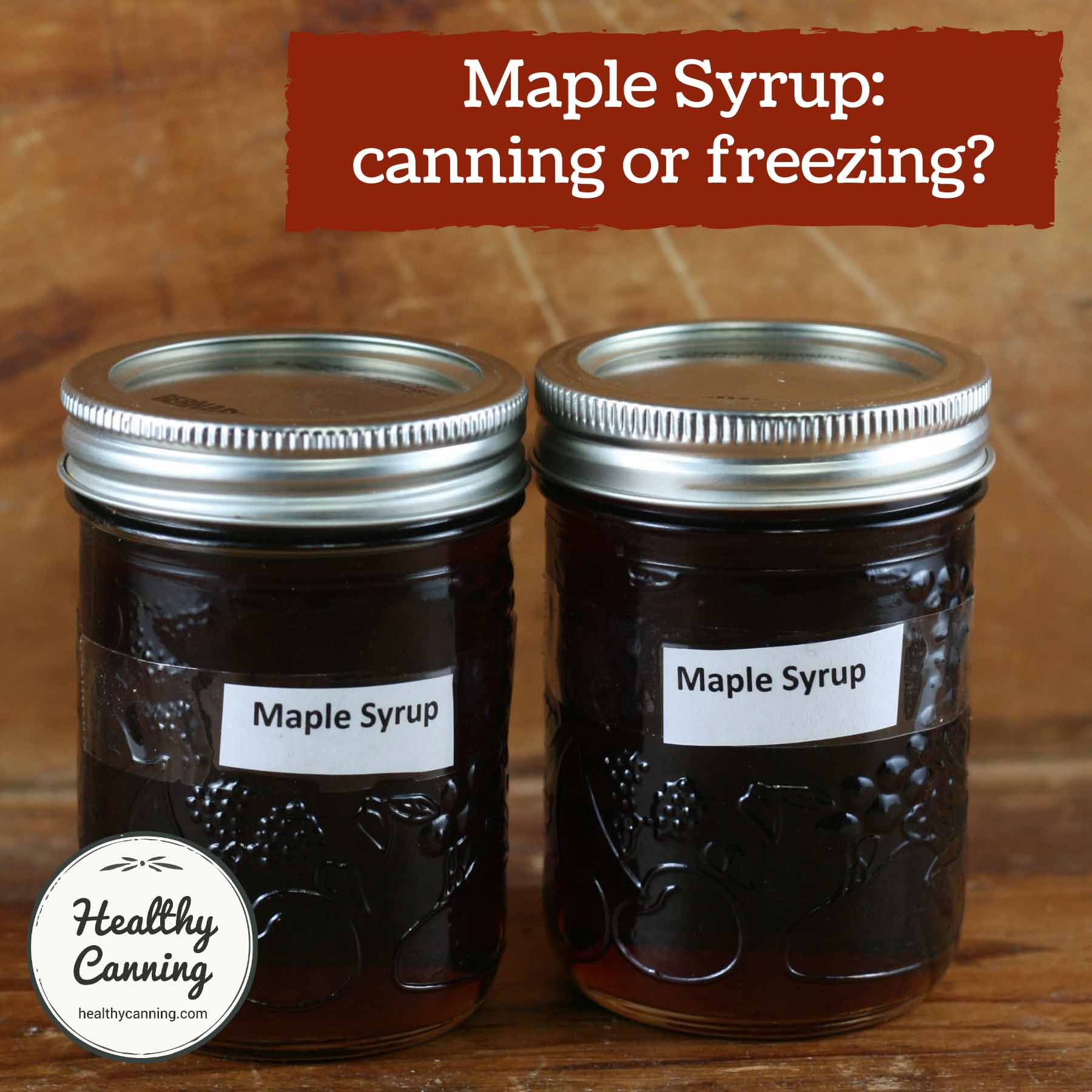
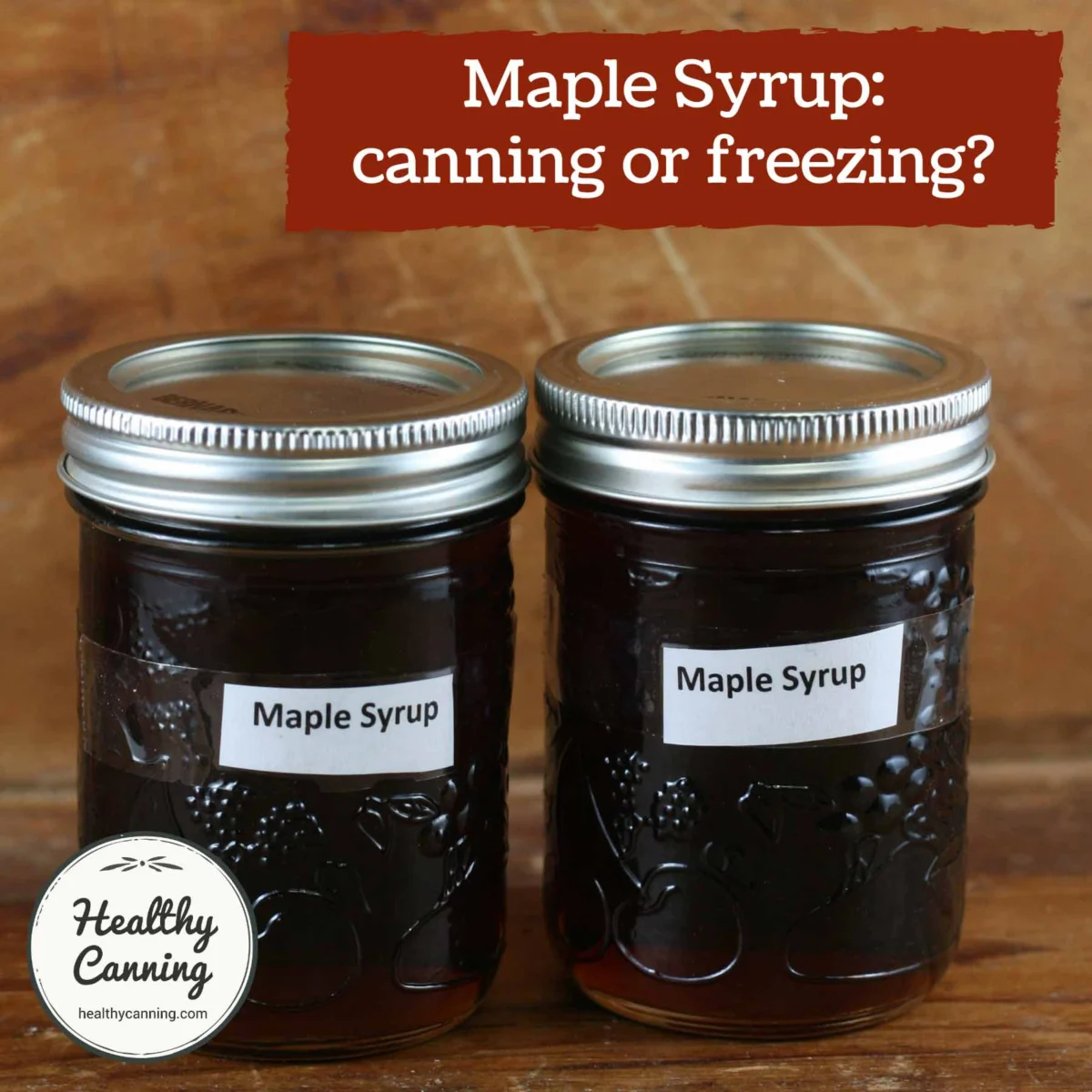
Phase 3: Long-Term Preservation via Freezing
The consensus among food preservation specialists, including those at Purdue University and Ohio State Extension, is that freezing is the superior method for home preservation. Freezing effectively halts all mold growth and preserves the organoleptic qualities—flavor, color, and aroma—better than any other method.
One of the unique properties of maple syrup is that, due to its high sugar content, it does not freeze into a solid block. Instead, it becomes highly viscous, taking on a texture similar to chilled honey. This allows for complete flexibility; a consumer can scoop out a small portion or thaw the entire container without damaging the product.
Technical Specifications for Freezing Maple Syrup
To maximize the efficacy of freezing, consumers should adhere to specific technical guidelines regarding container choice and headspace.
Container Selection
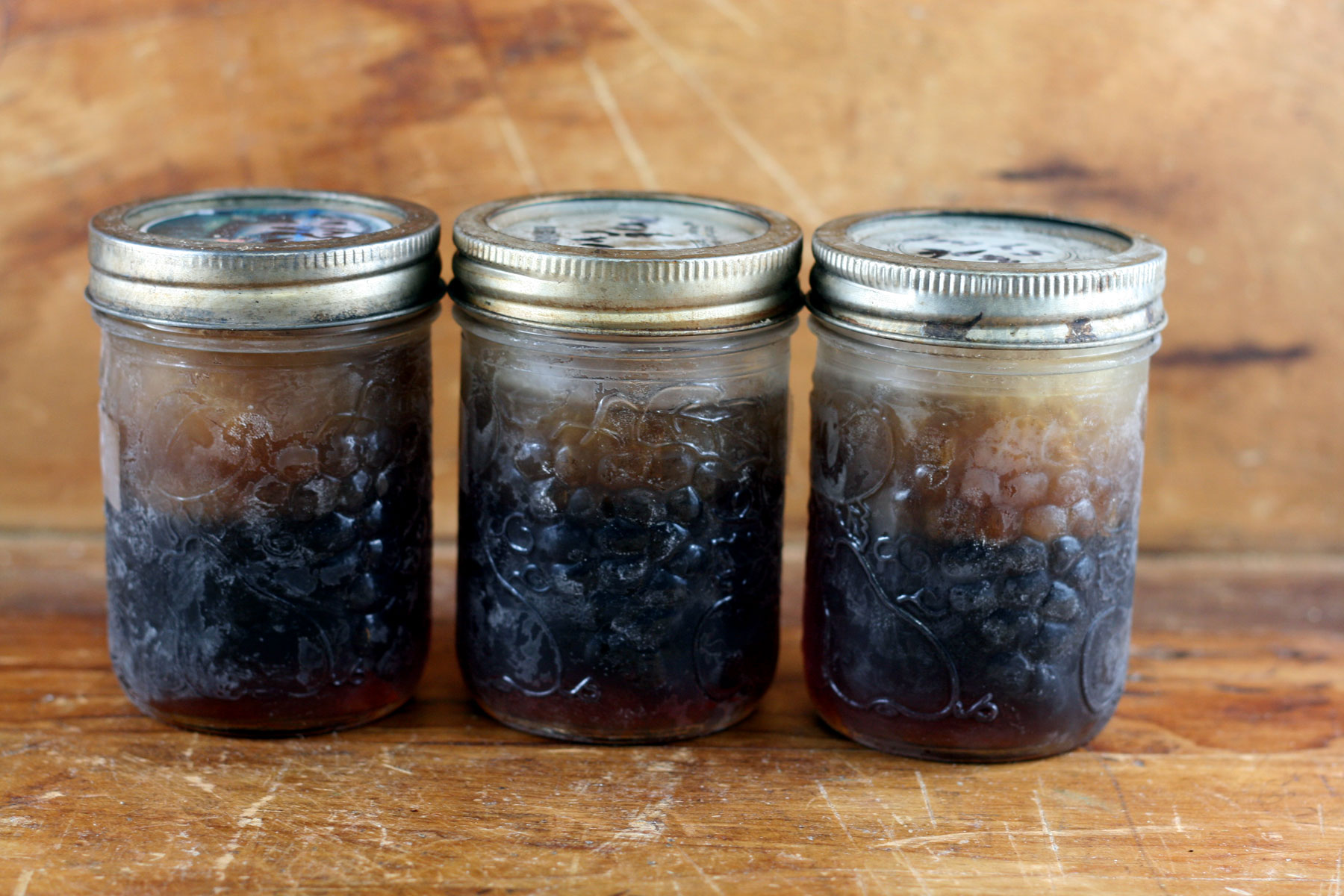
Glass is the preferred medium for freezing. Unlike plastic, glass is non-porous and will not allow oxygen to degrade the syrup over time. Metal containers are discouraged for freezing as they may impart a metallic taste or suffer from corrosion due to the syrup’s slight acidity. When using Mason jars, it is acceptable to reuse flat canning lids that have already been through a heat-processing cycle, as the goal is a physical seal rather than a heat-induced vacuum.
Headspace Requirements
Proper headspace is vital to prevent container breakage. As fluids cool and potentially expand, air must be present to buffer the pressure. The National Center for Home Food Preservation (NCHFP) provides specific recommendations for syrups:
- Pint Jars: 0.5 inches (1.2 cm) of headspace.
- Quart Jars: 1 inch (2.5 cm) of headspace.
Thawing Protocols
Maple syrup can undergo multiple freeze-thaw cycles without a loss in quality, provided that any condensation forming on the surface is stirred back into the syrup. For rapid use, a jar can be placed in lukewarm water. Microwave thawing is possible at 10-15 second intervals, though users must be careful not to bring the syrup to a boil, which can alter its chemical structure and flavor profile.
The Challenges of Home "Re-Canning"
Many home preservers attempt to "re-can" bulk maple syrup by heating it and sealing it in smaller jars for room-temperature storage. However, agricultural extension services generally advise against this practice due to quality degradation.
The Hot-Pack Method
The industry standard for bottling is "hot packing." This involves heating the syrup to a temperature range of 82°C to 85°C (180°F to 185°F). At this temperature, the syrup is hot enough to kill most common mold spores upon contact with the container and lid.
Inversion is a key component of this process. After the jar is filled and capped, it is turned upside down for five to ten minutes. This ensures the hot syrup sterilizes the underside of the lid and the neck of the jar. However, this is a "weak" preservation method compared to true water-bath canning. Because maple syrup cannot be processed in a boiling water bath without destroying its quality, the vacuum seal created by hot packing is relatively fragile.
Quality Risks: Stack Burn and Sugar Sand
The primary deterrent for home re-canning is the impact of heat on the syrup’s delicate chemistry.
- Darkening and Flavor Change: Repeatedly heating syrup causes it to darken and can impart a "burnt" or caramelized flavor, moving it away from its original grade.
- Stack Burn: If jars are not cooled rapidly after the hot-pack process, they retain heat for too long. This "stack burn" continues to cook the syrup inside the sealed jar, further degrading the color and flavor.
- Sugar Sand (Niter): Heating syrup above 82°C (180°F) often causes dissolved minerals, such as calcium and magnesium, to precipitate out of the solution. This results in "sugar sand," which makes the syrup appear cloudy or leaves a gritty sediment at the bottom of the jar. While harmless, it is aesthetically unappealing and requires professional-grade filtering cloth to remove.
Scientific Analysis of Spoilage Risks
Research conducted by the University of Maine Cooperative Extension highlights the resilience of certain fungal species. In a multi-year study, researchers found that 32 out of 34 samples of maple syrup submitted by producers were contaminated with fungi. Some heat-resistant species of Penicillium and Aspergillus were found to survive temperatures of 75°C (167°F) for three minutes.
This data underscores why "hot packing" at home is often unsuccessful. If the temperature drops even slightly during the bottling process—which often happens when pouring hot syrup into room-temperature glass jars—the survival of mold spores becomes highly likely. Furthermore, the assumption that a vacuum seal creates an "oxygen-free" environment is technically incorrect in a home setting; without a formal canning process to exhaust the air, oxygen remains in the headspace, fueling potential fungal growth.
Summary of Best Practices for Consumers
Based on the available data and expert recommendations, the following hierarchy of storage should be observed:
- For Long-Term Bulk Storage: Divide the syrup into glass Mason jars, leaving one inch of headspace, and store in the freezer. This is the only method that guarantees the prevention of mold and the maintenance of flavor.
- For Immediate Use: Store opened containers in the back of the refrigerator, where temperatures are most consistent. Avoid storing syrup in the refrigerator door.
- For Unopened Retail Jugs: If the container is glass or metal, the pantry is acceptable. If the container is beige plastic, move it to the refrigerator immediately upon purchase.
By following these protocols, consumers can protect their investment and ensure that the maple syrup remains a high-quality, safe, and flavorful addition to their culinary repertoire. The shift toward freezing as the primary home preservation method reflects a modern understanding of food microbiology and a move away from traditional, yet flawed, room-temperature bottling techniques.