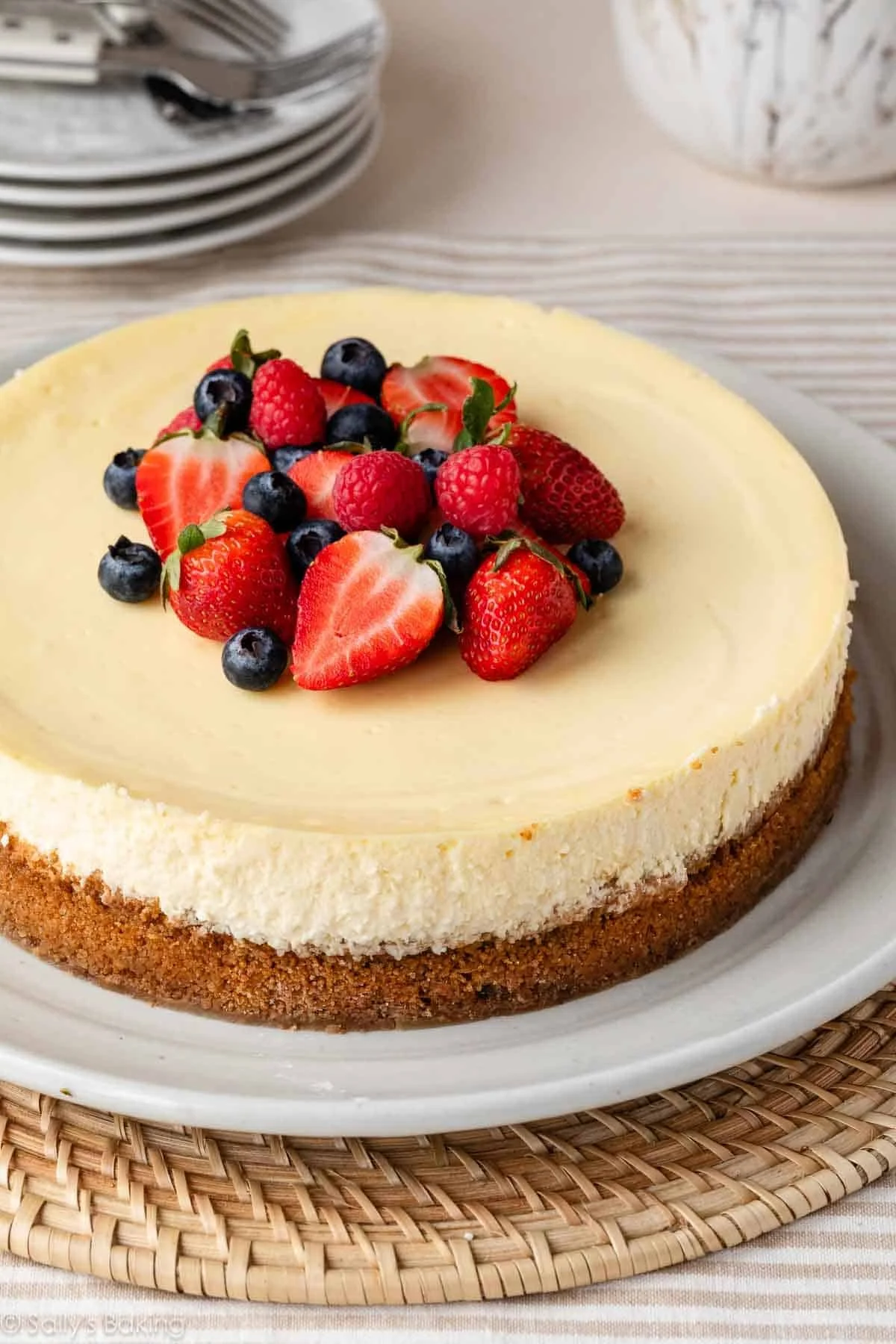

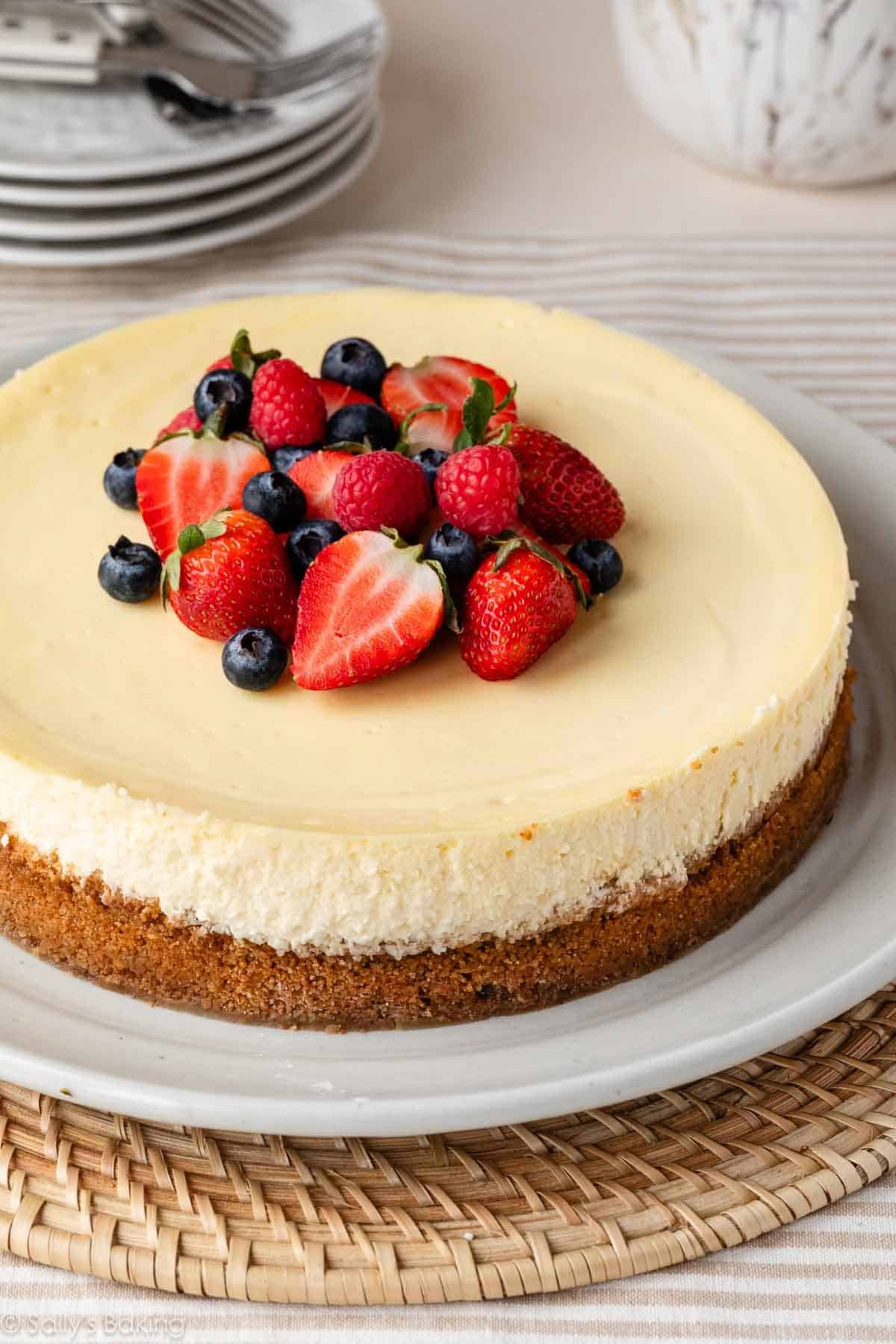
In a significant development for the global home baking community, acclaimed culinary author and blogger Sally McKenney has solidified her legacy with the definitive Classic Cheesecake recipe, a meticulously refined guide designed to deliver consistently creamy, ultra-smooth results with a perfectly buttery graham cracker crust. Initially published in 2018 on her popular platform, Sally’s Baking Addiction, the recipe has undergone extensive updates and earned a coveted spot in her New York Times best-selling cookbook, Sally’s Baking 101, underscoring its status as a foundational dessert masterpiece. This comprehensive approach to a beloved classic aims to demystify complex baking techniques, promising bakers a crack-free, leak-proof cheesecake through precise instructions and invaluable success tips, most notably advocating for the essential water bath method.
The Genesis and Evolution of a Culinary Standard
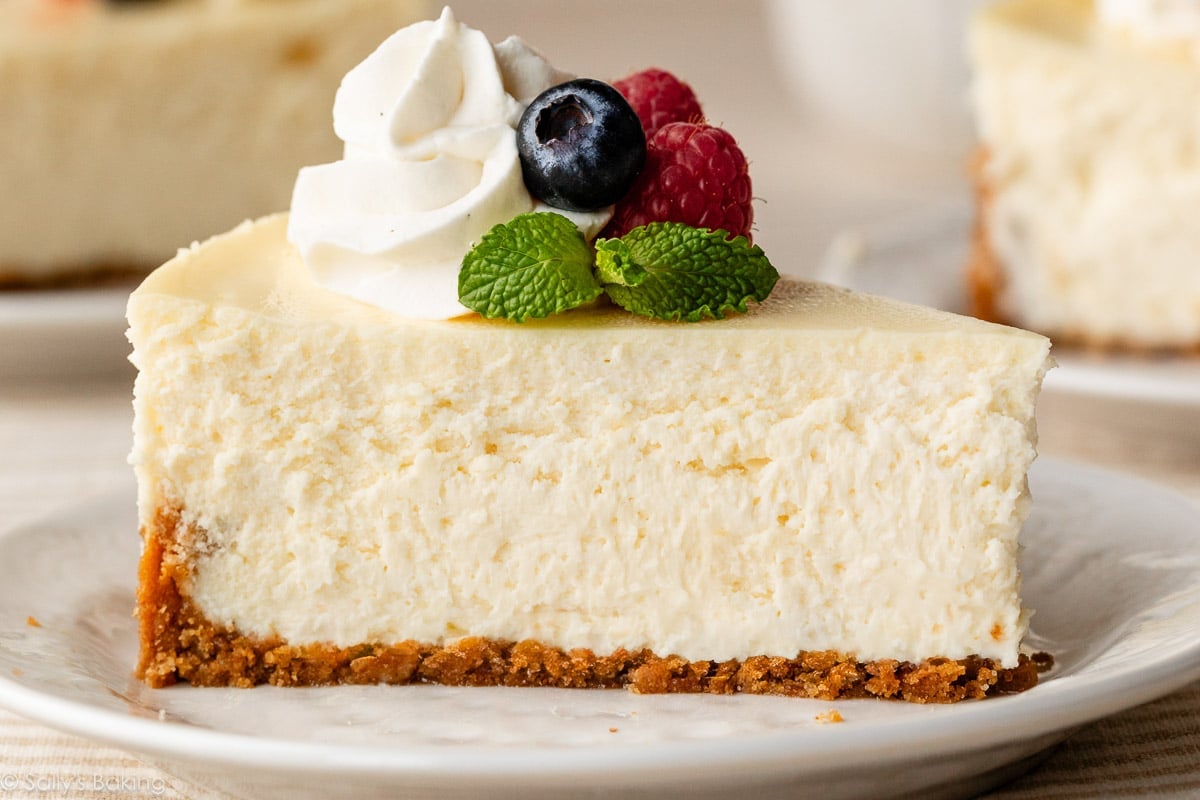
The journey of this celebrated Classic Cheesecake recipe began in 2018 when it first appeared on Sally’s Baking Addiction, a blog synonymous with accessible yet professional-grade baking guidance. From its inception, the recipe was designed to be a reliable resource for home bakers seeking to master the art of cheesecake. Recognizing its immediate popularity and the timeless appeal of a perfect classic, McKenney and her team have continuously refined the instructions, adding new photographic aids and critical "success tips" to address common baking pitfalls. This commitment to iterative improvement ensures that the recipe remains current and addresses the evolving needs of its audience. The culmination of this ongoing development saw the recipe’s inclusion in Sally’s Baking 101, a testament to its enduring quality and widespread acclaim, further enhancing its reach and influence within the culinary landscape. The cookbook version also features an optional cherry sauce topping, demonstrating the recipe’s versatility as a base for further culinary creativity.
Dissecting the Decadence: McKenney’s Philosophy on Classic Cheesecake
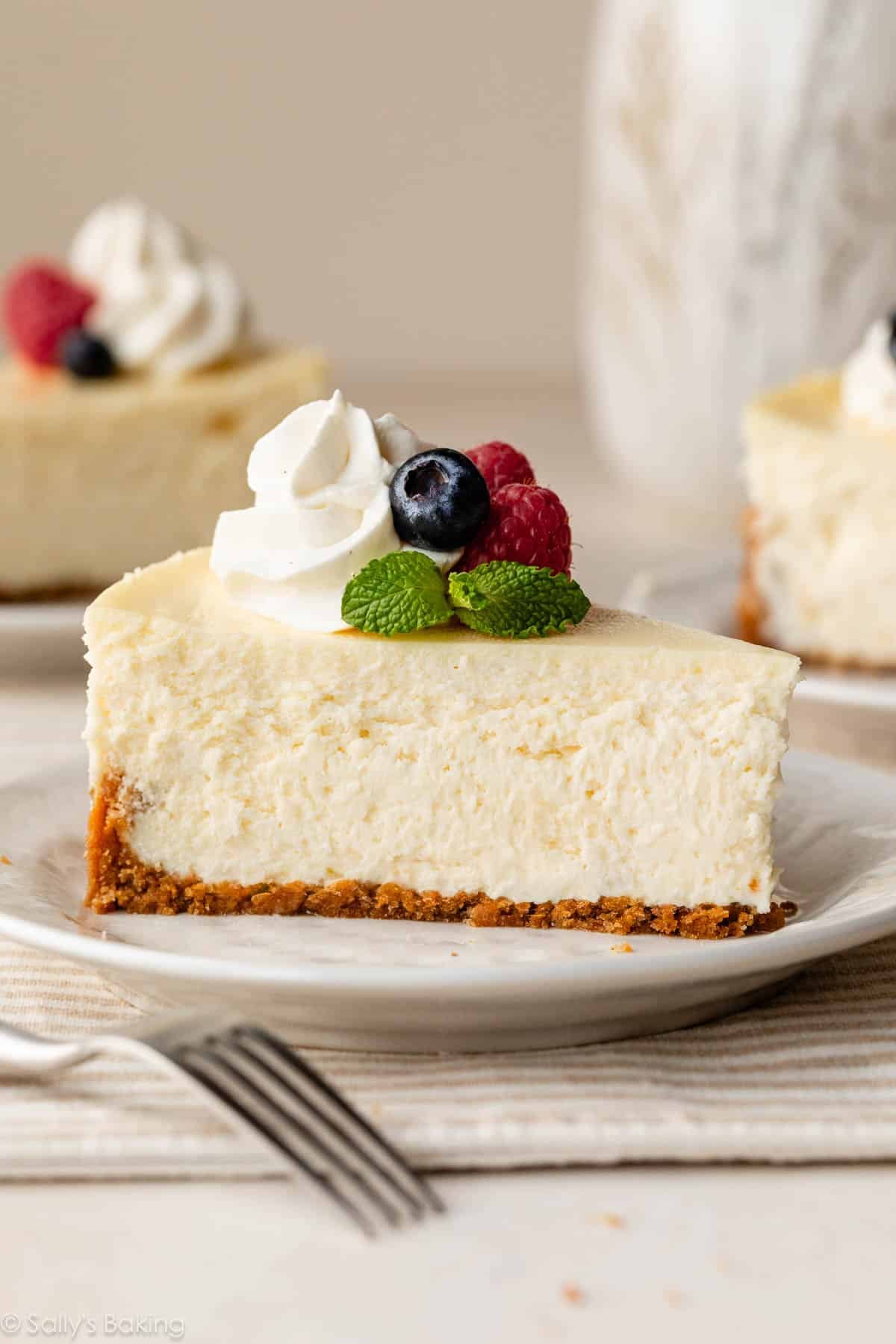
In an era saturated with innovative and often complex dessert variations, McKenney’s decision to dedicate significant attention to the "classic" cheesecake underscores a broader culinary philosophy: the mastery of fundamentals is paramount. While her extensive repertoire includes elaborate creations such as peanut butter cheesecake, blueberry swirl cheesecake, Snickers cheesecake, pumpkin swirl cheesecake, lemon cheesecake, and Amaretto cheesecake, McKenney asserts that the classic iteration serves as the bedrock from which all other variations spring. She describes her Classic Cheesecake as embodying a perfect balance: creamy, rich, and smooth, distinct from the denser profile often associated with New York-style cheesecake, yet equally special in its velvety texture and undeniable decadence. This particular recipe, she suggests, evokes the nostalgic perfection of popular culture references, likening it to the legendary cheesecake famously coveted by characters Chandler and Rachel, symbolizing its universal appeal and flawless execution. The absence of additional chunks, swirls, or sprinkles in this "ivory crowned jewel" is not a lack but rather a deliberate celebration of its inherent, unadulterated beauty and flavor.
The Pillars of Perfection: Essential Techniques for Achieving Flawless Results
Achieving the ideal classic cheesecake transcends merely combining ingredients; it demands adherence to specific techniques that mitigate common challenges such as cracking, leaking, and inconsistent textures. McKenney’s recipe is lauded for its meticulous guidance, which begins with the foundational elements of ingredient preparation and extends through the critical baking and cooling phases.
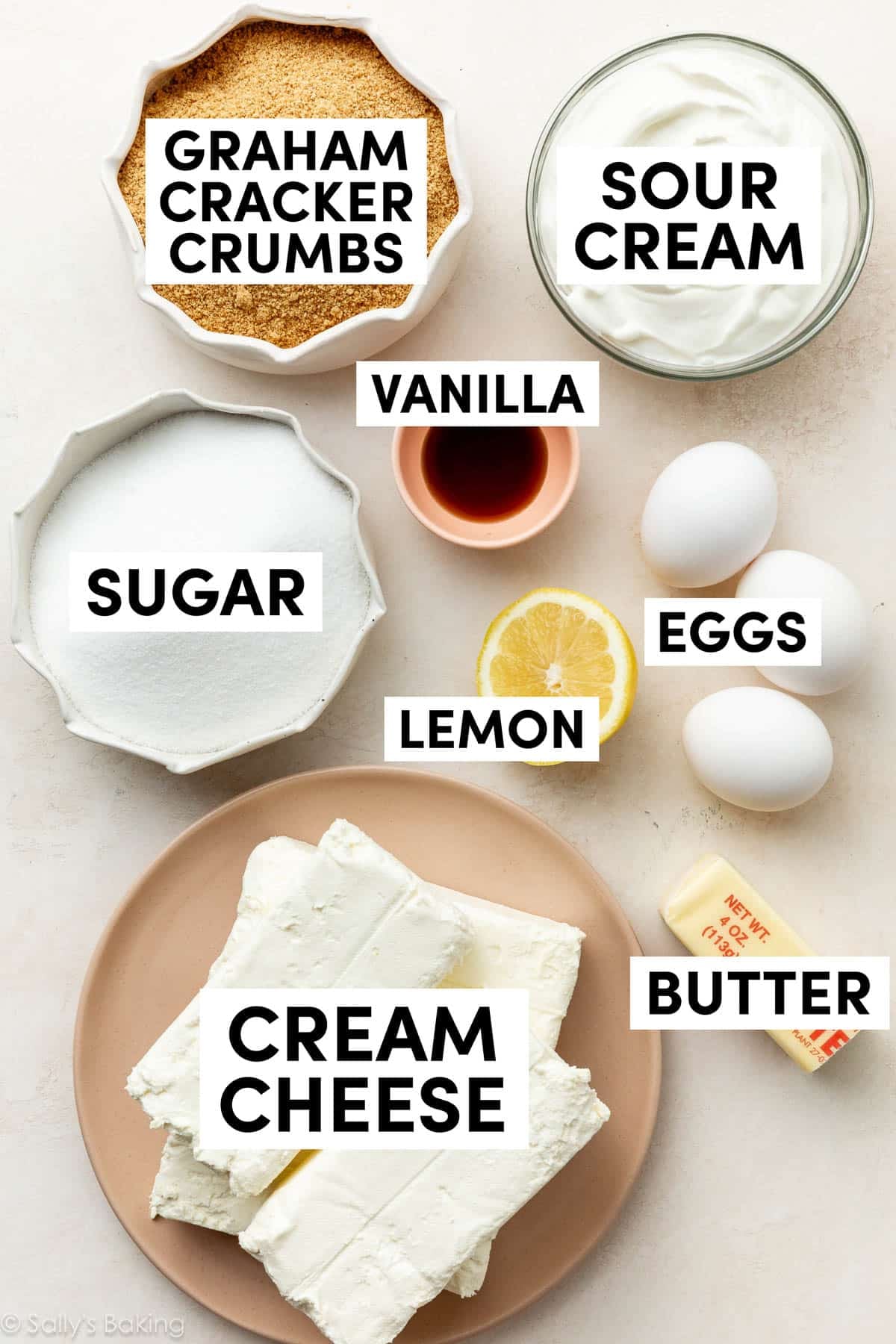
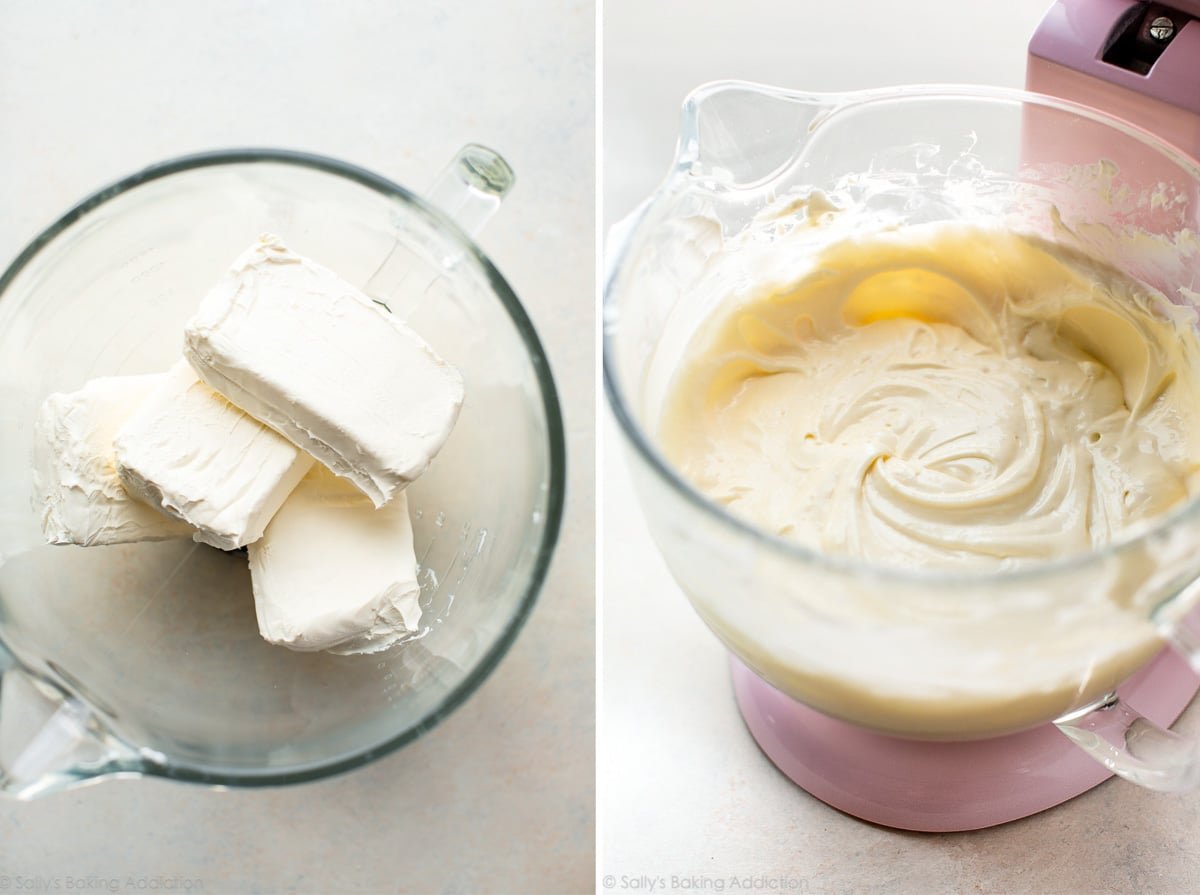
Ingredient Acclimatization and Batter Consistency: A cornerstone of McKenney’s methodology is the insistence on using all cheesecake batter ingredients at room temperature. This seemingly minor detail is critical for ensuring a smooth, homogenous batter. Cold ingredients are notoriously difficult to incorporate evenly, often leading to a chunky batter that, when over-beaten in an attempt to smooth it out, can introduce excess air. This excess air can cause the cheesecake to puff excessively during baking and then dramatically crack and sink upon cooling, a common frustration for home bakers. By allowing ingredients like cream cheese, eggs, and sour cream to reach room temperature, they emulsify more readily, creating a uniformly smooth and stable filling.
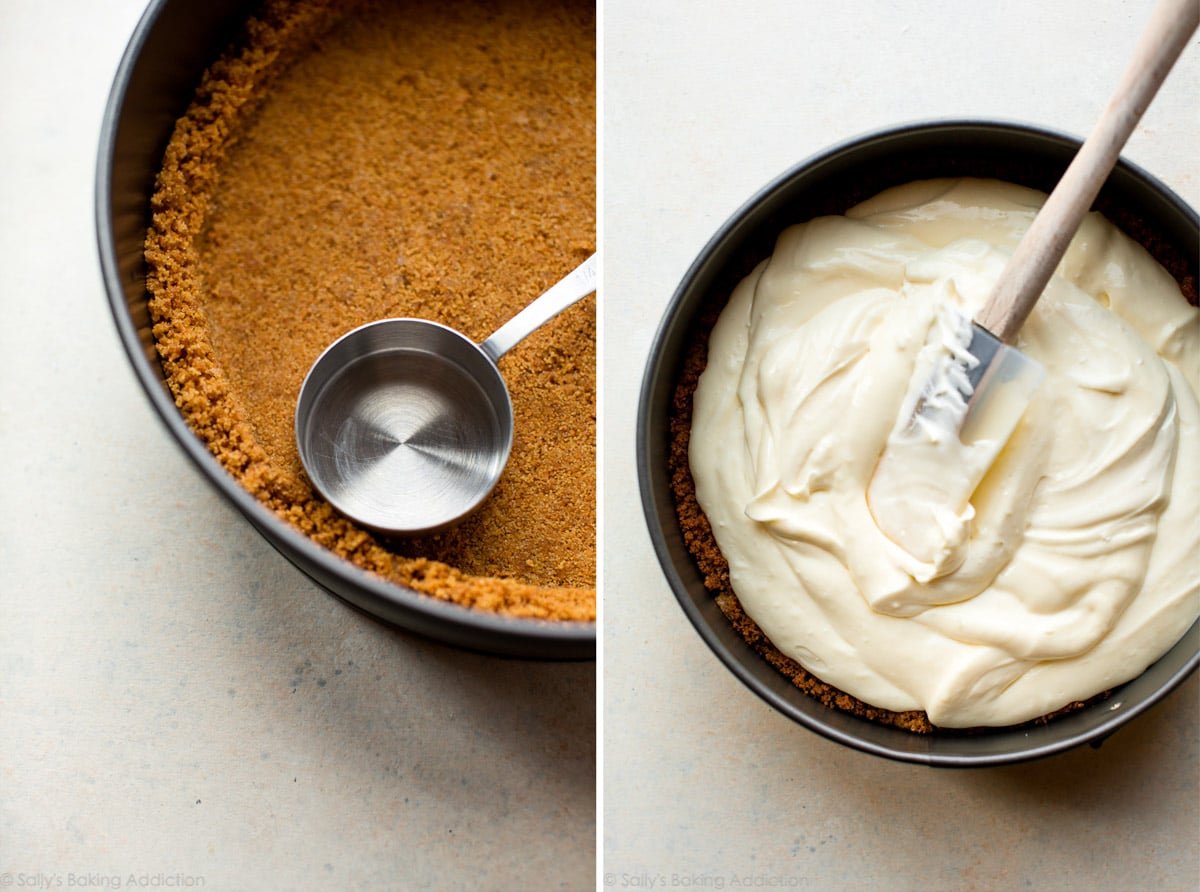
The Foundation: A Superior Graham Cracker Crust: The classic cheesecake is inextricably linked to its graham cracker crust, a component McKenney has perfected. Her updated recipe subtly reduces the butter content from previous graham cracker crust iterations by one tablespoon, a modification designed to enhance crunchiness and prevent sogginess. Crucial steps include tightly packing the crust mixture into the springform pan and pre-baking it. Pre-baking serves a dual purpose: it creates a firmer base that resists the moisture from the filling and helps to achieve that desirable crispy texture. While McKenney acknowledges and provides alternatives like Oreo cookie crusts or Biscoff pie crusts, she emphasizes that for a true "classic," the graham cracker crust remains the quintessential choice. The use of a small measuring cup bottom for even compression is a practical tip that exemplifies the recipe’s attention to detail.
The Indispensable Springform Pan: The selection and preparation of the springform pan are critical. A 9-inch or 10-inch springform pan, characterized by its removable sides, is essential for the safe and clean release of the baked cheesecake. McKenney specifically recommends a reliable springform pan, noting that cheaper alternatives may be prone to leaking, particularly when subjected to a water bath. The potential for leaks is a significant concern for bakers employing the water bath method, making the investment in a quality pan a worthwhile consideration to prevent culinary mishaps.
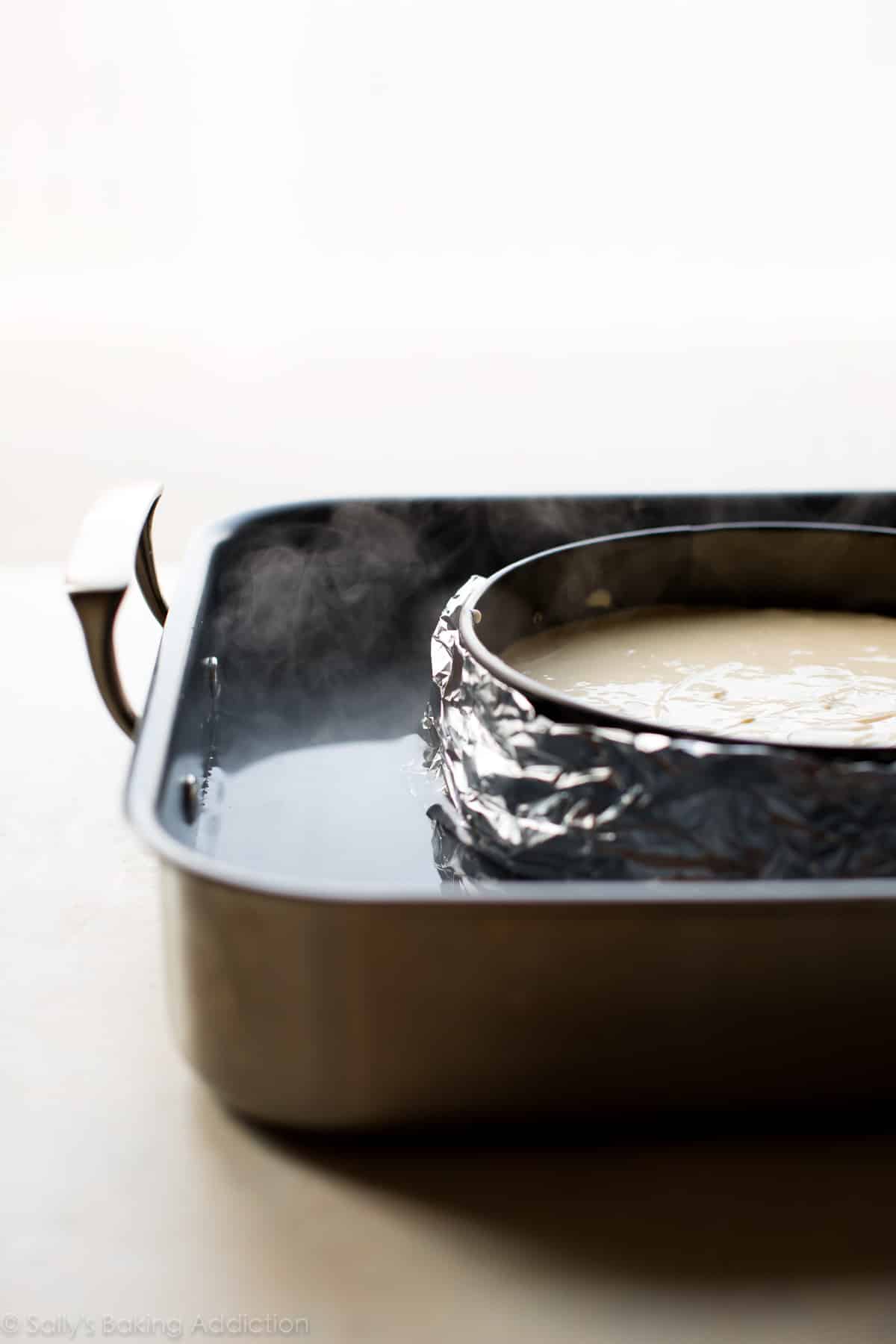
The Water Bath: An In-Depth Scientific Approach: Perhaps the most significant technique advocated by McKenney for achieving cheesecake perfection is the water bath, or bain-marie. This method, often viewed as intimidating by novice bakers, is presented as a straightforward, indispensable step. The process involves placing the springform pan, often wrapped in foil for added protection against leaks, into a larger roasting pan, which is then filled with hot water before baking. The scientific rationale behind the water bath is multifaceted:
- Humidity Control: The primary benefit of a water bath is the creation of a humid baking environment. Cheesecake batter, rich in dairy and eggs, is susceptible to rapid moisture loss in a dry oven, which can lead to a tough texture and, critically, surface cracks. The steam generated by the hot water provides a gentle, moist heat that prevents the cheesecake from drying out.
- Even Temperature Distribution: Water is an excellent conductor of heat, and the water bath acts as a thermal buffer. It ensures that the cheesecake bakes slowly and evenly from all sides, preventing the edges from over-baking and setting too quickly while the center remains undercooked. This uniform heating is key to a smooth, creamy interior and a level surface.
- Crack Prevention: Rapid temperature changes and uneven baking are primary culprits for cheesecake cracks. The gentle, consistent heat from the water bath minimizes these stresses, allowing the cheesecake to rise slowly and evenly, significantly reducing the likelihood of surface fissures.
- Prevention of Sinking: The slow and even baking facilitated by the water bath also contributes to a more stable internal structure. This stability helps prevent the cheesecake from sinking dramatically as it cools, maintaining its desired height and appearance.
McKenney directly addresses the question of baking without a water bath, acknowledging its possibility but strongly advising against it due to the high probability of a drier texture, a browned surface, and increased cracking. The few extra minutes required to set up a water bath are consistently portrayed as a worthy investment for superior results.
The Critical Cooling and Chilling Phase
Beyond the baking process, the cooling and chilling phases are equally crucial for preventing cracks and achieving the ideal texture. McKenney emphasizes a gradual transition from heat to cold:
- Slow Oven Cooling: Immediately after baking, the oven is turned off, and the oven door is cracked open, allowing the cheesecake to remain inside for one hour. This controlled environment prevents a sudden, drastic temperature drop—moving directly from a hot oven to a cool counter—which can shock the delicate cheesecake structure and induce cracking.
- Room Temperature Cooling: Following the oven cool-down, the cheesecake is transferred to a counter to cool completely to room temperature. This continues the gradual cooling process, ensuring internal stability.
- Extended Refrigeration: The final, and arguably most challenging, step for impatient bakers is the prolonged refrigeration period. The cheesecake must chill for at least four hours, with an overnight chill being ideal. This extended period allows the cheesecake to fully set, firm up, and develop its signature dense, creamy texture and concentrated flavor. McKenney humorously notes this waiting period as "no greater test to your willpower," affirming that the patience exercised during these hours is undeniably rewarded with the first perfect bite.
Fan Acclaim and Broader Impact
The success of McKenney’s Classic Cheesecake recipe is not merely theoretical; it is resoundingly affirmed by her extensive community of home bakers. Testimonials consistently highlight the recipe’s reliability and the exceptional quality of the finished product. One reader, Randy, enthusiastically commented, "This is the best cheesecake I have ever had! I’m from New York and nothing there beats this—even in the fanciest of restaurants. The only problem is that everyone I’ve shared it with wants me to make more and more. They rave about it being the best ever." Such endorsements, particularly from individuals accustomed to high culinary standards, underscore the recipe’s ability to transcend amateur baking expectations and rival professional offerings.
The recipe’s prominence, further amplified by its inclusion in Sally’s Baking 101, a New York Times best-selling cookbook, speaks to McKenney’s significant influence in the home baking sector. Her platform, Sally’s Baking Addiction, serves as a vital resource for millions, providing meticulously tested recipes, detailed instructions, and invaluable troubleshooting tips. This classic cheesecake recipe exemplifies her brand’s commitment to empowering home bakers with the knowledge and techniques required to achieve consistently impressive results.
Broader Implications for Home Baking and Culinary Education
McKenney’s definitive Classic Cheesecake recipe holds broader implications for the landscape of home baking and culinary education. In an increasingly digital world, online culinary platforms like Sally’s Baking Addiction have become indispensable, offering accessible, high-quality instruction that rivals traditional culinary schools for many home enthusiasts. This recipe, with its emphasis on fundamental techniques like the water bath and controlled cooling, serves as an educational tool, encouraging bakers to understand the scientific principles behind successful baking rather than merely following steps.
The enduring appeal of classic desserts like cheesecake also highlights a key culinary trend: while innovation is celebrated, the foundations of traditional baking remain critical. A perfectly executed classic cheesecake serves as a benchmark, a testament to a baker’s skill and dedication. It also provides a versatile canvas for further culinary exploration, with McKenney herself offering numerous topping suggestions and advanced cheesecake variations such as pecan pie cheesecake, cinnamon swirl cheesecake, and caramel apple cheesecake pie.
For those seeking quicker or less intensive alternatives, McKenney thoughtfully provides recipes for cheesecake pie or no-bake cheesecake, demonstrating her understanding of diverse baker needs and time constraints. Furthermore, practical advice on freezing cheesecake ensures that this decadent dessert can be prepared in advance, enhancing its convenience for entertaining or personal enjoyment.
Conclusion
Sally McKenney’s Classic Cheesecake recipe stands as a testament to the power of meticulous instruction, continuous refinement, and a deep understanding of baking science. By demystifying techniques such as the water bath and controlled cooling, McKenney has provided home bakers with a reliable pathway to achieving professional-grade results. Its widespread acclaim, evident in glowing testimonials and its inclusion in a New York Times best-selling cookbook, solidifies its position as a definitive guide for this beloved dessert. This recipe not only delivers a truly exceptional culinary experience but also reinforces the enduring value of mastering classic preparations in the evolving world of home baking, setting a new standard for quality and accessibility.