
The preservation of seasonal produce has long been a cornerstone of domestic self-reliance, food security, and culinary tradition. Among the wealth of guidelines provided by agricultural authorities, the United States Department of Agriculture (USDA) outlines rigorous methodologies for home-preserving various garden crops to ensure both safety and extended shelf life. One such staple of Mexican and Southwestern cuisine increasingly sought after by home gardeners is the tomatillo. Resembling small green tomatoes encased in a papery husk, tomatillos present unique structural and chemical characteristics that differentiate them significantly from standard slicing or paste tomatoes during the canning process. Adhering strictly to established scientific guidelines is paramount to avoiding foodborne illness while maintaining the bright, tart flavor profile that makes these nightshades so versatile in salsas, hot sauces, and regional comfort foods.
Background Context and Agricultural Standards for Tomatillo Cultivation
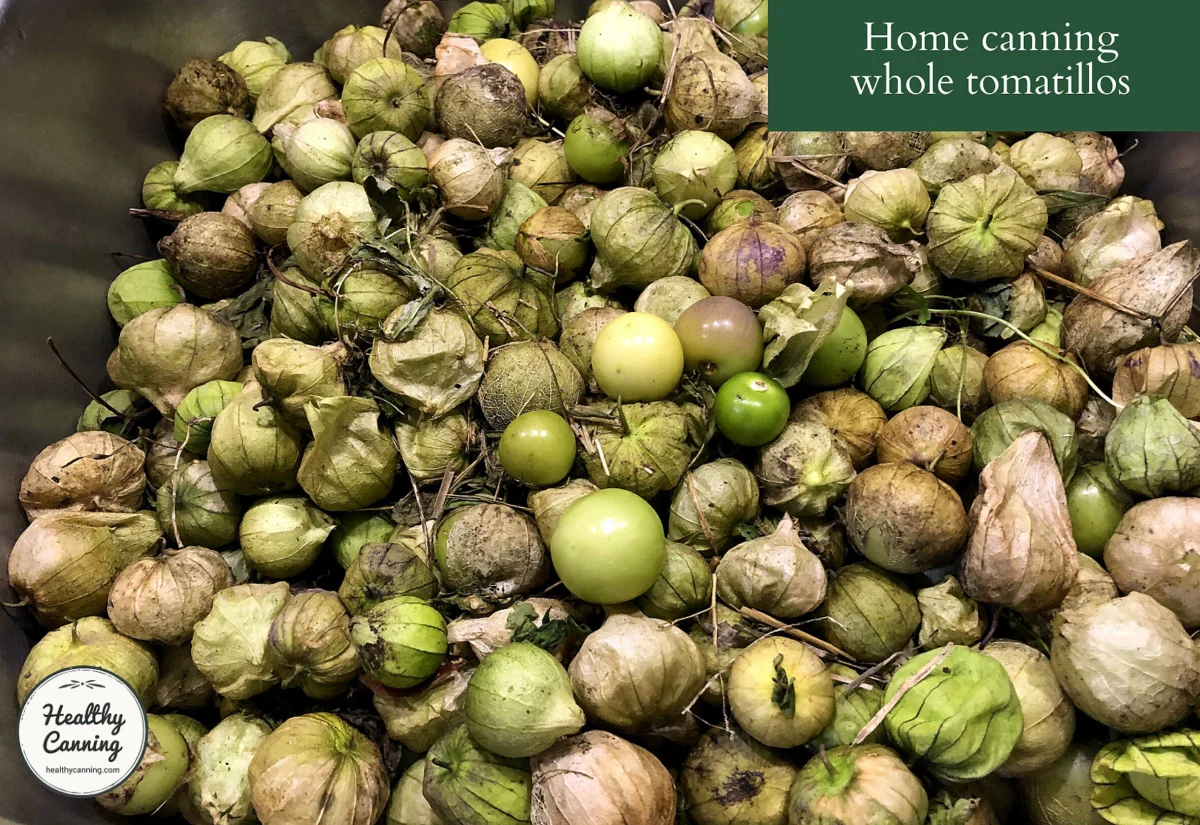
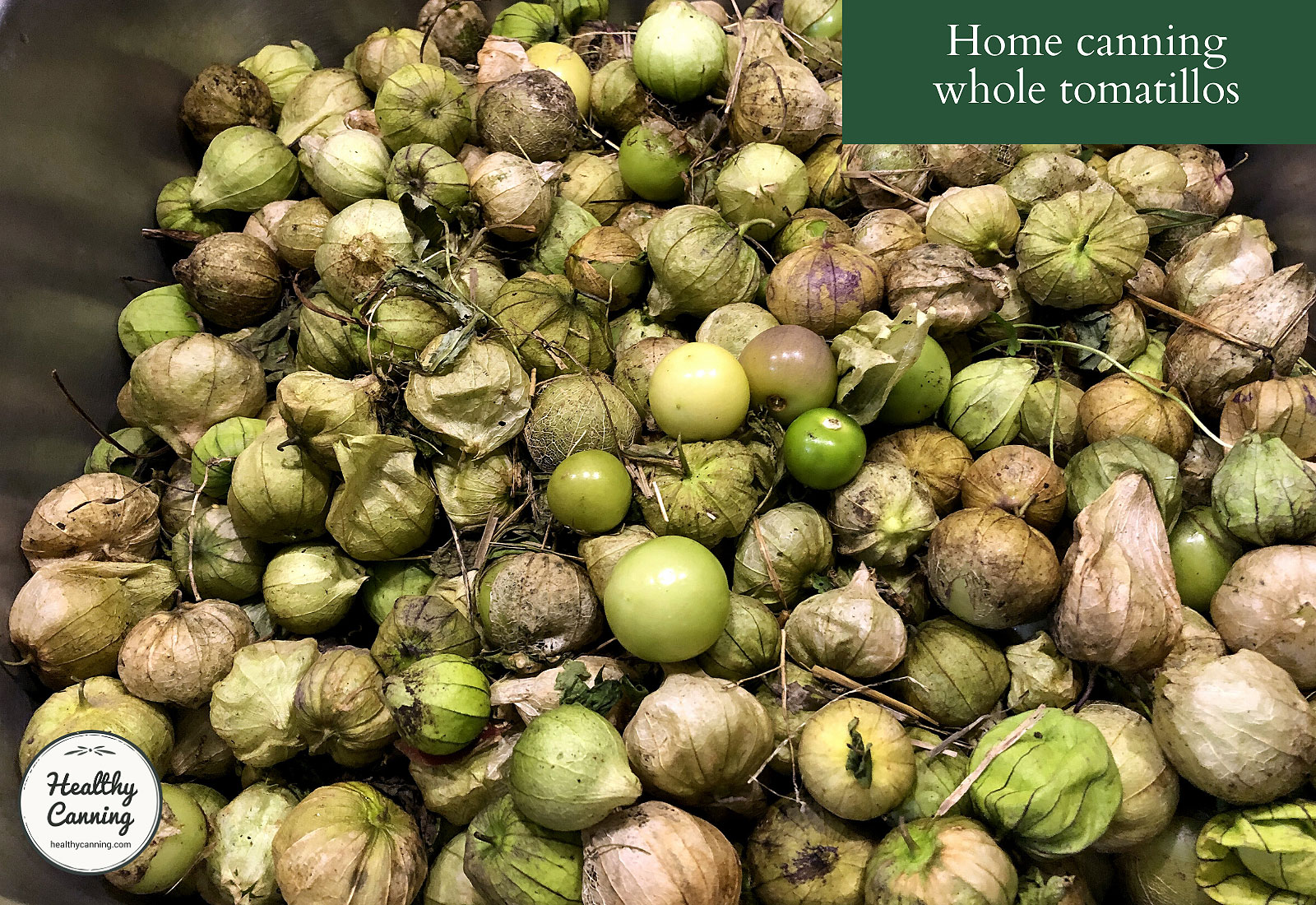
Tomatillos, scientifically known as Physalis philadelphica, have been cultivated for centuries, originating in Mexico and serving as a fundamental ingredient in pre-Columbian Mesoamerican cooking. Unlike tomatoes, which are peeled in many traditional home-canning procedures, tomatillos require no peeling whatsoever. The fruit is harvested while still firm and bright green, enclosed within a dry husk that protects it during its growing cycle. Once the husks are removed and the sticky residue is rinsed away in warm water, the fruit is ready for processing.

The USDA Complete Guide to Home Canning, specifically Agriculture Information Bulletin No. 539, establishes the baseline framework for preserving whole tomatillos safely. According to these federal guidelines, home preservers must carefully calculate their raw material requirements before beginning. As a generalized baseline, culinary experts recommend budgeting approximately 1 kilogram of fresh tomatillos for every 1-litre jar, or roughly 2 pounds for every US quart jar. Because agricultural yields and fruit sizes naturally vary, these figures serve strictly as approximate guidelines rather than absolute mandates.
Step-by-Step Processing Options: Water Bath, Steam, and Pressure Canning
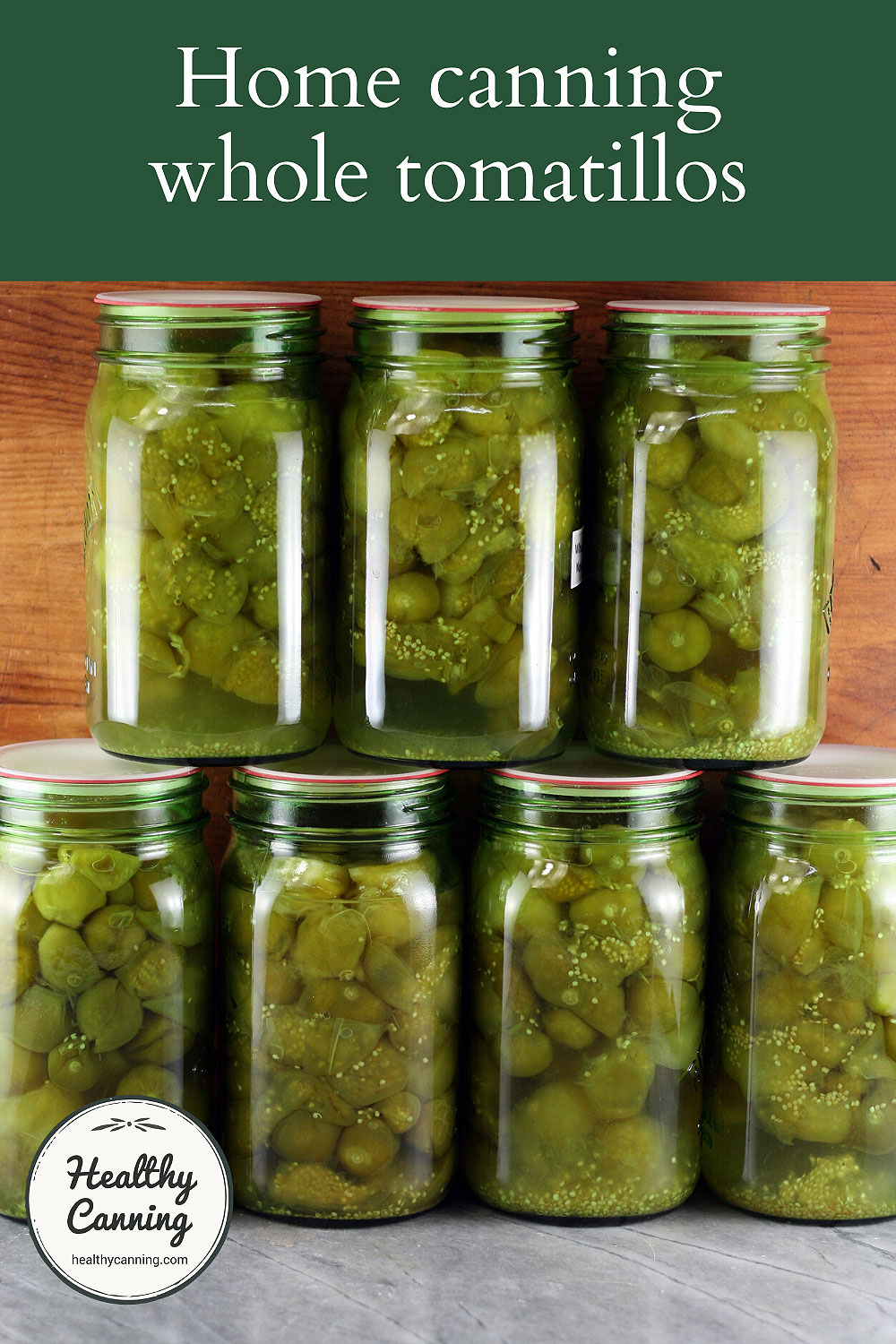
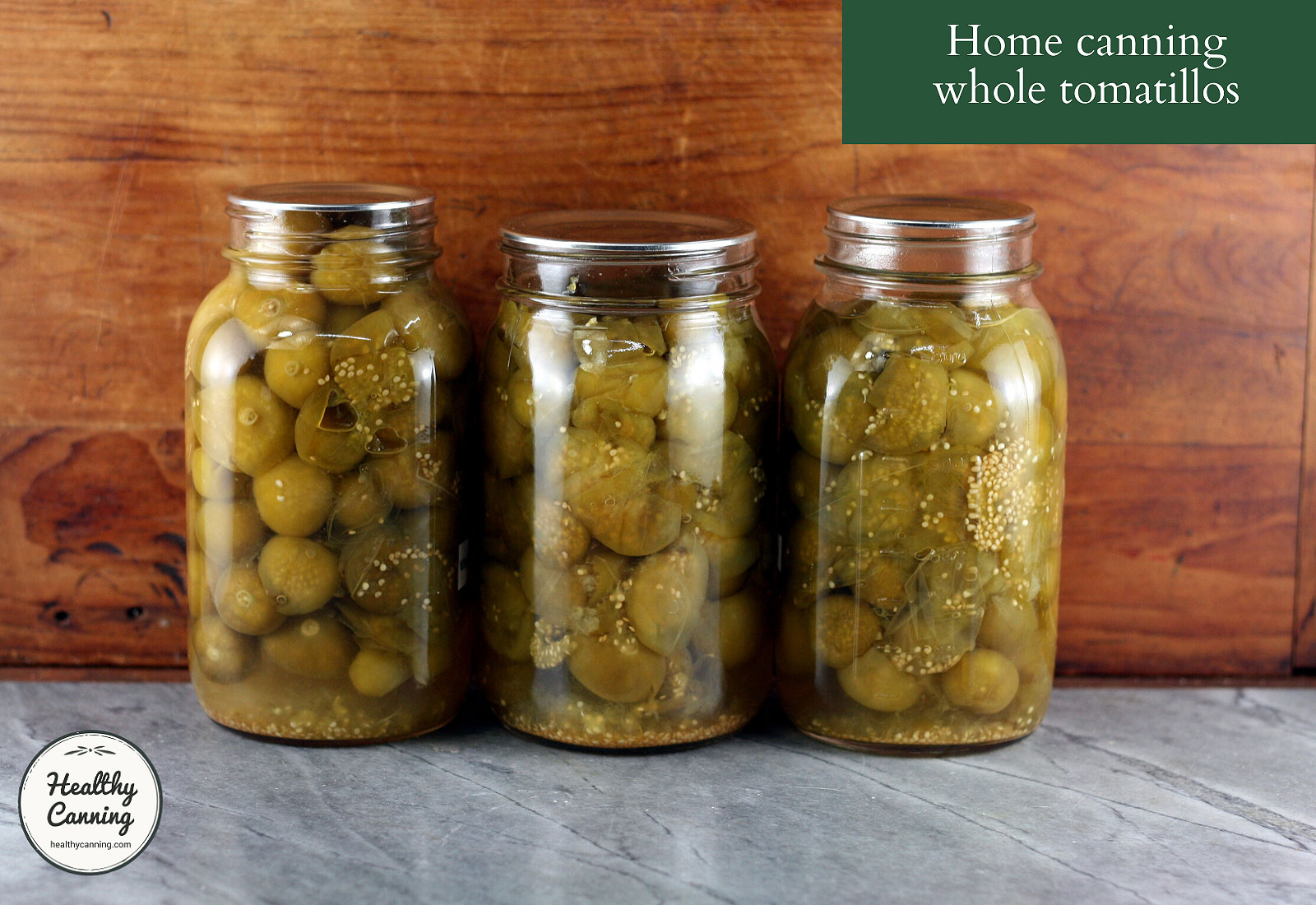
Home canners have multiple approved pathways for processing whole tomatillos, depending on their equipment availability and kitchen preferences. Jars may be prepared in half-litre (1 US pint) or 1-litre (1 US quart) sizes, maintaining a precise headspace of 2 centimeters (1/2 inch) to ensure a proper vacuum seal develops during cooling.
Water bath canning and atmospheric steam canning are the most common methods utilized by home cooks. For either technique, processing times remain uniform: half-litre pints require 40 minutes, while full-litre quarts require 45 minutes. Steam canning has gained considerable popularity due to its efficiency and lower water volume requirements; however, safety regulations dictate specific limitations. Steam canners cannot be utilized if the required processing time at a given altitude exceeds 45 minutes. This restriction exists because smaller consumer steam-canning units run a high risk of boiling dry during extended processing cycles, which would compromise the thermal integrity of the seal.
Alternatively, the USDA provides an approved pressure-canning schedule designed primarily to reduce processing time rather than to alter baseline safety parameters. Depending on the chosen pressure level—ranging from 5 lbs to 15 lbs per square inch (psi)—processing times can drop significantly to 15, 10, or even 1 minute. However, food safety specialists emphasize that utilizing a pressure canner does not eliminate the mandatory requirement for acidification. The pressure process was engineered solely for time-saving efficiency and is insufficient on its own to guarantee safety without the foundational addition of acid ingredients.
The Science of Acidity, pH Levels, and Critical Safety Mandates
A common misconception among beginner canners is that natural food acidity alone guarantees a safe shelf-stable product under all circumstances. While tomatillos are remarkably acidic—often registering an average pH of approximately 3.83 on the FDA and USDA approximate pH scales, which makes them even more acidic than green tomatoes—safety protocols remain uncompromising.
Regardless of whether a canner employs a boiling water bath, a steam canner, or a pressure vessel, incorporating a verified acidifier into the jar is mandatory. Traditional recipes frequently call for bottled lemon juice or lime juice to ensure the internal pH consistently remains below the critical threshold required to inhibit the growth of Clostridium botulinum spores.

When selecting an acidifying agent, home cooks must consider flavor compatibility. While lime juice offers a traditional, vibrant complement to the natural tartness of tomatillos, its flavor is distinctly potent. Cooks are advised to use lime juice only if they are certain that specific profile is desired in future culinary applications; otherwise, standardized bottled lemon juice provides a more neutral acidity.
Furthermore, salt is treated strictly as an optional seasoning agent within the USDA protocol. It plays zero role in the chemical preservation or safety of the canned good. Canners may choose to omit salt entirely for maximum dietary flexibility or substitute it with non-bitter, non-clouding commercial alternatives such as Herbamare Sodium-Free if they wish to reduce their sodium intake without sacrificing flavor depth.
Altitude Adjustments and Chronological Best Practices
Environmental geography plays a decisive role in home food preservation. Water boils at lower temperatures as altitude increases due to a reduction in atmospheric pressure. Consequently, whether utilizing water bath, steam, or pressure canning methods, operators residing above standard sea-level baselines must rigorously adjust their processing times or pressure levels. Failing to account for local elevation can result in under-processing, leaving dormant pathogens intact within the jar.
A typical timeline for preparing and executing a batch of home-canned tomatillos spans approximately two hours from kitchen prep to cooling:
- Preparation Phase (1.5 hours): Husk removal, thorough washing to eliminate stickiness, inspection of fruit for blemishes, sterilizing jars, and preparing acidic solutions.
- Packing and Processing Phase (45 minutes): Packing whole tomatillos into jars, adding acid and optional seasonings, maintaining proper headspace, sealing, and processing via water bath, steam, or pressure.
- Cooling and Storage Phase (12 to 24 hours): Uninterrupted resting of processed jars at room temperature, checking seal integrity, labeling, and storing in a cool, dark environment.
Culinary Implications and Practical Applications for Canned Tomatillos
The culinary utility of home-canned whole tomatillos differs noticeably from their fresh counterparts. Because the thermal processing required for canning inherently cooks the fruit, home-canned tomatillos are soft and tender upon opening, making them ideally suited for cooked preparations rather than raw, fresh-chopped salsas.
Renowned culinary authorities and food journalists have long championed the convenience of preserved nightshades. As noted by culinary expert Martha Rose Shulman in food publication guidelines, canned tomatillos can be substituted directly into recipes calling for fresh fruit, typically utilizing an 11-ounce volume to replace roughly 1 pound of fresh produce. Because commercial and home-canned varieties have already been simmered until softened during preservation, home cooks can bypass the initial broiling or simmering steps normally required when starting with raw, husked fruit.
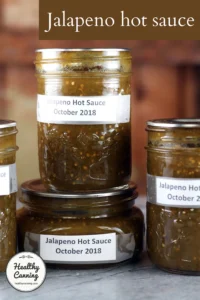
Similarly, historical food references such as The Joy of Cooking suggest that canned tomatillos make exceptional condiments when served alongside grilled meats, poultry, fish, and shellfish. Their inherent brightness also serves as a phenomenal base for homemade hot sauces, such as roasted jalapeño or serrano pepper blends, imparting a deep, savory tartness that elevates complex southwestern flavor profiles.
Nutritional Profile and Health Implications
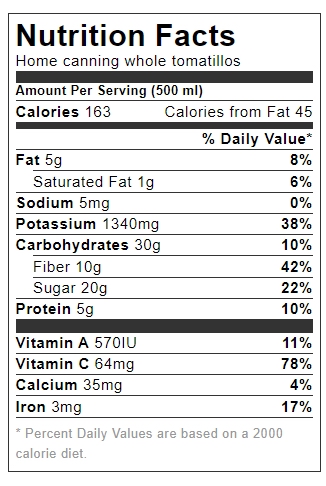
Beyond their versatility in the kitchen, whole tomatillos offer a dense nutritional profile packed into a low-calorie package. Standard dietary analysis indicates that a single half-litre (US pint) serving of plain, home-canned tomatillos—prepared without added salt—contains approximately 163 calories.
The preserved fruit provides a substantial dietary contribution of carbohydrates (roughly 30 grams per pint), dietary fiber (10 grams), and natural sugars (20 grams), alongside modest amounts of protein (5 grams). Micronutrient profiling reveals notable levels of potassium, averaging over 1,300 milligrams per pint, alongside valuable quantities of Vitamin C, Vitamin A, calcium, and iron. Because the canning process locks in these essential nutrients without requiring heavy fats or artificial preservatives, home-canned tomatillos represent a wholesome, nutrient-dense addition to a balanced pantry.
Broader Impact on Sustainable Living and Food Preservation Trends
The resurgence of home food preservation reflects a broader cultural and economic movement toward sustainable living, local agriculture, and food independence. By mastering USDA-approved protocols for crops like tomatillos, home gardeners can successfully mitigate food waste during peak harvest seasons, extending the bounty of the summer garden deep into the winter months.
Adherence to strict scientific standards ensures that this revival of traditional kitchen arts remains entirely safe. By respecting the interplay between natural acidity, precise processing times, and crucial altitude adjustments, contemporary home preservers can enjoy the vibrant, authentic flavors of heritage crops with total confidence in the safety and quality of their pantry stores.