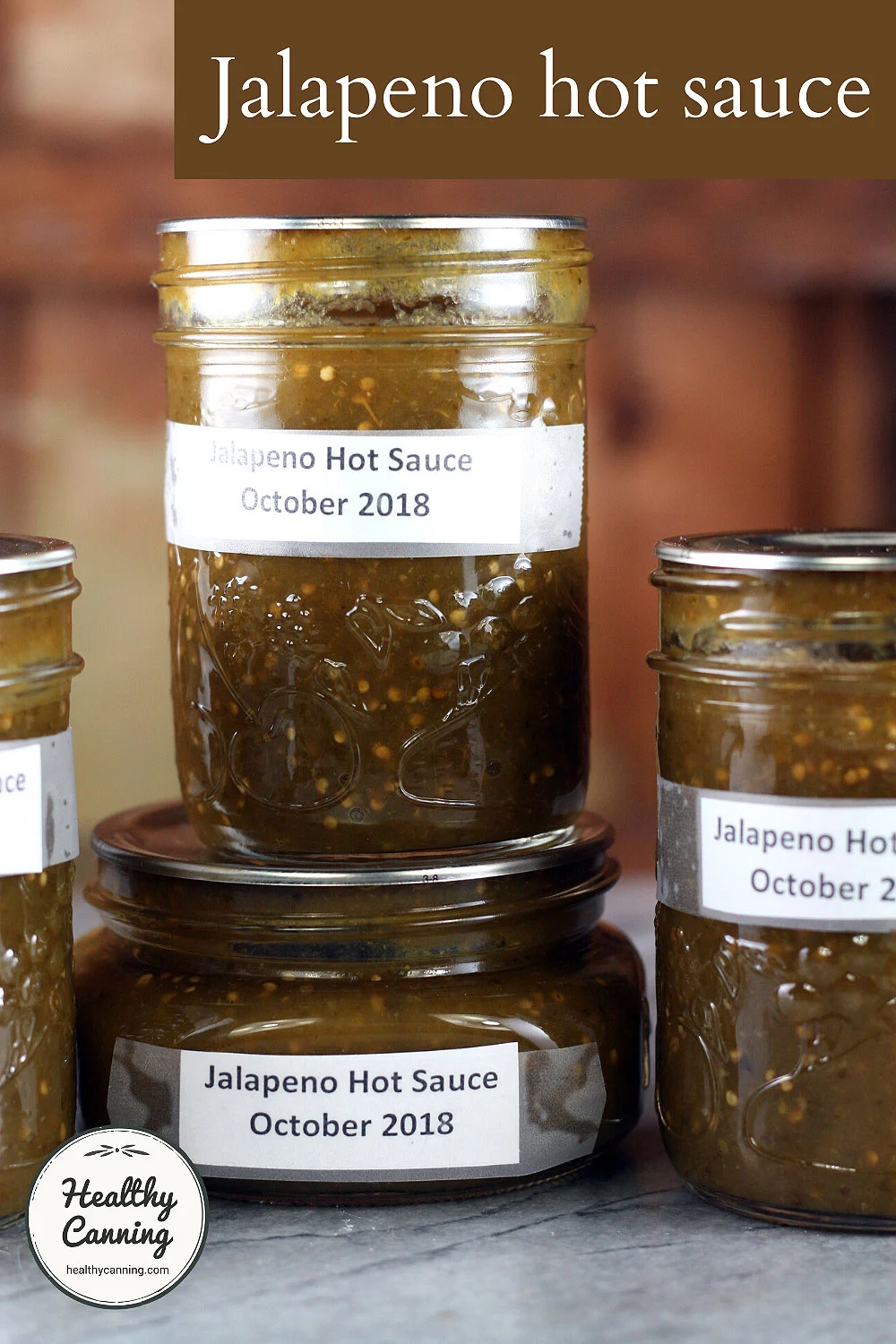

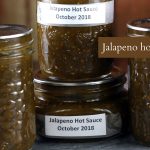
The art of home food preservation has long required a delicate balance between culinary creativity and rigorous safety compliance, particularly when shifting away from tested formulations. Recently, home-canning enthusiasts and food preservation educators have highlighted a novel, safe variation of a classic United States Department of Agriculture (USDA) recipe: a thick, spoonable green hot sauce crafted from canned tomatillos and fresh jalapeño peppers. Derived directly from the official USDA recipe for traditional Cayenne Pepper Sauce—which traditionally yields a red condiment—this green iteration substitutes tomatoes with tomatillos and standard peppers with green jalapeños. These ingredient swaps have been officially verified as safe and acceptable modifications, provided the baseline acidity levels are strictly maintained or enhanced.
The resulting condiment offers home cooks a way to utilize seasonal green peppers while maintaining the rigorous safety standards established by federal agricultural and food science authorities. Because the recipe yields a substantial quantity—typically producing five half-liter or US pint-sized jars—experts advise home canners to carefully calculate measurements before scaling the ingredients down if a smaller batch is desired.
Background Context of USDA Canning Guidelines and Recipe Adaptations
Food preservation in home kitchens is heavily regulated by science-based guidelines to prevent the proliferation of Clostridium botulinum, the bacterium responsible for botulism. The USDA, in collaboration with the National Center for Home Food Preservation (NCHFP), publishes tested recipes that guarantee adequate acidity and heat penetration during processing. Traditionally, pepper sauces rely on precise ratios of vinegar, water, and produce to ensure that the final pH remains at or below 4.6, the threshold required to prevent bacterial growth in sealed jars.
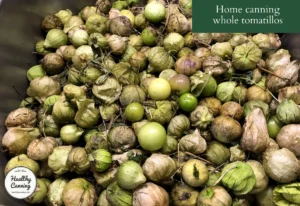
The introduction of tomatillos and jalapeños into a foundational cayenne sauce framework represents a significant point of interest for home economics and culinary extension programs. Tomatillos, members of the nightshade family encased in a papery husk, possess an inherent acidity that makes them a chemically sound substitute for traditional red tomatoes in tested preserving recipes. Similarly, green jalapeños offer a comparable moisture and structural profile to other hot peppers approved by the USDA. However, culinary historians and food safety educators note that substituting ingredients outside of pre-approved guidelines can compromise product safety, making the endorsement of these specific swaps a notable development for home canners looking to diversify their pantry staples.

Chronology and Step-by-Step Processing Specifications
Executing the green jalapeño and tomatillo hot sauce recipe requires a structured timeline, accounting for preparation, cooking, and thermal processing. The entire procedure spans approximately four hours, divided into one hour of active preparation and three hours of cooking time to achieve the desired thick, spoonable consistency.
According to the standardized recipe parameters, home canners may select from three approved jar sizes: 125-milliliter (half-cup or 4-ounce) jars, quarter-liter (half-US-pint or 8-ounce) jars, or half-liter (1-US-pint or 16-ounce) jars. The processing method can be executed using either a traditional boiling-water bath or an approved steam-canning apparatus.
The operational timeline and parameters for canning the sauce are defined as follows:
- Preparation Time: Approximately 1 hour, involving washing, chopping, and measuring ingredients.
- Cooking Time: Approximately 3 hours of simmering to reduce the mixture to the proper condiment consistency.
- Yield: 5 x half-liter (US pint) jars.
- Headspace Requirement: Exactly 2 centimeters (0.5 inches) of headspace must be left at the top of each jar prior to sealing.
- Processing Time: 10 minutes for any of the approved jar sizes, subject to mandatory altitude adjustments.
Canners operating at elevations above sea level must consult altitude adjustment charts for water-bath or steam canning, as lower atmospheric pressure requires extended processing times to ensure pathogen destruction. Furthermore, international canners—particularly those in Australia and New Zealand—must verify local vinegar acetic acid strengths, which occasionally differ from the standard 5% acidity mandated in North American USDA recipes.
Official Statements and Expert Cautions Regarding Heat Levels
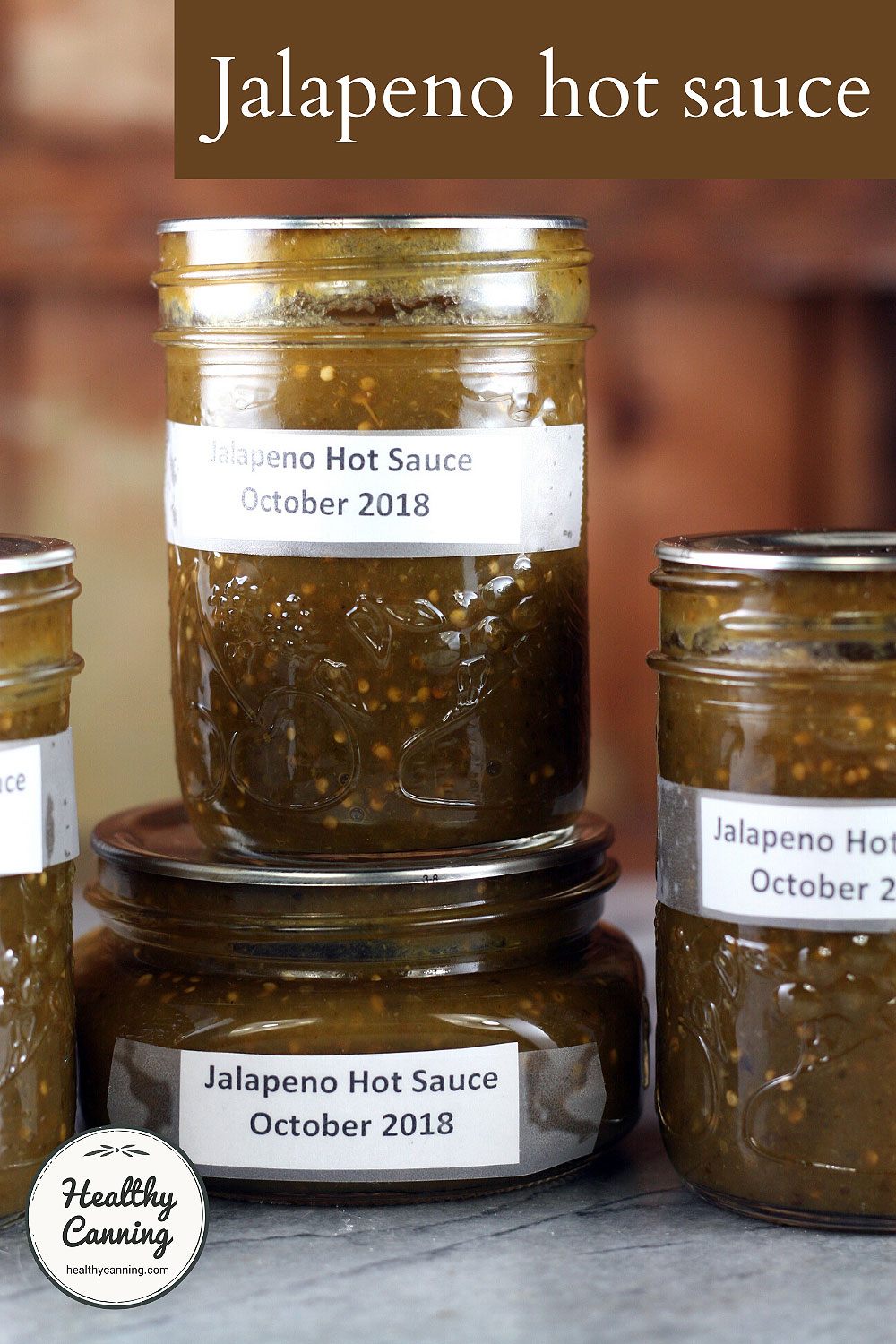
While the National Center for Home Food Preservation rarely appends specific commentary to standard USDA or So Easy to Preserve recipes, an explicit warning has been issued for this particular formulation due to the intense pungency of the finished product. Food safety and extension specialists felt compelled to clarify the sensory impact of the sauce, noting that public perception often underestimates the capsaicin concentration of a sauce derived primarily from mature jalapeño peppers processed down into a concentrated reduction.
In official advisories accompanying the recipe, the NCHFP notes that this formulation produces a very hot sauce. To assist consumers in safely integrating the condiment into meals without overwhelming their palate, official usage recommendations suggest employing the sauce sparingly as an ingredient or table accompaniment rather than a primary sauce. Suggested culinary applications include blending small quantities into marinades, soups, stews, and braised dishes where the intense heat can be evenly distributed across a larger volume of food.
Nutritional Analysis and Dietary Implications
From a nutritional standpoint, the green jalapeño and tomatillo hot sauce is exceptionally low in calories, making it an appealing option for individuals monitoring their caloric intake or adhering to strict dietary regimens. Laboratory and nutritional database analyses indicate that a standard one-gram serving or a single-tablespoon portion contributes minimally to daily macronutrient intake.
The standardized nutritional breakdown per serving is detailed as follows:
- Calories: 8 kcal
- Carbohydrates: 1.6 grams
- Protein: 0.3 grams
- Total Fat: 0.1 grams
- Sodium: 2 milligrams
- Dietary Fiber: 0.3 grams
- Sugars: 0.8 grams
Because the sauce derives its bold flavor primarily from capsaicinoids, organic acids, and natural aromatics rather than fats or added sugars, it fits comfortably into low-fat and diabetic meal planning. Furthermore, weight-management tracking systems, such as proprietary point programs historically calculated by independent nutrition platforms, assign negligible points values to the condiment, reinforcing its utility as a high-flavor, low-impact dietary addition.
Broader Impact and Implications for Modern Home Food Preservation
The sustained popularity of tested pepper sauce variations reflects a broader cultural shift toward self-sufficiency and artisanal food production in home kitchens. As consumer interest in spicy foods continues to expand globally, home gardeners frequently find themselves with an abundance of late-summer pepper harvests, particularly jalapeños and tomatillos. Providing scientifically validated methods to preserve these crops safely prevents food waste while mitigating the serious health risks associated with unverified home-canning practices.
Public health agencies and university extension services continually emphasize that adherence to tested recipes is non-negotiable when dealing with low-acid or borderline-acid foods. By demonstrating how approved substitutions—such as swapping tomatillos for tomatoes—can be safely integrated into USDA frameworks without altering the critical pH balance, food science communicators empower home canners to exercise culinary creativity within safe boundaries. The ongoing availability of master food preserver support groups, telephone hotlines, and digital resources ensures that both novice and experienced canners retain access to real-time guidance during peak harvest seasons, ultimately safeguarding public health while preserving traditional culinary arts.