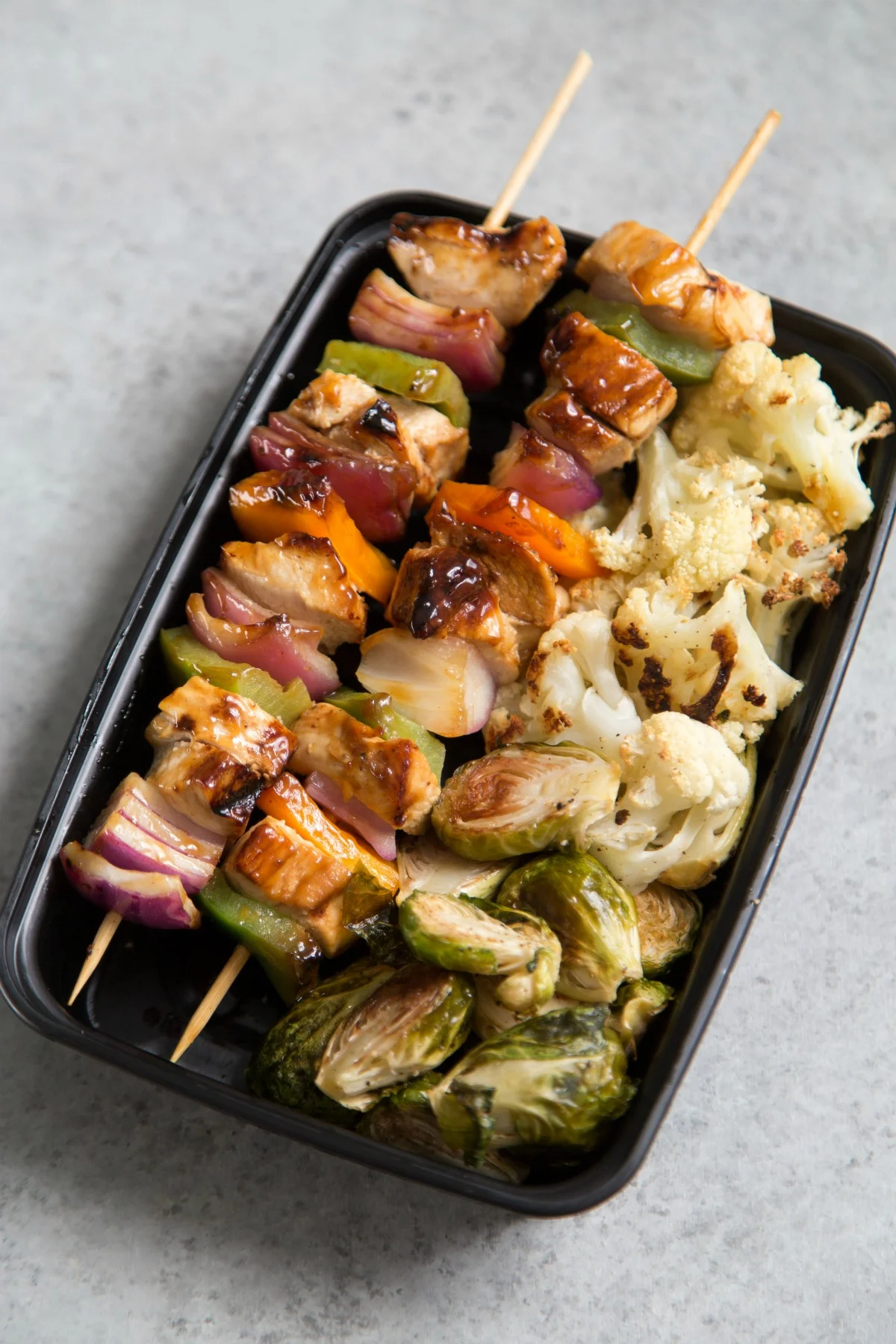

This Hawaiian Chicken Teriyaki Skewer Meal Prep offers a tantalizing combination of sweet and savory flavors, a high protein content, and exceptional ease for preparing meals in advance, making it an ideal solution for busy weekdays. The recipe focuses on pairing succulent teriyaki chicken skewers with a balanced accompaniment of rice, pineapple, and vibrant vegetables, ensuring a satisfying lunch that reheats exceptionally well and simplifies the meal preparation process.
In the realm of convenient and appealing meal preparation, the Hawaiian Chicken Teriyaki Skewer recipe stands out as a recurring favorite for those seeking a more engaging alternative to the conventional chicken and rice combination. These skewers deliver a delightful experience, featuring tender chicken coated in a sticky, teriyaki-inspired glaze, complemented by the natural sweetness of pineapple and a medley of colorful vegetables. This harmonious blend creates a meal that not only tastes fresh but is also perfectly suited for make-ahead lunches, maintaining its appeal throughout the week.
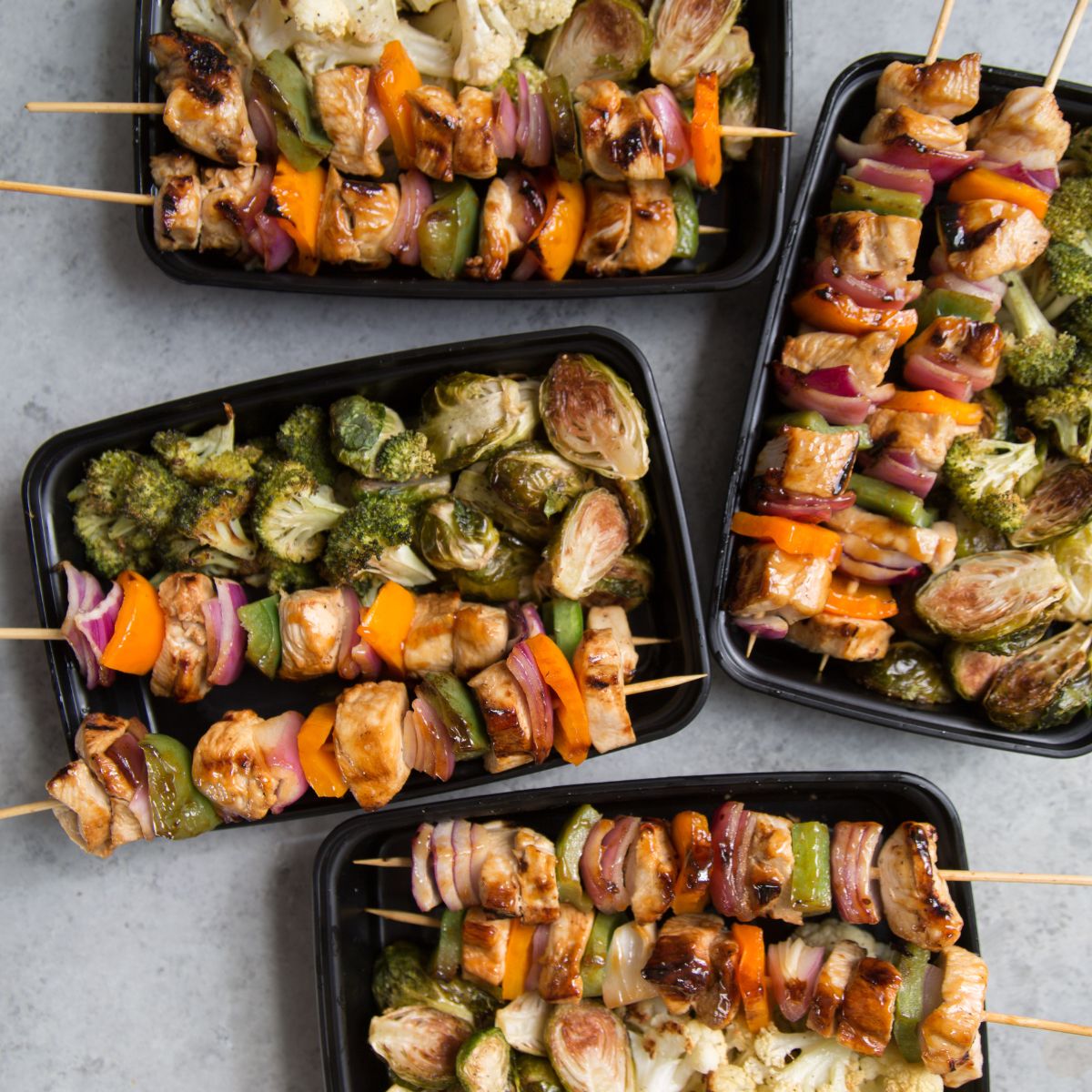
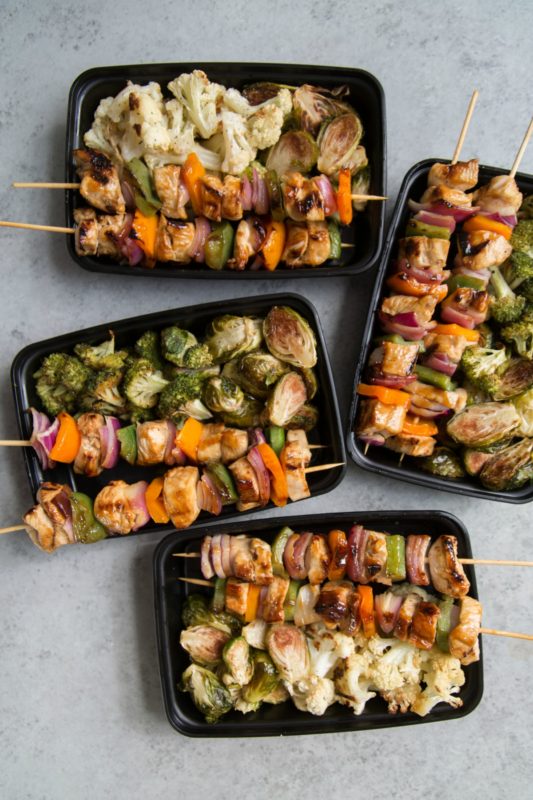
This particular recipe is a valuable asset for individuals aiming to incorporate balanced meal options into their weekly routine, whether for lunch or dinner, without dedicating an entire afternoon to kitchen tasks. It seamlessly integrates into a structured weekly plan, particularly for those building a repertoire of high-protein recipes or in search of lunch meal prep ideas that retain their deliciousness even by the third day. The inherent versatility of this dish makes it a cornerstone for efficient and enjoyable meal planning.
The Appeal of Hawaiian Chicken Teriyaki Skewers for Meal Prep
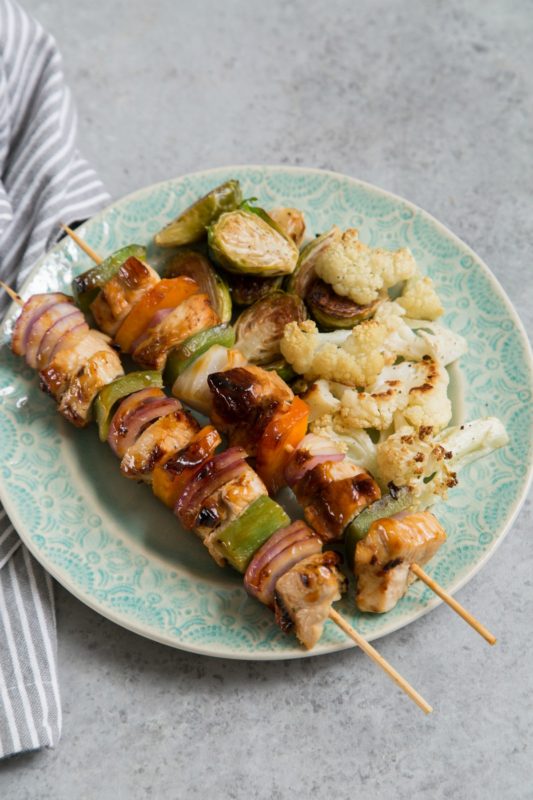
The enduring popularity of this Hawaiian Chicken Teriyaki Skewer meal prep lies in its ability to deliver a gourmet experience with minimal effort. The combination of succulent chicken marinated in a homemade or carefully selected teriyaki sauce, threaded onto skewers with sweet pineapple chunks and crisp bell peppers, creates a visually appealing and gastronomically satisfying meal. The inclusion of vegetables not only enhances nutritional value but also adds textural contrast, making each bite a complex and enjoyable experience.
For individuals managing demanding schedules, the concept of meal prepping is not merely about saving time; it’s about reclaiming control over their dietary choices and ensuring consistent access to nutritious food. This recipe addresses these needs by providing a framework for preparing multiple servings in one go, drastically reducing the daily decision fatigue associated with what to eat. The inherent flexibility of the recipe allows for customization, catering to a wide range of dietary preferences and available ingredients.
Nutritional Foundation and Health Benefits
The Hawaiian Chicken Teriyaki Skewer meal prep is inherently rich in protein, primarily derived from the chicken breast. Protein is a crucial macronutrient, essential for muscle repair and growth, satiety, and overall metabolic function. A diet rich in lean protein can significantly contribute to weight management efforts and sustained energy levels throughout the day. The inclusion of ingredients like pineapple and vegetables introduces essential vitamins, minerals, and dietary fiber. Pineapple, for instance, contains bromelain, an enzyme with potential anti-inflammatory properties.
Furthermore, the recipe’s adaptability allows for modifications to suit various dietary needs, such as adhering to a paleo or gluten-free lifestyle. By utilizing tamari or coconut aminos instead of traditional soy sauce, the teriyaki glaze can be made gluten-free. Similarly, substituting honey with a natural sweetener like maple syrup or a sugar-free alternative can align the recipe with paleo principles. This adaptability underscores the recipe’s broad appeal and its capacity to be a staple in diverse healthy eating plans.
Deconstructing the Preparation Process
The preparation of Hawaiian Chicken Teriyaki Skewers involves several distinct stages, each contributing to the final flavor profile and overall success of the meal. The initial step often involves soaking wooden skewers, a crucial measure to prevent them from burning during the cooking process, particularly when using grilling methods. Metal skewers offer an alternative, providing increased durability and ease of use for frequent meal preppers.
The creation of the teriyaki sauce is a cornerstone of this recipe. A typical homemade sauce involves a careful balance of soy sauce (or a gluten-free alternative), pineapple juice for sweetness and tang, honey or another sweetener for depth, rice vinegar for acidity, sesame oil for its characteristic nutty aroma, and aromatics like garlic and ginger. The sauce is then simmered and thickened, often with a cornstarch slurry, to achieve a glossy, clinging consistency that beautifully coats the chicken and vegetables.
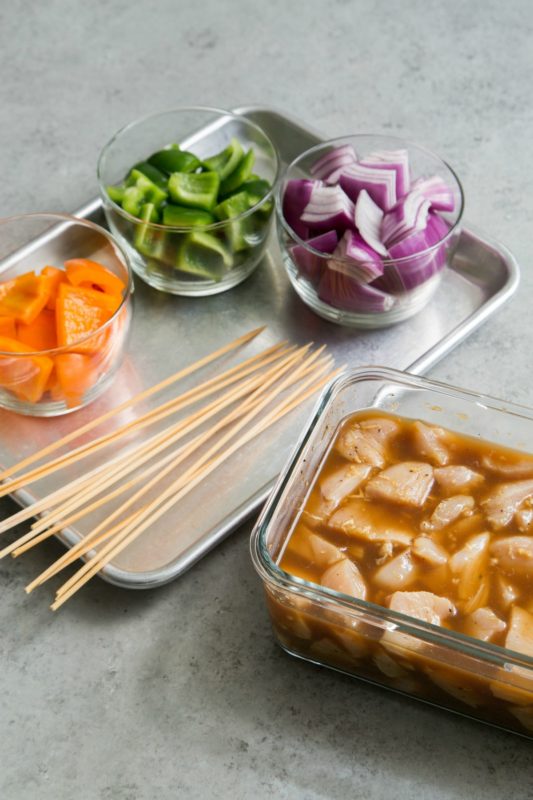
Preparing the chicken and vegetables involves ensuring uniform cuts for even cooking. Chicken breast is typically cubed into bite-sized pieces, then tossed with olive oil, salt, pepper, and a portion of the teriyaki sauce to allow for initial marination. Simultaneously, pineapple chunks, bell peppers, and red onion are prepared, ready to be threaded onto the skewers. The artful arrangement of these components on the skewers, allowing for slight space between them, promotes better heat circulation and contributes to a more desirable texture upon cooking.
Cooking Method Flexibility
One of the significant advantages of the Hawaiian Chicken Teriyaki Skewer recipe is its adaptability to various cooking methods. The traditional grilling approach imparts a smoky flavor and desirable char marks, perfect for outdoor gatherings or when a grill is readily available. Grilling typically takes between 10 to 12 minutes, with frequent turning to ensure even cooking and prevent burning.
For those without access to a grill or preferring an indoor option, the oven method is highly effective. Preheating the oven to a high temperature, such as 425°F (220°C), and baking the skewers on a lined baking sheet for approximately 18 to 22 minutes, with a mid-way flip, yields excellent results. The grill pan method offers another convenient indoor alternative, mimicking the charring effect of a grill over medium-high heat. Regardless of the chosen method, brushing the skewers with additional teriyaki sauce during the final minutes of cooking intensifies the flavor and creates a more appealing glaze.
Strategic Storage and Reheating for Optimal Freshness
The success of any meal prep strategy hinges on effective storage and reheating techniques to maintain food quality and safety. After cooking, it is imperative to allow the chicken teriyaki skewers to cool completely before portioning them into airtight meal prep containers. This cooling process prevents condensation buildup, which can lead to a soggy texture and potential spoilage.
For optimal freshness, these prepped meals can be stored in the refrigerator for up to four days. A particularly useful tip for preserving the texture of the chicken and rice is to store any extra teriyaki sauce in a separate small container. This allows the user to add the sauce after reheating, preventing the rice from becoming overly saturated and soft, while ensuring the chicken remains deliciously saucy.
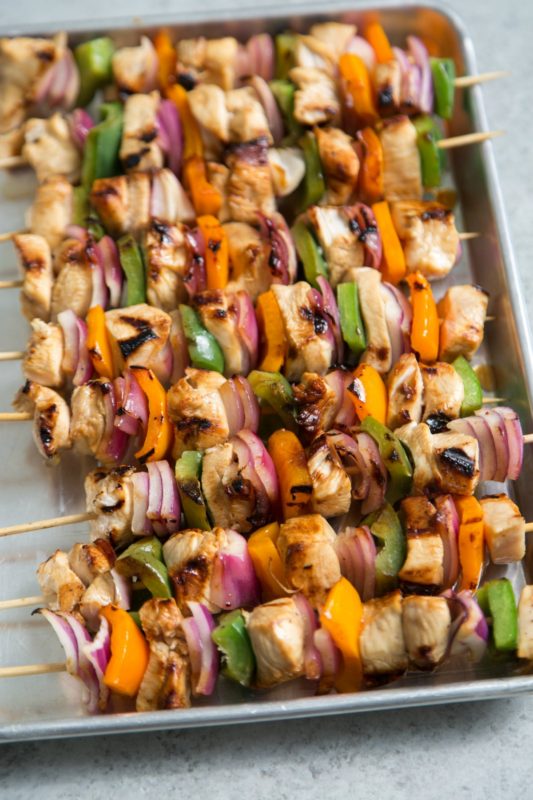
Freezing is also a viable option for longer-term storage, though with some considerations. Cooked teriyaki chicken can be frozen for up to two months. It is often recommended to freeze the chicken separately from fresh pineapple if possible, as the texture of the fruit may change upon thawing. Rice also freezes well, making it possible to create freezer-ready portions of chicken and rice. However, the texture of bell peppers and pineapple may soften after thawing, which, while not affecting the taste, can alter the overall eating experience.
The reheating process can significantly impact the final enjoyment of the meal. The microwave method, while convenient, requires careful execution. Reheating for 1.5 to 2 minutes, with a stir or flip halfway through, is generally recommended. Adding extra teriyaki sauce after reheating is key to restoring moisture and flavor. The oven method, warming at 350°F (175°C) for 8 to 10 minutes, offers a superior texture, preventing the chicken from becoming steamed. For those seeking to revitalize the sauce and achieve a more authentic flavor, the skillet method, gently warming the chicken with a splash of water or extra teriyaki sauce, is often considered the most effective approach.
Nutritional Breakdown and Potential Adjustments
A standard serving of Hawaiian Chicken Teriyaki Skewers, when paired with jasmine rice and broccoli, provides a balanced macronutrient profile. Approximately 202 calories per serving (based on 10 skewers, or 1/10th of the recipe), with around 27g of protein, 19g of carbohydrates, 1.5g of fat, and 1g of fiber, highlights its suitability as a protein-rich meal. These figures can fluctuate based on the specific ingredients used in the teriyaki sauce, the type of rice chosen, and the precise portion sizes.
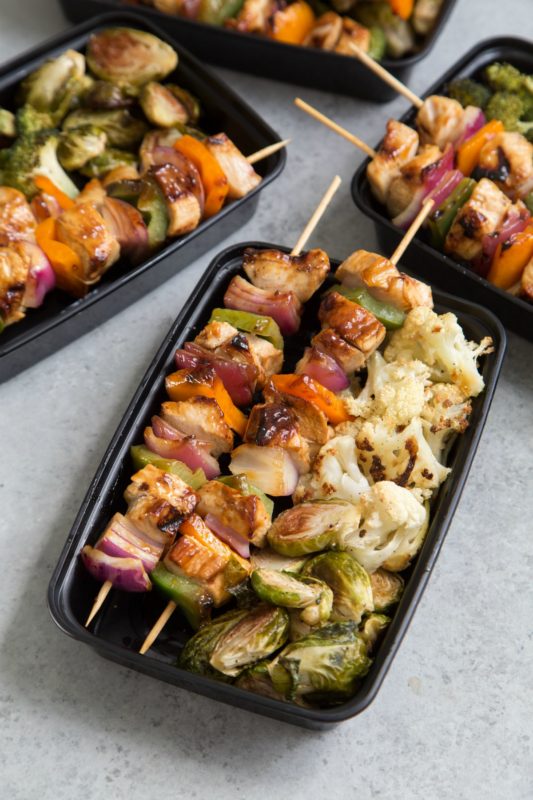
For individuals monitoring their intake of specific nutrients, several ingredient swaps and adjustments can be made. Opting for brown rice or cauliflower rice can alter the carbohydrate and fiber content. Using a low-sodium soy sauce or tamari can reduce sodium intake. For those managing sugar intake, alternative sweeteners can be employed in the teriyaki sauce. Adding a wider variety of vegetables, such as snap peas, zucchini, or cherry tomatoes, can further enhance the nutritional diversity of the meal.
Addressing Common Inquiries: FAQs
A frequent question among home cooks is the feasibility of preparing these skewers without a grill. The answer is a resounding yes. The oven and grill pan methods are highly effective and offer convenience, with the oven method being particularly suited for batch cooking.
The use of store-bought teriyaki sauce is also a common consideration. While convenient, it’s advisable to select brands with lower sodium content, as flavors can intensify during meal prep and reheating. The shelf life of prepped chicken teriyaki skewers in the refrigerator is typically up to four days, making them a reliable option for mid-week lunches.
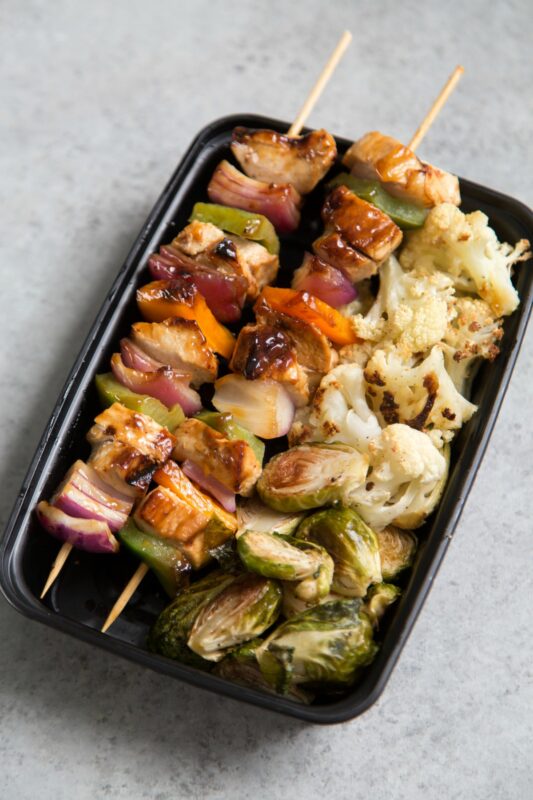
Regarding accompaniments, the versatility of this dish allows for a wide array of pairings. Beyond the classic rice and broccoli, consider serving with quinoa, cabbage slaw, roasted root vegetables, or edamame for added variety and nutritional balance. The primary goal is to create a complete and satisfying meal that is also easy to reheat.
The question of whether skewers can be assembled ahead of time before cooking is also frequently asked. Yes, skewers can be assembled up to 24 hours in advance and refrigerated. However, it’s generally recommended to apply the majority of the teriyaki sauce during the cooking process to prevent excessive caramelization or burning.
Concluding Thoughts on Meal Prep Efficiency
The Hawaiian Chicken Teriyaki Skewer Meal Prep exemplifies the core benefits of a well-executed meal preparation strategy. It delivers on essential nutritional requirements—protein, complex carbohydrates, and vegetables—while offering an explosion of flavor and a straightforward storage and reheating process. Meals like these are instrumental in mitigating the daily mental burden of deciding what to eat, allowing individuals to simply select a prepared container, reheat, and enjoy. This efficiency is the true triumph of effective meal prep, simplifying healthy eating and contributing to a more organized and stress-free week. For those seeking to further streamline their meal preparation endeavors, resources like dedicated meal planning services can provide structured guidance and recipes, ensuring consistent access to nutritious and delicious meals throughout the week.