
In an era defined by fluctuating grocery prices and a growing consumer preference for customizable pantry staples, home bakers are increasingly turning to do-it-yourself alternatives for everyday baking supplies. Among the latest trends gaining traction in household kitchens is the creation of bulk, homemade brownie mixes. By assembling dry ingredients ahead of time, home cooks can achieve the ultimate convenience of store-bought boxed mixes while enjoying substantial financial savings—often producing baking essentials for pennies on the dollar compared to commercial retail brands.
This culinary approach not only streamlines the baking process on busy weeknights but also offers unprecedented versatility. Whether adapted for traditional baking or tailored to meet specific dietary requirements through sugar-free alternatives, the DIY brownie mix movement represents a practical intersection of thrift, culinary creativity, and health-conscious eating.
Economic and Practical Advantages of Pantry DIY Mixes

The primary driver behind the shift toward homemade dry mixes is economic efficiency. Commercial baking mixes, while convenient, carry a significant markup for packaging, brand marketing, and factory processing. By purchasing staple baking ingredients such as flour, cocoa powder, and leavening agents in bulk, consumers can drastically reduce the cost per serving.
Beyond financial incentives, homemade mixes provide immediate convenience at the time of use. Having a pre-blended dry base stored in the pantry eliminates the need to measure out individual ingredients every time a dessert craving strikes. A single batch of this particular DIY brownie mix yields approximately 8 cups (1 kilogram) of dry ingredients, providing enough foundation for up to five separate pans of brownies.
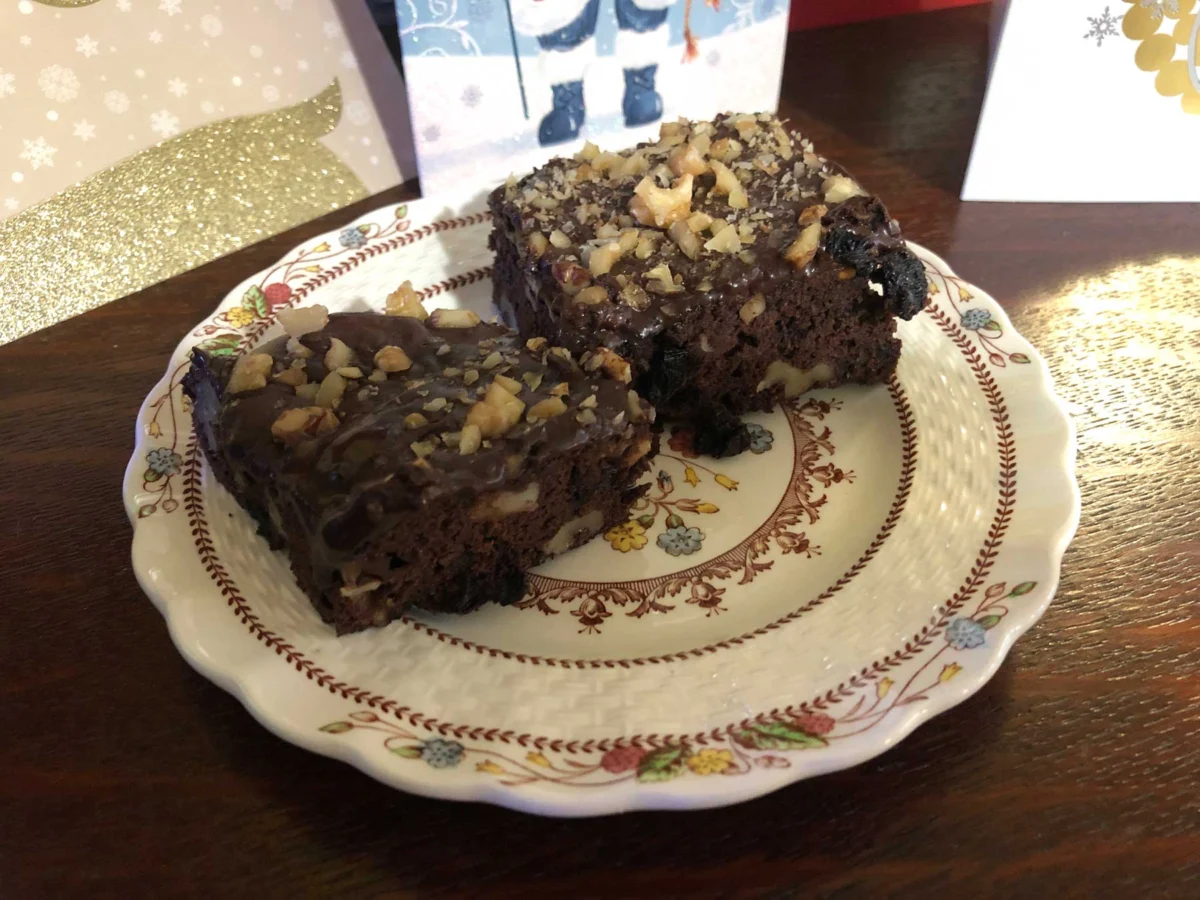
When fully prepared, an entire pan of these cake-style brownies weighs roughly 420 grams, or 15 ounces. Standard slicing yields nine individual squares, with each portion weighing approximately 50 grams (2 ounces), though final weights may vary slightly depending on the inclusion of optional mix-ins such as walnuts or pecans.
Culinary Profile: Cake-Style Versus Fudge-Style

Understanding the textural profile of a recipe is essential for bakers accustomed to commercial varieties. Unlike dense, ultra-fudge-style brownies that rely on high butter and chocolate content without chemical leaveners, this specific mix is formulated to produce traditional cake-style brownies.
Cake-style brownies feature a lighter, more aerated crumb structure, making them an ideal canvas for icings, glazes, or dustings of powdered sugar. Culinary experts note that this texture appeals particularly to those who prefer a dessert that pairs effortlessly with coffee or tea without feeling overly heavy. Furthermore, the neutral flavor profile of the base mix allows bakers to experiment with various additions, from classic chocolate chips to dried fruits and toasted nuts, without compromising the structural integrity of the baked good.
Customization and Dietary Adaptability
One of the most notable aspects of the DIY brownie mix phenomenon is its adaptability to modern dietary preferences. While traditional recipes rely on standard granulated white sugar, this formula is easily optimized for those reducing their sugar intake.
The baseline formulation incorporates Splenda or generic equivalents of sucralose, making it accessible to individuals managing diabetes or monitoring caloric consumption. For those preferring natural alternatives, powdered stevia products can be substituted, maintaining a direct one-to-one volumetric measurement. Alternatively, traditional bakers can forgo artificial sweeteners entirely by substituting 4 cups (900 grams) of granulated white sugar per batch, ensuring the recipe caters to every household preference without requiring a complete overhaul of the method.
Nutritional Analysis and Dietary Points
Nutrition profiles for homemade baked goods inherently vary based on the specific brands and variants of ingredients selected by the baker. However, standard calculations provide a clear picture of the nutritional value when specific guidelines are followed.
When prepared using a low-fat margarine alternative and a sugar substitute such as Splenda, a single 50-gram square (assuming a standard nine-slice pan) contains approximately 116 calories and 8 grams of fat. For bakers who choose to incorporate walnuts into the batter, the nutritional profile shifts slightly to 131 calories and 10 grams of fat per square.

For individuals participating in structured wellness programs, such as Weight Watchers, the dessert remains remarkably accessible. Each un-iced, nut-free brownie accounts for 2 SmartPoints on the Freestyle system, with an additional point added if walnuts are included in the recipe. To further elevate the presentation and flavor, bakers can pair the finished dessert with a complementary homemade topping, such as a DIY sugar-free icing mix.
Step-by-Step Preparation and Usage Guide
Creating and utilizing the DIY brownie mix is a straightforward process designed for efficiency. The dry mix is whisked together in minutes, requiring only standard pantry storage containers to maintain freshness.
- Combine the Dry Ingredients: Whisk together flour, cocoa powder, baking powder, salt, and your chosen sweetener (either sugar or a 1:1 sugar substitute) in a large bowl until thoroughly integrated. Store the mixture in an airtight container at room temperature.
- Prepare a Single Pan: When ready to bake, measure out the required portion of the dry mix. Combine it with wet ingredients—typically eggs, oil or low-fat margarine, and a splash of vanilla extract—following standard baking protocols for cake-style brownies.
- Bake and Cool: Pour the batter into a greased baking pan and bake according to standard temperature guidelines until a toothpick inserted into the center emerges clean. Allow the brownies to cool completely before slicing into nine equal squares.
Food Safety Considerations in Modern Baking
As with any recipe utilizing raw cereal grains, food safety authorities emphasize proper handling techniques. The United States Department of Agriculture and related food safety bodies advise that raw flour should be treated with the same caution as raw meat. Because flour is an agricultural product milled from raw grains harvested outdoors, it may harbor microorganisms such as Escherichia coli (E. coli).
Home bakers are strongly advised to wash their hands, utensils, and all kitchen surfaces thoroughly immediately after handling raw flour or unbaked batter. Furthermore, consuming raw batter should be strictly avoided to eliminate potential health risks. Once baked, the high temperatures neutralize these pathogens, rendering the final product entirely safe for consumption.
Origins and Industry Context
The foundational recipe for this multi-batch mix traces its roots back to culinary resources provided by commercial sweetener manufacturers, notably adapting single-batch chocolate cake brownie formulas for bulk home storage. Over the years, food bloggers and frugality advocates have expanded upon these commercial guides, transforming them into comprehensive pantry systems that empower consumers to take control of their grocery budgets.

The broader implications of the DIY pantry trend point toward a permanent shift in consumer behavior. Driven by inflation, supply chain awareness, and a desire for ingredient transparency, modern households are increasingly embracing scratch-made foundational mixes. By cutting out the middleman of commercial packaging and manufacturing, bakers not only secure significant financial savings but also gain complete autonomy over the nutritional quality of the foods they share with their families.