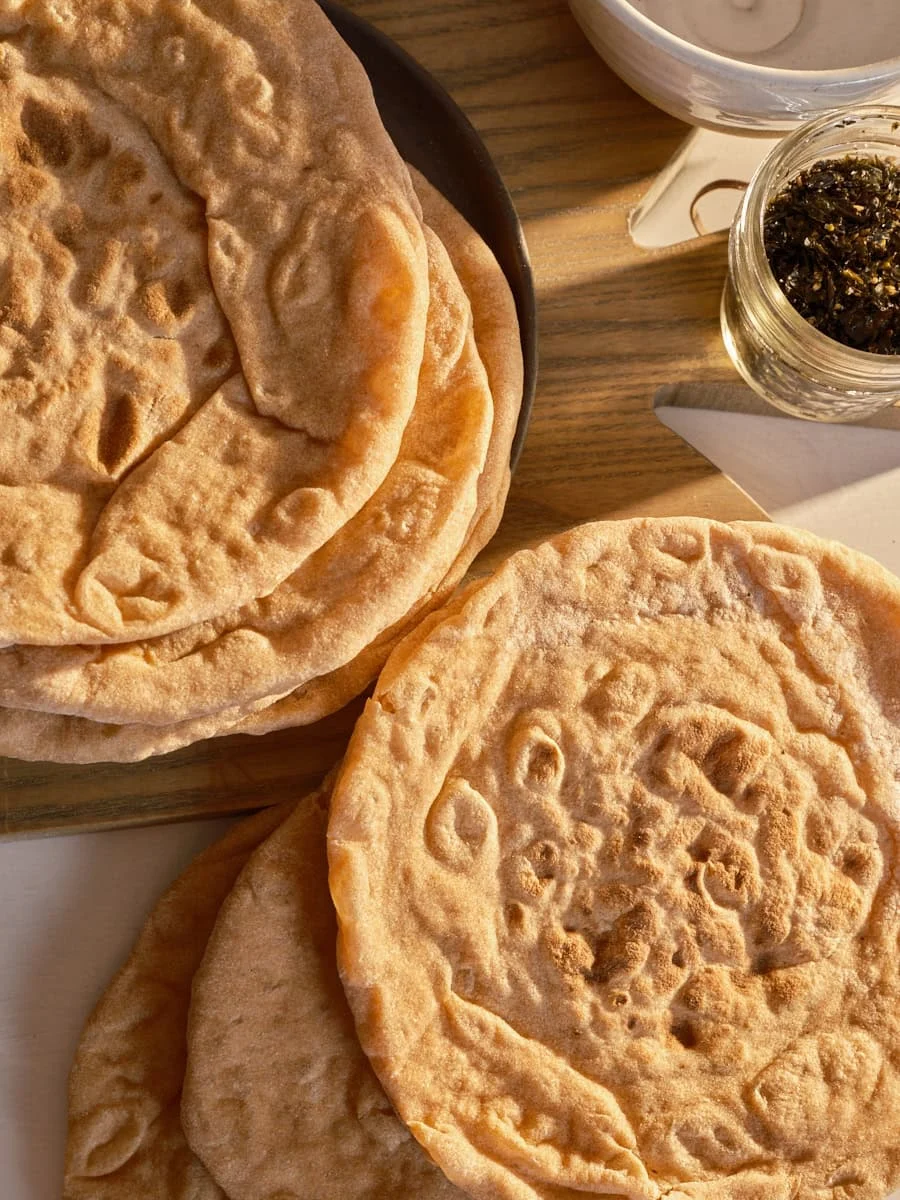

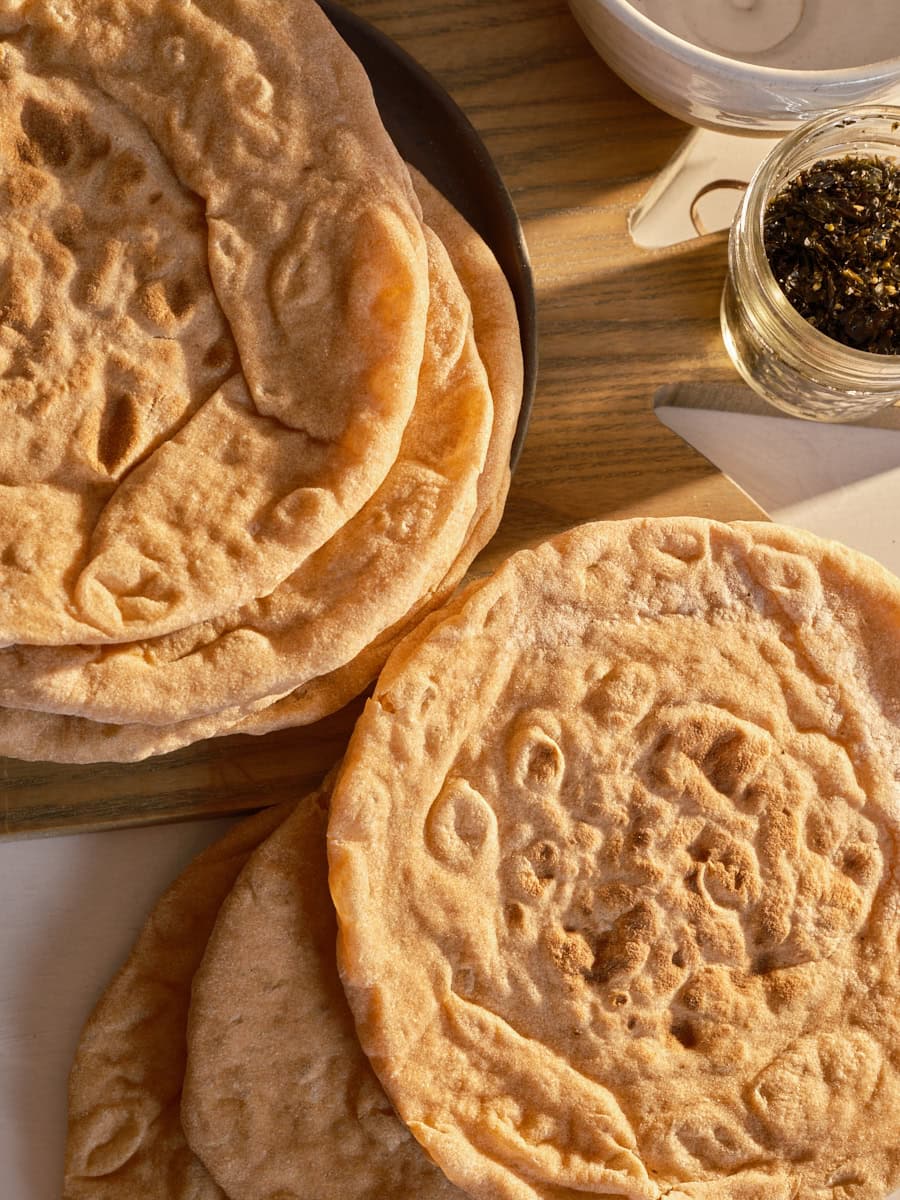
The world of artisanal baking is a testament to patience, dedication, and the profound connection between ingredients and the hands that transform them. This exploration into whole wheat sourdough pita is more than just a recipe; it’s a narrative woven from shared experiences, the bounty of the land, and the enduring spirit of culinary innovation. The journey began at the Chimacum Valley Grainery in Washington, a place that embodies the essence of farm-to-table philosophy, during a baking class co-taught by the author and renowned baker Graison Gill. The star of that class, a whole-grain sourdough pita formulated by Gill using barley, left an indelible impression with its hearty texture and the nuanced sweetness characteristic of freshly milled grains. This article delves into the author’s interpretation of that exceptional pita, a tribute to the Pacific Northwest’s evocative atmosphere, a unique farm and mill, and the invaluable human connections that fuel a passion for baking.
This is not the author’s first foray into sourdough pita. Previous iterations, including a light, ethereal version featured in their first cookbook and an unpublished variation incorporating sweeteners and ancient grains, have paved the way. However, this particular recipe represents a deliberate pursuit of a fully whole-grain pita that achieves a remarkably soft texture, a reliable, impressive puff, and a depth of flavor amplified by the synergy of sourdough fermentation and high-quality whole-grain flour. The author posits that once tasted, this iteration will distinguish itself through its superior texture and subsequent flavor profile, offering a deeply satisfying culinary experience that nourishes both body and soul.
The Science Behind the Puff: Mastering Pita Expansion
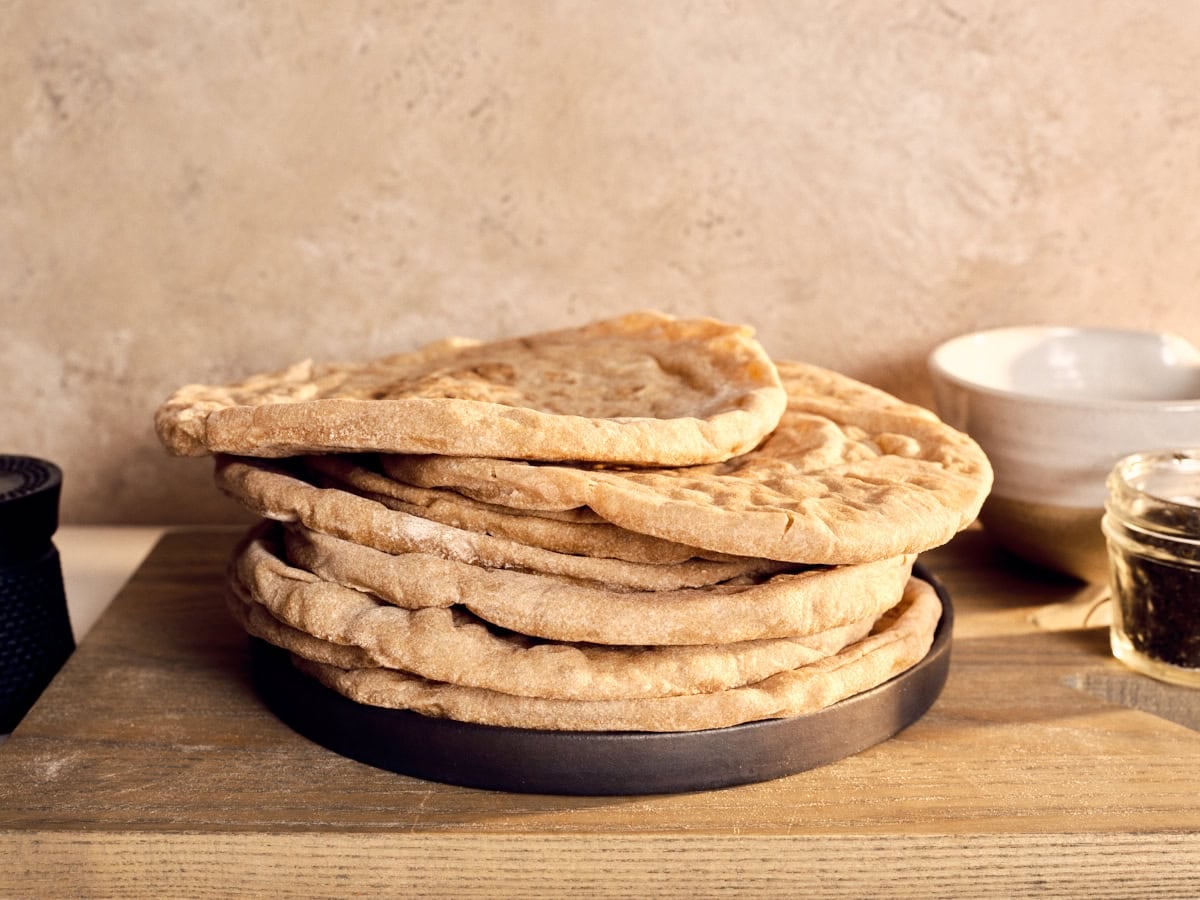
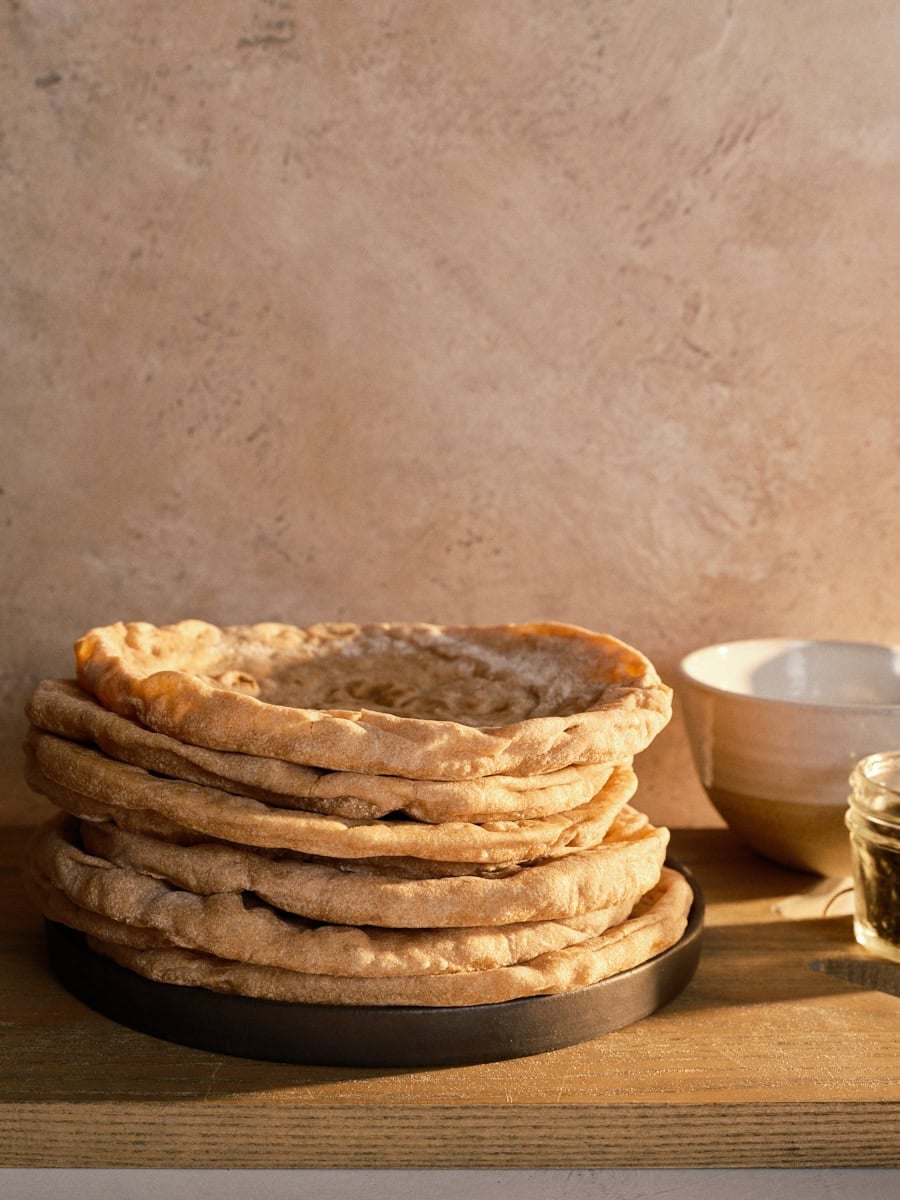
The signature characteristic of a perfect pita is its dramatic puff in the oven, creating a hollow interior ideal for stuffing. Achieving this requires meticulous attention to several key factors. The dough must be rolled to a consistent thickness, approximately 1/8th of an inch, to allow for even steam expansion. Crucially, the oven environment needs to be intensely hot, with a preheated baking surface like a baking steel or stone reaching temperatures of 550°F (290°C) or higher. This intense heat rapidly converts the moisture within the dough into steam, forcing the layers apart and creating the characteristic pocket. Insufficient heat or uneven rolling can lead to inconsistent puffing or a dense, flat result.
Flour Selection: The Foundation of Flavor and Texture
The foundation of this whole wheat sourdough pita lies in the choice of flour. The recipe specifically calls for 100% whole wheat flour, with a strong recommendation for whole-grain bread flour from Chimacum Valley Grainery, a producer known for its commitment to quality and provenance. This choice is deliberate, aiming to maximize the inherent nutty flavor and nutritional benefits of whole grains.
For those seeking to introduce subtle variations, the recipe allows for flexibility. Up to 20% of the whole wheat flour can be substituted with other whole-grain flours, such as whole triticale or whole spelt. These substitutions can impart unique flavor nuances and textural characteristics, adding another layer of complexity to the final product. This adaptability underscores the recipe’s potential for customization, allowing bakers to tailor the pita to their specific preferences and available ingredients.
A Practical Baking Schedule for the Modern Baker
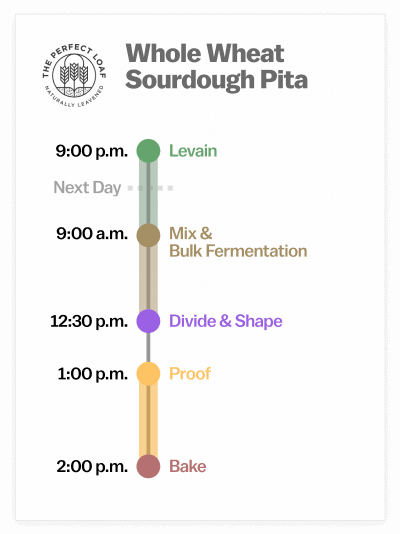
The author’s intention with this sourdough pita recipe is to provide a quick yet deeply nourishing bread that can be integrated into a busy week. While an overnight levain is suggested, a practical alternative involves utilizing a ripe sourdough starter directly, enabling dough mixing in the morning and fresh pita for dinner. This approach streamlines the process without compromising flavor or quality.
Maintaining a controlled fermentation timeline is essential not only for convenience but also for managing the overall sourness of the dough, a critical consideration when working with a high percentage of whole-grain flour. The result is a pita with a mild, pleasant tang, balanced by the inherent sweetness of the grains. For added flexibility, the dough can undergo a bulk retard in the refrigerator after an initial two-hour bulk fermentation. This allows for mixing on one day and baking the following day, further enhancing the recipe’s weeknight-friendly appeal. The method outlines specific points for retarding the dough, ensuring a seamless transition to the subsequent steps.
Recipe Vitals and Total Formula: Precision in Baking
To achieve the desired outcome, precise measurements are paramount. This recipe yields ten pita, each weighing approximately 120 grams, making it ideal for family meals or gatherings. The overall dough weight is 1,320 grams.
Key statistics for this recipe include:
- Prefermented Flour: 9.5%
- Levain in Final Dough: 22.0%
- Hydration: 84.0%
The author aims for a final dough temperature of 77-78°F (25-26°C) to ensure optimal fermentation. The total formula details the precise quantities of each ingredient:
| Weight (g) | Ingredient | Baker’s Percentage |
|---|---|---|
| 699 | Whole wheat flour (Chimacum Valley Grainery) | 100.0% |
| 14 | Extra-virgin olive oil | 2.0% |
| 503 | Water 1 (levain and mix) | 72.0% |
| 84 | Water 2 (mix) | 12.0% |
| 14 | Fine sea salt | 2.0% |
| 7 | Ripe sourdough starter, 100% hydration | 0.95% |
The Method: A Step-by-Step Guide to Whole Wheat Sourdough Pita
1. Prepare the Levain (9:00 p.m.)
For those opting for an overnight levain, the process is straightforward:
| Weight (g) | Ingredient | Baker’s Percentage |
|---|---|---|
| 66 | Whole wheat flour | 100.0% |
| 66 | Water 1 | 100.0% |
| 7 | Ripe sourdough starter, 100% hydration | 100.0% |
Combine these ingredients in a sourdough starter jar, cover, and allow to ripen overnight at a temperature of 74-76°F (23-24°C). Alternatively, a ripe sourdough starter can be used directly in the morning, though this will introduce a small percentage of non-whole wheat flour into the final pita.
2. Mix the Dough (9:00 a.m.)
The main dough ingredients are:
| Weight (g) | Ingredient |
|---|---|
| 632 | Whole wheat flour |
| 437 | Water 1 |
| 84 | Water 2 |
| 14 | Fine sea salt |
| 139 | Ripe levain (from Step 1) |
| 14 | Extra-virgin olive oil |
While an autolyse step is often beneficial for whole-grain doughs, this recipe opts for a brief resting period during mixing for conciseness.
- Mechanical Mixer: For those using a spiral mixer, the dough is mixed in phases. The author details a process involving initial mixing, followed by rest and subsequent additions of water and further kneading until a smooth, cohesive dough is achieved.
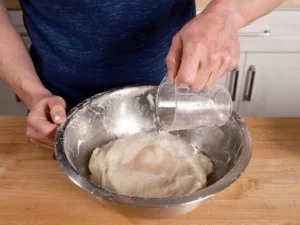
- By Hand: Combine flour, levain, salt, and Water 1 in a bowl. Mix thoroughly with wet hands or a dough whisk. Knead for 6-8 minutes using the slap-and-fold technique or folds-in-the-bowl method until the dough is smooth and less shaggy. Rest for 5 minutes. Add a splash of Water 2 and knead for an additional 6-7 minutes, incorporating more Water 2 as needed, being careful not to over-add. Transfer to a bulk fermentation container and cover.
3. Bulk Fermentation (9:30 a.m. to 12:30 p.m. – 3 hours)
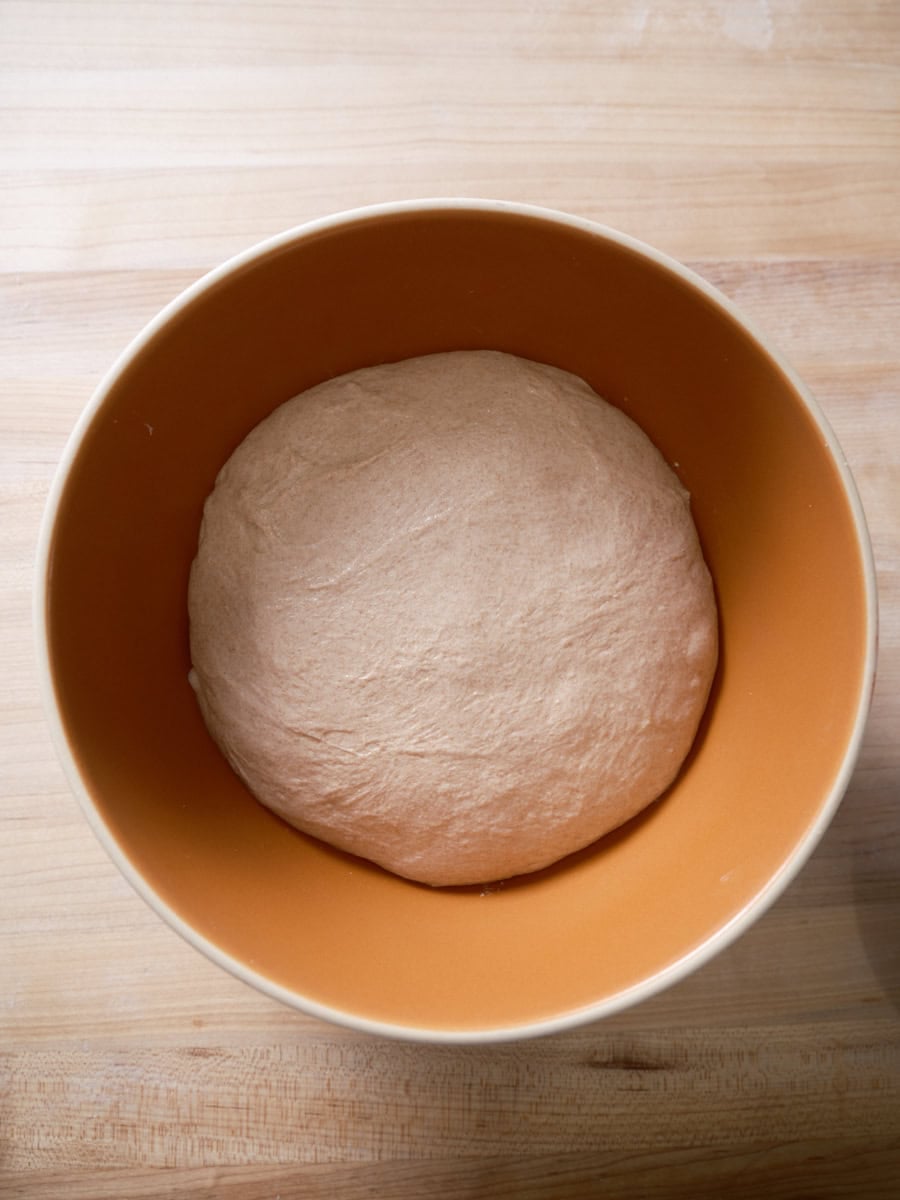
At a warm room temperature of 74-76°F (23-24°C), bulk fermentation should last approximately 3 hours, with two sets of stretch and folds performed at 30-minute intervals. Each set involves stretching one side of the dough up and over to the opposite side, followed by rotations and repetitions. After the second set, allow the dough to rest, covered, for the remainder of the bulk fermentation. The dough should appear smooth, puffy, and have risen by about 25%.
4. Divide and Shape (12:30 p.m.)
Lightly flour a half sheet pan. Gently scrape the dough onto a floured work surface. Using a bench knife, divide the dough into ten equal portions of 120 grams each. Shape each piece into a tight ball by patting it down, folding in the sides, and then creating surface tension by dragging it against the work surface. Pinch the seams closed on the bottom. Place the shaped balls on the prepared baking sheet, ensuring several inches of space between them.
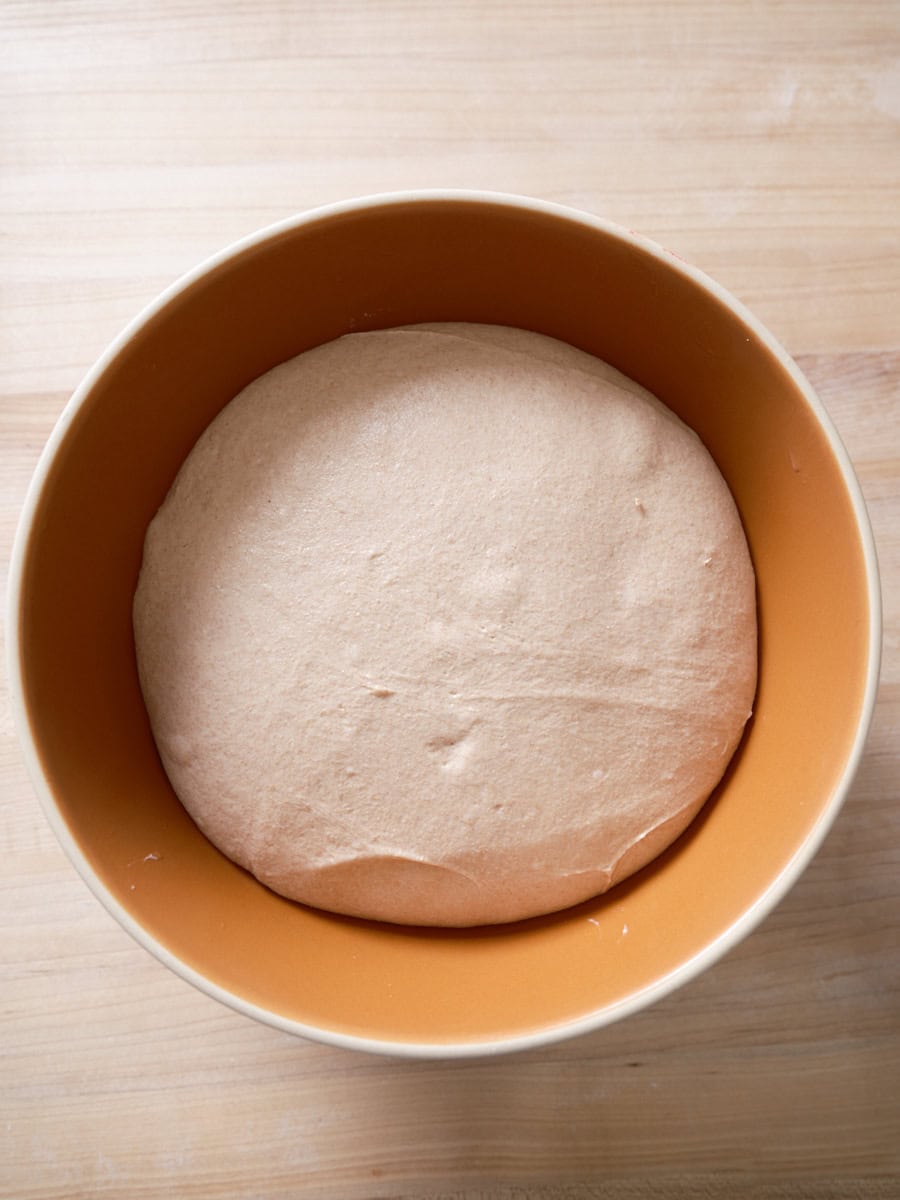
5. Proof (1:00 p.m. to 2:00 p.m. – 1 hour)
Cover half of the baking sheet to allow the dough balls to proof. Meanwhile, preheat the oven to 550°F (290°C) with a rack in the middle and a baking steel or stone on top for at least 1 hour.
6. Bake (2:00 p.m.)
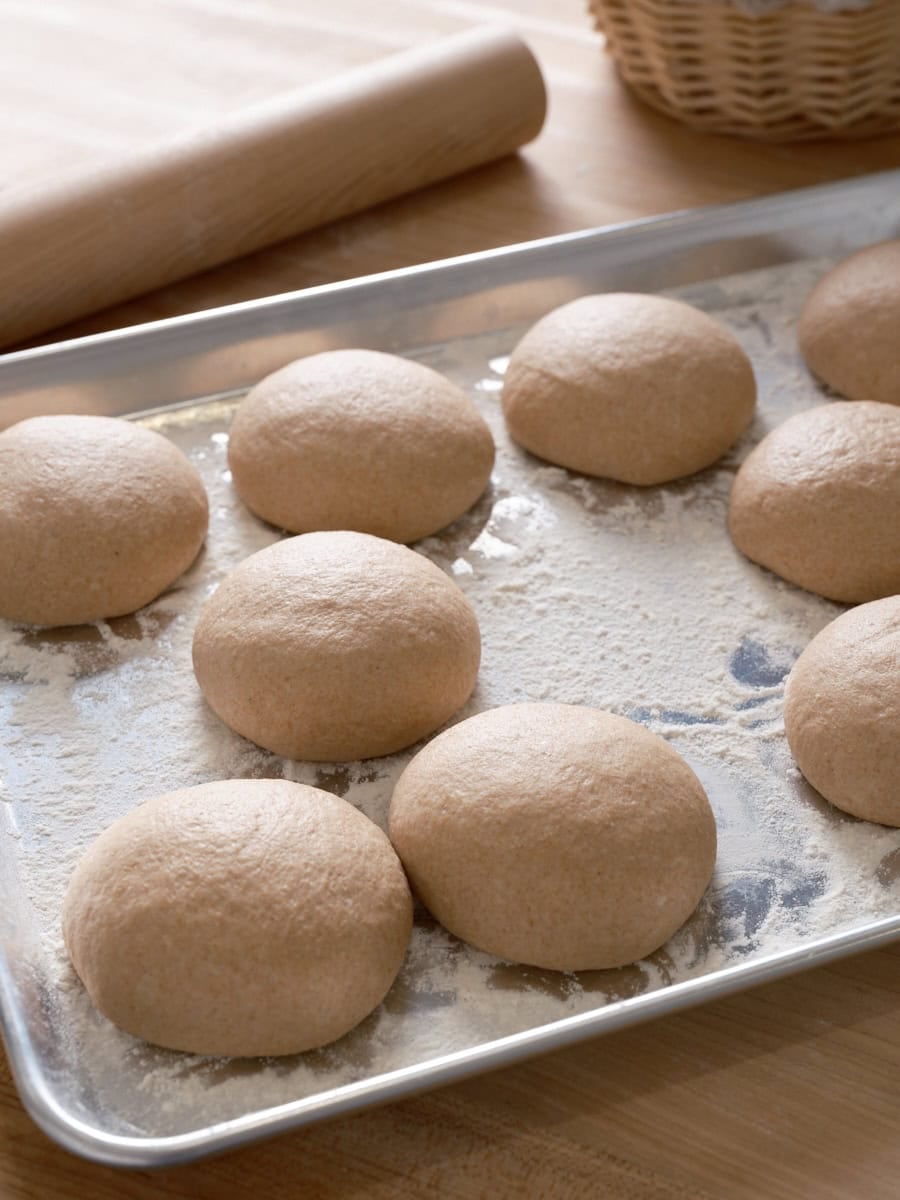
The dough is ready for baking when it has increased in volume by approximately 30% and feels soft to the touch, passing the poke test. It’s advisable to bake whole wheat pita relatively early in their proofing stage to prevent breakdown.
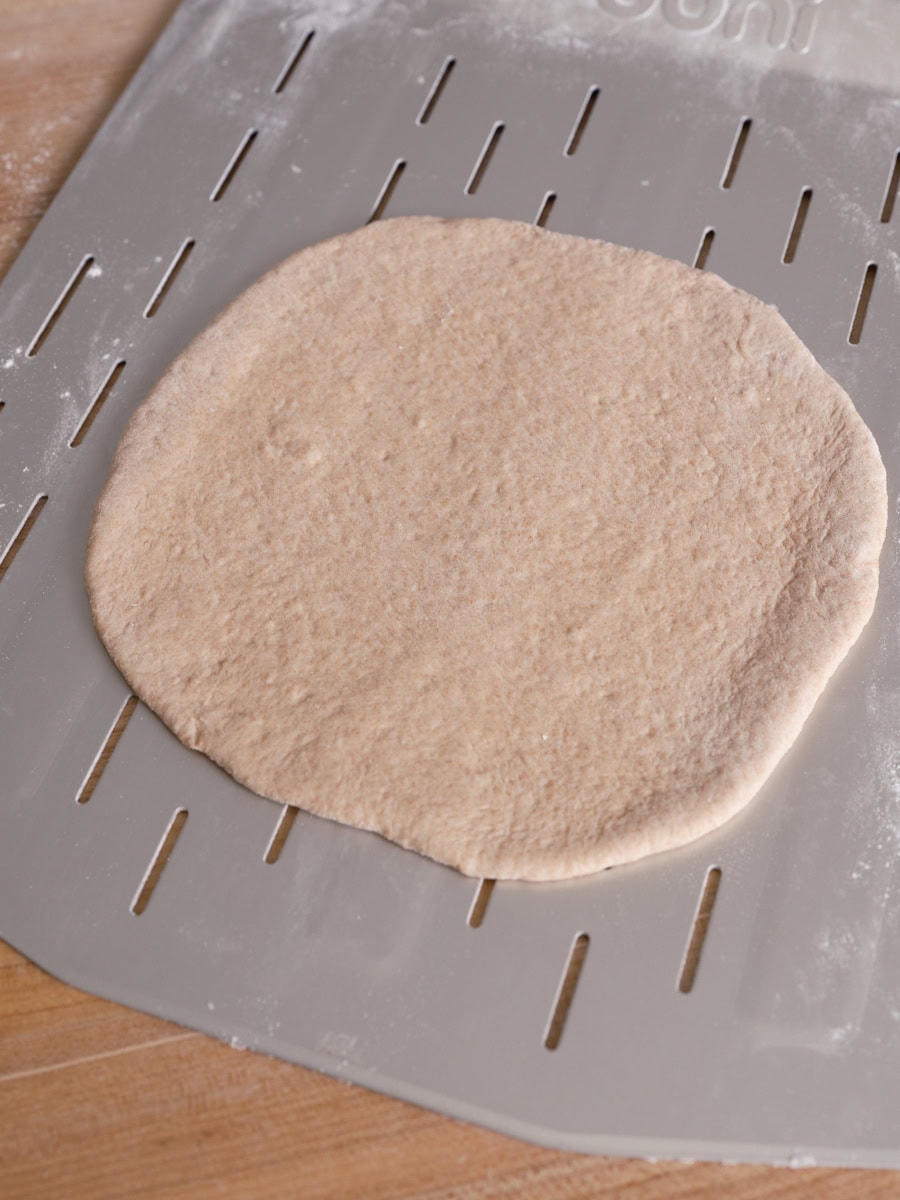
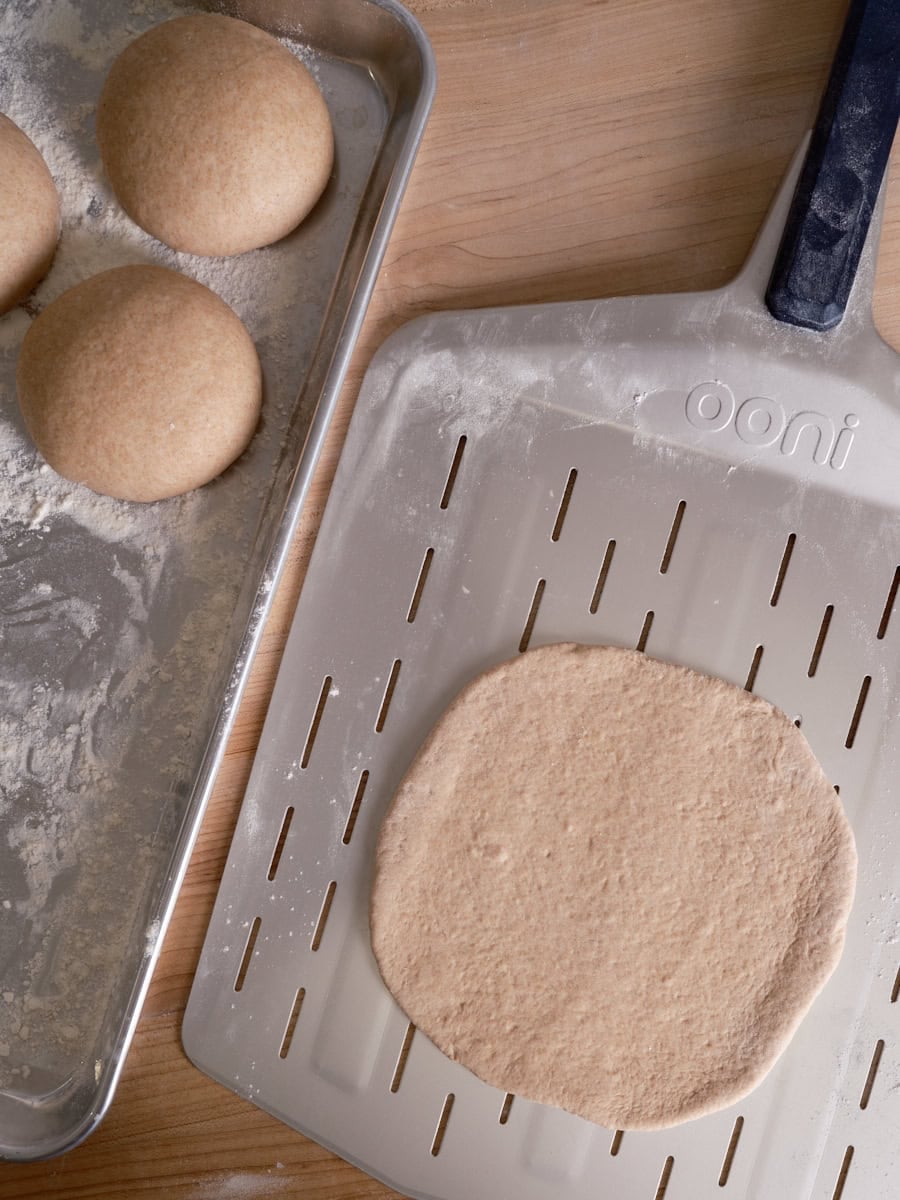
Prepare your baking tools. Gently lift a proofed dough ball, coat it lightly in flour, and transfer it to your work surface. Pat it down to flatten, flip, and pat again. Roll the dough out to a 7-inch diameter and about 1/8-inch thickness, using flour as needed to prevent sticking. Avoid pressing too hard, as this can compress the dough and hinder puffing.
Transfer the rolled-out dough to a floured pizza peel and slide it into the preheated oven. Bake for 1-2 minutes until it puffs. Carefully flip the pita with a fish spatula and bake for another minute. Remove the pita to a towel-lined container and cover to keep them soft. Repeat with the remaining dough.
These whole wheat sourdough pitas will remain fresh for up to a week when stored in a sealed bag at room temperature. Reheat them briefly in a low oven or toaster oven before serving.
Sourdough Pita Bread FAQs: Addressing Common Challenges
- Why won’t my pita puff in the oven? Insufficiently or overly thin rolling, inadequate oven preheating, or a dry dough surface can all prevent puffing. Ensure consistent 1/8-inch thickness and a scorching hot baking surface.
- Why does only half of my pita puff? Uneven rolling is often the culprit, leading to one side puffing while the other remains dense.
- Why is my pita forming big bubbles all over? This can indicate the dough is close to overproofing, leading to large, irregular bubbles rather than a uniform puff. Adjust proofing times accordingly.
Beyond Pita: Exploring Other Sourdough Delights
For those who have mastered the art of sourdough pita and are seeking further culinary adventures, sourdough tortillas offer a delectable alternative for wraps and burritos. This exploration into whole wheat sourdough pita highlights the rewarding intersection of tradition, innovation, and the fundamental goodness of whole grains, a testament to the enduring appeal of artisanal baking.