
The Mediterranean Diet, celebrated for its emphasis on whole, unprocessed foods, offers a flexible and flavorful approach to healthy eating. This dietary pattern, rooted in the traditional eating habits of countries bordering the Mediterranean Sea, prioritizes a bounty of vegetables, fruits, whole grains, legumes, nuts, seeds, fish, herbs, and generous use of extra-virgin olive oil. Far from a restrictive regimen, it is often described as a lifestyle, focusing on nutrient-dense ingredients and a holistic approach to well-being. Its acclaimed health benefits, supported by extensive research, have solidified its position as one of the most recommended eating patterns globally, offering a pathway to improved health and longevity.
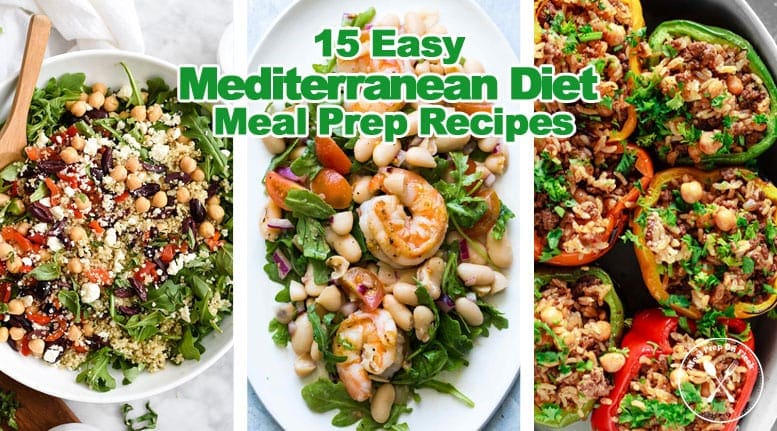
This approach to eating is characterized by its abundance of plant-based meals, the inclusion of heart-healthy monounsaturated fats, particularly from olive oil, and regular consumption of fish and seafood. Poultry, eggs, and dairy are enjoyed in moderation, while red meat and sweets are consumed sparingly. This balanced composition is credited with a wide array of positive health outcomes, including a reduced risk of chronic diseases such as diabetes, high cholesterol, dementia, memory loss, depression, and certain types of cancer. Furthermore, studies have linked adherence to the Mediterranean diet with improved bone density, enhanced cardiovascular health, and an increased lifespan.
The flexibility and inherent simplicity of the Mediterranean Diet make it exceptionally well-suited for meal preparation. Individuals can efficiently prepare key components like grains, roasted vegetables, proteins, and sauces in advance, allowing for effortless assembly of diverse and satisfying meals throughout the week. This proactive approach to nutrition not only saves time but also significantly reduces the likelihood of resorting to less healthy convenience options.
Core Principles of the Mediterranean Diet
The Mediterranean Diet is broadly characterized by its emphasis on several key food groups and dietary habits. According to established health authorities such as the Mayo Clinic, the general framework includes:
- Abundant Fruits and Vegetables: These form the cornerstone of the diet, providing essential vitamins, minerals, fiber, and antioxidants. A wide variety of colors and types are encouraged to ensure a broad spectrum of nutrients.
- Whole Grains: Prioritizing whole grains like quinoa, farro, barley, and brown rice over refined grains offers sustained energy release and a significant fiber intake, crucial for digestive health and blood sugar regulation.
- Legumes and Beans: Lentils, chickpeas, black beans, and other legumes are excellent sources of plant-based protein, fiber, and complex carbohydrates, contributing to satiety and overall nutritional completeness.
- Nuts and Seeds: Almonds, walnuts, pistachios, sunflower seeds, and flaxseeds provide healthy fats, protein, fiber, and micronutrients. They are a valuable addition for snacks or as components in meals.
- Fish and Seafood: Regular consumption of fatty fish like salmon, mackerel, sardines, and tuna is encouraged due to their high omega-3 fatty acid content, which is beneficial for heart and brain health.
- Healthy Fats, Especially Olive Oil: Extra-virgin olive oil is the primary source of added fat, lauded for its monounsaturated fat profile and antioxidant properties. It is used for cooking, dressings, and finishing dishes.
- Herbs and Spices: These are used generously to flavor food, reducing the need for excessive salt and adding a layer of complexity and health benefits.
- Moderate Poultry and Dairy: Chicken, turkey, yogurt, and cheese are consumed in moderate quantities, providing protein and calcium.
- Limited Red Meat and Sweets: Red meat is recommended for occasional consumption, and sugary foods and processed desserts are minimized.
This emphasis on whole, nutrient-dense foods contributes to meals that are not only healthy but also vibrant, satisfying, and easily adaptable for meal preparation. Staples like quinoa, couscous, farro, roasted seasonal vegetables, chickpeas, salmon, chicken, and dressings based on olive oil and yogurt form the building blocks for countless Mediterranean-inspired dishes.
The Critical Role of Olive Oil
Within the Mediterranean Diet, extra-virgin olive oil holds a place of prominence. Its distinctive flavor profile and health-promoting properties make it the quintessential choice for recipes inspired by this eating style. While other neutral oils may be suitable for high-heat cooking, extra-virgin olive oil is the clear and traditional preference for Mediterranean dishes, enhancing both taste and nutritional value. Its use is not merely for flavor; it is a significant contributor to the diet’s cardiovascular benefits due to its rich content of monounsaturated fats and polyphenols, potent antioxidants that combat inflammation and oxidative stress.
Embracing the Mediterranean Diet Through Meal Prep: A Collection of 15 Recipes
The following curated selection of 15 easy Mediterranean Diet meal prep recipes offers practical and delicious ways to integrate this healthful eating pattern into your weekly routine. Each recipe is designed for efficient preparation, allowing for enjoyment of wholesome meals throughout the week.
1. Mediterranean Style Meal Prep Bowls
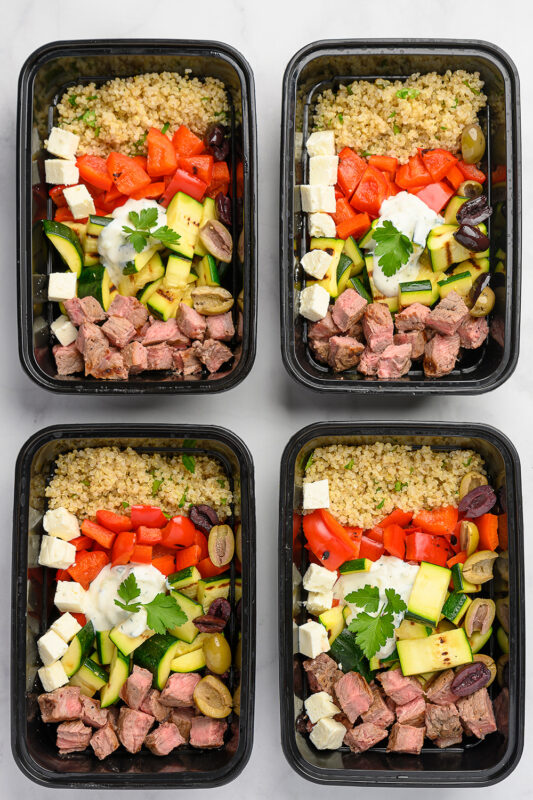
These versatile bowls serve as a fantastic foundation for meal prep. Typically featuring a base of grains like quinoa or farro, they are topped with a medley of roasted vegetables, protein such as grilled chicken or chickpeas, and a zesty lemon-herb dressing. The ability to prepare each component separately and assemble just before eating ensures freshness and variety.
2. Tofu Tikka Masala
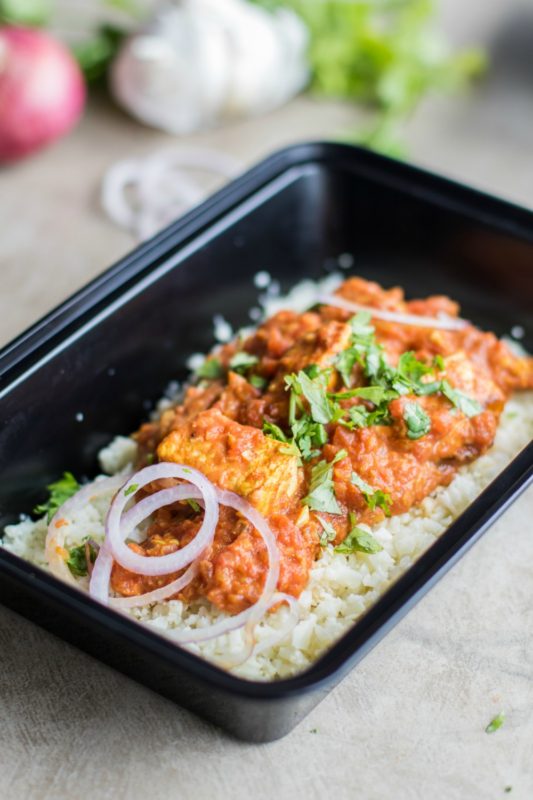
While originating from Indian cuisine, a plant-based adaptation of Tikka Masala can be thoughtfully integrated into a Mediterranean-inspired meal prep plan, particularly when focusing on wholesome ingredients. This recipe often features tofu as the protein source, simmered in a rich, spiced tomato-based sauce. When paired with a side of whole grains and a fresh cucumber-tomato salad, it offers a flavorful and satisfying meal. The key to its Mediterranean compatibility lies in the use of olive oil in the sauce base and a generous inclusion of vegetables.
3. Mediterranean Pasta Bake
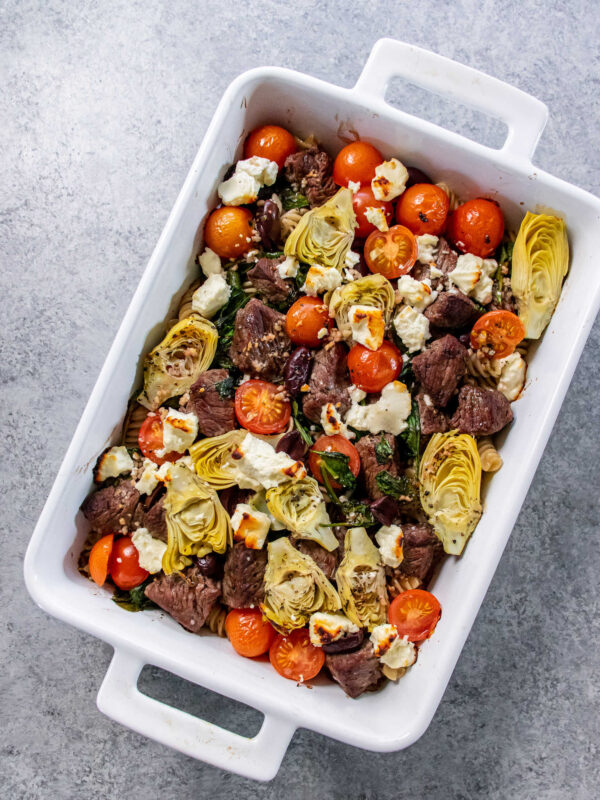
A comforting and convenient option, this pasta bake typically incorporates whole wheat pasta, a variety of vegetables like zucchini, bell peppers, and spinach, and is often bound together with a tomato-based sauce and a sprinkle of feta cheese. Preparing this dish in advance and reheating individual portions makes for a quick and satisfying meal.
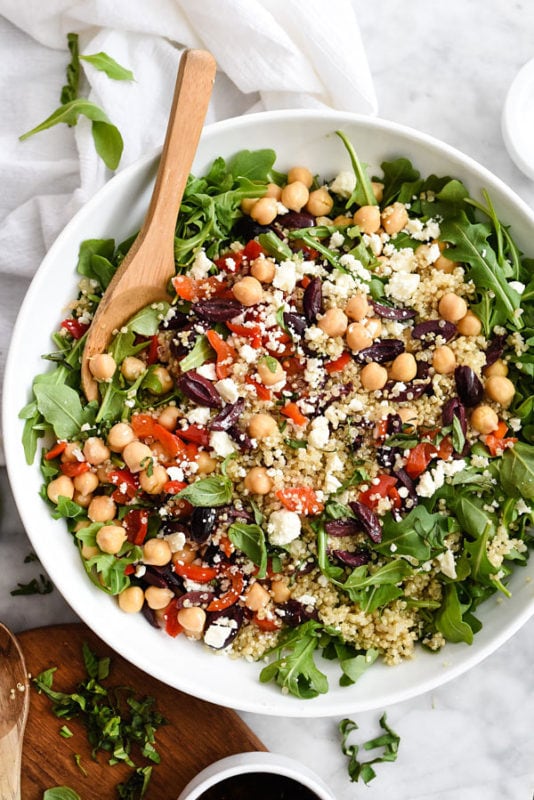
4. Mediterranean Quinoa Salad
A cornerstone of Mediterranean meal prep, this salad is a vibrant combination of protein-rich quinoa, crisp cucumbers, juicy tomatoes, Kalamata olives, red onion, and a generous amount of fresh parsley and mint. A lemon-olive oil vinaigrette ties all the flavors together, making it a refreshing and nutrient-dense choice for lunches.
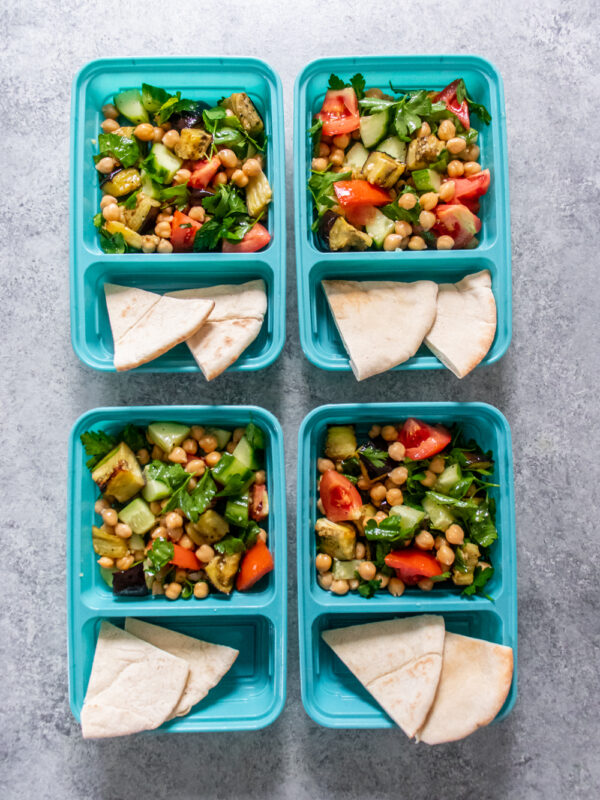
5. Mediterranean Roasted Eggplant Salad
Roasted eggplant, with its tender and smoky texture, forms the heart of this flavorful salad. It is often combined with ingredients like tomatoes, bell peppers, red onion, chickpeas, and a bright lemon-tahini dressing. This salad is best prepared in advance, allowing the flavors to meld beautifully.
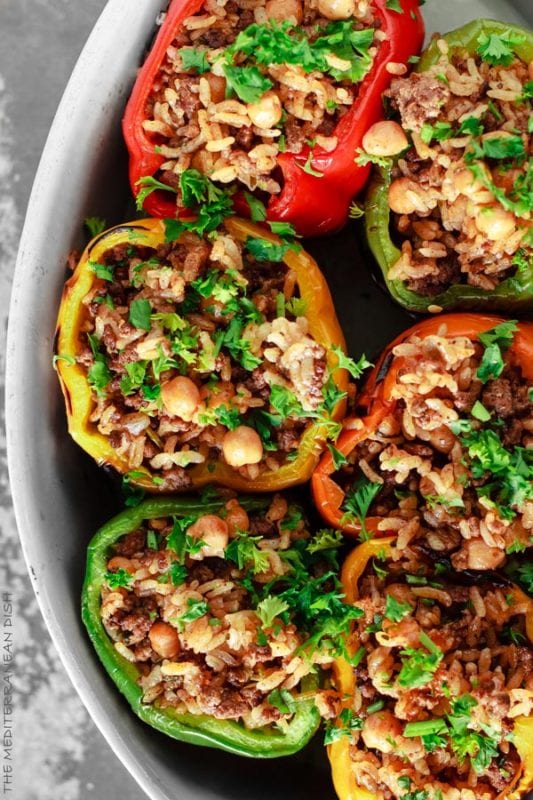
6. Mediterranean Stuffed Bell Peppers
Bell peppers, a nutritional powerhouse themselves, are stuffed with a flavorful mixture of lean ground meat or lentils, whole grains like rice or quinoa, and a medley of Mediterranean herbs and vegetables. Baked until tender, these stuffed peppers are perfect for portioning and reheating.
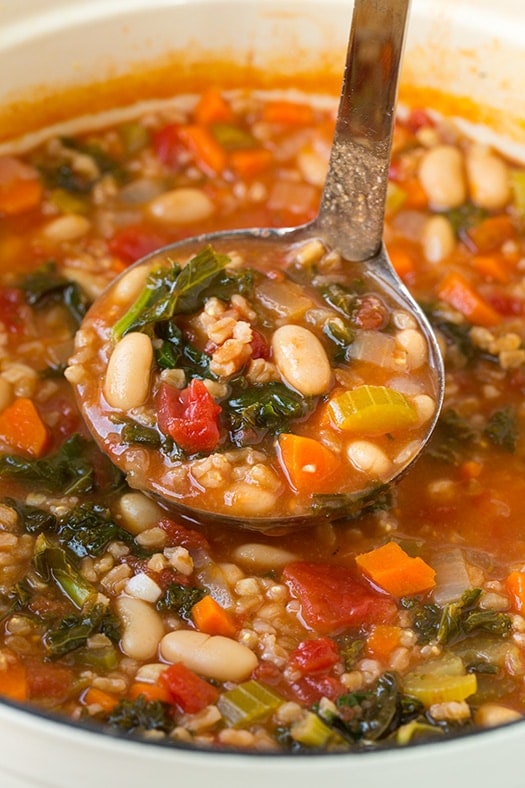
7. Mediterranean Kale, Cannellini & Farro Stew
This hearty and nourishing stew is an ideal meal prep candidate, especially during cooler months. It combines nutrient-dense kale, protein-packed cannellini beans, and chewy farro in a savory broth infused with herbs and vegetables. Stews often improve in flavor when made ahead, making them perfect for batch cooking.
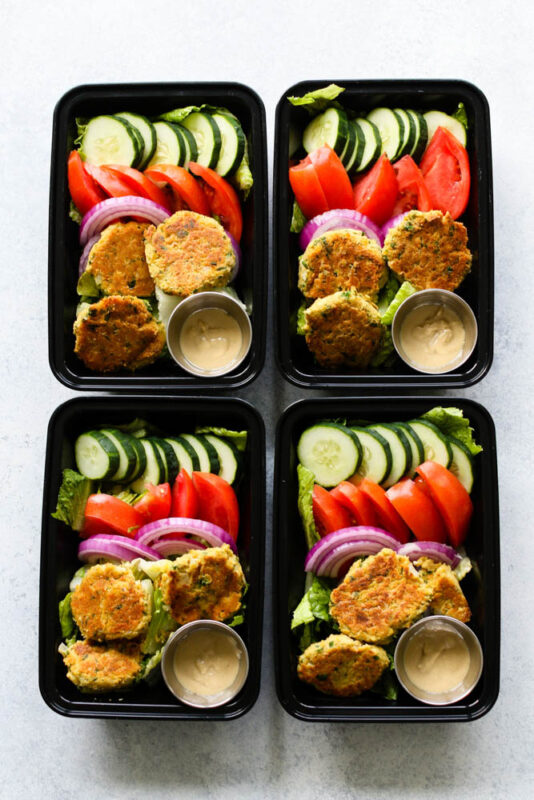
8. Super Easy Falafel Meal Prep
Falafel, a traditional Middle Eastern dish made from ground chickpeas, herbs, and spices, is a fantastic plant-based protein source for meal prep. These savory patties can be prepared in batches and served in bowls with a side of hummus, tahini sauce, and a fresh salad, offering a complete and satisfying meal.
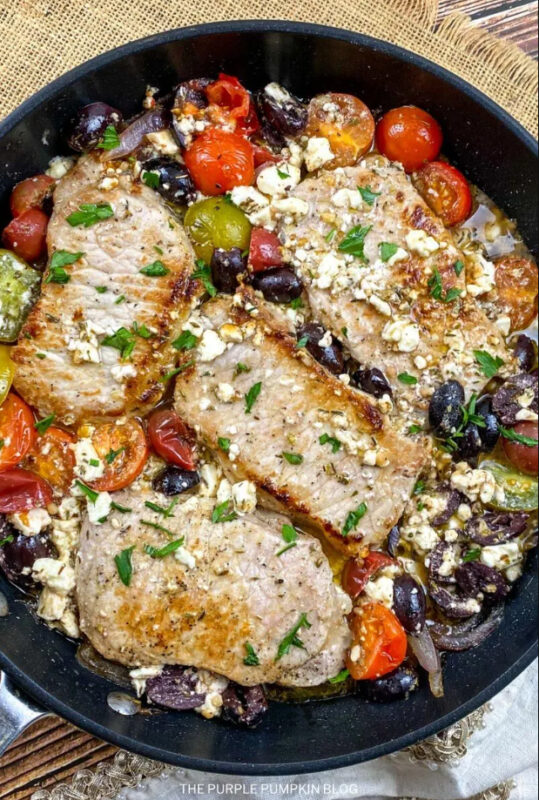
9. Flavorful One-Pan Mediterranean Pork Chops for Busy Weeknights
This recipe exemplifies the ease of Mediterranean cooking. Pork chops are seasoned with Mediterranean herbs and spices and baked on a single sheet pan alongside a colorful array of vegetables like cherry tomatoes, zucchini, and bell peppers. The minimal cleanup and straightforward preparation make it an excellent choice for busy individuals.
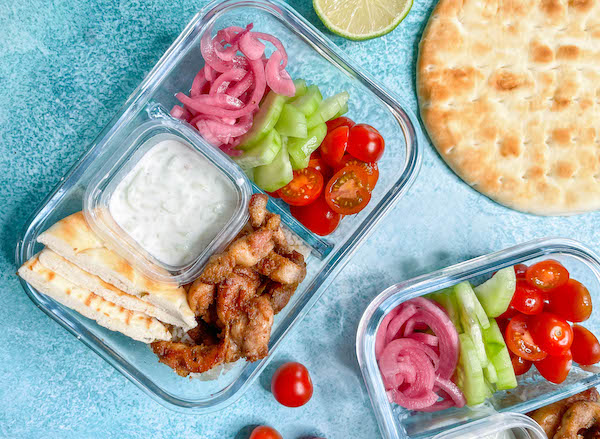
10. Mediterranean Chicken Shawarma Bowl
Inspired by the popular street food, this bowl features marinated and grilled chicken shawarma, typically served over a bed of fluffy couscous or rice. Accompanied by fresh toppings such as chopped tomatoes, cucumbers, onions, and a drizzle of tahini or yogurt sauce, it offers a complete and flavorful meal.
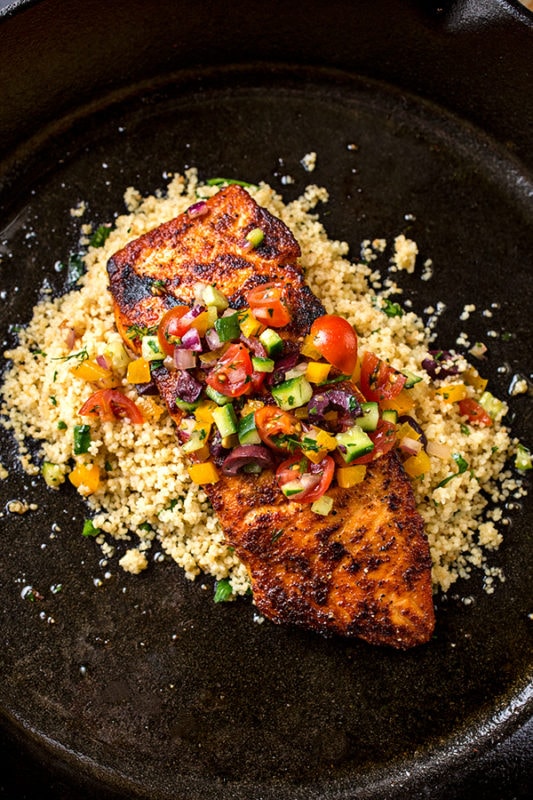
11. Pan-Seared Salmon
Salmon, rich in omega-3 fatty acids, is a star player in the Mediterranean diet. Pan-searing offers a quick and delicious method for cooking this fish. Prepared in advance, it can be a protein component for salads, grain bowls, or enjoyed with a side of roasted vegetables for a healthy and balanced meal.
12. Mediterranean Pork Tenderloin & Couscous in the Slow Cooker
This slow cooker recipe offers unparalleled convenience for meal preparation. Pork tenderloin is slow-cooked with Mediterranean spices, vegetables, and tomatoes, creating a tender and flavorful dish that pairs perfectly with fluffy couscous. The slow cooker does the work, yielding a ready-to-eat meal with minimal effort.
13. One Pan Baked Cod & Veggies
Similar to the pork chop recipe, this one-pan wonder utilizes cod, a lean white fish, baked alongside a medley of vegetables. This method ensures perfectly cooked fish and tender-crisp vegetables with minimal fuss and easy cleanup, making it an ideal choice for weeknight meal prep.
14. Mediterranean Quinoa Bowls with Roasted Red Pepper Sauce
These vibrant quinoa bowls are elevated by a luscious roasted red pepper sauce. The bowls typically include quinoa, a variety of vegetables, and often a protein source like grilled chicken or chickpeas, all brought together by the creamy, smoky sweetness of the roasted red pepper sauce.
15. Sweet Potato Wedges with Tahini
A delicious and nutrient-rich side dish or snack, sweet potato wedges are baked until tender and slightly crisp, then drizzled with a creamy tahini sauce. This recipe offers a healthy carbohydrate source and a satisfying flavor profile that complements many Mediterranean-inspired dishes.
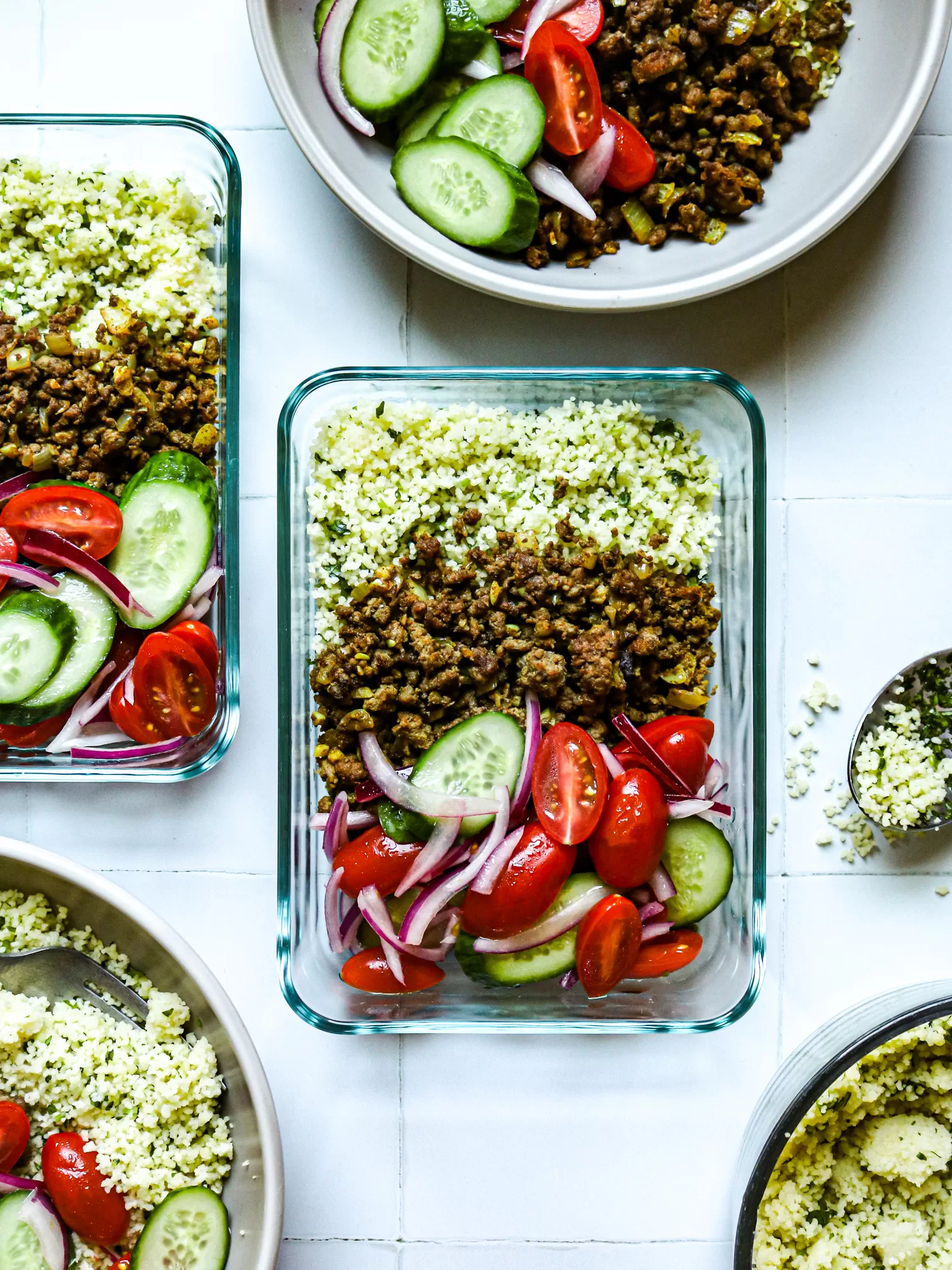
16. Shawarma-Spiced Beef and Couscous
This flavorful dish features tender beef seasoned with aromatic shawarma spices, served alongside fluffy couscous. The combination of savory beef and the light, fluffy couscous makes for a hearty and satisfying meal that holds up well when prepared in advance.
Broader Implications for Health and Lifestyle
The widespread adoption and recommendation of the Mediterranean Diet, particularly through accessible meal prep strategies, signal a significant shift towards prioritizing sustainable and enjoyable healthy eating habits. As public health initiatives increasingly highlight the long-term benefits of dietary patterns over short-term restrictive diets, the Mediterranean approach emerges as a practical and evidence-based solution. The ease with which these meals can be prepared democratizes healthy eating, making it more achievable for individuals with busy schedules and diverse culinary preferences. The focus on whole, plant-forward foods also aligns with growing environmental consciousness, as these diets generally have a lower ecological footprint compared to diets high in red meat. The continued exploration and popularization of recipes like those outlined above are crucial in fostering a culture of wellness that is both effective and enduring.