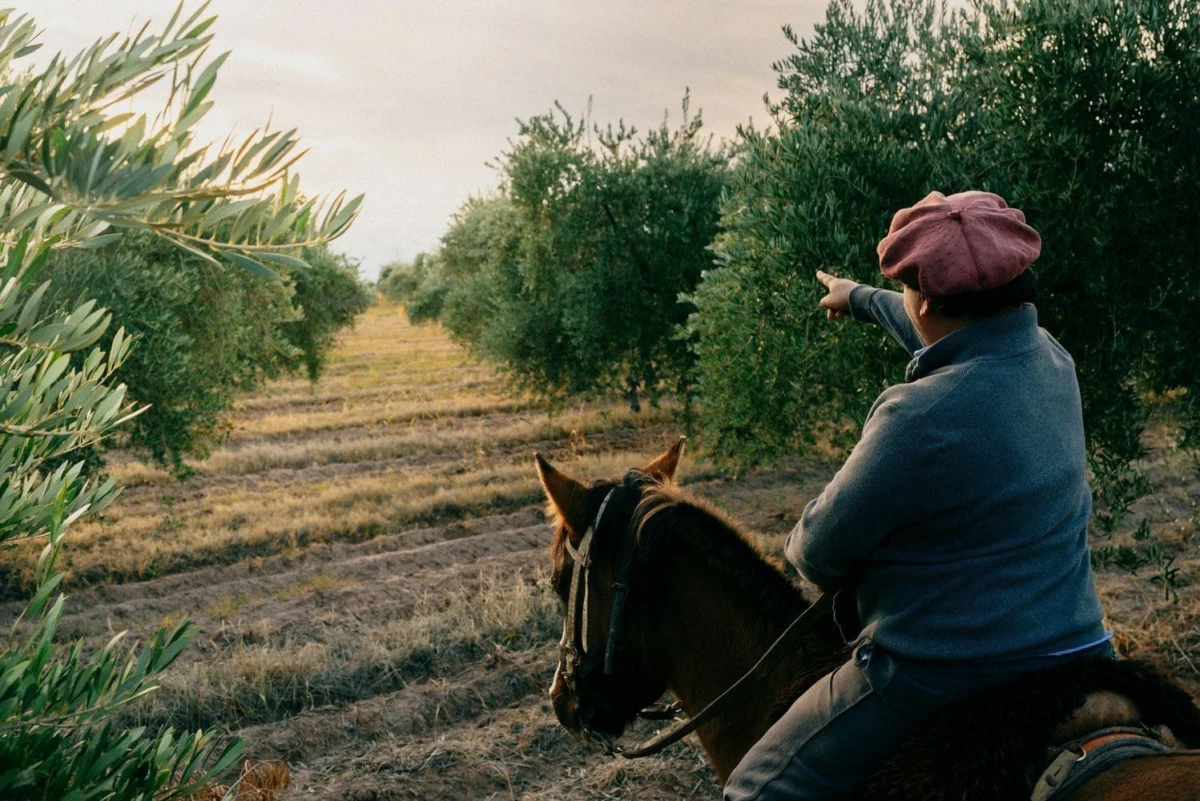

Olive oil, a staple in American kitchens, holds a mystique that often goes unexamined, leaving many consumers uncertain about the true quality and freshness of their chosen bottle. This series embarks on an in-depth exploration behind the labels of supermarket olive oils, aiming to empower consumers to make informed decisions based on more than just aesthetically pleasing packaging. The journey will delve into the nuances of olive oil production, the critical differences between various grades, and the rich tapestry of flavors and traditions woven by olive-growing regions worldwide.
The Crucial Distinction: Extra Virgin Olive Oil vs. Standard Olive Oil
For the discerning home chef, the choice between Extra Virgin Olive Oil (EVOO) and other designations of olive oil is paramount. EVOO represents a superior product, meticulously crafted to preserve the inherent qualities of the olive. Its production involves a process of cold-pressing freshly harvested olives. This mechanical extraction method eschews heat and chemical solvents, thereby safeguarding the natural flavors, delicate aromas, and vital nutritional compounds inherent in the fruit. This preservation is precisely what elevates EVOO to its esteemed status.
The nuanced flavor profile of EVOO is a direct reflection of its provenance. Factors such as the specific olive varietals cultivated, the unique terroir of the growing region – encompassing soil composition, climate, and altitude – and the precise stage of ripeness at which the olives are harvested all contribute to the oil’s distinctive character. This intricate interplay of elements results in a spectrum of tastes, from robust and peppery to mild and fruity, offering a diverse palate for exploration.
In stark contrast, standard or "pure" olive oil undergoes a more industrialized refining process. This refinement, while increasing its smoke point and making it suitable for higher-temperature cooking, strips away a significant portion of the oil’s natural flavor and nutritional value. While it may possess a higher smoke point, a characteristic that allows it to withstand greater heat before burning, the market offers a plethora of alternative oils better suited for frying and sautéing, many of which also boast a more neutral flavor profile that won’t interfere with the intended taste of the dish. For those seeking a healthful oil with a pronounced and complex flavor, EVOO stands as the definitive choice.
The Pursuit of Palate Perfection: Understanding Olive Oil Flavor
Discovering the world’s finest olive oils that resonate with individual palates is an endeavor that requires time, curiosity, and, most importantly, extensive tasting. The most effective path to identifying preferred flavor profiles is through direct experience. As a foundational step, it is beneficial to familiarize oneself with the characteristic flavors emanating from key olive oil-producing regions. This series aims to illuminate these distinctive flavors, explore regional specialties, and delve into the rich culinary traditions that define the world’s premier olive oil-producing nations.
The global olive oil market is a testament to the vast diversity of this ancient product. While Italy often dominates consumer perception in markets like the United States, this perspective represents only a fraction of the comprehensive EVOO landscape. The meticulous branding efforts by distributors have indeed cemented the popularity of Italian olive oil, yet it is crucial to recognize that "Italian olive oil" is a broad categorization, encompassing a remarkable degree of regional variation.
A Geographical Tapestry: Exploring Global Olive Growing Regions
The United States, particularly North America, has become a significant consumer of olive oil, with Italian varieties often taking center stage. However, the notion of "Italian olive oil" as a monolithic entity belies the intricate reality of its production. Within Italy alone, there are eighteen officially recognized geographical regions, each contributing unique characteristics to its olive oil output. Industry professionals emphasize that the specifics of olive oil, from its aroma to its taste, can become remarkably granular when tracing its origin.
To facilitate a digestible and comprehensive exploration, each installment of this series will focus on a single country of origin. This approach allows for a deep dive into the specificities of each region’s olive cultivation and oil production. The decision to focus on country of origin is also practical, given that most olive oil bottles sold in the U.S. clearly indicate their production country, simplifying the consumer’s ability to connect with the oil’s heritage.
Through interviews with leading industry experts from prominent olive-producing nations, this series seeks to unravel the unique attributes that distinguish their olive oils from those of other regions. This journalistic endeavor aims to provide consumers with a deeper appreciation for the provenance of their olive oil, moving beyond superficial labels to understand the rich history, agricultural practices, and distinct flavor profiles that define this globally cherished culinary ingredient.
The Historical Roots of Olive Oil Production
The cultivation of olive trees and the production of olive oil have a history stretching back millennia, deeply intertwined with the development of Mediterranean civilizations. Archaeological evidence suggests that olive trees were first domesticated in the Eastern Mediterranean region, likely in the Fertile Crescent, as early as the Neolithic period, around 8,000 to 6,000 BCE. Early olive oil was not merely a culinary ingredient but also served vital roles in religious rituals, medicinal practices, and as a form of currency and trade.
The ancient Greeks elevated olive cultivation and oil production to an art form, integrating it into their mythology, economy, and daily life. The olive tree was sacred to Athena, the goddess of wisdom and warfare, and its oil was used for anointing athletes, illuminating temples, and as a base for perfumes and cosmetics. The expansion of the Roman Empire further disseminated olive cultivation techniques and the use of olive oil across its vast territories, solidifying its status as a cornerstone of the Mediterranean diet and economy.
By the Middle Ages, olive oil production had become a sophisticated agricultural and industrial practice. Monasteries played a significant role in preserving and advancing olive cultivation techniques during this period. As maritime trade routes expanded, olive oil from regions like Spain, Italy, and Greece became a valuable commodity, reaching markets far beyond its origin. The Age of Exploration and subsequent global trade further broadened the reach of olive oil, introducing it to new continents.
Modern Challenges and Innovations in Olive Oil Production
In the 20th and 21st centuries, the olive oil industry has faced both evolving consumer demands and significant environmental and economic challenges. Climate change, with its unpredictable weather patterns, increased drought, and susceptibility to pests and diseases, poses a growing threat to olive groves worldwide. Fluctuations in global supply and demand, coupled with issues of adulteration and mislabeling, have also created a complex market landscape.
However, these challenges have also spurred innovation. Advances in agricultural technology, including precision irrigation, disease-resistant olive varietals, and improved harvesting techniques, are helping producers adapt to changing conditions. Furthermore, there is a growing emphasis on sustainability, with many producers adopting organic farming practices, investing in water conservation, and reducing their carbon footprint.
The rise of scientific analysis and traceability technologies has also been crucial in combating fraud and ensuring product authenticity. Spectrometric analysis, gas chromatography, and DNA testing are increasingly employed to verify the origin and quality of olive oil, providing consumers with greater assurance. The establishment of international quality standards, such as those set by the International Olive Council (IOC), further contributes to maintaining the integrity of the global olive oil market.
The Economic Significance of Olive Oil
Olive oil is a cornerstone of the agricultural economies of many Mediterranean countries, including Spain, Italy, Greece, Portugal, and Tunisia. These nations collectively account for the vast majority of global olive oil production. The industry provides livelihoods for millions of farmers, processors, distributors, and retailers, contributing significantly to rural development and national GDPs.
Spain, consistently the world’s largest producer, harvests millions of tons of olives annually, with Andalusia being its most prominent olive-growing region. Italy, while often associated with premium olive oil, also faces challenges with domestic production and relies on imports to meet its vast consumption and export demands. Greece, with its ancient olive groves and strong tradition of high-quality production, holds a significant place in the global market, particularly for its premium extra virgin varieties.
The global demand for olive oil has steadily increased over the past few decades, driven by growing awareness of its health benefits and its versatility in culinary applications. This rising demand presents opportunities for producers in established regions and has also encouraged the growth of olive oil production in emerging areas, such as Australia, Chile, and California in the United States, where favorable climates and innovative farming practices are being adopted. The economic impact extends beyond production, influencing sectors such as food tourism, culinary education, and the health and wellness industry.
Analyzing the Implications: Informed Consumerism and the Future of Olive Oil
The detailed examination of olive oil’s quality, flavor profiles, and geographical origins has profound implications for both consumers and the industry. For consumers, this deeper understanding empowers them to move beyond marketing narratives and make choices aligned with their taste preferences and health goals. It fosters a more conscious approach to grocery shopping, encouraging the exploration of lesser-known but equally exceptional olive oils.
From an industry perspective, this focus on transparency and authenticity can serve as a powerful tool against adulteration and deceptive practices. As consumers become more educated, the demand for genuine, high-quality EVOO is likely to increase, incentivizing producers to uphold stringent quality control measures and invest in sustainable practices. This shift can lead to a more equitable and sustainable global olive oil market, benefiting both producers and consumers.
The ongoing exploration of regional specialties and traditions also highlights the cultural heritage embedded within olive oil production. Each bottle tells a story of the land, the people, and generations of agricultural wisdom. By appreciating these nuances, consumers can connect more deeply with their food and the global communities that produce it.
As the series progresses, further insights into specific growing regions, expert interviews, and detailed analyses of flavor characteristics will continue to build a comprehensive picture of the world of olive oil. This journalistic endeavor aims to demystify this essential kitchen ingredient, transforming the act of selecting olive oil from a mere transactional purchase into an informed and enriching experience. The journey into the heart of olive oil production promises to unveil a world of taste, tradition, and agricultural excellence, inviting everyone to savor the true essence of this liquid gold.