
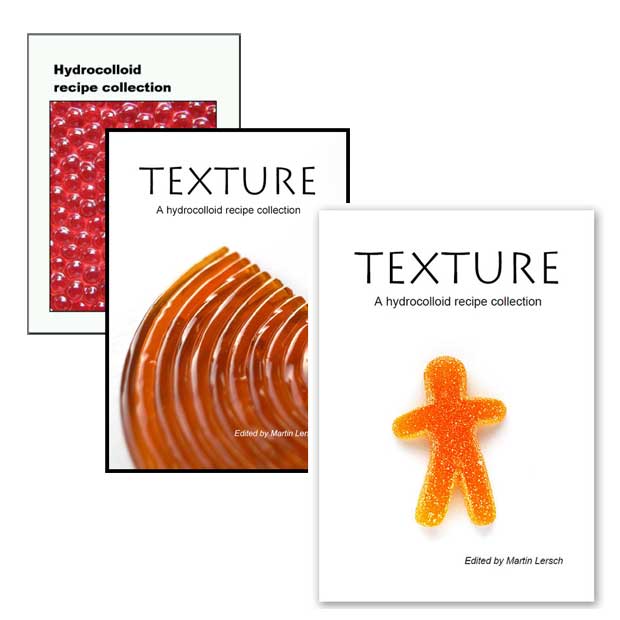
The esteemed culinary resource, "Texture – A hydrocolloid recipe collection," is poised for its latest iteration, version 3.1, marking six years since its last major update. This forthcoming revision, described by its editor as an "incremental revision" focused on "ironing out wrinkles," signifies the ongoing commitment to maintaining the accuracy and comprehensiveness of what has become a foundational text in modernist cuisine. The announcement includes a widespread call for community feedback, recipe submissions, and photographic contributions, underscoring the collaborative ethos that has defined the project since its inception.
The Enduring Legacy of "Texture" in Modern Gastronomy
First launched in 2007, "Texture" rapidly established itself as an indispensable compendium for chefs, food scientists, and culinary enthusiasts exploring the transformative potential of hydrocolloids. These versatile ingredients, ranging from gums and starches to proteins, are crucial for manipulating the texture, stability, and sensory properties of food, enabling innovations in gelling, thickening, emulsifying, and foaming. The project, primarily hosted on Khymos.org, emerged during a pivotal era for molecular gastronomy, a movement that sought to apply scientific principles to culinary practice. "Texture" demystified these complex ingredients, providing practical, tested recipes and a clear understanding of their applications, thus bridging the gap between advanced food science and accessible culinary execution. Its open-source approach and community-driven development have allowed it to evolve organically, reflecting new discoveries and techniques within the global culinary landscape.
A Chronology of Innovation and Engagement
The journey of "Texture" has been marked by a steady progression of updates and an unwavering commitment to community involvement.
- 2007: Version 1.0 Release. The initial publication of "Texture" laid the groundwork, introducing a structured approach to understanding and utilizing hydrocolloids. It immediately resonated with a growing community eager to experiment with new culinary possibilities.
- 2008: Version 2.0 Release. Building on the success of its predecessor, v2.0 expanded the collection, incorporating new recipes and insights gained from early community engagement. This early update solidified the project’s reputation as a dynamic and responsive resource.
- 2010: Call for Photo Submissions. A dedicated blog post detailing instructions for submitting photos was published, indicating an early recognition of the importance of visual documentation for recipe success and community validation. This mechanism, also detailed on page 8 of the "Texture" collection itself, highlighted the project’s commitment to verifiable and user-tested content.
- 2014: Version 3.0 Release. The most substantial update prior to the current announcement, v3.0 further enriched the collection with a wealth of new information, refined existing entries, and reflected the advancements in modernist culinary techniques over the preceding six years. This version served as the benchmark until the current proposed update.
- 2020: Announcement of Version 3.1. Six years after v3.0, the editor signals a forthcoming incremental revision, emphasizing a focus on refinement and addressing existing discrepancies, while also actively seeking broad community input to ensure its continued relevance and accuracy. This update arrives at a time when culinary exploration continues to push boundaries, integrating both traditional and cutting-edge techniques.
The Scope of Version 3.1: Refinement and Expansion
The impending v3.1 update is not merely a maintenance release but a strategic enhancement designed to solidify "Texture"’s position as a definitive guide. While characterized as an "incremental revision," the emphasis on "ironing out wrinkles" suggests a meticulous review of existing content for clarity, accuracy, and practical applicability. The editor’s profound gratitude to individuals who have provided feedback, identified errors, and submitted pictures underscores the vital role of the user community in this continuous improvement cycle. The editor specifically encourages reporting recipes that did not yield successful outcomes, recognizing that negative feedback is as crucial as positive validation for refining instructions and ensuring reliability. The explicit request for photographs is particularly significant; a recipe accompanied by a photo is often perceived as having been successfully tested, lending it greater credibility and encouraging others to attempt it. This visual validation serves as a practical quality control mechanism, benefiting the entire user base.
Bridging Gaps: Underrepresented and Missing Hydrocolloids
A key focus of the v3.1 update is to enhance the coverage of certain hydrocolloids that are currently "underrepresented" or "completely missing" from the collection. This targeted expansion reflects a commitment to comprehensive coverage and an acknowledgement of the evolving landscape of food ingredients.
-
Underrepresented Hydrocolloids: The editor specifically highlights guar gum, gum arabic, konjac, locust bean gum (LBG), and tara gum.
- Guar Gum: A potent thickener and stabilizer derived from guar beans, often used in gluten-free baking for elasticity and in dairy products to prevent ice crystal formation. Its cold-water solubility makes it highly versatile.
- Gum Arabic (Acacia Gum): An excellent emulsifier and stabilizer, particularly useful in beverages, confectioneries, and encapsulating flavors. Its unique properties allow it to create stable oil-in-water emulsions.
- Konjac (Glucomannan): Known for forming extremely firm, heat-stable gels, konjac is widely used in Asian cuisine for noodles and jellies. It’s also recognized for its dietary fiber content and ability to absorb large amounts of water.
- Locust Bean Gum (Carob Gum): Often used in synergy with other hydrocolloids like xanthan gum or carrageenan to produce highly elastic gels or increased viscosity. It provides a creamy texture in dairy products and prevents syneresis.
- Tara Gum: Similar to locust bean gum and guar gum, tara gum acts as a thickener and stabilizer. It has a smoother, less stringy texture than guar gum and is cold-soluble, making it suitable for a variety of applications from sauces to desserts.
The call for recipes featuring these specific hydrocolloids aims to showcase their full range of applications and distinctive properties, enriching the practical knowledge base for users.
-
Missing Hydrocolloids: The project intentionally omits certain proprietary products, such as Ultra-Tex and Pure Cote (both modified starches), and Trisol (a wheat fiber). These exclusions are typically due to their specific formulations, often protected by patents, which make their general application or replication without commercial access difficult or impossible for the average user. However, the editor also acknowledges the possibility of accidental omissions of rare or novel hydrocolloids, opening the door for community suggestions to further broaden the collection’s scope. This careful curation ensures that "Texture" remains a resource for widely accessible and understood ingredients, while also being open to emerging possibilities.
Beyond Hydrocolloids: Natural Gelling Mechanisms
A particularly intriguing aspect of "Texture" is its dedicated category for "non-hydrocolloid recipes." This section explores "gels from regional kitchens" around the world where unique textures are achieved through inherent gelling mechanisms rather than the addition of traditional hydrocolloids. This demonstrates a deep appreciation for the science behind traditional culinary practices.
Examples currently included are:
- Junket and Cuajada: Traditional dairy desserts where milk is gelled using rennet, an enzyme found in the stomachs of young ruminants, or similar coagulants. The enzyme cleaves kappa-casein, causing milk proteins to aggregate and form a soft gel.
- Ginger Milk Custard: A Chinese dessert where ginger juice contains a proteolytic enzyme (zingibain) that denatures and coagulates milk proteins, forming a delicate custard.
- Aiyu Jelly: A Taiwanese dessert made from the seeds of the Aiyu fig, which release pectin-like gelling agents when rubbed in water.
- Grass Jelly (Mesona Chinensis): A popular East Asian dessert made from the stalks and leaves of the Mesona chinensis plant, which contain polysaccharides that form a dark, gelatinous substance when boiled and cooled.
- Gelled Seafood Sauce: Often a result of collagen released from bones and connective tissues during slow cooking, which forms a gel upon cooling.
- Tofu: Formed by coagulating soy milk proteins (primarily glycinin and conglycinin) using coagulants like calcium sulfate or magnesium chloride, leading to a protein gel.
- Hominy: Nixtamalized corn that, when cooked, can develop a viscous or slightly gelled texture due to starch gelatinization and breakdown.
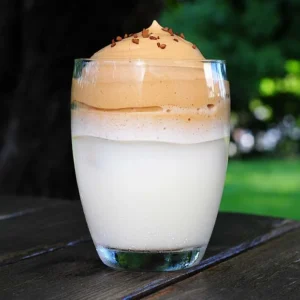
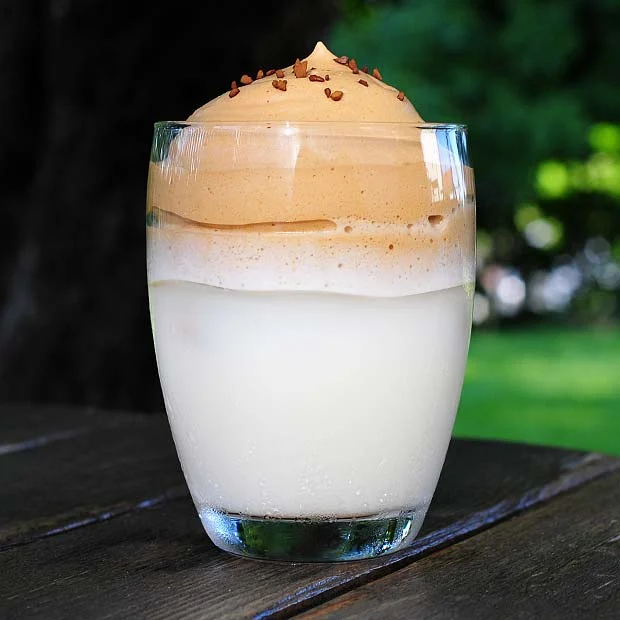
The editor’s call for more examples of such naturally occurring gels or foams from global cuisines aims to celebrate the diversity of traditional food science. A prominent new addition slated for v3.1 is the Dalgona coffee foam, a phenomenon that captivated the internet in early 2020. This foam, created by whipping instant coffee, sugar, and hot water, owes its stable, airy texture to the emulsifying and stabilizing properties of soluble coffee solids and sugar, which trap air and prevent collapse, offering a simple yet elegant demonstration of foam mechanics without conventional hydrocolloids. The inclusion of such a contemporary, viral example alongside ancient culinary traditions further highlights the timeless relevance of understanding food textures.
The Power of Community Collaboration
The enduring success and continued evolution of "Texture" are intrinsically linked to its collaborative model. The editor’s direct appeal for community input—whether through comments on the blog post or direct email—is not merely a formality but a foundational principle. This crowdsourcing of knowledge ensures that the collection remains current, addresses practical challenges faced by users, and reflects the collective wisdom of a diverse culinary community. Feedback on recipes that "didn’t work" is particularly valuable, allowing for troubleshooting and refinement that a single editor might miss. Similarly, user-submitted photographs serve as critical validation, transforming abstract instructions into tangible, achievable results. This participatory approach transforms "Texture" from a static reference work into a living, breathing document that continuously learns and adapts. It empowers users not just as consumers of information but as active contributors to a shared body of culinary knowledge.
Implications for Modern Gastronomy and Food Science
The v3.1 update of "Texture – A hydrocolloid recipe collection" carries significant implications for the broader culinary world and the field of food science. For professional chefs and culinary students, it provides an updated and validated resource for incorporating advanced textural techniques into their creations, fostering innovation and pushing the boundaries of sensory experience. The detailed explanations and practical recipes demystify ingredients that might otherwise seem intimidating, making modernist cuisine more accessible. For home cooks, the collection empowers experimentation, allowing them to replicate complex restaurant-style dishes or invent new ones with confidence.
From a food science perspective, "Texture" serves as an invaluable practical bridge. It translates complex scientific principles of polymer chemistry and rheology into tangible culinary outcomes, offering a real-world application of theoretical knowledge. The expansion into underrepresented hydrocolloids and natural gelling mechanisms also promotes a more holistic understanding of food texture, linking contemporary techniques with traditional wisdom. The ongoing commitment to accuracy, coupled with a responsive feedback mechanism, positions "Texture" as a dynamic educational tool that evolves alongside scientific understanding and culinary trends. Its collaborative nature sets a precedent for how specialized knowledge can be effectively disseminated and continuously improved through community engagement, further democratizing access to high-level culinary science. The anticipation surrounding v3.1 is a testament to the project’s lasting impact and its crucial role in shaping the future of food innovation.