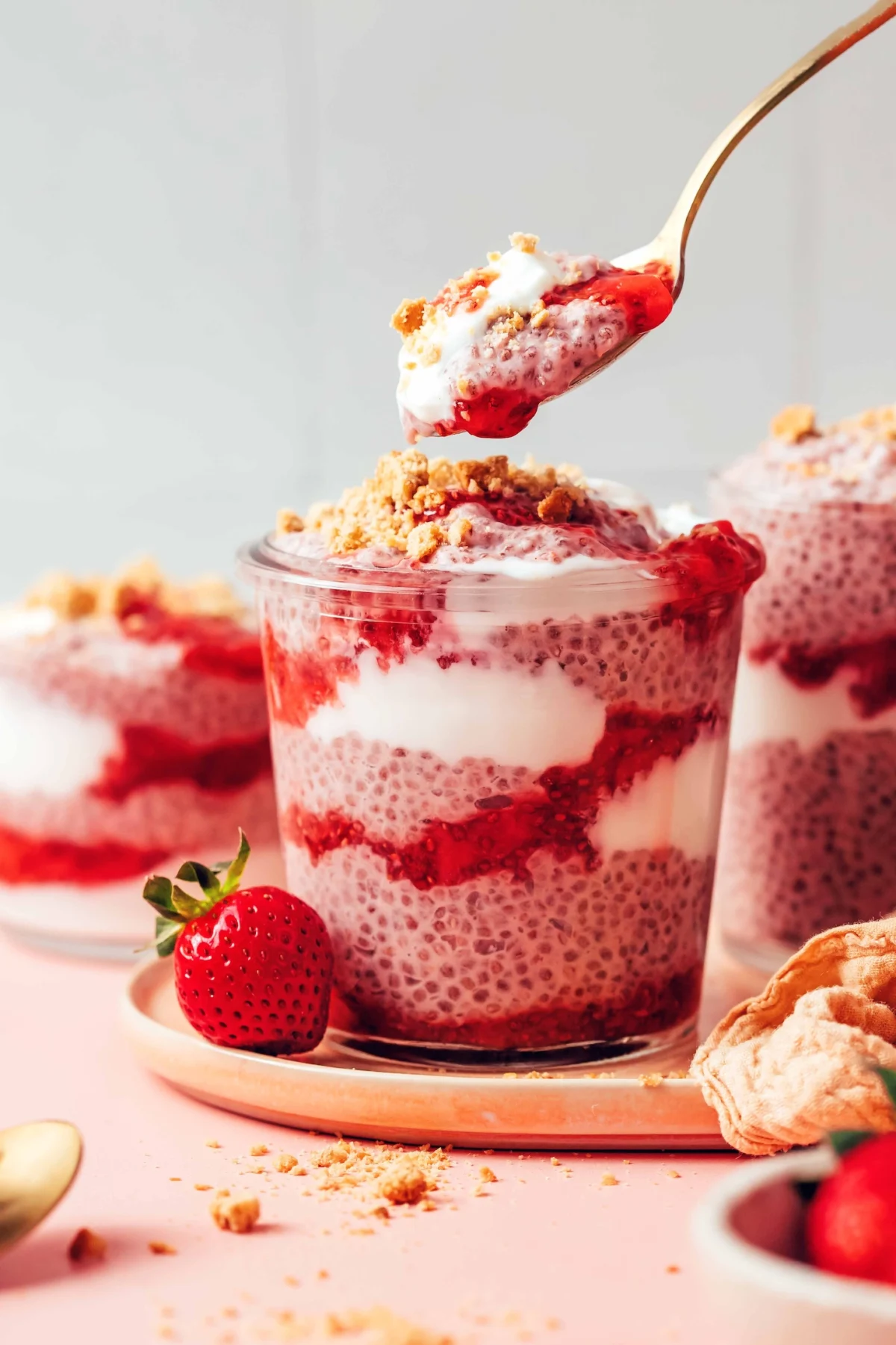

The digital culinary landscape has seen a significant shift toward simplified, nutrient-dense meal solutions, a trend recently underscored by the release of a new five-ingredient formulation for Strawberries & Cream Chia Pudding. This culinary development, emerging from the influential Minimalist Baker platform, represents a strategic intersection between convenience and functional nutrition. By utilizing a foundational base of fresh strawberries, chia seeds, and plant-based fats, the recipe addresses a growing consumer demand for "clean label" breakfasts and snacks that require minimal temporal investment. The preparation requires only five minutes of active labor, positioning it as a high-efficiency option for the modern consumer seeking to balance health objectives with a fast-paced lifestyle.

The Evolution of Functional Breakfasts
The emergence of chia-based dishes as a mainstream dietary staple is not a sudden phenomenon but the result of a decade-long transition in the health and wellness sector. Chia seeds, derived from the Salvia hispanica plant, have moved from a niche health food store item to a ubiquitous ingredient found in global supermarkets. This specific Strawberries & Cream iteration optimizes the hydrophilic properties of the seeds—their ability to absorb up to 12 times their weight in liquid—to create a gelatinous, pudding-like consistency that mimics traditional dairy-based desserts without the associated saturated fats or processed sugars.
Industry analysts note that the simplicity of the recipe—requiring only strawberries, chia seeds, light coconut milk, vanilla extract, and a liquid sweetener—aligns with the "Minimalist" philosophy that has dominated food media. This approach prioritizes accessibility, ensuring that even those with limited culinary training can produce a nutritionally balanced meal. The inclusion of fresh fruit directly into the blending process, rather than as a mere garnish, marks a technical refinement that ensures a consistent flavor profile throughout the dish.

Technical Preparation and Methodology
The process of creating the Strawberries & Cream Chia Pudding follows a specific sequence designed to maximize texture and flavor integration. According to the methodological guidelines provided, the preparation begins with the synthesis of a "strawberry milk" base. This involves the high-speed blending of fresh strawberries with canned light coconut milk and vanilla extract.
Step-by-Step Chronology
- Emulsification of the Liquid Base: The strawberries are combined with the coconut milk. The choice of canned light coconut milk is strategic, providing a medium-chain triglyceride (MCT) profile that contributes to satiety while maintaining a lower caloric density than full-fat alternatives.
- Sweetening Adjustment: A liquid sweetener, such as maple syrup, agave, or stevia, is integrated at this stage. This allows the preparer to calibrate the glycemic load of the dish according to individual dietary requirements.
- Introduction of the Gelling Agent: Chia seeds are added to the strawberry milk. A critical technical note in this process is the recommendation to "pulse" the blender only a few times. This ensures the seeds are evenly distributed without being pulverized, which preserves the structural integrity of the pudding.
- Hydration Phase: The mixture is transferred to glass containers—often chosen for their non-reactive properties and aesthetic clarity—and refrigerated for a minimum of two hours. During this period, the seeds undergo a transformation, developing a mucilaginous coating that thickens the liquid into a cohesive pudding.
Nutritional Data and Health Impact
The nutritional profile of the Strawberries & Cream Chia Pudding provides a compelling case for its classification as a "superfood" snack. Based on a standard 1/2-cup serving size, the dish offers a balanced distribution of macronutrients.

Detailed Nutritional Breakdown (Per Serving)
- Calories: 127 kcal
- Total Fat: 8.6 g
- Saturated Fat: 4.7 g
- Polyunsaturated Fat: 2.6 g
- Monounsaturated Fat: 0.3 g
- Carbohydrates: 11.9 g
- Dietary Fiber: 4.3 g
- Sugars: 4.2 g
- Protein: 2.5 g
- Micronutrients:
- Vitamin C: 20 mg (Significant antioxidant support)
- Calcium: 77 mg
- Iron: 1.8 mg
- Potassium: 155 mg
The high fiber content is particularly noteworthy. At 4.3 grams per serving, this dish provides approximately 15-17% of the Daily Value (DV) for fiber based on a 2,000-calorie diet. Fiber is a critical component for digestive health, blood sugar regulation, and the maintenance of a healthy gut microbiome. Furthermore, the inclusion of 20 mg of Vitamin C per serving assists in iron absorption and supports immune function.
Market Context and Consumer Trends
The release of this recipe comes at a time when the plant-based milk market is projected to continue its upward trajectory. The global plant-based milk market size was valued at USD 20.1 billion in 2023 and is expected to grow at a compound annual growth rate (CAGR) of over 10% through 2030. Recipes that utilize these milk alternatives, such as coconut or almond milk, serve as practical applications of these market goods, driving consumer engagement.

Furthermore, the "meal prep" movement has influenced how these recipes are received. The Strawberries & Cream Chia Pudding is specifically noted for its longevity, remaining stable in refrigeration for four to five days. This durability makes it an ideal candidate for "batch cooking," a strategy employed by consumers to reduce daily decision fatigue and ensure consistent nutrient intake throughout the work week.
Expert Perspectives and Implications
Nutritionists and dietitians have frequently commented on the benefits of incorporating chia seeds into the Western diet, which is traditionally deficient in fiber and Omega-3 fatty acids. "Chia seeds are a powerhouse of alpha-linolenic acid (ALA)," states a leading dietary consultant. "When you combine them with the anthocyanins found in strawberries, you are creating a snack that is not only anti-inflammatory but also highly satisfying due to the combination of healthy fats and fiber."

The culinary community also views the simplicity of this five-ingredient model as a response to "recipe fatigue." In an era of over-complicated social media food trends, the return to basic, high-quality ingredients suggests a maturation of the digital food space. The focus has shifted from visual spectacle to functional utility and replicability.
Broader Impact on Home Cooking
The democratization of health food through digital platforms like Minimalist Baker has significant implications for public health. By providing dairy-free, gluten-free, and vegan options that do not require specialized equipment or expensive additives, these platforms lower the barrier to entry for healthy eating. The Strawberries & Cream Chia Pudding serves as a template that can be modified with various fruits or nuts, encouraging culinary creativity within a structured nutritional framework.

For social gatherings, the recommendation to serve the pudding in clear glass jars with layers of strawberry compote or dairy-free yogurt suggests a move toward "healthier entertaining." This reflects a broader cultural shift where hosts are increasingly mindful of the diverse dietary restrictions and health goals of their guests.
Conclusion and Future Outlook
As the food industry continues to evolve, the emphasis on "dreamy, cloud-like" textures achieved through natural processes—such as the hydration of chia seeds—is likely to increase. The Strawberries & Cream Chia Pudding is more than a simple recipe; it is a manifestation of current dietary science, market trends toward plant-based living, and the logistical needs of the modern consumer.

The success of such formulations relies on their ability to provide a sensory experience that rivals traditional desserts while maintaining a profile that supports long-term wellness. With its high fiber content, essential vitamins, and ease of preparation, this dish stands as a benchmark for the next generation of functional snacks. As we look toward the future of home cooking, the integration of simple, whole-food ingredients into convenient, make-ahead formats will remain a primary driver of consumer behavior and culinary innovation.