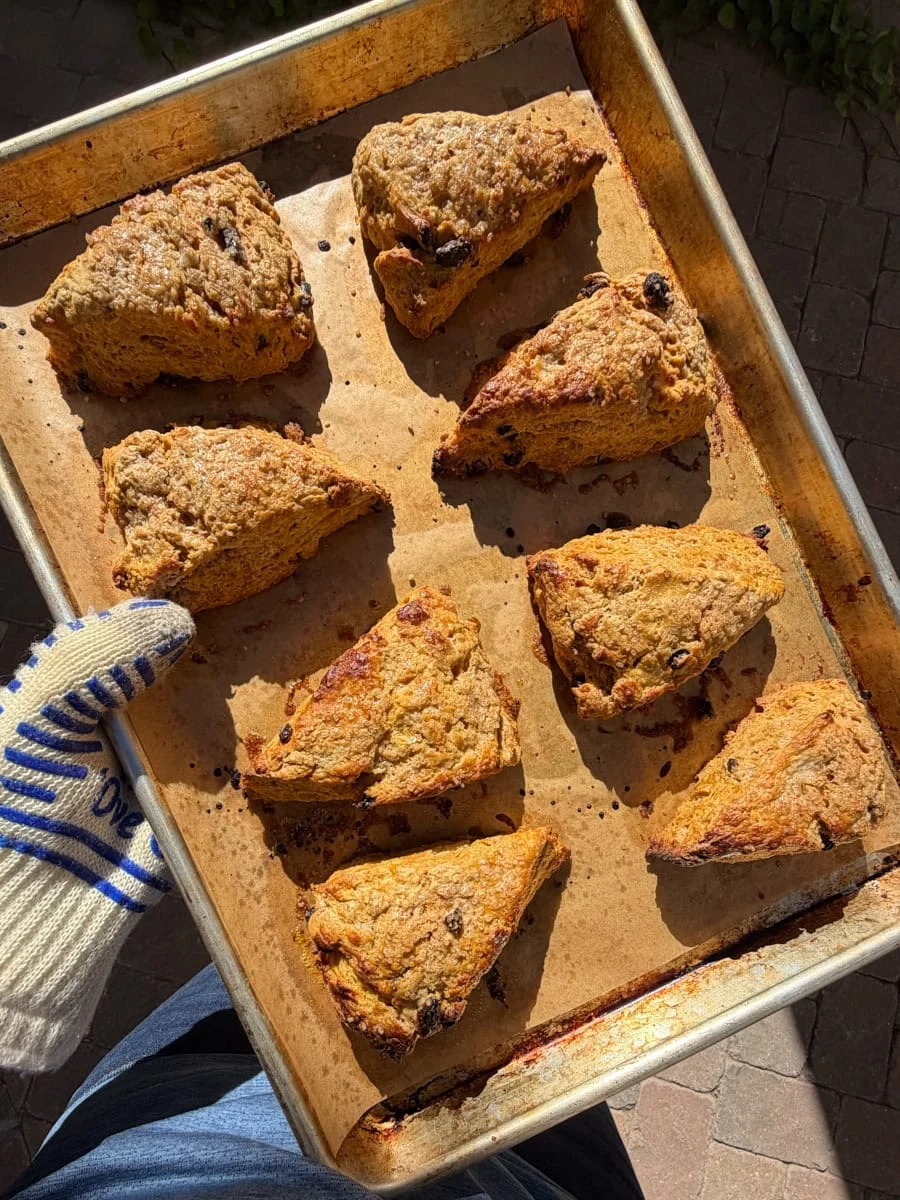

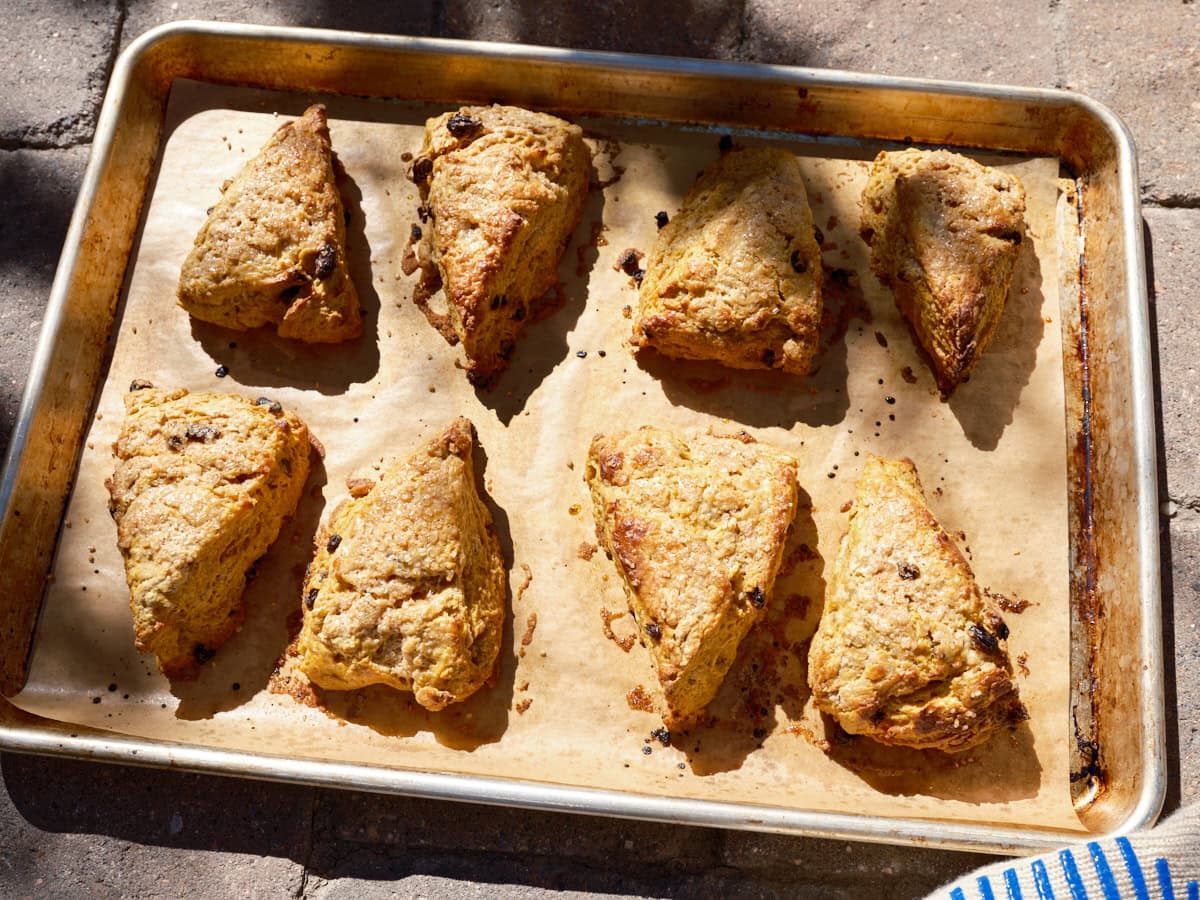
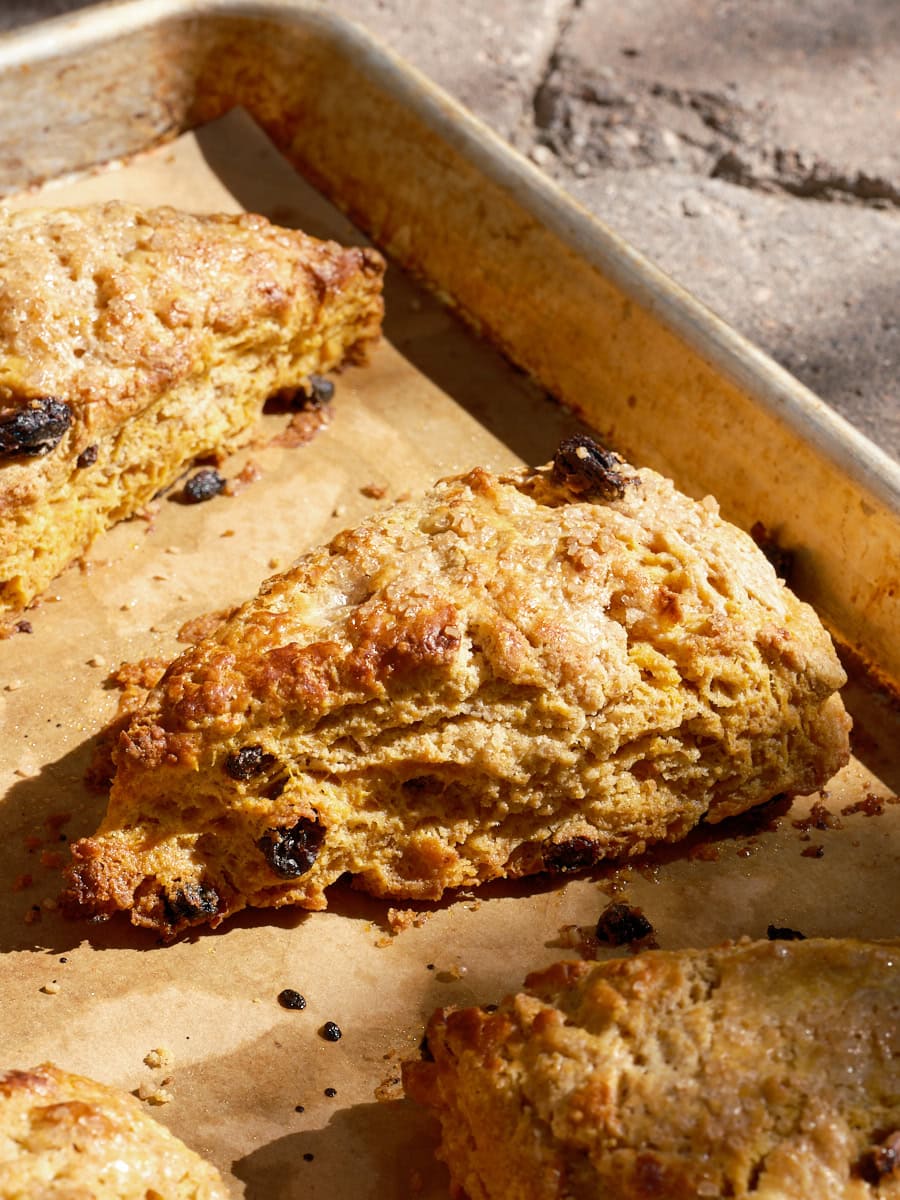
The quest for the perfect scone, a delicate balance between tender interior and a satisfyingly craggy crust, has led many bakers to explore unique ingredients and techniques. In the realm of sourdough baking, this exploration often yields exceptional results, and the sourdough pumpkin scone is no exception. This particular iteration, refined by bakers at high altitudes, offers a unique texture – a soft, yielding crumb encased in a sturdy, flavorful crust. Far from a dry, dense scone, this recipe leans into a more tender profile, prompting discussions about its classification, though its inherent sweetness firmly places it in the scone category for many.
The development of this sourdough pumpkin scone recipe is rooted in addressing common baking challenges, particularly those encountered at higher elevations. As bakers familiar with high-altitude sourdough bread know, subtle adjustments can dramatically alter the outcome. The same principle applies to scones. The pursuit of a "super-tall rise," as opposed to a flatter, more spread-out scone, has been a key focus, resulting in a clean-cut, straight-sided, and impressively elevated baked good. For those residing in regions like the high desert, where atmospheric pressure is lower and humidity can be a factor, these specific techniques become even more crucial for achieving optimal scone architecture.
The Science Behind the Sourdough Scone
At the heart of this recipe lies the intelligent use of sourdough starter discard and the careful selection of complementary ingredients. The inclusion of sourdough starter not only contributes a subtle tang that beautifully complements the sweetness of the pumpkin but also plays a significant role in the dough’s texture. The fermentation process, driven by the wild yeasts and bacteria in the starter, helps to relax the gluten structure. This is particularly beneficial when working with flours that may have a more delicate gluten network, such as einkorn.
The Role of Einkorn Flour
The recipe prominently features einkorn flour, an ancient grain known for its nutty flavor and distinct nutritional profile. Einkorn is an heirloom wheat variety that predates modern hybridization and is often praised for its digestibility and unique taste. Its earthy notes provide a rustic counterpoint to the sweet and spiced pumpkin, creating a more complex and nuanced flavor profile.
However, recognizing that einkorn may not be readily available in every pantry, the recipe offers a practical alternative: any whole wheat flour can be substituted. For those seeking to emulate the specific character of einkorn, heritage wheat varieties such as Red Fife, Butler’s Gold, or Marquis are recommended. These flours often possess a more robust flavor and aroma than standard whole wheat, further enhancing the rustic appeal of the scones. The choice of flour significantly impacts the final crumb and flavor, with whole-grain options consistently contributing a deeper, more wholesome dimension.
Buttermilk: The Key to Tenderness and Flavor
A critical component contributing to the scone’s tender and flaky texture is the use of buttermilk. While buttermilk contains a lower fat content compared to heavy cream, its acidity is its superpower in baking. The low pH of buttermilk interacts with the gluten proteins in the flour, making them more relaxed and extensible. This enhanced extensibility is crucial for achieving a tender crumb, especially when working with whole-grain flours like einkorn, which can sometimes result in a tougher texture if not handled properly.
The acidic nature of buttermilk, combined with the fermented notes from the sourdough starter, creates a harmonious flavor profile. It plays beautifully against the inherent sweetness of the pumpkin and the warming spices typically associated with fall baking. This contrasts with recipes that rely on heavy cream for flakiness. In those instances, the high fat content of the cream coats the flour particles, creating distinct layers that separate during baking as the fat melts. While both methods yield tender scones, the buttermilk approach prioritizes a tender crumb achieved through gluten modification, while the cream-based method emphasizes textural layering through fat distribution.
Achieving the Perfect Rise: Baking Techniques for Tall Scones
Beyond ingredient selection, the baking process itself is paramount in achieving the desired scone height and texture. Two key techniques are highlighted for their efficacy in promoting a tall, well-risen scone: the use of convection baking and strategic temperature management.
The Power of Convection
For bakers aiming for those coveted tall, straight-sided scones, the convection setting on their oven is a valuable ally. The intense, even heat generated by a convection fan circulates air more efficiently within the oven. In the initial stages of baking, this rapid and uniform heat quickly forms a crust on the outer edges of the scones. This "setting" of the dough prevents it from spreading outwards, encouraging the scones to rise upwards. This phenomenon is particularly beneficial for doughs that might otherwise be prone to spreading, ensuring a more aesthetically pleasing and structurally sound scone.
For ovens lacking a convection feature, a practical workaround is suggested: increasing the initial baking temperature by approximately 25°F (about 14°C) for the first few minutes of the bake. This elevated temperature can help to mimic the rapid crust formation achieved with convection, thereby encouraging a similar upward rise. This technique, while not a direct substitute for convection, can offer a significant improvement in scone height for those without the specialized oven setting.
High-Altitude Baking Considerations
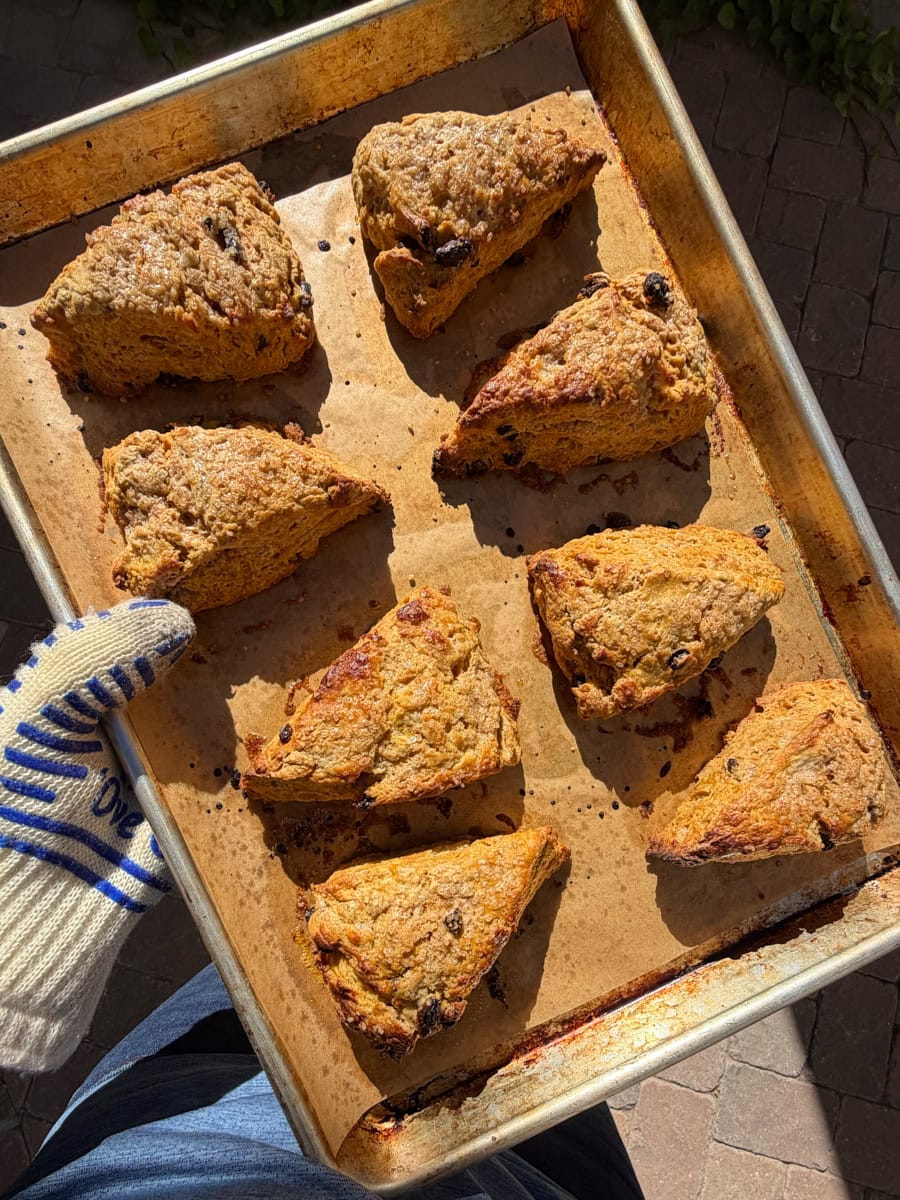
The challenges of high-altitude baking, where lower atmospheric pressure can cause doughs to rise too quickly and spread excessively, are acknowledged. The principles applied to achieving a tall sourdough loaf at high altitude are directly transferable to these scones. The careful management of ingredients, hydration levels, and baking temperatures becomes even more critical. The combination of sourdough’s leavening power, the specific properties of einkorn or whole wheat flour, the acidity of buttermilk, and the targeted heat of convection baking all contribute to a successful outcome, transforming potentially flat, uninspired scones into proud, towering treats.
Ingredient Substitutions and Variations
The versatility of this sourdough pumpkin scone recipe is further enhanced by the flexibility in its ingredient list, allowing bakers to adapt it to their preferences and available pantry items.
Pumpkin Puree Alternatives: For those who find themselves without pumpkin puree, or simply wish to explore other autumnal flavors, the recipe suggests viable substitutes. Sweet potato puree or butternut squash puree can be used interchangeably with pumpkin puree, measured by weight. These root vegetables offer a similar sweetness and moisture content, creating a comparable texture and flavor profile. For a slightly sweeter and perhaps less dense scone, applesauce or mashed banana can also be used, though their higher sugar content may necessitate minor adjustments to other sweeteners if precise sweetness is desired.
Flour Flexibility: As previously noted, the substitution of einkorn flour with any whole wheat flour is a straightforward and effective option. This ensures accessibility for a wider range of bakers.
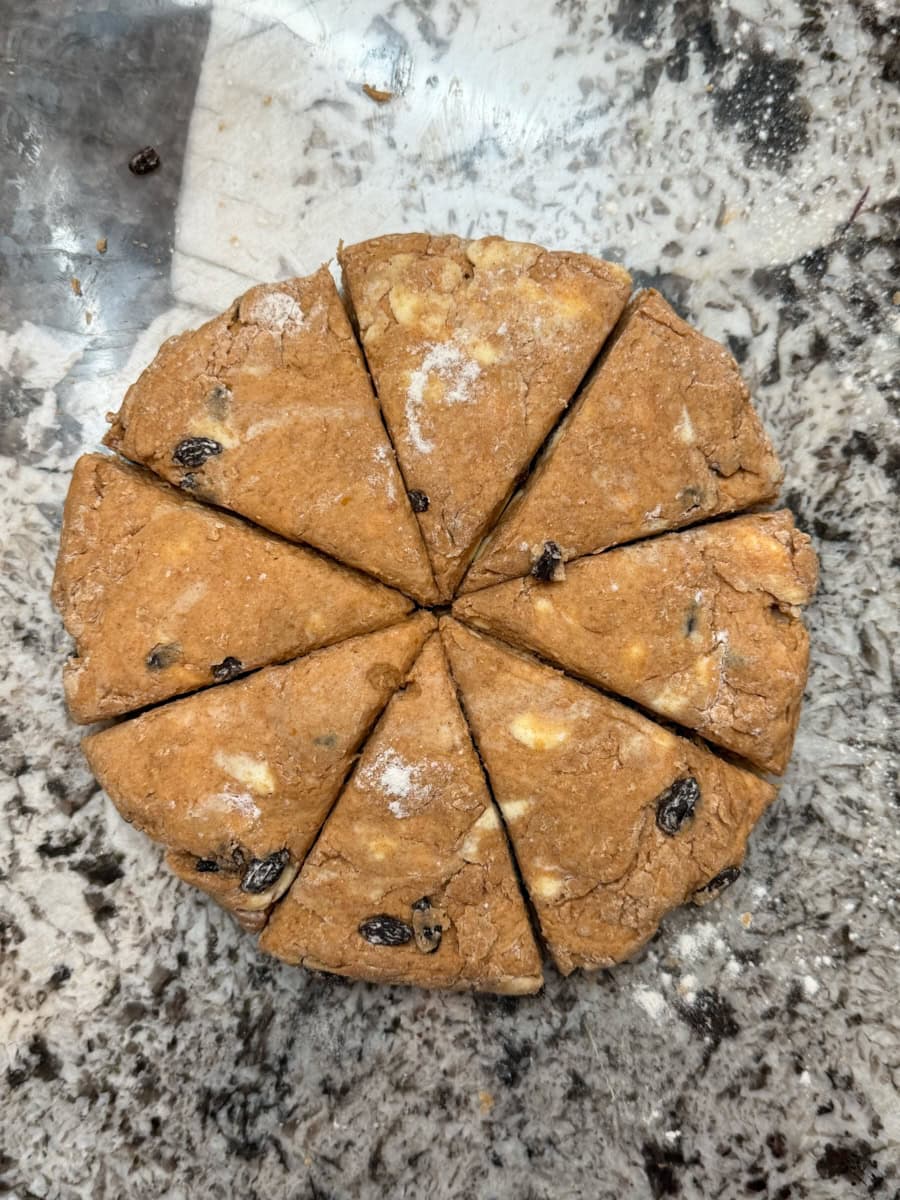
Buttermilk Substitutions: The common question of what to do when buttermilk is not on hand is addressed with practical solutions. A simple homemade buttermilk substitute can be created by adding one teaspoon (approximately 5g) of white vinegar or lemon juice to 70g of whole milk. Allowing this mixture to sit for five minutes will result in a slightly curdled liquid that effectively mimics buttermilk’s acidity. Alternatively, kefir, a fermented milk drink with a similar tangy profile, can be used as a one-to-one replacement for buttermilk.
Add-ins and Flavor Enhancements: For those who find raisins not to their liking, a variety of other dried fruits can be incorporated. Dried cranberries offer a tart counterpoint to the sweetness, while dried currants provide a similar chewiness. For a fresher burst of flavor, fresh or frozen blueberries are also suggested as a delightful alternative. The inclusion of these add-ins can introduce textural contrast and complementary flavors, further personalizing the scone.
Nutritional Context and Broader Implications
While the article does not delve into specific nutritional data, the use of einkorn or whole wheat flour suggests a higher fiber content compared to scones made with refined white flour. Einkorn, in particular, is often noted for its nutrient density. The sourdough fermentation process can also contribute to the bioavailability of certain nutrients.
The broader implication of this recipe lies in its demonstration of how traditional baking techniques, like sourdough fermentation, can be adapted to create contemporary baked goods. It bridges the gap between rustic, artisanal baking and everyday treats, making complex processes more accessible. Furthermore, the emphasis on high-altitude baking highlights the importance of understanding how environmental factors influence baking outcomes, a valuable lesson for a growing number of people living at higher elevations.
The recipe also implicitly encourages a resourceful approach to baking, particularly with the mention of using sourdough starter discard – a byproduct that might otherwise be discarded but here finds a delicious purpose. This aligns with a broader trend towards reducing food waste and utilizing ingredients more efficiently.
Conclusion: A Scone Worth Savoring
The sourdough pumpkin scone, as presented, is more than just a seasonal treat; it’s a testament to thoughtful recipe development and an understanding of baking science. It offers a delightful textural experience – a tender, yielding interior encased in a slightly craggy, flavorful crust. The interplay of tangy sourdough, sweet pumpkin, earthy einkorn, and the subtle acidity of buttermilk creates a complex and satisfying flavor profile. Whether baked at sea level or in the thinner air of high altitudes, these scones promise a rewarding baking experience and a delicious result, embodying the best of both worlds in the ever-evolving landscape of home baking.