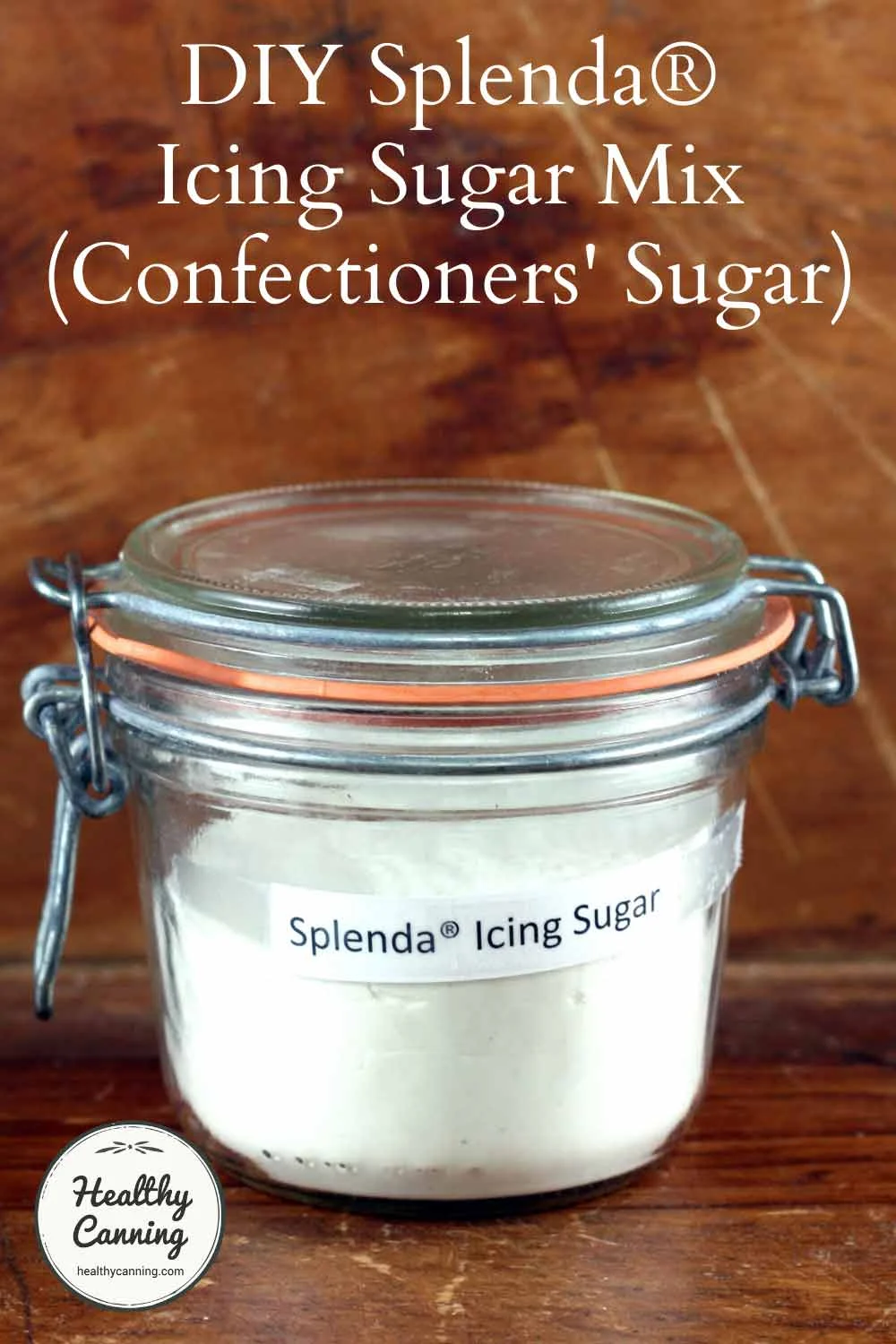

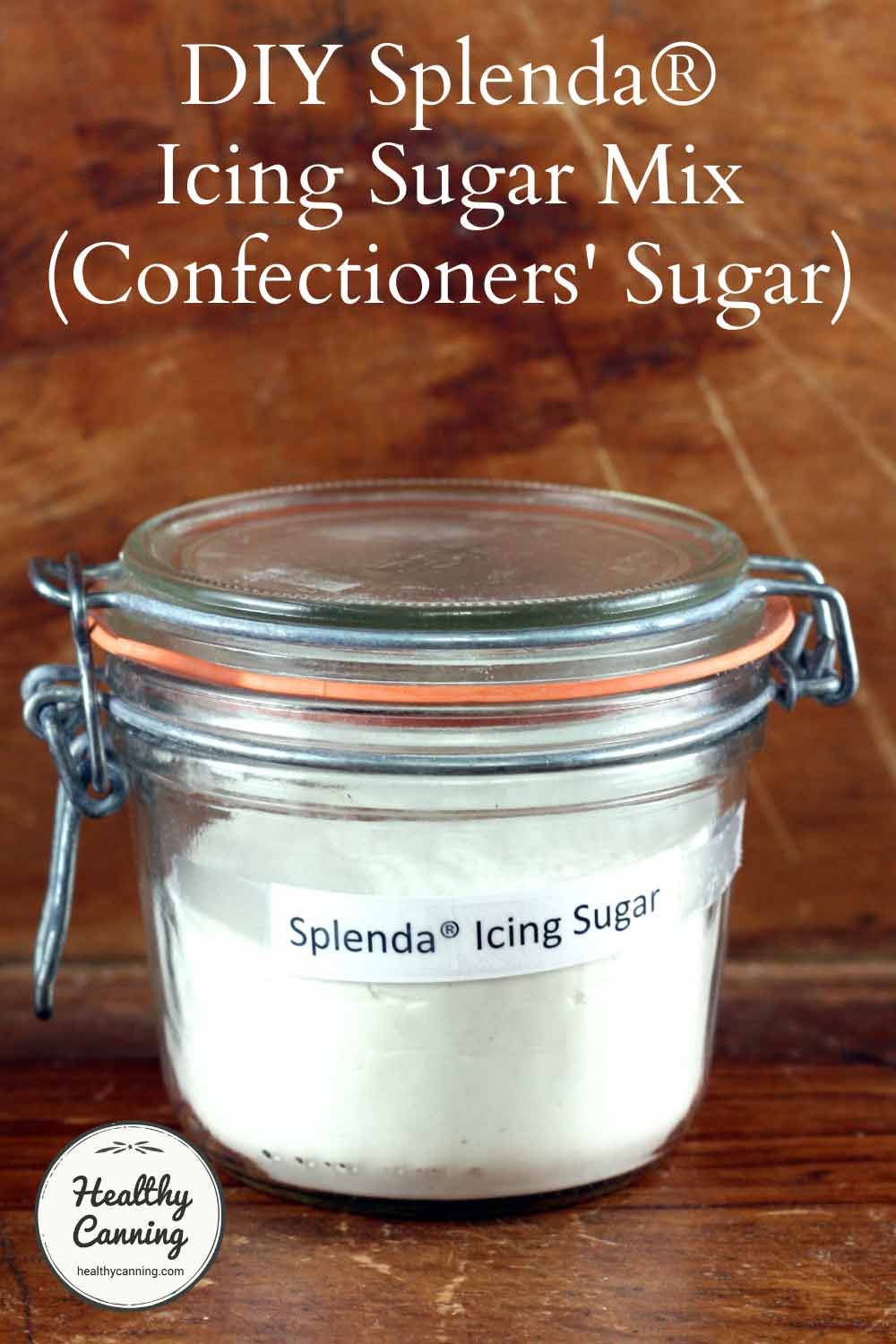
The landscape of modern home baking is undergoing a significant transformation as consumers increasingly seek ways to enjoy traditional desserts without the associated health risks of high sugar consumption. One of the most effective methods for achieving this balance is the creation of a DIY Splenda icing sugar, also known as a sugar-free confectioner’s sugar substitute. This innovative approach allows bakers to produce a powdery, fine-textured sweetener that mimics the properties of traditional icing sugar, making it an essential component for those managing diabetes or adhering to calorie-restricted diets. By utilizing a high-speed blender to process standard sucralose-based sweeteners, home cooks can bypass the high costs and limited availability of commercial sugar-free powdered sugars, effectively democratizing access to healthier dessert options.
The Technical Process of Creating Sucralose-Based Powdered Sugar
Traditional confectioner’s sugar is produced by grinding granulated sugar into a fine powder and usually adding a small percentage of cornstarch to prevent clumping. The DIY Splenda version follows a similar mechanical logic but adapts to the unique physical properties of sucralose. To create this mix, a granular sucralose product—such as brand-name Splenda or a generic equivalent—is placed into a blender and pulsed until it reaches a dust-like consistency.
For optimal results, culinary experts recommend blending the sweetener in small increments, typically between one and two cups (25 to 50 grams) at a time. This prevents the blender blades from overheating and ensures a uniform particle size throughout the batch. The resulting powder is light and airy, yielding approximately two cups of plain icing sugar from a standard 150-gram measurement of granular sweetener. While the process is straightforward, the distinction between this DIY mix and traditional sugar is notable in its application: while it creates an excellent glaze, it lacks the structural density of real sugar required for stiff, high-standing frostings.
Culinary Applications: From Mix to Glaze
The versatility of the DIY Splenda icing sugar mix is most evident when it is converted into a functional icing. The standard preparation involves combining the powdered mix with a fat source—such as margarine or butter—along with vanilla extract and a small amount of liquid, usually water or milk. A key feature of this recipe is its simplicity; unlike traditional buttercreams that may require electric beaters to incorporate air into the sugar crystals, this sugar-free version can be effectively mixed with a simple fork.

The resulting product is primarily a glaze, ideal for drizzling over cakes, cupcakes, brownies, or cookies. For those seeking variety, the mix is highly adaptable. The addition of unsweetened cocoa powder can transform the base into a chocolate icing, while various extracts such as lemon, almond, or butterscotch can alter the flavor profile to suit specific baked goods. This adaptability is crucial for maintaining the "joy of eating" for individuals who might otherwise feel restricted by their dietary requirements.
Historical Context and the Rise of Sucralose
The development of sucralose, the primary ingredient in Splenda, dates back to 1976, when researchers at Queen Elizabeth College in London accidentally discovered the compound while investigating ways to use sucrose as a chemical intermediate. It was found that by replacing three hydroxyl groups on the sugar molecule with chlorine atoms, they created a substance that was 600 times sweeter than sugar but was not metabolized by the body for energy.
After decades of rigorous testing, the U.S. Food and Drug Administration (FDA) approved sucralose for use in 15 food and beverage categories in 1998, eventually granting it "general purpose" sweetener status in 1999. Since then, it has become a staple in the "Healthy Canning" movement and home baking communities. The recipe for DIY Splenda icing sugar represents a modern evolution of these earlier chemical breakthroughs, moving the technology out of industrial laboratories and into the hands of health-conscious home cooks.
Nutritional Analysis and Comparative Health Benefits
The primary motivation for utilizing a DIY Splenda icing sugar is the dramatic reduction in caloric intake and glycemic impact. According to nutritional data, a full batch of icing made with this mix and a low-fat margarine contains approximately 35 calories. In contrast, a similar batch made with traditional butter and cane sugar can easily exceed 400 calories.
From a macronutrient perspective, the DIY mix provides a significant advantage for those with metabolic disorders. Traditional icing sugar has a glycemic index (GI) of approximately 65, causing rapid spikes in blood glucose levels. Sucralose, however, has a GI of zero. This makes the DIY icing sugar mix an invaluable tool for the 422 million people worldwide living with diabetes, as reported by the World Health Organization (WHO). By replacing high-GI sugars with sucralose-based powders, individuals can maintain more stable blood sugar levels while still participating in social celebrations that center around dessert.
The Economic Impact of Homemade Sugar Alternatives
Beyond the health implications, the DIY approach to sugar-free icing sugar addresses a significant economic barrier. Commercial sugar-free "confectioner’s" products are often sold at a premium, sometimes costing three to four times more than their granulated counterparts. By providing a method to convert standard granular sucralose—which is often available in bulk or as a more affordable store brand—into a specialized baking ingredient, this recipe offers a cost-effective solution for families on a budget.
Market analysts have noted a surge in the "DIY pantry" trend, where consumers prefer to make their own mixes rather than purchasing pre-packaged specialty goods. This shift is driven by both a desire for transparency in ingredients and a need for financial sustainability. The ability to double or triple the recipe and store the mix in an airtight container further enhances its value, ensuring that a healthy alternative is always readily available for spontaneous baking.
Expert Perspectives and Consumer Trends
Dietitians and culinary professionals have largely reacted positively to the rise of DIY sweetener modifications. Many emphasize that while "whole foods" are ideal, the psychological benefit of having access to familiar comfort foods like iced cakes cannot be understated. "The goal of dietary management is sustainability," notes one clinical nutritionist. "If a patient can make a 35-calorie icing at home that satisfies their craving, they are far more likely to stick to their long-term health goals than if they were forced to abstain from desserts entirely."
Furthermore, the "Healthy Canning" community, which originally popularized many of these DIY sweetener techniques, highlights the importance of self-reliance. In an era where supply chains can be unpredictable, knowing how to transform a basic pantry staple like granular sucralose into a specialized baking ingredient provides a layer of culinary security for those with specific medical needs.
Broader Implications for Public Health and Food Accessibility
The implications of this DIY mix extend into the broader conversation regarding the global obesity epidemic. With obesity rates nearly tripling since 1975, public health officials are increasingly looking for ways to reduce sugar consumption without alienating consumers. Small, incremental changes—such as substituting traditional icing with a sucralose-based glaze—can contribute to a significant cumulative reduction in a population’s caloric intake.

Moreover, this DIY method promotes food literacy. By understanding the composition of their food and learning how to manipulate textures through blending and mixing, consumers become more engaged with their nutritional health. This empowerment is a key component in the shift toward preventative healthcare, where the kitchen becomes a primary site for managing chronic conditions.
Future Outlook in Alternative Sweetener Technology
As the demand for sugar substitutes continues to grow, the market is expected to see further innovations in how these products are used at home. While sucralose remains a popular choice due to its heat stability and taste profile, other sweeteners like stevia and erythritol are also being adapted into DIY powders. The DIY Splenda icing sugar mix serves as a blueprint for these future developments, proving that with a simple kitchen appliance and a basic understanding of ingredient properties, home cooks can overcome the limitations of traditional baking.
In conclusion, the DIY Splenda icing sugar mix is more than just a recipe; it is a practical response to the dual challenges of health management and economic pressure. By offering a low-calorie, low-glycemic alternative to one of the most sugar-heavy components of baking, this method empowers individuals to take control of their diets without sacrificing the cultural and emotional significance of dessert. As more people adopt these DIY strategies, the gap between "healthy eating" and "enjoyable eating" continues to narrow, fostering a more inclusive and sustainable approach to global nutrition.