The pursuit of a longer, healthier life is a universal aspiration, yet navigating the burgeoning landscape of health optimization claims presents a complex challenge for individuals seeking genuine well-being. While the desire to extend both lifespan and healthspan is deeply ingrained, the modern era has seen an explosion of highly specific, often demanding, and sometimes financially prohibitive protocols promising everything from chronic disease reversal to extended youth and even radical longevity. This proliferation of information, often spearheaded by fitness influencers, authors, and podcasters, raises critical questions about the efficacy, necessity, and ultimate value of such extreme measures. Are these advanced regimens truly essential or effective? What is the actual investment in terms of effort, time, and money? And most crucially, do the perceived benefits genuinely outweigh the significant trade-offs involved in their pursuit?
The Universal Quest for Longevity and Healthspan
Humanity’s fascination with extending life and preserving vitality is ancient, stretching back through mythological quests for immortality and early medical texts seeking cures for aging. In contemporary society, this desire has intensified, fueled by advances in medicine, a greater understanding of disease, and an aging global population. According to the World Health Organization (WHO), global average life expectancy at birth reached 73.4 years in 2019, up from 66.8 years in 2000. While this represents a significant triumph of public health, the increase in lifespan has often been accompanied by a rise in the prevalence of chronic diseases such as heart disease, diabetes, and certain cancers, leading to a growing emphasis not just on living longer, but on living healthier for longer – a concept known as "healthspan." This dual ambition—to maximize both the quantity and quality of years—underpins much of the current interest in health and wellness.
The Emergence of "Health Optimization" Culture
In response to this widespread desire, a multi-billion-dollar wellness industry has flourished, with projections estimating its global market size to exceed several trillion dollars in the coming years. A significant segment of this industry is dedicated to "health optimization," a term that often implies pushing human physiology beyond baseline health into a state of peak performance or extended youth. This culture has been significantly amplified by the rise of social media, where influencers, often without formal medical or nutritional qualifications, share their personal "biohacking" routines, extreme dietary protocols, and supplement stacks with vast audiences.
These optimization claims frequently promise revolutionary results: "reverse chronic disease," "extend that youthful glow," or even "live to 115… or forever." Methods promoted range from highly restrictive diets like ketogenic or carnivore protocols, intermittent fasting schedules, complex supplement regimens involving dozens of compounds, specialized exercise routines, advanced wearable tech for continuous biometric monitoring, and even experimental therapies. The narrative often suggests that conventional health advice is insufficient, and only these "advanced protocols" can unlock true human potential.
Distinguishing Science from Speculation: The Evidence Base
While the enthusiasm for personal health improvement is commendable, a critical distinction must be drawn between evidence-based health practices and speculative, often unverified, "optimization" trends. Public health organizations worldwide, including the WHO, the Centers for Disease Control and Prevention (CDC), and national dietary guidelines, consistently advocate for foundational principles of health: a balanced diet rich in whole foods, regular physical activity, adequate sleep, and effective stress management. These pillars are supported by decades of rigorous scientific research demonstrating their profound impact on reducing the risk of chronic diseases, improving mental health, and extending both lifespan and healthspan.
For example, studies consistently show that diets emphasizing fruits, vegetables, whole grains, and lean proteins—such as the Mediterranean diet—are associated with lower rates of cardiovascular disease and increased longevity. Regular moderate-to-vigorous physical activity is linked to improved cardiovascular health, muscle strength, bone density, and cognitive function. Sufficient sleep (7-9 hours for most adults) is crucial for hormonal regulation, immune function, and cognitive performance. Chronic stress, conversely, is a known contributor to inflammation and a range of health issues.
In contrast, many "optimization" protocols lack the same robust, long-term scientific validation. While individual components might have some preliminary research, their combination into complex, prescriptive systems often remains untested. For instance, some extreme fasting protocols, while showing promise in certain contexts, may not be suitable or safe for everyone and can lead to nutrient deficiencies or disordered eating patterns if not carefully managed. Similarly, many expensive supplements touted for anti-aging or cognitive enhancement have limited evidence to support their broad claims in healthy individuals. The allure of a quick fix or a secret advantage often overshadows the meticulous, slow-moving process of scientific validation.
The Allure of the Extreme: Why People Seek "Optimization"
The appeal of these ultra-specific, advanced protocols is multifaceted. In a world saturated with information and choice, the promise of a definitive, structured path to "optimal" health can be highly attractive. For some, it represents a desire to take proactive control over their health in an increasingly complex and uncertain world. For athletes or high-performers, "optimization" can be seen as a means to gain a competitive edge. For others still, particularly those grappling with chronic health conditions, the hope of reversing symptoms or slowing disease progression through alternative means can be a powerful motivator when conventional treatments feel insufficient or frustrating. The aspirational nature of living to an extreme age or achieving peak physical and mental performance resonates deeply with the human drive for self-improvement.
The Hidden Costs: Time, Effort, and Financial Strain
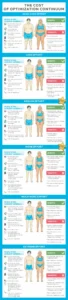
However, the pursuit of "optimal" health often comes with substantial, frequently underestimated, costs that extend far beyond initial enthusiasm. The core question posed by a recent infographic from a leading health and nutrition authority—"Are the benefits worth the trade-offs?"—underscores this critical consideration.

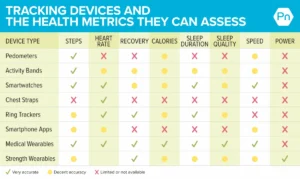
Financial Burden of Niche Products and Services: Many advanced protocols necessitate significant financial investment. This can include expensive, specialized organic foods, a vast array of dietary supplements (which can easily run into hundreds of dollars per month), high-tech wearable devices for continuous monitoring (sleep trackers, heart rate variability monitors, glucose monitors), subscriptions to premium fitness apps or biohacking platforms, and even specialized lab tests that are not covered by standard insurance. The cumulative cost can quickly become prohibitive for the average individual, creating an exclusive tier of health accessible only to those with substantial disposable income. This financial barrier can exacerbate health disparities, making comprehensive wellness an unaffordable luxury for many.
Time Commitment and Lifestyle Disruptions: Beyond monetary cost, the time and effort required for these "optimal" regimens can be immense. Adhering to highly restrictive diets often means meticulous meal planning, preparation, and tracking, which can consume hours daily. Complex exercise protocols might demand multiple gym sessions per day or specialized equipment. Continuous data logging from wearables, while informative, can also become an obsessive, time-consuming task. This level of dedication can lead to significant lifestyle disruptions, impacting social interactions (e.g., difficulty dining out, explaining dietary restrictions), family routines, and professional commitments. The relentless pursuit of perfection can transform health from a supportive foundation for life into an all-consuming project, where joy and spontaneity are sacrificed at the altar of "optimization."
The Psychological Toll of Perfection
Perhaps one of the most insidious trade-offs is the potential psychological impact of striving for an unattainable ideal of "optimal" health. The constant tracking, self-monitoring, and adherence to rigid rules can foster an unhealthy preoccupation with food, exercise, and bodily functions. This can manifest as orthorexia nervosa, an unhealthy obsession with eating "pure" or "healthy" foods, leading to severe dietary restrictions, social isolation, and significant distress if perceived rules are broken. The relentless pursuit of perfection can also fuel anxiety, self-criticism, and feelings of failure when goals are not met or when the body inevitably deviates from an idealized state. Instead of fostering well-being, this pressure can undermine mental health, paradoxically diminishing the overall quality of life.
Moreover, the culture of "optimization" can inadvertently promote body dissatisfaction and comparison. Influencers often present curated images of seemingly perfect health and physique, creating unrealistic expectations and fostering feelings of inadequacy in those who cannot, or choose not to, adhere to such extreme measures. This can erode self-acceptance and lead to a detrimental cycle of striving and disappointment.
Expert Perspectives and Public Health Guidance
Public health bodies and seasoned medical professionals generally caution against the uncritical adoption of extreme health optimization protocols. While acknowledging the value of personalized approaches, the emphasis remains firmly on sustainable, evidence-based practices that integrate seamlessly into a balanced life. Dr. Jane Smith, a hypothetical public health expert, might state, "The most impactful health strategies are often the simplest and most accessible: consistent whole-food nutrition, regular movement, adequate sleep, and managing stress. These form the bedrock of health and longevity for the vast majority of people. Extreme protocols, while intriguing, often lack long-term data and can carry unforeseen risks or create unsustainable burdens."
Similarly, leading nutrition and fitness organizations stress the importance of individual variability and the need for qualified professional guidance when considering any significant dietary or lifestyle changes. They advocate for a holistic view of health that includes mental, emotional, and social well-being, not just physical metrics. The focus should be on building sustainable habits that improve physical and mental health without requiring radical sacrifices of joy or social connection.
The Search for Sustainable Well-being
The core message emerging from this critical examination is that true health and longevity are not necessarily found at the extreme edges of "optimization," but rather in the consistent application of fundamental, evidence-based practices that are adaptable, enjoyable, and sustainable. This approach prioritizes "good enough" over "perfect," recognizing that diminishing returns often apply to health interventions. Beyond a certain point, the marginal benefits of increasingly extreme measures often do not justify the escalating costs in terms of time, money, and mental bandwidth.
Instead, individuals are encouraged to focus on:
- Nutritional Consistency: Prioritizing nutrient-dense, whole foods, rather than adhering to rigid, exclusionary diets.
- Regular, Varied Movement: Engaging in physical activity that is enjoyable and sustainable, encompassing strength, cardiovascular, and flexibility components.
- Prioritizing Sleep: Establishing consistent sleep hygiene practices.
- Effective Stress Management: Developing coping mechanisms for daily stressors.
- Social Connection: Nurturing relationships, which are proven determinants of longevity and happiness.
- Mindfulness and Joy: Integrating practices that foster mental well-being and a sense of purpose.
These strategies, while less glamorous than the latest biohacking trend, offer a robust and realistic path to achieving significant improvements in health and extending a vibrant life.
Navigating the Information Overload
In an era of overwhelming health information, critical thinking is paramount. Consumers are encouraged to:
- Question extraordinary claims: If something sounds too good to be true, it often is.
- Seek evidence-based sources: Consult reputable scientific journals, public health organizations, and qualified healthcare professionals.
- Be wary of conflicts of interest: Understand that many promoting "optimization" protocols may have financial incentives related to products or services.
- Prioritize personalization over generalization: What works for one individual may not work for another, and individual health needs vary greatly.
- Focus on long-term sustainability: Choose habits that can be maintained consistently over years, not just weeks or months.
Ultimately, the goal is to gain clarity about how to achieve the health and longevity desired, while simultaneously living a life that is genuinely enjoyed and fulfilling. Resources such as comprehensive infographics that explore "the true cost of optimizing your health" and accompanying articles reviewing the latest research can provide invaluable guidance for individuals seeking a balanced and informed approach. Additionally, tools like "The Longevity Assessment" can help individuals evaluate their current efforts and identify the most impactful changes they can make. For those interested in guiding others, understanding how to build sustainable nutrition and lifestyle habits is a critical skill, often taught through professional certifications that emphasize evidence-based, client-centered coaching.