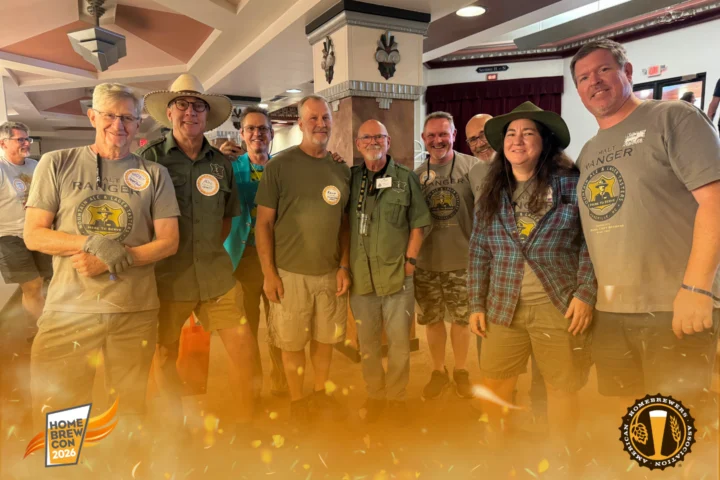

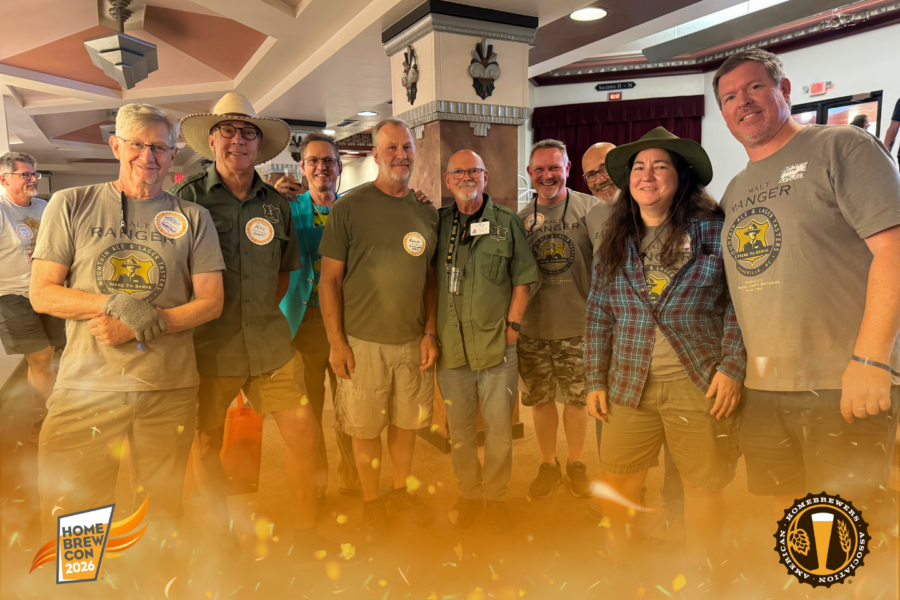
The American Homebrewers Association (AHA) reached a significant milestone on June 20, 2026, as more than 1,000 members convened in Asheville, North Carolina, for the 46th annual Homebrew Con. This gathering served as the primary platform for the association to present an update on its inaugural year operating as an independent nonprofit organization. The conference, which sold out before its conclusion, attracted a total of 1,141 participants, including homebrewers, industry speakers, certified judges, stewards, and volunteers. The high attendance figures and the rapid exhaustion of ticket inventories provided a clear indication of the continued vitality of the homebrewing community in the United States, even as the hobby navigates a shifting landscape of beverage trends and organizational restructuring.
The central theme of the 2026 update was "Building for the Future." This message underscored the association’s commitment to self-governance and strategic refinement following its transition away from its previous organizational framework. One year prior to the Asheville meeting, the AHA began operating as a fully independent entity, establishing its own dedicated board of directors, independent financial structures, and specialized committees. This structural shift was designed to provide the AHA with the autonomy necessary to pursue a mission and vision tailored specifically to the needs of hobbyist brewers, distinct from the commercial interests of the broader craft brewing industry.
The Transition to Independence: A Strategic Pivot
The move toward independence represents one of the most significant shifts in the AHA’s nearly five-decade history. For much of its existence, the AHA operated under the umbrella of the Brewers Association (BA), a trade group representing small and independent American craft brewers. While the two organizations shared a common origin and a passion for fermented beverages, the strategic needs of commercial breweries and hobbyist homebrewers began to diverge as the craft beer market matured.
By establishing itself as an independent nonprofit, the AHA has gained the ability to manage its own resources and prioritize initiatives that directly benefit the individual brewer. According to organizational reports, the first year of independence was characterized by a period of "learning and refining." The new leadership has focused on stabilizing the association’s finances and developing a long-term strategic plan that addresses declining membership trends seen in the early 2020s across various hobbyist sectors.
The new governance model includes a Board of Directors comprised of experienced homebrewers and industry professionals who oversee various committees focused on education, competition, and government affairs. This decentralized approach is intended to ensure that the association remains responsive to the grassroots level of the hobby while maintaining the professional standards required to run a national organization.
Homebrew Con 46: A Statistical Overview and Event Highlights
The success of the 46th Homebrew Con in Asheville serves as a quantitative proof of concept for the newly independent AHA. The event’s 1,141 attendees represented a diverse cross-section of the brewing community, from novice "extract" brewers to advanced "all-grain" practitioners and professional brewers who began their careers in their kitchens or garages.
Asheville, often referred to as "Beer City USA," provided a strategic backdrop for the event. The city’s high density of craft breweries and its deep-rooted beer culture helped drive local engagement and provided numerous venues for the conference’s peripheral events. The "sold out" status of the conference was a notable achievement, particularly following several years of post-pandemic fluctuations in event attendance across the hospitality and hobby sectors.
Key components of the 2026 conference included:
- Educational Seminars: Over 50 sessions covering topics ranging from advanced water chemistry and yeast propagation to the legalities of starting a commercial nano-brewery.
- The National Homebrew Competition (NHC): As the world’s largest international homebrew competition, the NHC remains the crown jewel of the event. The final round of judging took place in Asheville, recognizing excellence across dozens of style categories.
- Social and Networking Events: The "Club Night" remained a highlight, where dozens of homebrew clubs from across the country showcased their unique beers in a festive, collaborative environment.
The demographic data from the event suggested a growing interest among younger brewers and a continuing trend of diversification within the hobby. The AHA reported a 12% increase in first-time attendees compared to the previous year, suggesting that efforts to lower the barrier to entry for the hobby are yielding results.
Historical Context and the Evolution of the AHA
To understand the significance of the 2026 update, it is necessary to look at the timeline of the American Homebrewers Association. Founded in 1978 by Charlie Papazian in Boulder, Colorado, the AHA was instrumental in the legalization and popularization of homebrewing in the United States. Following the passage of H.R. 1337, which federally legalized homebrewing for personal use, the AHA became the primary advocate for the hobby.
Throughout the 1980s and 1990s, the AHA served as the incubator for what would eventually become the craft beer revolution. Many of the founders of America’s most successful craft breweries, including Sierra Nevada and Dogfish Head, were early members of the AHA.
However, as the commercial craft beer industry grew into a multi-billion-dollar sector, the AHA’s role evolved. The organization shifted from purely advocating for the right to brew to providing sophisticated educational resources and a rigorous competition circuit. The 2025 decision to go independent was the culmination of years of discussion regarding how best to serve the hobbyist in an era where high-quality craft beer is readily available at every grocery store, potentially reducing the "necessity" of brewing at home for quality purposes.
Supporting Data: The State of the Homebrewing Industry
While the Asheville conference was a celebration, the AHA’s independent board also addressed the broader economic realities facing the hobby. Data from the most recent Homebrewing Industry Survey indicates that while the total number of homebrewers in the U.S. has stabilized at approximately 1.1 million, the frequency of brewing has shifted.
The market for homebrewing supplies—including malt, hops, and equipment—saw a period of contraction between 2021 and 2024. This was attributed to a "normalization" of hobbies following the COVID-19 pandemic surge and the rising cost of raw materials. However, the 2026 report indicates a resurgence in "high-value" brewing, where enthusiasts are investing more in specialized equipment like electric brewing systems and sophisticated fermentation control units.
The AHA’s independent status allows it to better track and respond to these trends. By decoupling its data from the commercial-focused Brewers Association, the AHA can provide more granular insights into the homebrewing supply chain, which includes hundreds of local homebrew supply shops (LHBS) across the country. These shops remain the lifeblood of the community, and the AHA has introduced new initiatives to support these small businesses through its "Shop Local" grant programs.
Official Responses and Strategic Pillars
During the member update in Asheville, leadership outlined the four strategic pillars that will guide the AHA through 2030:
- Community Engagement: Strengthening the network of over 1,500 local homebrew clubs.
- Educational Excellence: Modernizing the AHA’s digital library, which includes decades of "Zymurgy" magazine archives and validated recipes.
- Legislative Advocacy: Continuing the fight for "Homebrew Rights," including the ability to transport homebrew to competitions and festivals in states where restrictive laws still exist.
- Inclusivity and Growth: Actively recruiting from underrepresented demographics in the brewing community to ensure the hobby’s long-term sustainability.
In a statement following the update, board members emphasized that the first year of independence was about "setting the foundation." They acknowledged that while the separation presented logistical challenges—such as migrating member databases and establishing new insurance protocols—the result is a more agile and focused organization.
"The AHA is now in a position where every dollar of membership dues is reinvested directly into the homebrewing community," the update noted. This transparency in financial reporting was a key demand from the membership during the transition period and has been met with generally positive feedback from the association’s rank and file.
Broader Impact and Industry Implications
The independence of the AHA and the success of the Asheville conference have implications that extend beyond the hobby itself. Homebrewers continue to serve as the unofficial research and development department for the commercial beer industry. Many of the current trends in the market, such as the use of Kveik yeast strains, the development of Cold IPAs, and the resurgence of historical styles like Grodziskie, were popularized in the homebrewing circuit long before they reached commercial taps.
Furthermore, the AHA’s focus on education contributes to a more informed consumer base. A person who understands the complexities of mashing and hop utilization is more likely to appreciate and support high-quality independent craft breweries. Thus, even as an independent entity, the AHA remains a vital partner to the commercial industry.
The "sold out" status of Homebrew Con 46 also signals a robust market for beer-related tourism. The economic impact on Asheville during the week of June 20 was estimated in the millions, as attendees frequented local taprooms, hotels, and restaurants. This underscores the value of the AHA not just as a hobbyist group, but as a significant cultural and economic force.
Looking Ahead: The 47th Homebrew Con and Beyond
As the AHA concludes its first year of independence, the focus shifts to the future. The association has already begun planning for the 47th Homebrew Con, with an emphasis on expanding digital access for members who cannot travel to the physical event. The "Building for the Future" initiative will continue to evolve, with new member-only resources, such as advanced brewing calculators and interactive mentorship programs, slated for release in late 2026.
The message from Asheville was clear: the American Homebrewers Association is no longer an auxiliary branch of a larger trade group, but a self-sustaining, member-driven organization. By reclaiming its independence, the AHA has reaffirmed its commitment to the individual brewer, ensuring that the art and science of fermentation will continue to thrive in kitchens, basements, and garages across the nation for decades to come. The success in Asheville suggests that the homebrewing community is not only alive but is actively shaping its own destiny in a new era of independence.