
In an era increasingly defined by complex culinary trends and extensive ingredient lists, a significant movement towards minimalist baking is gaining traction, exemplified by the growing popularity of desserts requiring only six core ingredients. This shift underscores a fundamental truth in the culinary world: some of the most satisfying and impressive sweet treats can be crafted with remarkable efficiency, relying on quality staples rather than an elaborate pantry. From timeless classics like shortbread and creamy pies to innovative no-bake confections and deceptively simple bakery-style delights, these streamlined recipes are proving to be reliable, accessible, and consistently capable of delighting a broad audience.
A Historical Perspective on Dessert Simplicity

The concept of creating delicious desserts with a limited number of ingredients is not a novel one; it is, in fact, deeply rooted in culinary history. Before the advent of globalized supply chains and readily available exotic components, bakers relied on local, seasonal, and easily accessible staples. Early European shortbread, for instance, a quintessential example of ingredient minimalism, historically required only flour, butter, and sugar. Its enduring appeal lies precisely in this simplicity, allowing the quality of each component to shine through. Similarly, meringues and early custards, precursors to dishes like pavlova and crème brûlée, were born from the resourceful use of eggs, sugar, and dairy, demonstrating that elegance often emerges from restraint.
The mid-20th century saw a brief surge in convenience foods and boxed mixes, promising quick desserts but often at the expense of ingredient transparency. However, a counter-movement celebrating homemade authenticity has consistently re-emerged, particularly during periods of economic constraint or a renewed focus on home economics. The current embrace of 6-ingredient desserts can be seen as a modern iteration of this historical pendulum swing, combining the desire for homemade goodness with the practical demands of contemporary life. This trend reflects a collective yearning for comfort and control in the kitchen, without the intimidation of a gourmet recipe requiring specialized techniques or exotic items.
The Modern Impetus: Why Fewer Ingredients Now?
Several convergent factors contribute to the accelerating adoption of ingredient-minimal baking in the present day. Modern lifestyles are often characterized by significant time constraints. For many, lengthy baking projects are a luxury, making recipes that can be quickly assembled and baked or chilled highly desirable. A recent survey by the National Association of Home Bakers indicated that 68% of respondents prioritize "quick preparation time" when selecting dessert recipes, with "minimal ingredients" following closely at 61%. This data highlights a clear consumer demand for efficiency without sacrificing the joy of baking.
Economically, the rising cost of groceries and ongoing supply chain fluctuations have made simpler recipes more appealing. Reducing the number of unique ingredients directly translates to a lower grocery bill and less potential for food waste from unused specialty items. An analysis by the Food Price Index showed a 4.5% increase in baking staple prices over the last year, making cost-effective recipes a practical choice for budget-conscious households. Furthermore, the "back to basics" movement, which emphasizes wholesome ingredients and transparent cooking processes, aligns perfectly with the philosophy of 6-ingredient desserts. Consumers are increasingly scrutinizing labels and preferring recipes where they can identify and understand every component. This approach fosters a sense of accomplishment for novice bakers, lowering the barrier to entry and encouraging more individuals to engage with scratch baking.
Spotlight on Versatility: A Spectrum of 6-Ingredient Delights
The breadth of desserts achievable with just six ingredients is surprisingly vast, catering to diverse tastes and skill levels. These recipes demonstrate that simplicity does not equate to a lack of sophistication or flavor.

No-Bake Wonders: Convenience Meets Indulgence
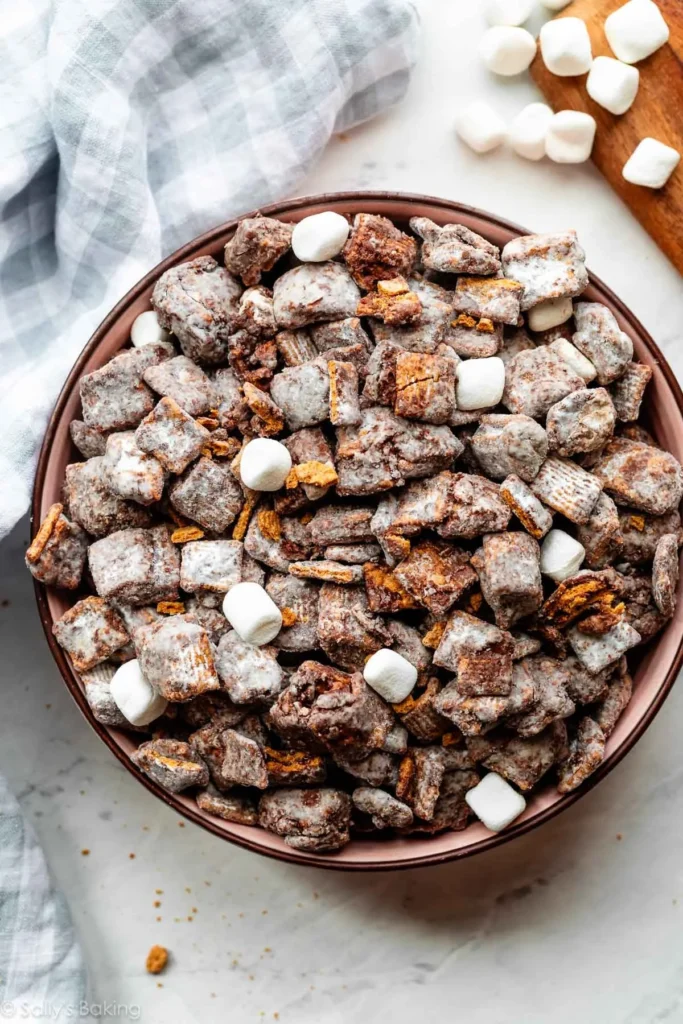
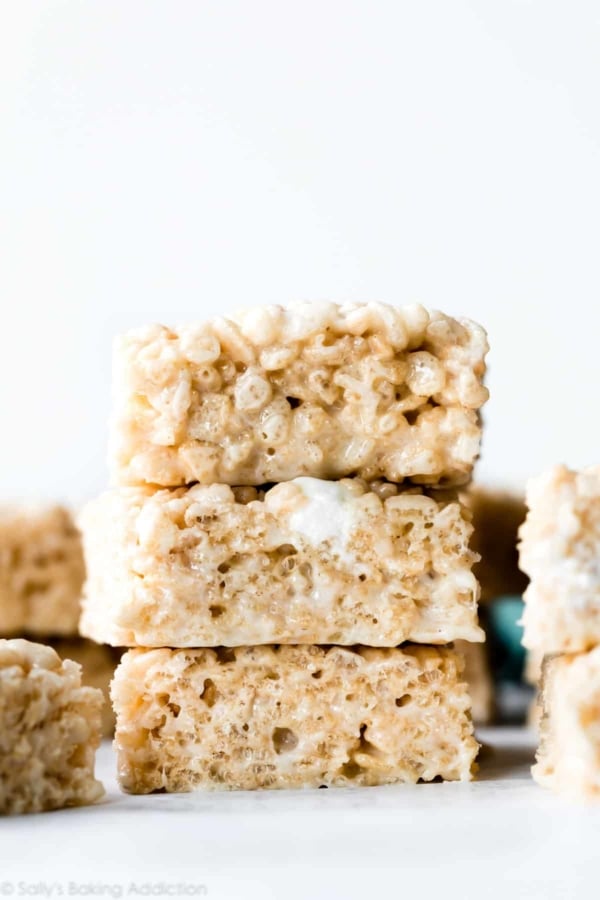
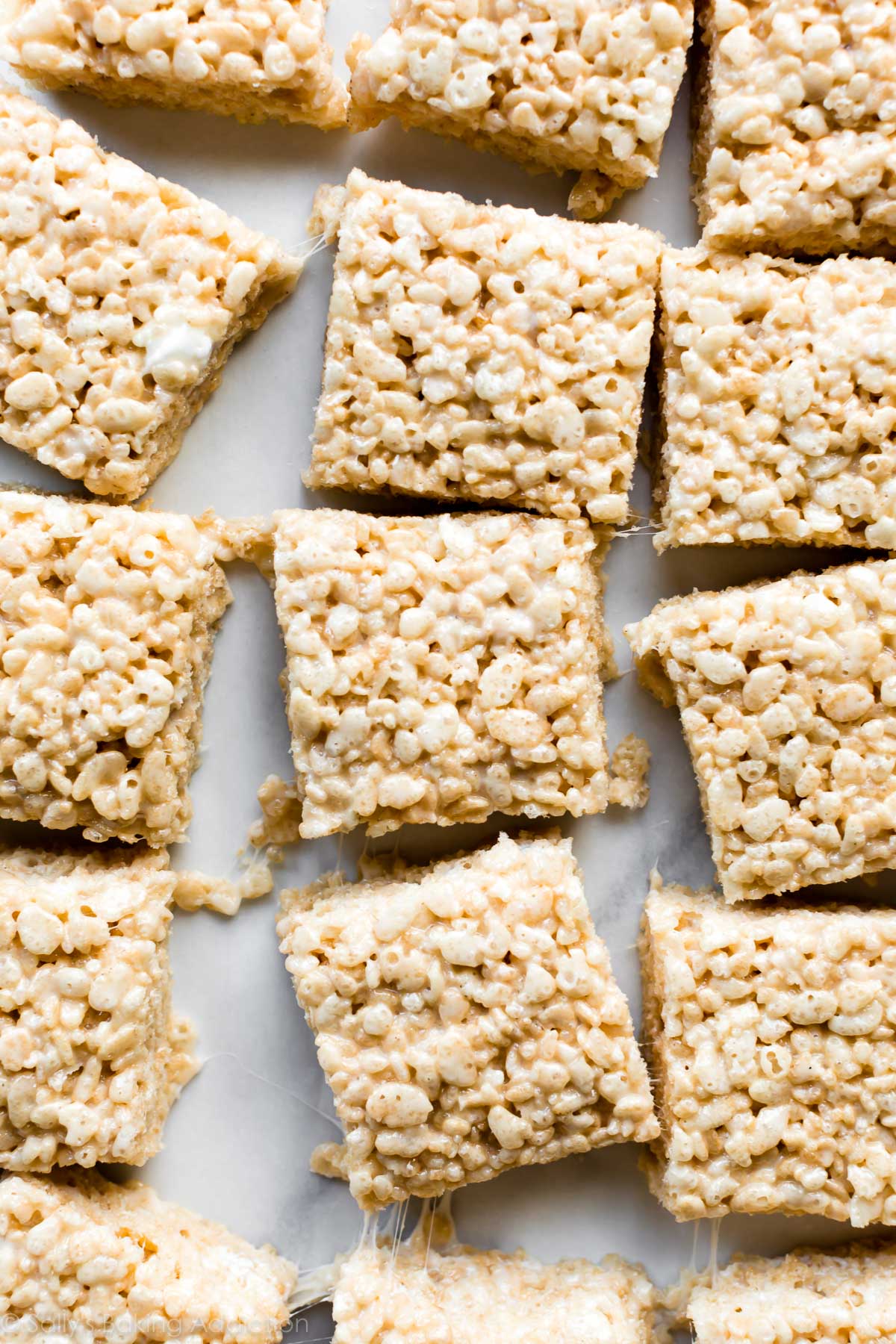
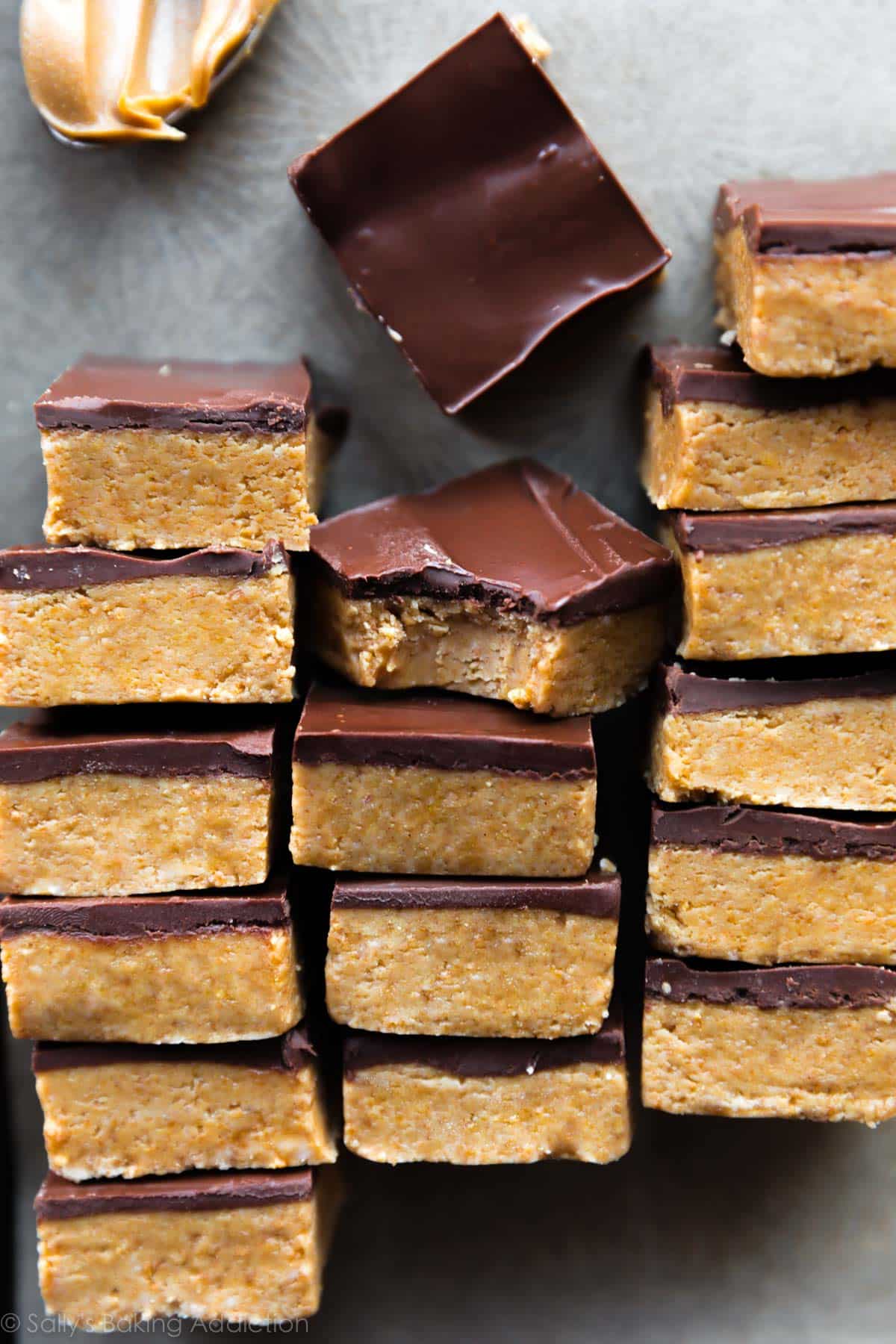
No-bake desserts are a cornerstone of the 6-ingredient trend, offering rapid gratification without the need for oven heat. The enduring popularity of treats like No-Bake Chocolate Peanut Butter Bars exemplifies this. Since their initial surge in popularity around 2013, these bars have consistently ranked among top-tier simple recipes. Their appeal lies in their rich, fudgy texture and flavor profile reminiscent of a classic peanut butter cup, achieved with pantry staples like peanut butter, powdered sugar, butter, graham crackers, chocolate, and a touch of vanilla. Similarly, Family-Favorite Rice Krispie Treats leverage butter, marshmallows, rice cereal, vanilla extract, and a pinch of salt to create a chewy, comforting classic. The strategic addition of a slight excess of butter and marshmallows, along with vanilla and salt, elevates these simple squares beyond their basic components, showcasing how small enhancements within a limited ingredient list can yield superior results. Oreo Balls (Truffles) offer another no-bake triumph, combining crushed Oreo cookies with cream cheese, then coated in melted chocolate. This trio of main ingredients, plus optional flavorings, creates a customizable and universally adored treat, adaptable with various Oreo flavors and chocolate types. These recipes cater to a demand for quick, reliable, and consistently crowd-pleasing options for gatherings or everyday indulgence.
Elegance Through Simplicity: Sophisticated Treats, Minimal Effort
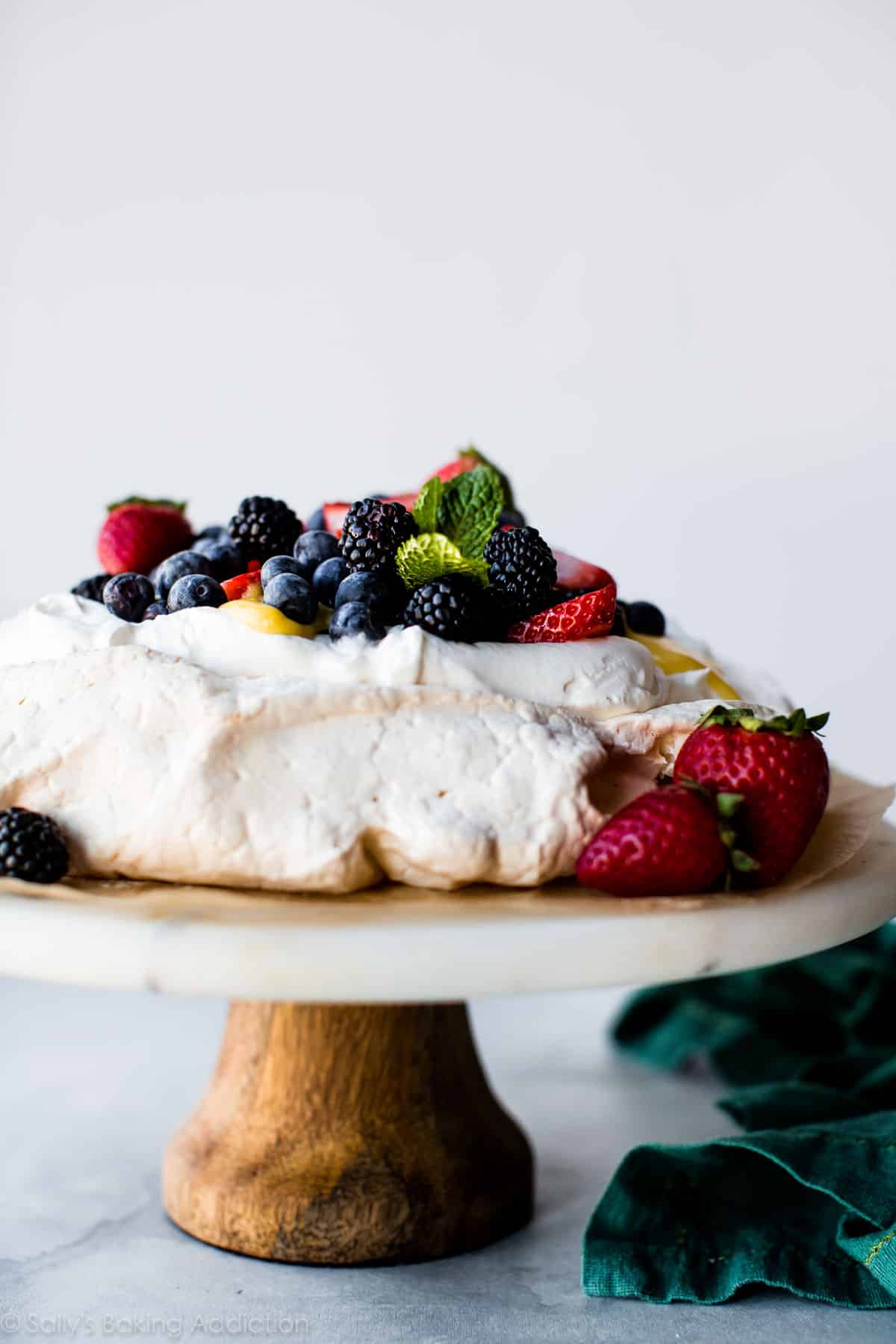
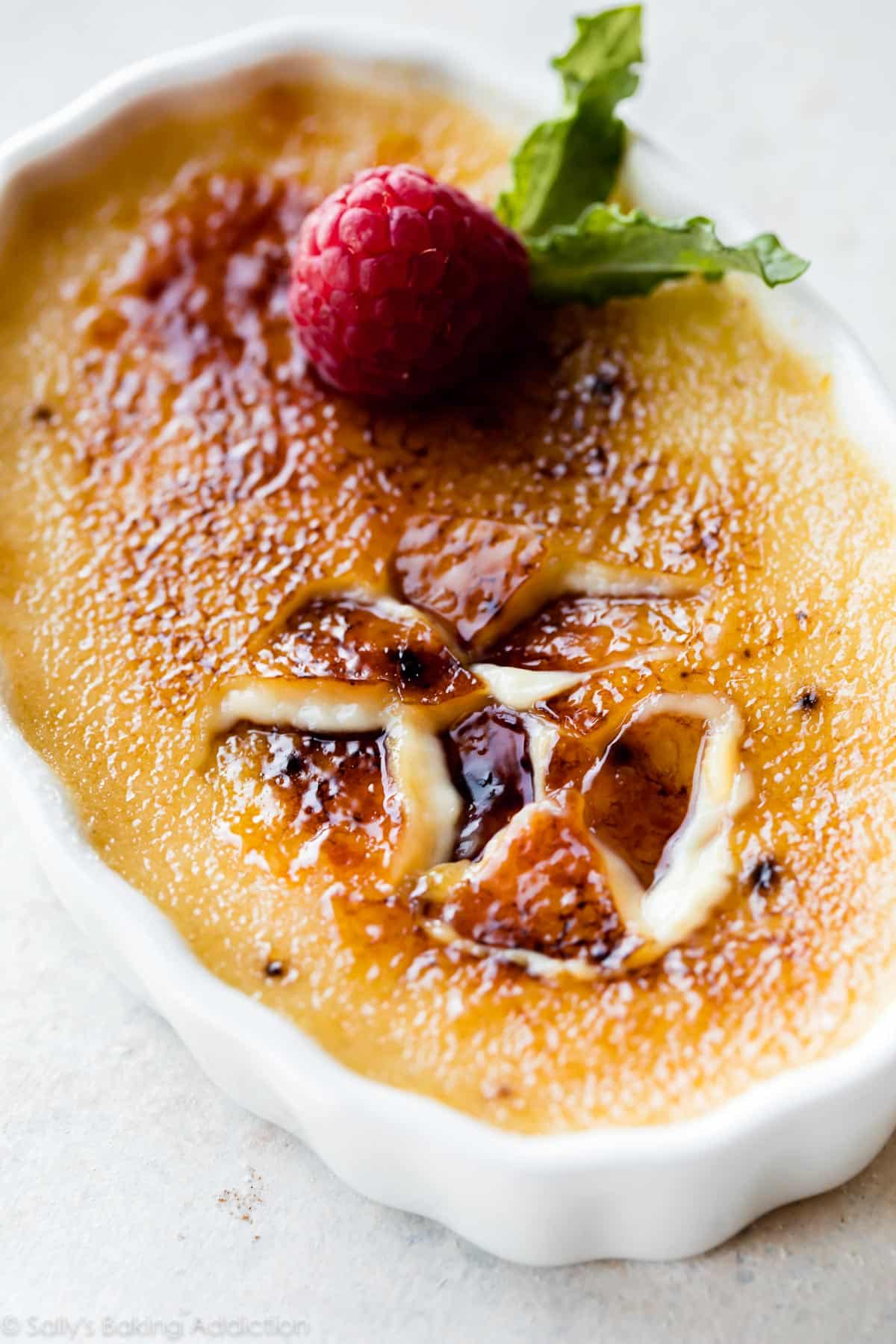
Perhaps the most surprising aspect of the 6-ingredient collection is its inclusion of desserts traditionally perceived as complex or intimidating. Pavlova, for instance, with its crisp exterior, chewy top, and marshmallow-soft center, is remarkably ingredient-efficient, requiring only egg whites, sugar, cornstarch, vinegar, and vanilla extract. Its inherent gluten-free nature adds to its appeal. When adorned with homemade whipped cream (a 3-ingredient staple) and lemon curd (a 5-ingredient delight), pavlova transforms into an elegant centerpiece without extensive grocery shopping. Likewise, Crème Brûlée, often associated with fine dining, is surprisingly simple to prepare at home. Made with heavy cream, egg yolks, sugar, vanilla, and often espresso, it can be ready for baking in approximately 15 minutes. Its sophisticated appearance, characterized by a caramelized sugar crust, belies its foundational simplicity. Even Angel Food Cake, a light and airy classic, adheres to the 6-ingredient rule (egg whites, sugar, flour, cream of tartar, salt, and vanilla). While its technique demands precision, the minimal ingredient list makes it an accessible challenge for ambitious home bakers. These examples highlight how mastery of technique, rather than an expansive ingredient list, often defines culinary sophistication.
Comforting Classics and Fruity Delights:
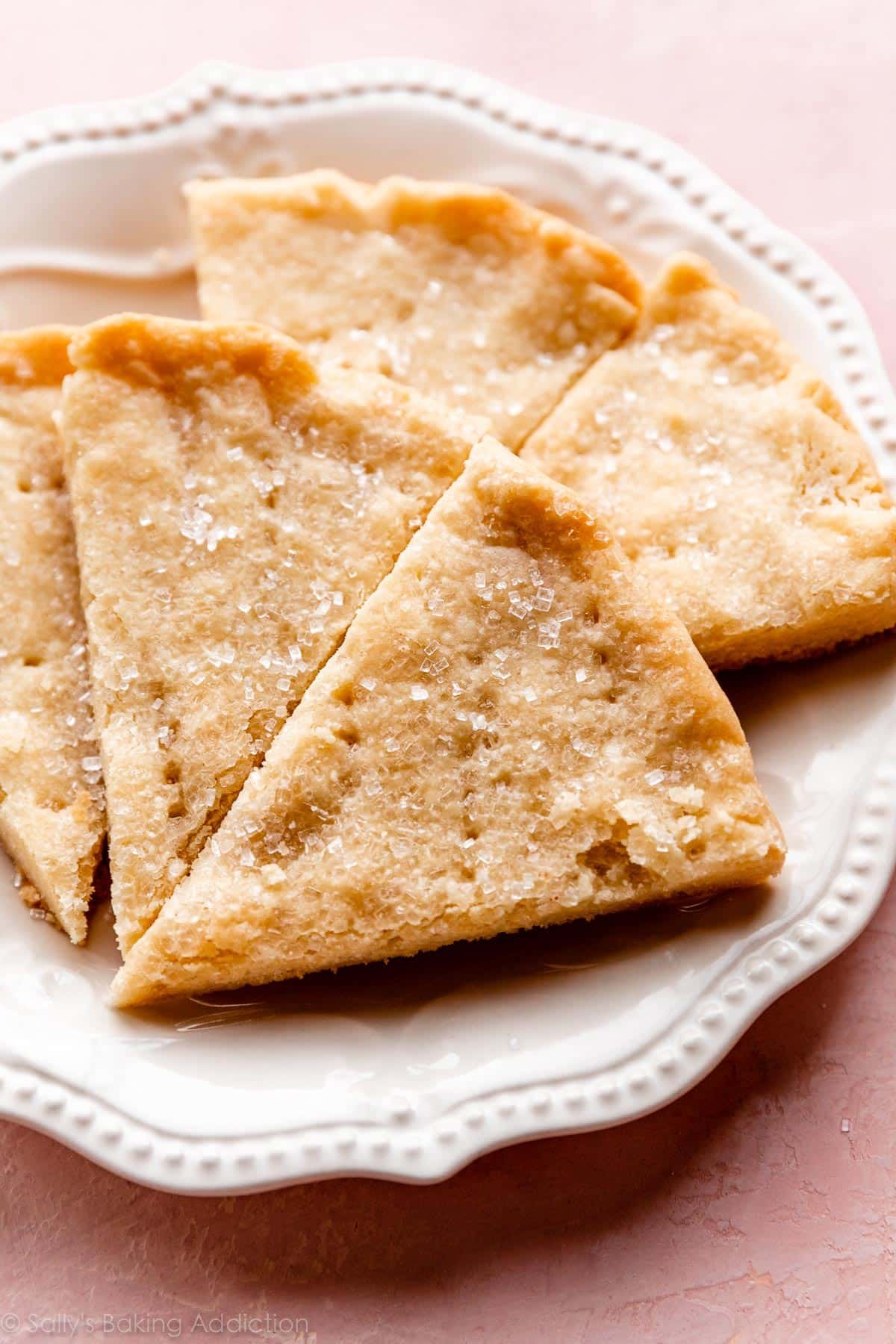
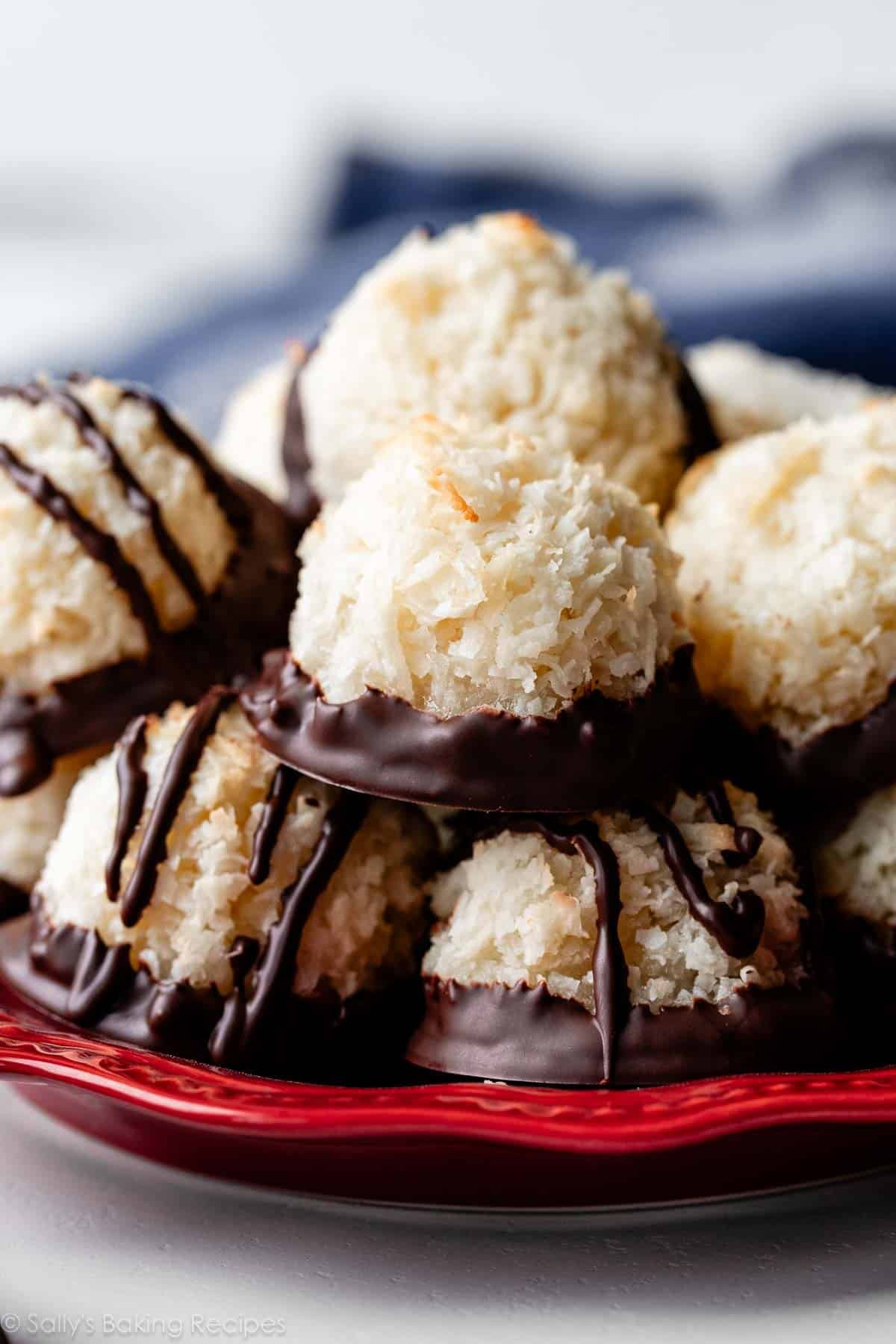
The collection also features timeless comfort foods and fruit-based desserts. Shortbread Cookies, made with butter, flour, sugar, and a touch of salt, are the epitome of simple, buttery indulgence. The lack of chilling time in many variations makes them particularly convenient. Easy Baked Apples, a wholesome, individually portioned dessert, relies on apples, butter, brown sugar, cinnamon, and oats, offering a warm, inviting treat that can be easily scaled for different household sizes. Coconut Macaroons are another naturally simple option, combining shredded coconut, sweetened condensed milk, egg whites, sugar, and vanilla extract for a chewy, sweet, and often gluten-free and dairy-free confection.
Pies and Frozen Innovations:
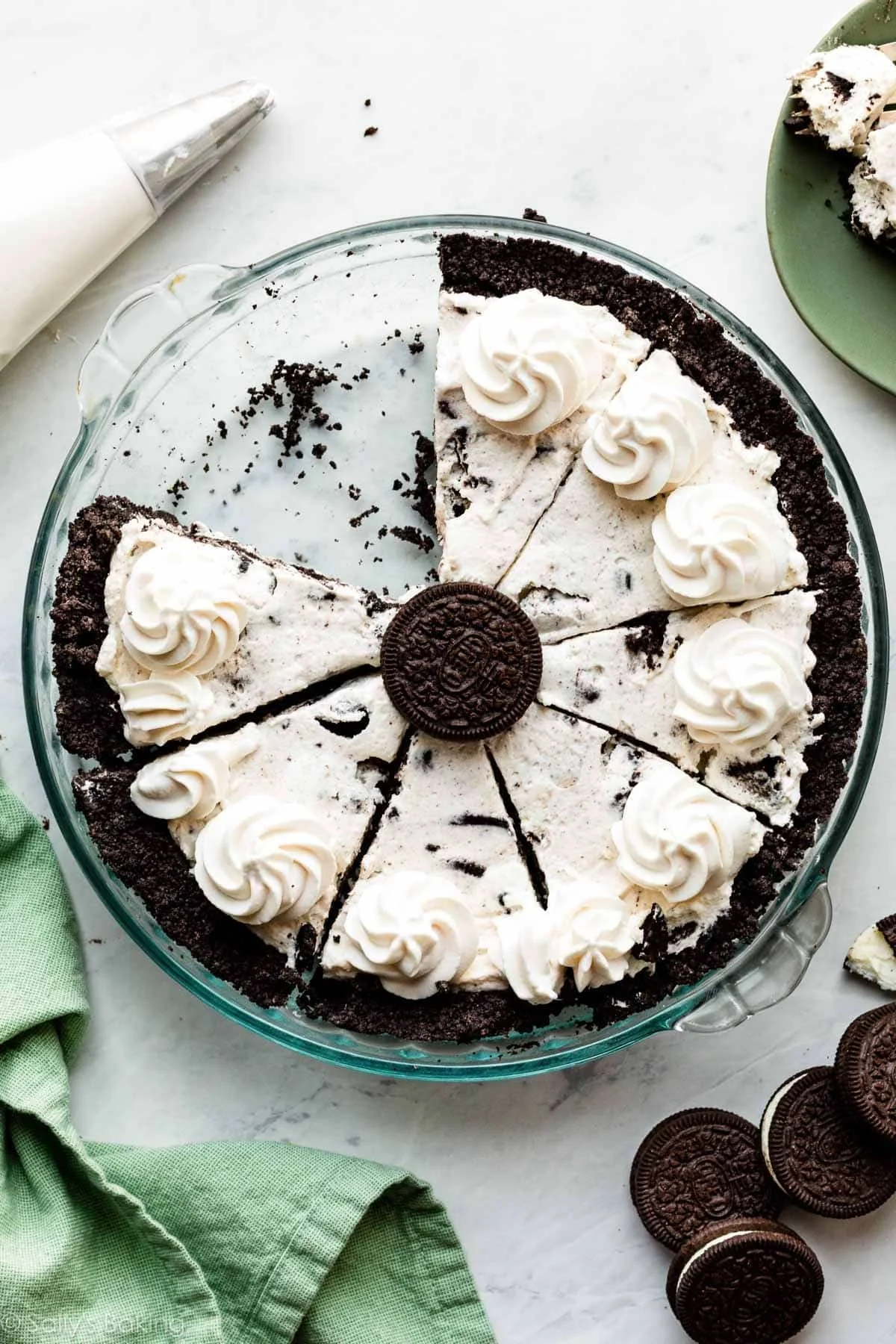
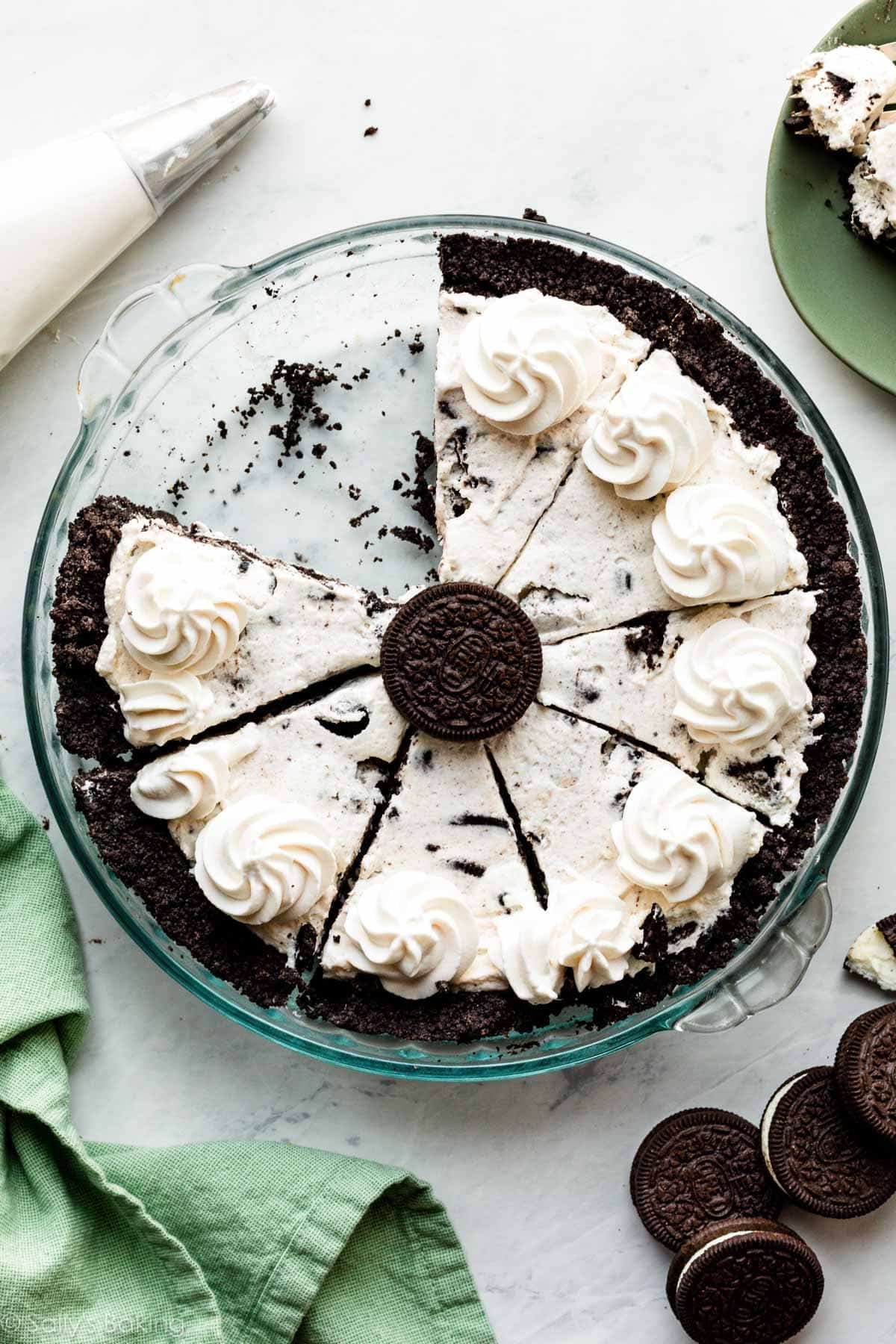
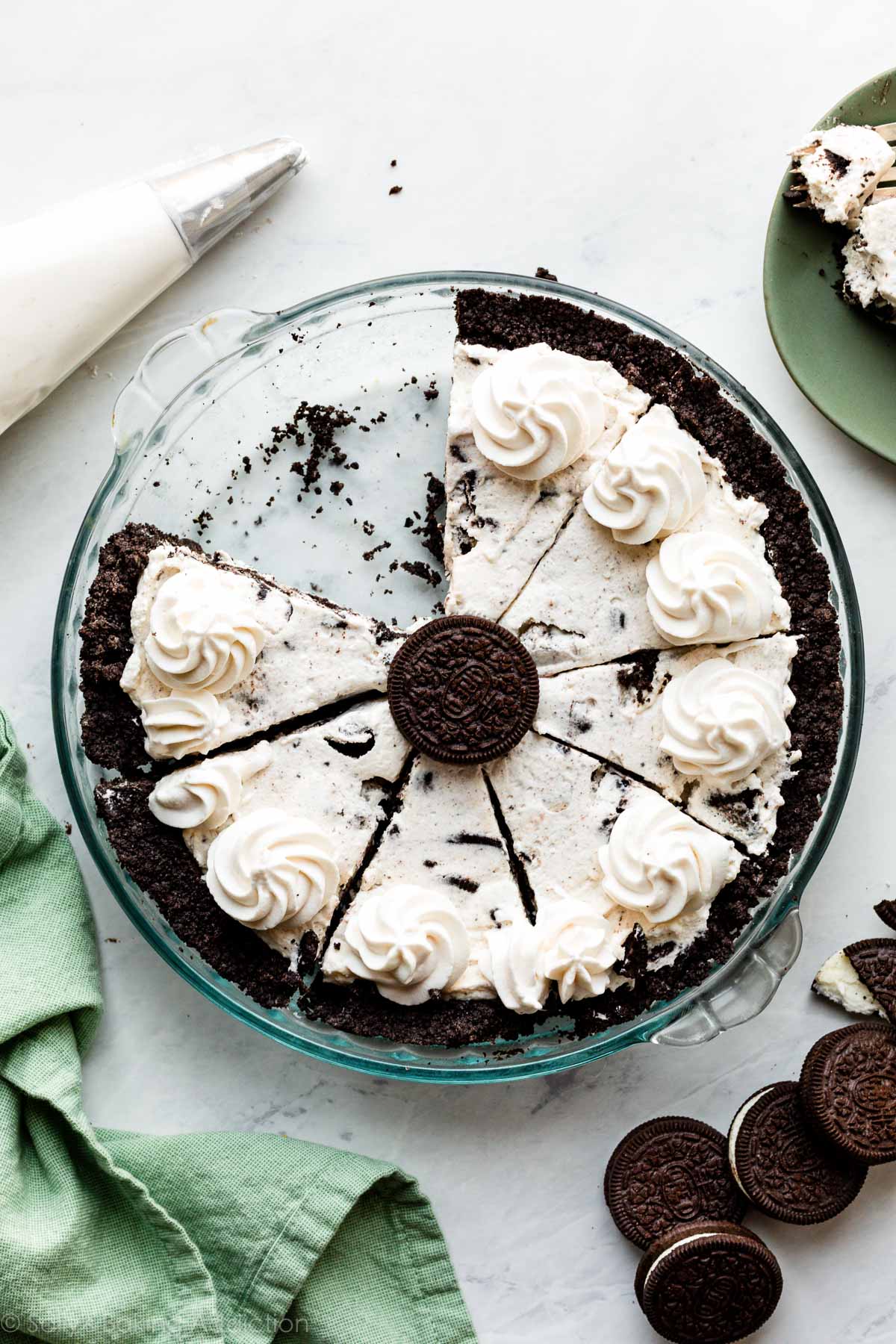
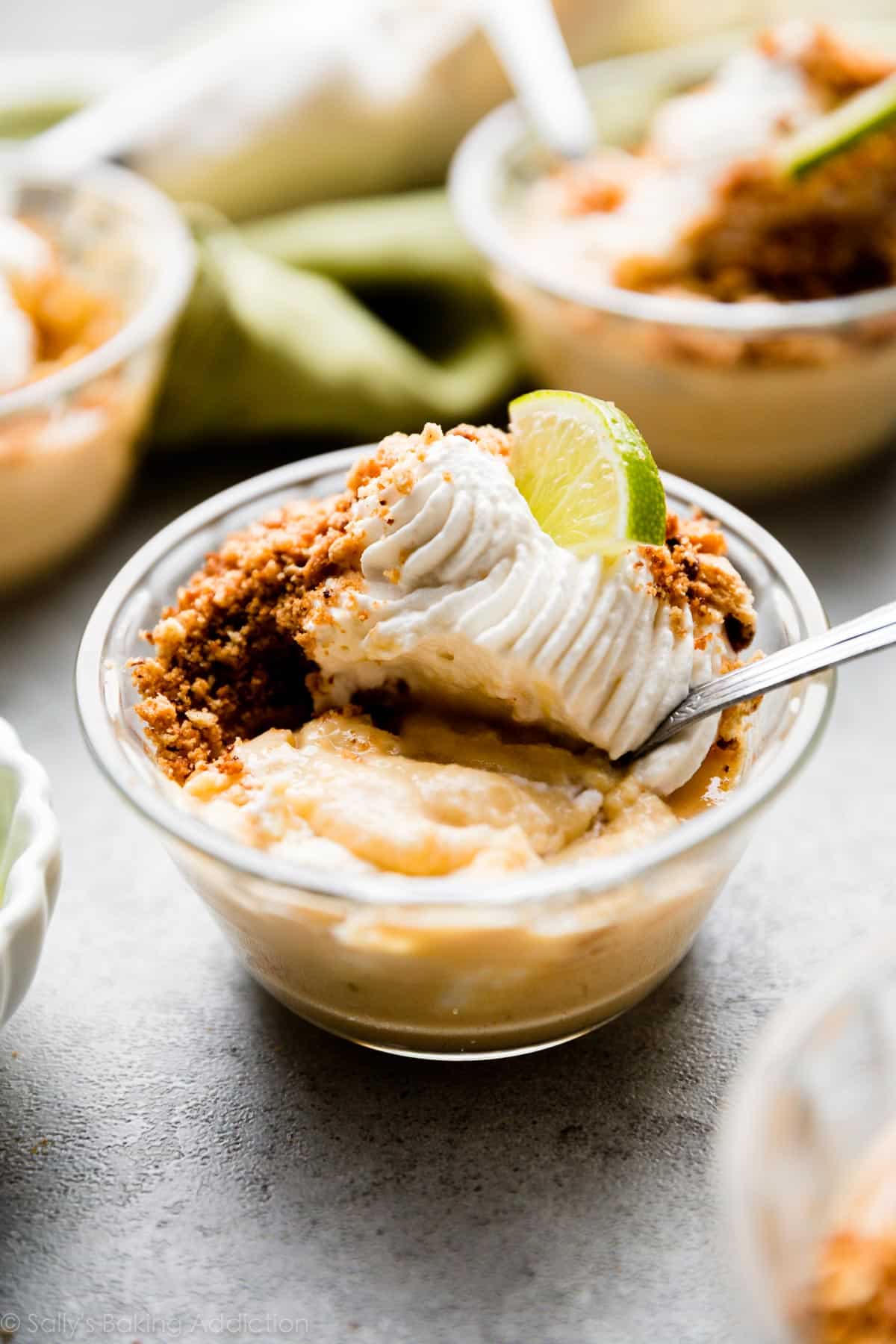
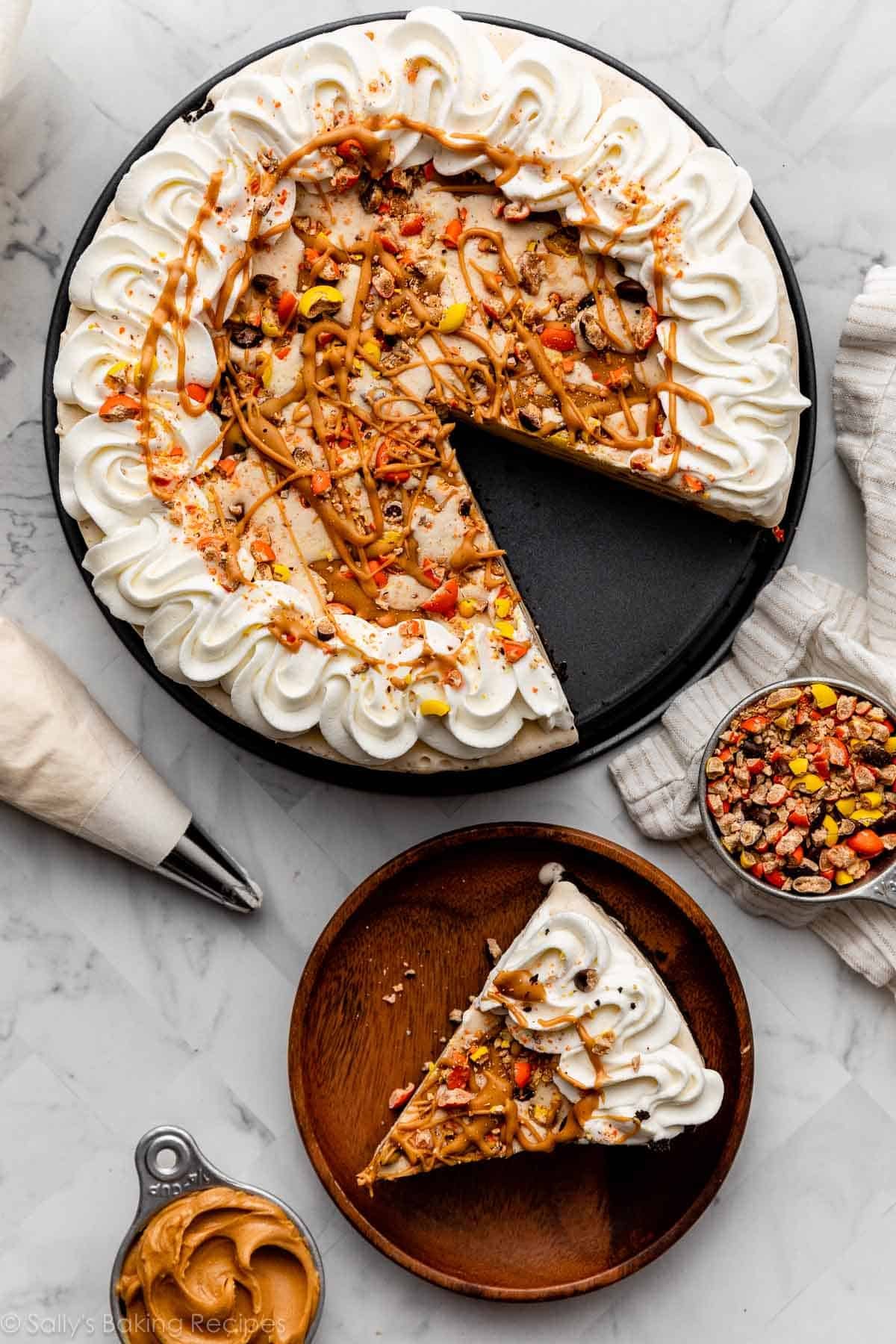
Even more elaborate categories like pies and ice creams are being reimagined with fewer ingredients. Cookies & Cream Pie utilizes a pre-made or simple crushed cookie crust, cream cheese, whipped topping, powdered sugar, and crushed cookies for a no-bake, Oreo-inspired delight. Upside Down Key Lime Pie offers a unique twist, baking a tangy key lime custard (key lime juice, eggs, sweetened condensed milk) directly in ramekins, often with a simple crust component. Peanut Butter Ice Cream Pie combines an Oreo crust with a creamy peanut butter ice cream filling (often made with heavy cream, sweetened condensed milk, and peanut butter), offering a rich, no-churn frozen dessert. For those seeking homemade ice cream without specialized equipment, Chocolate Swirl Pistachio Ice Cream demonstrates how a no-churn base (heavy cream, sweetened condensed milk) can be flavored with pistachio paste and swirled with a simple chocolate ganache, proving that artisanal flavors are within reach of the home kitchen. Creamy Lemon Pie, if made with a classic graham cracker crust, also fits the 6-ingredient mold, showcasing how a vibrant, refreshing pie can be achieved with minimal components.
Expert Insights and Broader Implications

Culinary experts have weighed in on this trend, recognizing its multifaceted benefits. Dr. Eleanor Vance, a food historian at the Institute of Gastronomy, notes, "The return to minimalist recipes reflects a broader societal desire for authenticity and control. In an increasingly complex world, the act of creating something delicious and familiar with just a few core ingredients provides a tangible sense of accomplishment and comfort." From an economic standpoint, Sarah Chen, a consumer behavior analyst, states, "This trend is directly influenced by consumer demand for value and efficiency. Recipes that require fewer ingredients reduce shopping time, cost, and potential waste, making them incredibly appealing to modern households."

The implications of this movement extend beyond individual kitchens. For the food industry, it suggests a potential shift in ingredient marketing, emphasizing quality staples over obscure or expensive items. Recipe developers are challenged to innovate within constraints, focusing on technique and flavor combinations rather than sheer ingredient volume. This could lead to a democratization of baking, making it more accessible to individuals of all skill levels and socioeconomic backgrounds. It also encourages creativity, as home bakers learn to maximize the potential of a limited pantry. Furthermore, the emphasis on basic ingredients often aligns with healthier eating patterns, promoting whole foods over processed alternatives, even in the realm of desserts.

In conclusion, the ascendancy of 6-ingredient desserts is more than a fleeting trend; it represents a thoughtful re-evaluation of home baking. It champions the notion that culinary excellence is not contingent on complexity but on the skillful and creative deployment of fundamental components. As individuals navigate busy schedules and economic considerations, these streamlined recipes offer a compelling solution, proving that memorable, crowd-pleasing, and even sophisticated desserts are entirely achievable with just a handful of ingredients, fostering a renewed appreciation for the enduring power of simplicity in the kitchen.