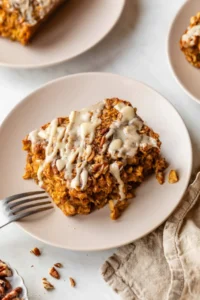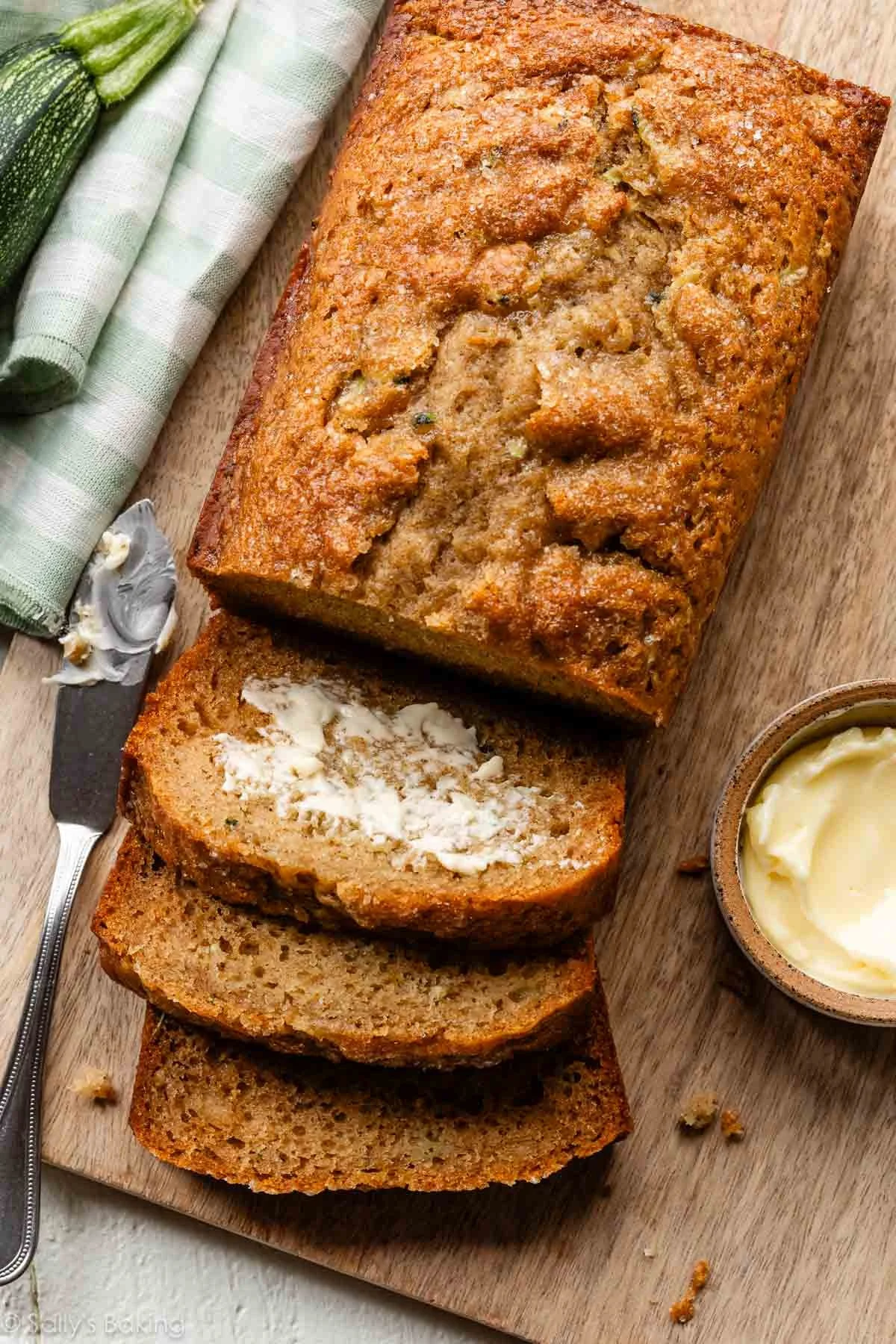

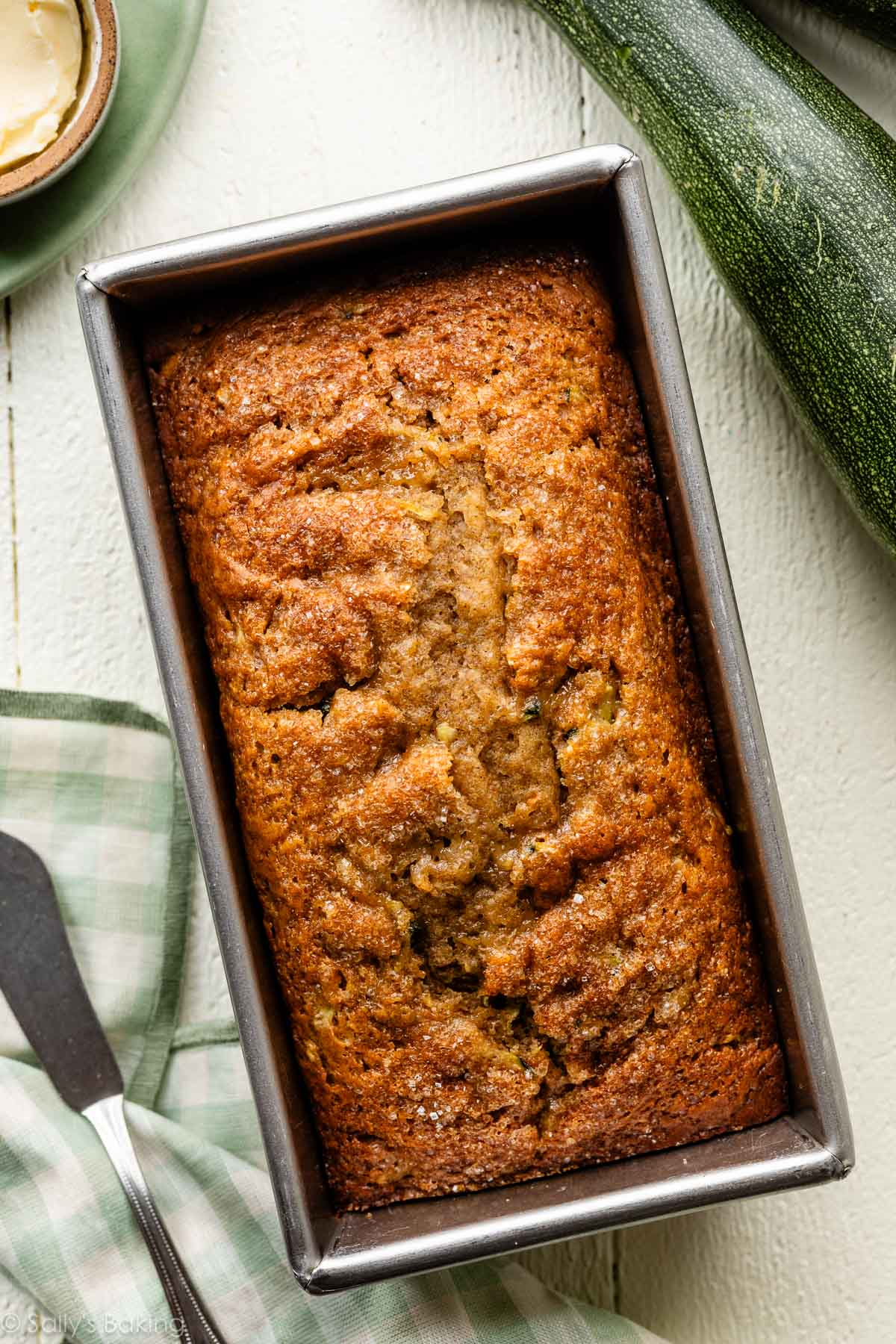
The Greek Yogurt Zucchini Bread, a recipe first introduced in 2015 and subsequently updated, has established itself as a favored method for utilizing abundant summer zucchini, offering a naturally sweetened, moist, and flavorful baked good. This particular iteration distinguishes itself through the incorporation of Greek yogurt for enhanced moisture and a tender crumb, alongside honey as a primary sweetener, aligning with contemporary preferences for wholesome ingredients and simplified preparation methods. The recipe’s design emphasizes ease, requiring only two mixing bowls and no specialized equipment, rendering it accessible to a broad spectrum of home bakers.
The Enduring Appeal of Zucchini Bread and Its Healthier Evolution
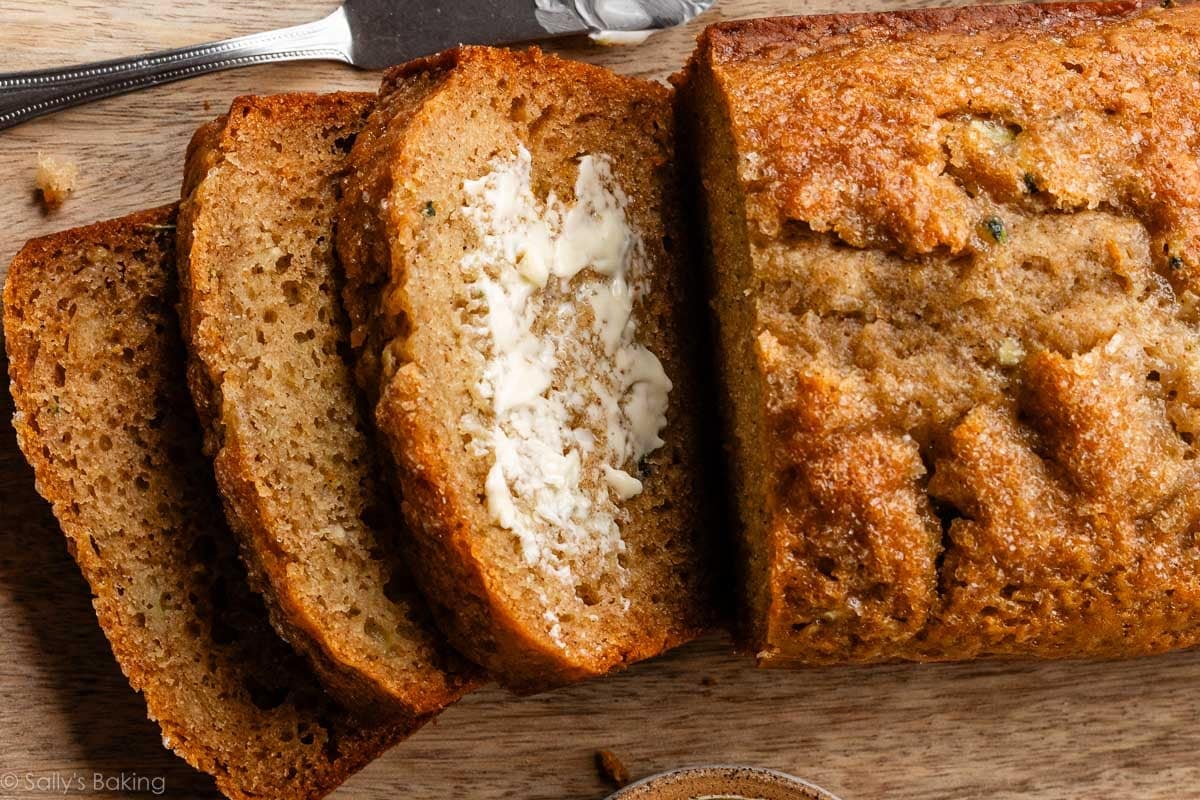
Zucchini bread holds a distinct place in culinary traditions, particularly during the summer months when zucchini harvests are plentiful. Historically, quick breads like zucchini bread emerged as practical solutions for transforming garden surpluses into palatable and preservable forms. The classic zucchini bread recipe, often characterized by its rich flavor and moist texture, has long been a staple in homes across many cultures. However, a noticeable shift in consumer preferences towards more health-conscious options has prompted the evolution of traditional recipes. This Greek Yogurt Zucchini Bread represents a significant step in this evolution, offering a version that maintains the beloved characteristics of its classic counterpart while integrating ingredients known for their nutritional benefits.
This recipe’s journey began with its initial publication in 2015. Over the subsequent years, it has undergone periodic refinements, including comprehensive updates to accompanying photography and the addition of "success tips" designed to further enhance the baking experience and ensure consistent results for home cooks. This iterative process underscores a commitment to providing a reliable and continually improved recipe that resonates with its audience. The updates reflect a responsiveness to user feedback and an ongoing effort to optimize the delicate balance between flavor, texture, and nutritional value. The emphasis on "wholesome ingredients" and "natural sweetness" with honey aligns with broader dietary trends that prioritize minimally processed foods and alternative sweeteners, catering to a growing demographic of health-aware consumers.
Key Ingredients and Their Functional Contributions to Quality
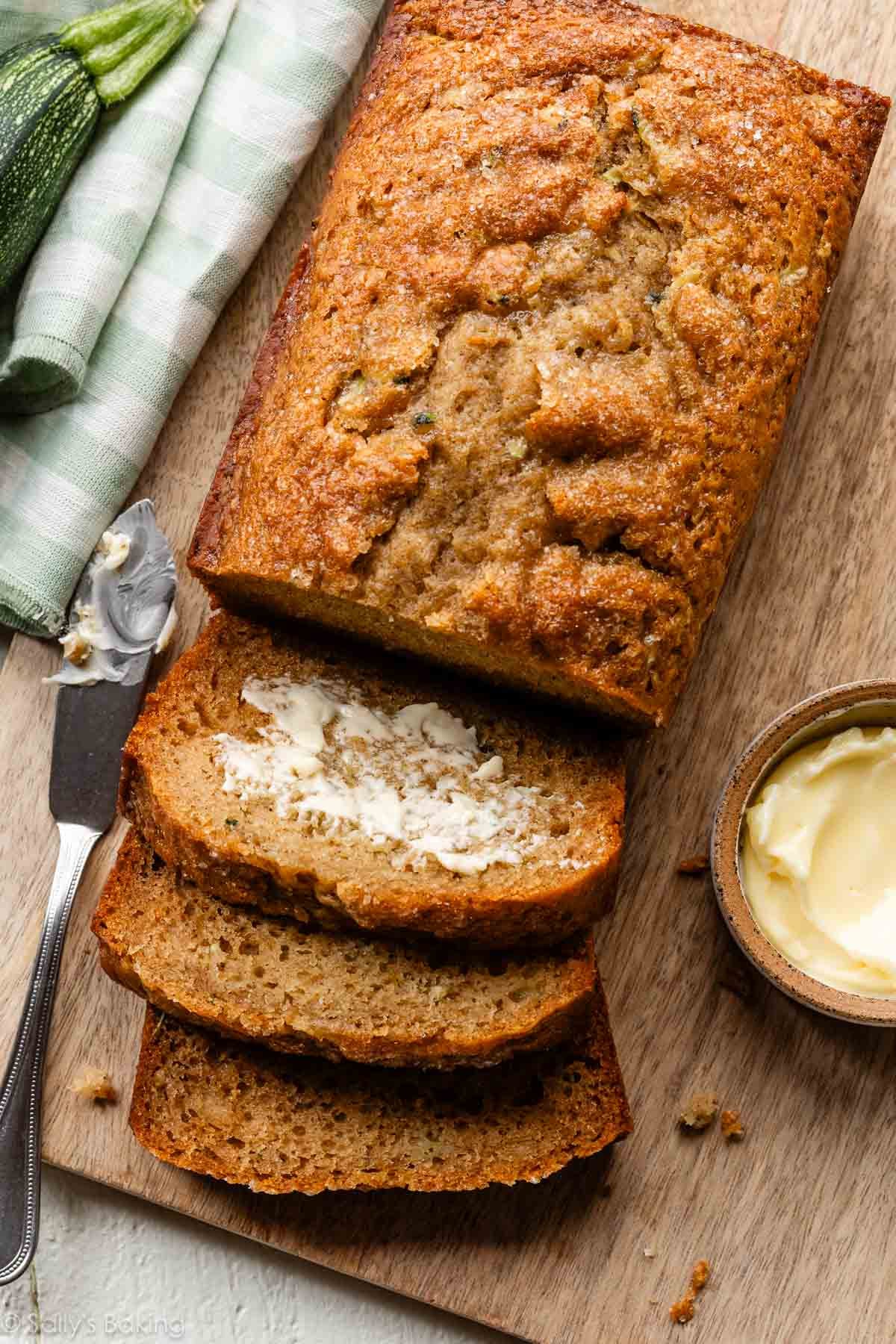
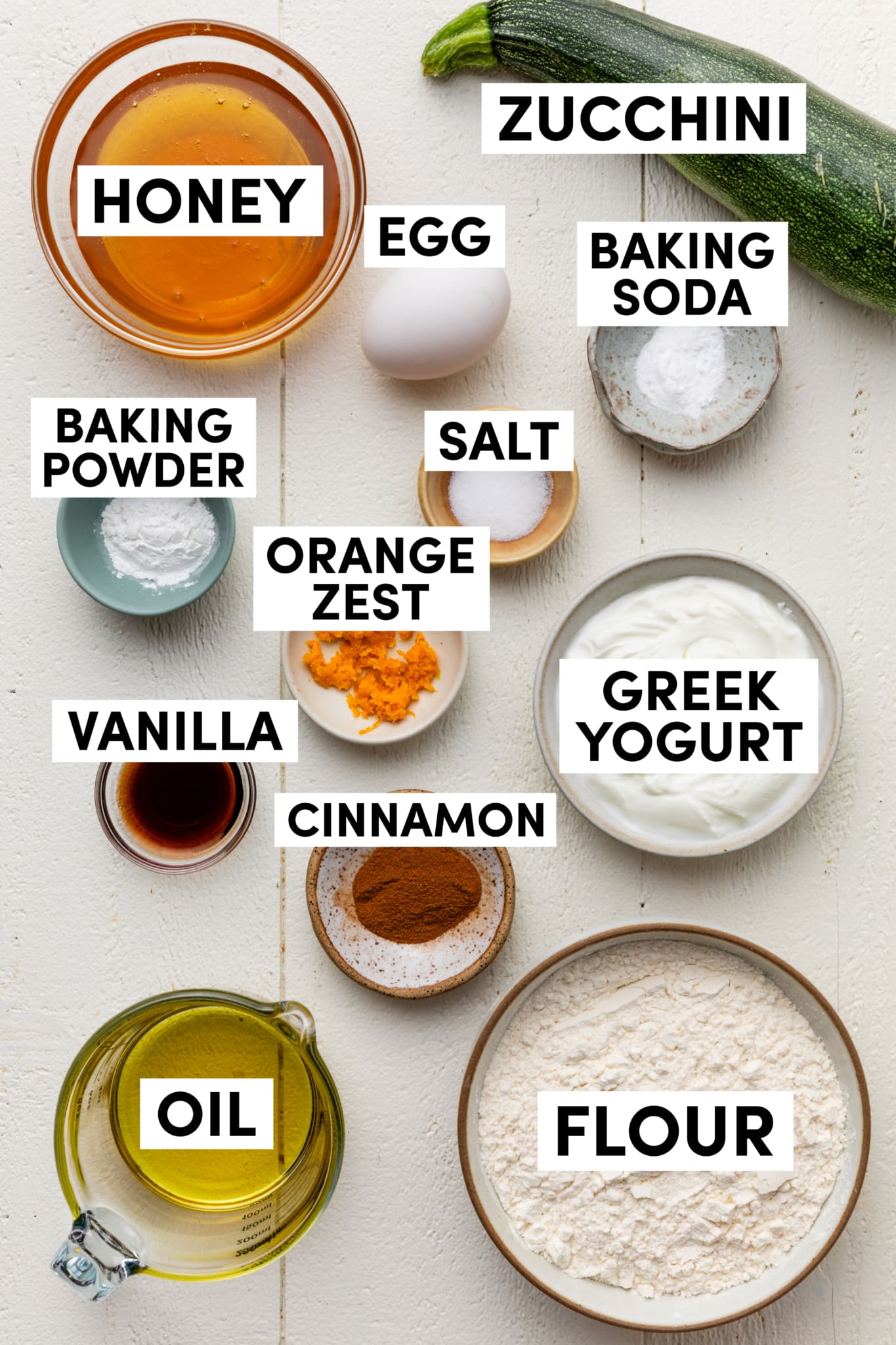
The structural integrity and distinctive characteristics of the Greek Yogurt Zucchini Bread are largely attributable to a carefully selected array of ingredients, each playing a crucial role in the final product’s quality and profile:
- Greek Yogurt: This ingredient is central to the bread’s superior moisture and tender crumb. Unlike traditional recipes that might rely heavily on oils or butter, Greek yogurt provides moisture while also contributing a subtle tang and a boost of protein. Its naturally thicker consistency compared to regular yogurt lends itself exceptionally well to the batter, creating a richer texture without introducing excessive saturated fats. The live cultures often present in Greek yogurt can also contribute to improved digestibility, though their impact on baked goods is minimal.
- Honey: Serving as the primary natural sweetener, honey offers a complex sweetness profile that elegantly complements the mild flavor of zucchini. Beyond its role in sweetening, honey contributes to the bread’s desirable golden-brown crust and possesses hygroscopic properties, meaning it helps retain moisture, further enhancing the tender crumb and extending the bread’s freshness. Its use aligns with the recipe’s healthier positioning by reducing reliance on refined sugars, which are often associated with various health concerns.
- Fresh Zucchini: The titular ingredient, fresh zucchini, is finely grated and folded into the batter. Its notably high water content naturally contributes significantly to the bread’s moistness, playing a critical role in preventing it from drying out during the baking process. Moreover, zucchini adds dietary fiber, along with a range of essential vitamins and minerals such as Vitamin C and potassium, subtly boosting the nutritional profile of the finished product. When properly grated, it integrates seamlessly into the bread, often becoming nearly undetectable in texture, a quality particularly appreciated by those who are hesitant about vegetable inclusion in baked goods, especially children.
- All-Purpose Flour: Providing the fundamental structure, all-purpose flour ensures a well-risen and cohesive loaf. Its gluten content develops sufficiently during mixing to create a stable framework, effectively holding the moisture and other ingredients together. The type and brand of flour can subtly influence the final texture, with some bakers preferring unbleached varieties for a slightly denser crumb.
- Eggs: Acting as both binders and leavening agents, eggs contribute significantly to the bread’s structure, richness, and its appealing golden hue. They help emulsify the batter, ensuring a smooth and uniform consistency, and work in conjunction with chemical leavening agents like baking soda and baking powder to achieve the desired rise and airy yet substantial texture. Eggs also add a small amount of protein and fat, further enriching the bread.
The strategic combination of these ingredients results in a quick bread that is both satisfyingly rich and refreshingly light, demonstrating an intentional approach to recipe development that balances indulgence with nutritional consideration. The synergy between moisture-rich zucchini, protein-packed Greek yogurt, and naturally sweet honey creates a distinctive flavor and texture profile that sets this recipe apart.
Preparation Simplicity and Expert Baking Recommendations for Optimal Results
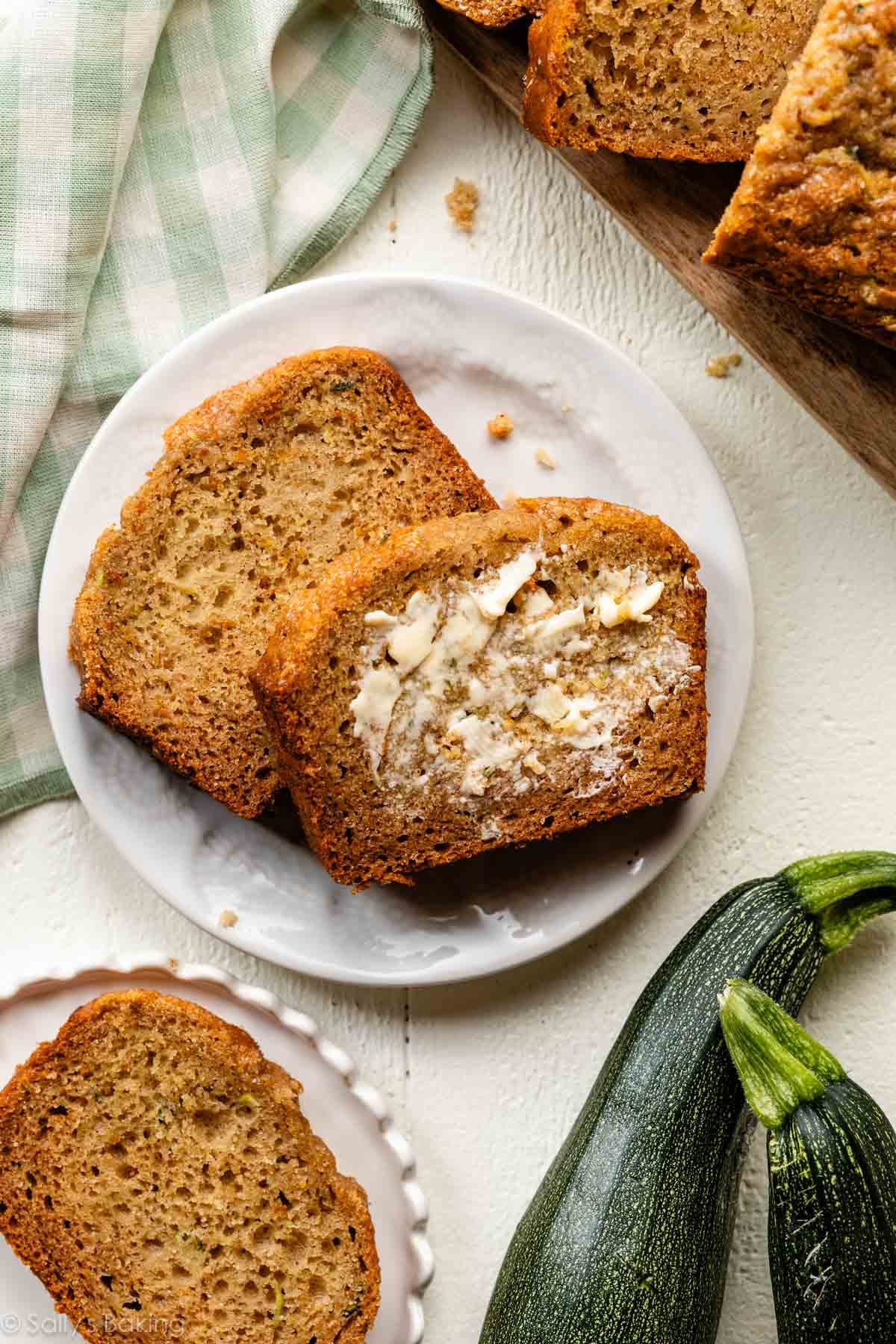
A hallmark of this recipe is its straightforward preparation, requiring minimal equipment and culinary expertise, making it an ideal project for bakers of all skill levels. The process is efficiently divided into two main stages: combining dry ingredients in one bowl and wet ingredients in another. This "two-bowl method" eliminates the need for a stand mixer or hand mixer, significantly simplifying cleanup and making the recipe more accessible to individuals with limited kitchen equipment or counter space.
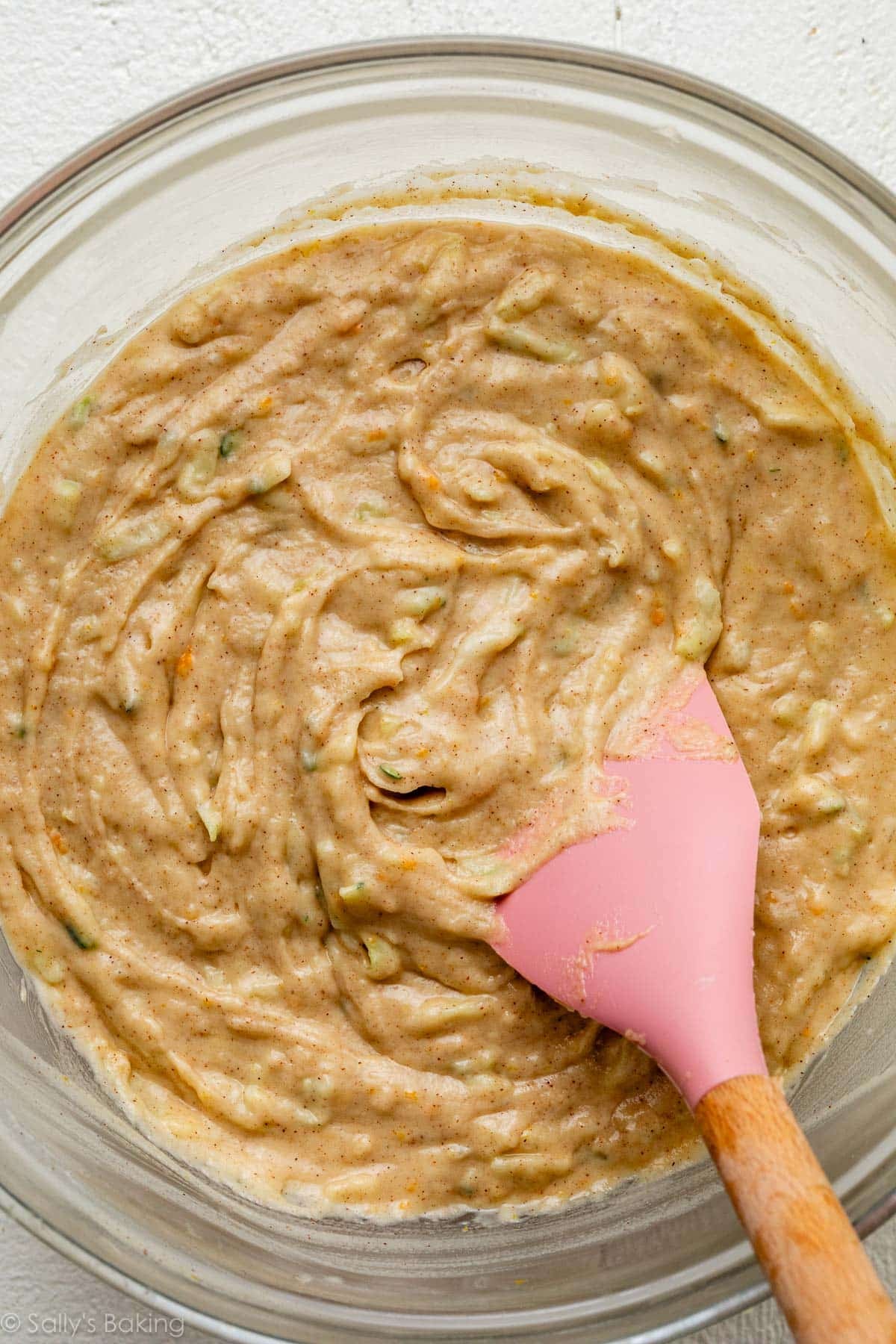
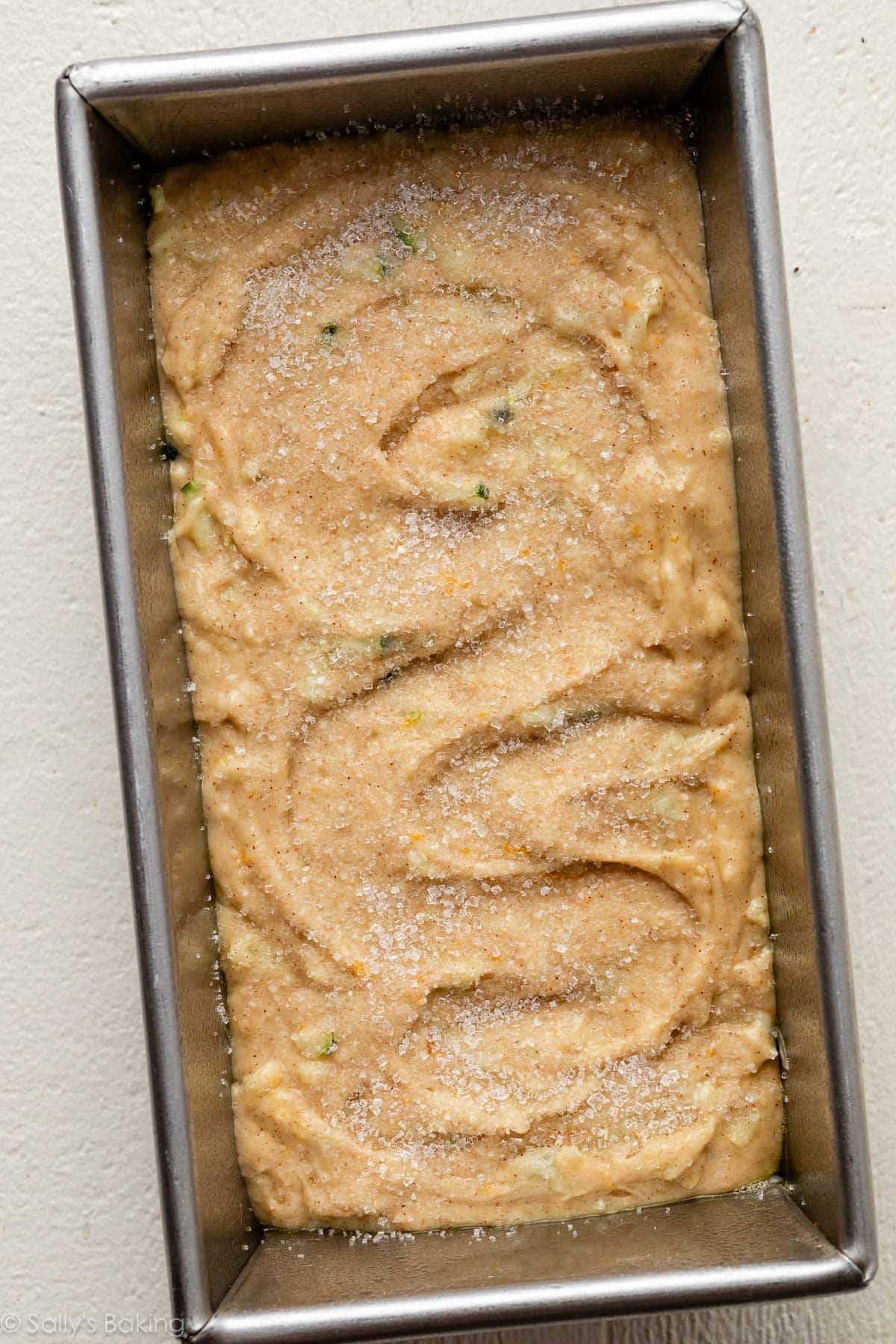
For optimal results, bakers are consistently advised to use room-temperature ingredients. This recommendation is rooted in fundamental baking science: ingredients at room temperature emulsify more effectively, leading to a smoother, more uniform batter free of lumps. Cold ingredients, conversely, can cause the batter to seize or become unevenly mixed, ultimately impacting the final texture and rise of the bread. Once the wet and dry components are gently combined until just incorporated, grated zucchini and optional orange zest are carefully folded in. The resulting batter is notably thick, a characteristic desired for achieving the bread’s dense yet moist texture without becoming heavy or gummy. For an added aesthetic touch and a hint of extra sweetness and crunch, a light sprinkle of coarse sugar, such as turbinado sugar, can be applied to the top of the batter before baking, which caramelizes beautifully during the baking process.
The choice of baking pan is also critical to the final outcome. The recipe specifically recommends an 8.5×4.5-inch loaf pan, often labeled as a "1-lb loaf pan." This particular size is instrumental in promoting a taller loaf with a desirable domed top and a consistently moist center, as the batter fills the pan adequately. Utilizing a larger 9×5-inch pan, while feasible, will result in a shorter loaf due to the wider spread of the batter and may necessitate a slightly reduced baking time, requiring careful monitoring to prevent overbaking and drying out the bread. These detailed recommendations underscore the precision embedded within the recipe to guide bakers towards optimal, consistently excellent results.
Versatility and Customization: Adapting to Diverse Tastes and Occasions
One of the significant advantages of the Greek Yogurt Zucchini Bread recipe is its inherent versatility, allowing for numerous customizations to suit individual preferences, dietary considerations, or the ingredients on hand. The basic batter serves as an excellent canvas for various additions, enhancing both flavor and texture:
- Nuts: Chopped walnuts are a highly popular choice, providing a satisfying crunch and an earthy, slightly bitter flavor that perfectly complements the sweetness of the bread. Pecans are another suitable alternative, offering a buttery note.
- Fruits: For a burst of fruity flavor and added moisture, dried cranberries or fresh blueberries can be folded into the batter. Blueberries, in particular, add a vibrant color and a pleasant tartness that cuts through the sweetness, while dried cranberries offer a chewy texture and concentrated flavor.
- Chocolate Chips: For those desiring a sweeter, more indulgent treat, chocolate chips (dark, semi-sweet, or milk chocolate) can be generously incorporated, transforming the quick bread into a dessert-like experience. White chocolate chips also provide a distinct sweetness and visual appeal.
- Orange Zest: The inclusion of fresh orange zest is a subtle but impactful addition, lending a bright, aromatic, and slightly citrusy note that elevates the overall flavor profile without overpowering the delicate taste of zucchini or honey. Lemon zest can be used for a similar, though tangier, effect.
- Spices: While the original recipe may be lightly spiced, additional warming spices like nutmeg, allspice, or a touch more cinnamon can be added to deepen the flavor profile, especially during cooler months.
Beyond add-ins, the recipe is also remarkably adaptable for different formats. The same batter can be easily transformed into Greek Yogurt Zucchini Muffins, offering a convenient, portion-controlled alternative that bakes more quickly and is ideal for grab-and-go breakfasts or snacks. This adaptability makes the recipe a practical solution for various occasions, from a wholesome breakfast or brunch item to a comforting afternoon snack or a light dessert served with coffee or tea.
Public Reception and Consumer Validation
The consistent positive feedback from consumers serves as a testament to the recipe’s success and widespread appeal within the home baking community. Testimonials frequently highlight its attributes as a healthier, delicious, and family-friendly option, validating its core claims.
Ashley, a verified reader, commented on her experience adapting the recipe for muffins: "These are excellent! Made the muffins last night and they’re already almost all gone. I peeled the zucchini before I grated it and it’s the first time my vegetable-hesitant preschooler has eaten zucchini bread (and he asked for thirds)." This feedback is particularly insightful, demonstrating the recipe’s inherent appeal even to young, discerning palates, which often presents a significant challenge for parents attempting to introduce vegetables into their children’s diets. The strategy of peeling the zucchini, while not explicitly detailed in the core recipe instructions, showcases user innovation and adaptation to achieve desired outcomes for specific family needs, further validating the recipe’s flexibility and broad applicability.
Another reader, Val, succinctly stated: "Best healthier zucchini bread I’ve made yet." This direct and enthusiastic endorsement reinforces the recipe’s primary claim as a superior, health-conscious alternative within its category. Such affirmations from the baking community, often shared across online platforms, underscore the recipe’s reliability and its effectiveness in delivering on its promise of a delicious yet healthier quick bread. These unsolicited reviews function as informal market validation, demonstrating high consumer satisfaction and the recipe’s competitive edge in a crowded field of baked goods.
Broader Implications: Health, Sustainability, and Culinary Innovation
The popularity and ongoing refinement of recipes like the Greek Yogurt Zucchini Bread reflect several broader trends in contemporary culinary practices and consumer behavior. Firstly, there is a sustained and growing interest in health-conscious baking. Consumers are increasingly seeking ways to enjoy traditional comforts with reduced sugar content, healthier fats, and added nutritional benefits. This recipe perfectly encapsulates that demand, demonstrating convincingly that "healthier" does not necessitate a compromise on taste or desirable texture. This trend is likely to continue as public awareness of diet and wellness expands.
Secondly, the emphasis on utilizing abundant summer zucchini speaks directly to principles of seasonal eating and food waste reduction. By providing an appealing and versatile method for utilizing garden surpluses or farmer’s market finds, the recipe contributes significantly to more sustainable kitchen practices. This aligns with a global movement towards greater awareness of food origins, supporting local agriculture, and minimizing environmental impact associated with food production and consumption. The act of baking with seasonal produce also fosters a deeper connection to food cycles.
Finally, the recipe’s simplicity and adaptability foster culinary innovation and accessibility. By requiring minimal equipment and offering clear, actionable tips, it empowers novice bakers to achieve professional-quality results, lowering the barrier to entry for home baking. Its inherently versatile nature also encourages experimentation, allowing experienced bakers to personalize the bread with various add-ins and flavor profiles, thereby promoting a dynamic and creative approach to home baking. The continuous engagement from the recipe’s community, as evidenced by reader comments and shared modifications, further solidifies its role as a catalyst for ongoing culinary exploration and skill development among home cooks.
In conclusion, the Greek Yogurt Zucchini Bread stands as more than just a recipe; it is a testament to the evolving landscape of home baking, where tradition meets innovation, and health-consciousness harmonizes with deliciousness. Its enduring popularity, backed by consistent positive feedback and strategic ingredient choices, ensures its continued relevance as a staple for seasonal baking. For those seeking to explore other zucchini-based creations, a range of recipes including zucchini cake, zucchini fritters, and zucchini biscuits, among others, further illustrate the remarkable versatility of this humble yet impactful summer squash.