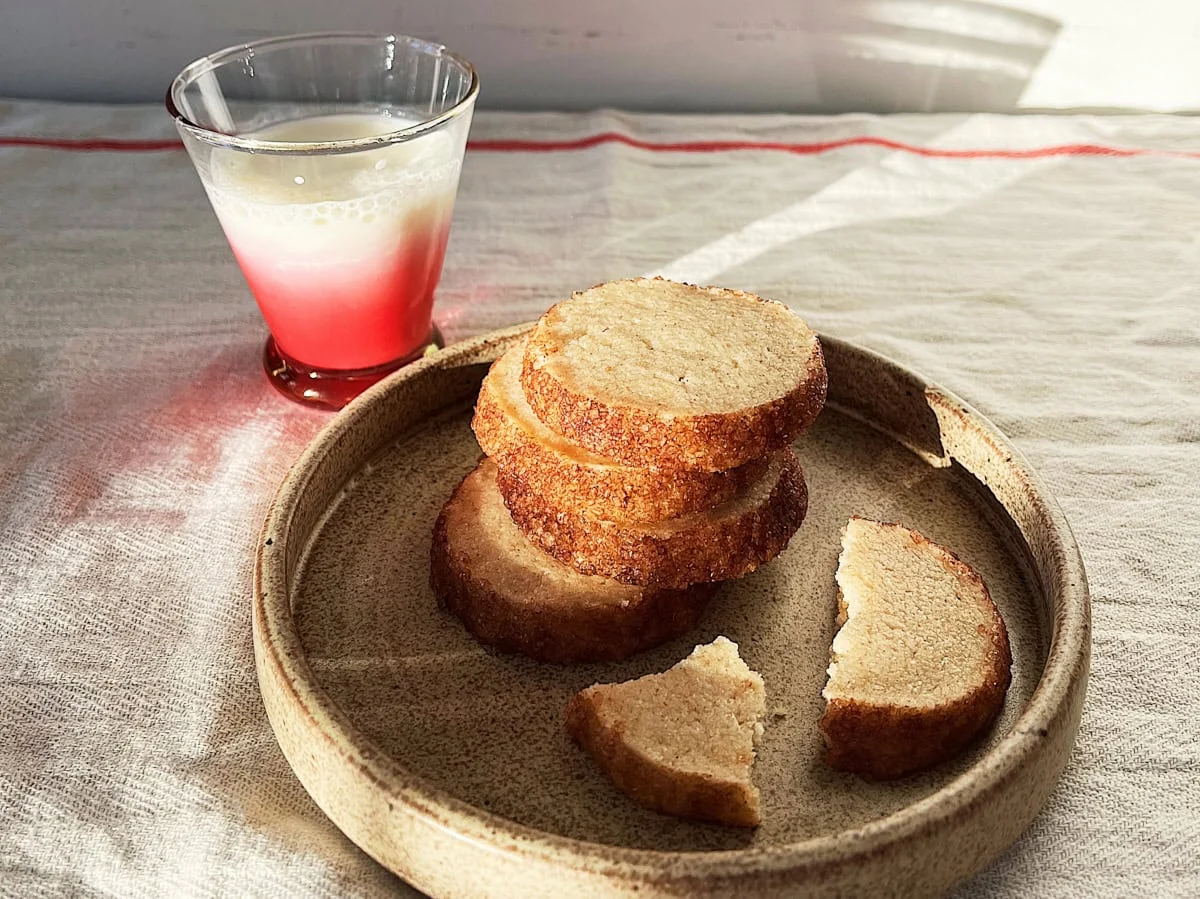

The culinary world is continuously exploring innovative methodologies to repurpose kitchen byproduct waste, most notably sourdough starter discard. In recent developments, home baking experts and culinary journalists have introduced a streamlined approach to holiday baking through a recipe designated as sourdough discard cinnamon toast cookies. This culinary innovation merges the tangy flavor profile of fermented sourdough discard with the comforting, nostalgic tastes of traditional cinnamon toast, utilizing a slice-and-bake format designed to maximize efficiency during peak baking seasons.
Background Context of the Culinary Trend
The practice of maintaining a sourdough starter has experienced a massive resurgence over recent years, moving from a niche hobby to a widespread culinary phenomenon. However, regular maintenance of a live starter necessitates daily feeding, which consequently produces a significant amount of excess batter—commonly referred to as discard. While discard can be composted, culinary enthusiasts have increasingly focused on upcycling this byproduct into savory and sweet goods to minimize food waste.
Historically, slice-and-bake cookies have been celebrated for their convenience. Unlike drop cookies that require individual scooping or rolled cookies that demand extensive counter space and cookie-cutter dexterity, slice-and-bake logs allow home cooks to prepare dough in advance, store it compactly, and bake fresh batches on demand. The integration of sourdough discard into this traditional cookie format introduces a subtle complexity of flavor, utilizing the natural acidity of the un-fed starter to balance the high fat and sugar content inherent in shortbread-style doughs.
Chronology and Development of the Recipe
The formulation of these specific cookies required extensive kitchen testing to reconcile the moisture content of sourdough discard with the structural requirements of a crisp, stable slice-and-bake biscuit. Traditional shortbread and slice-and-bake recipes typically rely on a rigid ratio of one part sugar, two parts butter, and three parts flour by weight.
Baking specialists noted that adhering strictly to this standard ratio often resulted in an excessively stiff and floury product, particularly when omitting eggs or chemical leaveners that provide chewiness and aeration. Consequently, developers adjusted the formula to approximately 250 grams of all-purpose flour, supplemented by an additional 35 grams derived from 100% hydration sourdough discard. This modification yielded a sugar-to-butter-to-flour ratio closer to one part sugar, one and a half parts butter, and slightly under two parts flour.
To achieve the distinct texture and aesthetic associated with cinnamon toast, the exterior of the dough logs is coated in a mixture of Demerara sugar, ground cinnamon, and flaky sea salt. A light wash of beaten egg white prior to rolling ensures that the granular coating adheres firmly to the soft dough throughout the chilling and slicing phases.
Technical Specifications and Ingredient Analysis
Culinary analysts emphasize that because the ingredient list for slice-and-bake cookies is inherently minimal, the quality of each component directly influences the final product. Experts recommend utilizing high-grade, European-style butter, which features a lower water content and a higher butterfat ratio, thereby enhancing the richness of the crumb.
The inclusion of sourdough discard introduces a calculated level of hydration into an otherwise dry dough. Because water is added via the starter, the dough requires a mandatory chilling period of at least two hours. This step resolidifies the butter, preventing the cookies from spreading excessively when exposed to oven heat, and ensures clean, uniform circular slices.
Furthermore, baking professionals advise extending the bake time slightly beyond standard visual cues. Because the moisture from the starter prevents the tops of the cookies from browning rapidly, bakers must rely on a minimum bake duration of approximately 14 minutes to ensure the structure has fully set and the base has achieved optimal crispness.
Flavor Variations and Adaptability
While the foundational recipe highlights vanilla and cinnamon, the formula’s inherent neutrality allows for numerous flavor adaptations suited to diverse consumer preferences. Culinary developers have outlined several approved variations:
- Citrus Integration: Incorporating up to two tablespoons of fresh lemon, grapefruit, or orange zest directly into the sugar before creaming it with the butter.
- Alternative Extracts: Substituting or supplementing vanilla with quarter-teaspoon measurements of potent extracts such as rose water, orange flower water, or almond extract.
- Textural Additions: Introducing up to 130 grams of finely chopped chocolate, toasted nuts, or roasted sesame oil for depth and structural variety.
- Spice and Infusion Substitutions: Replacing cinnamon with ground cardamom or sumac in the exterior coating, or incorporating finely ground tea leaves—such as Earl Grey, matcha, or hojicha—into the dry flour mixture.
- Alternative Flours: Swapping up to 60 grams of all-purpose flour for nutrient-dense whole grains, including whole wheat, rye, spelt, or earthy buckwheat, alongside small quantities of medium-grind cornmeal for added crunch.
Storage and Preparation Logistics
The operational efficiency of slice-and-bake cookies is further amplified by their adaptability to long-term storage and advanced preparation schedules. According to culinary guidelines, the completed dough logs can be tightly wrapped, sliced, and frozen prior to baking.
For optimal preservation, sliced rounds can be arranged on parchment-lined sheet pans, frozen solid for approximately two hours, and subsequently transferred to airtight containers separated by parchment layers. This methodology allows home cooks to store unbaked portions for up to three months. When retrieved from the freezer, the cookies can be baked directly from a frozen state by extending the standard baking time by an additional two to four minutes.
To maintain food safety and structural integrity during the refrigeration phase, experts caution against the use of certain eco-friendly storage materials, such as beeswax wraps, noting that waxy residues can inadvertently transfer to the high-fat dough during prolonged chilling. Standard parchment paper or washable silicone stretch wraps are recommended alternatives.
Broader Impact on Home Baking and Food Waste Reduction
The popularization of sourdough discard pastry recipes reflects a broader cultural shift toward sustainable domestic practices. By repurposing an ingredient that is frequently discarded during routine bread-making cycles, home bakers can significantly reduce kitchen waste while expanding their repertoire of baked goods.
Industry observers note that recipes emphasizing discard utilization resonate strongly with consumers seeking cost-effective, resource-efficient methods for holiday entertaining. As culinary creators continue to publish standardized conversions for fermented byproducts, the integration of sourdough discard into conventional pastry applications is projected to remain a prominent trend within the modern home-baking sector.