
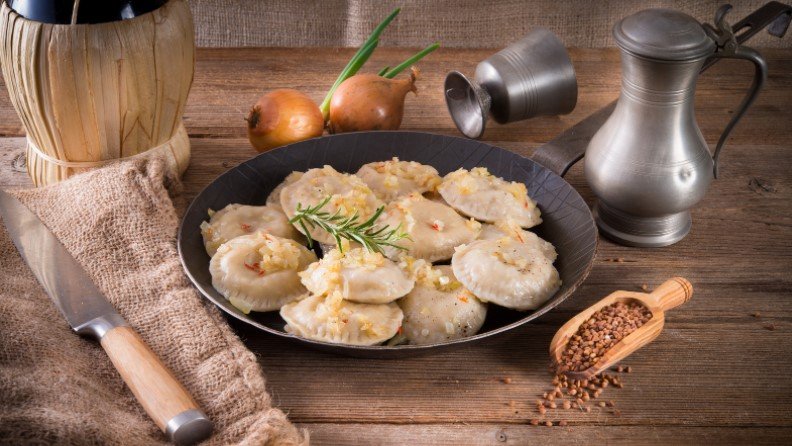
For those seeking the perfect culinary companions to the beloved pierogi, a seasoned chef with deep Polish roots in Jersey offers an authoritative guide. Drawing from a childhood steeped in the tradition of crafting these delicate, half-moon dumplings, this expert presents a curated selection of side dishes designed to elevate the pierogi experience. These recommendations prioritize practicality and ease of preparation, making them accessible to even novice cooks. A crucial consideration, the chef emphasizes, is the pierogi’s filling – whether it’s the classic mashed potato and cheese, savory sauerkraut, earthy mushroom, sweet pumpkin, or even fruit, a complementary side dish awaits.
A Culinary Heritage: The Enduring Appeal of Pierogi
Pierogi, a staple of Eastern European cuisine, particularly in Poland, have a rich history dating back to at least the 13th century. These versatile dumplings are traditionally made from unleavened dough, filled with a variety of savory or sweet ingredients, and then typically boiled, pan-fried, or baked. Their adaptability has allowed them to transcend their humble origins, becoming a beloved dish in many cultures, celebrated for their comforting nature and diverse flavor profiles. The "Babcia’s Sunday meal" often features pierogi as a central element, signifying family, tradition, and the warmth of home cooking. This enduring popularity fuels a continuous exploration of how best to serve and enjoy them, with side dishes playing a pivotal role in creating a complete and satisfying culinary experience.
Essential Accompaniments: The Foundation of Flavor
The foundation of any exceptional pierogi meal lies in thoughtful pairings that enhance, rather than overpower, the dumplings themselves. The following selections represent a spectrum of flavors and textures, each offering a unique contribution to the overall dining experience.
1. The Indispensable Sour Cream
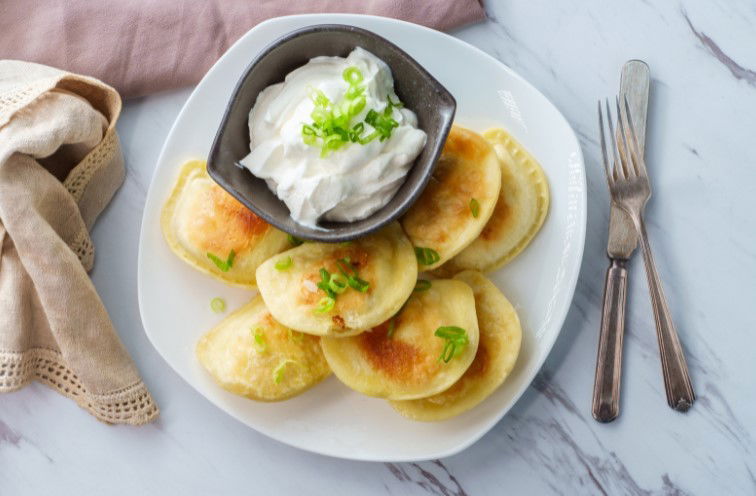
Sour cream emerges as the undisputed champion, a simple yet profound addition that transforms a pan-fried pierogi into a complete and deeply satisfying dish. Its cool, tangy creaminess provides a perfect counterpoint to the warm, often crispy exterior of the pierogi. Even when multiple side dishes are present, a generous dollop of sour cream remains a non-negotiable element for many enthusiasts. Its ubiquity in Polish cuisine, alongside pierogi, speaks to its inherent compatibility, offering a refreshing contrast that balances the richness of the dumplings. The chef’s personal testament—that a heaping spoonful of sour cream is a constant companion to his pierogi—underscores its essential role.
2. Sweetly Caramelized Onions: A Harmonious Partner
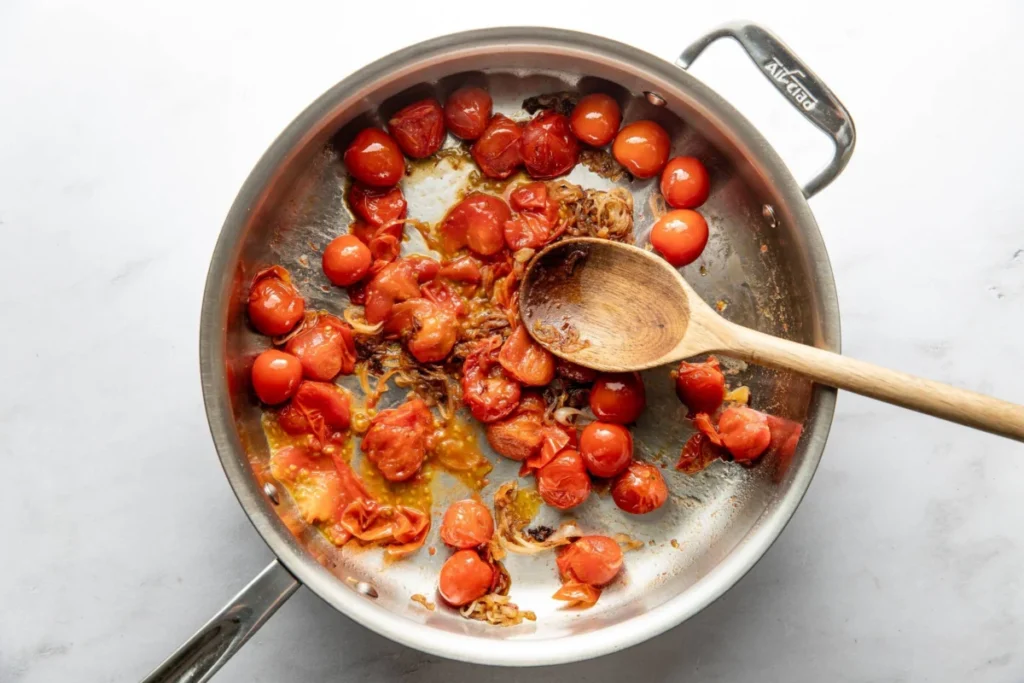
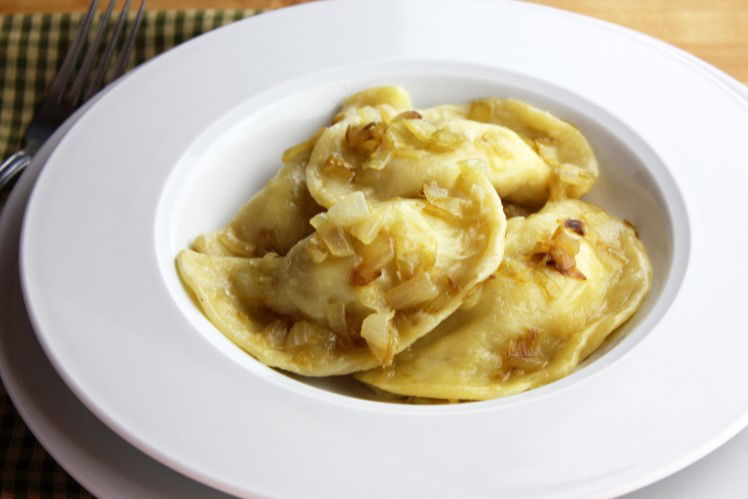
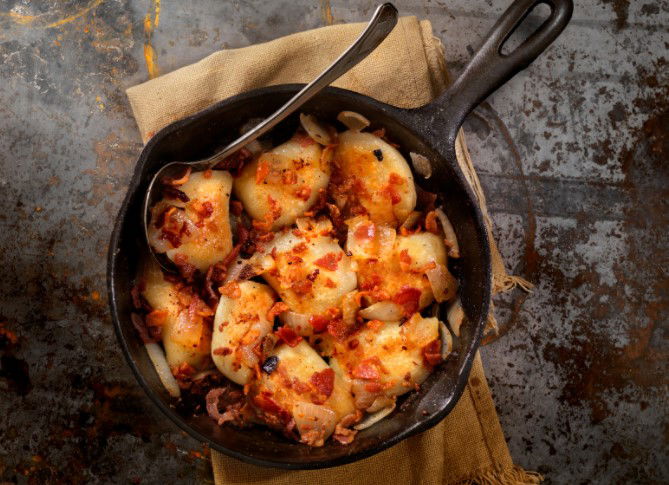
Onions, much like sour cream, hold a permanent place on the list of ideal pierogi accompaniments. Their naturally sweet, caramelized flavor, achieved through patient sautéing, melds seamlessly with the buttery richness of pan-fried pierogi. The interplay between the sweet onions and the bright, sharp tang of sour cream atop a warm, tender pierogi creates a symphony of flavors and textures that is widely considered a culinary masterpiece.
The preparation of sautéd onions offers remarkable flexibility. For a quick and efficient meal, thinly sliced onions can be cooked directly in the same pan used for frying the pierogi. After sautéing the onions in butter or a preferred fat, they can be set aside. Once the pierogi are cooked, additional fat can be added to the pan to continue the cooking process. This one-pan approach not only minimizes cleanup but also allows the pierogi to absorb some of the residual onion flavor.
For those with a bit more time, slow-cooking onions to achieve a deep, jammy caramelization unlocks an even more profound sweetness and complexity. This method draws out the natural sugars within the onions, resulting in a richer, more nuanced flavor profile. Recipes dedicated to achieving perfectly caramelized onions can be found in various culinary resources, emphasizing techniques that ensure consistent results and optimal sweetness. The investment of time in this preparation yields a side dish that is both visually appealing with its browned edges and profoundly flavorful.
3. The Sophistication of Brown Butter and Herbs
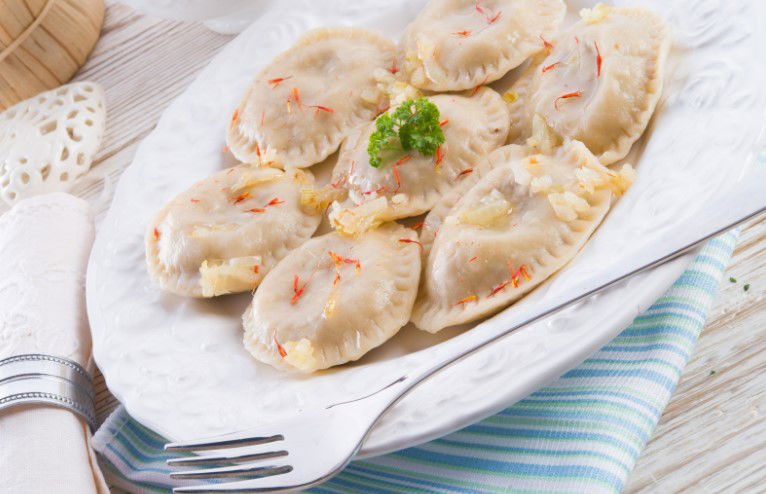
A seemingly simple yet elegantly sophisticated option is the preparation of brown butter sauce infused with fresh herbs. This versatile topping elevates pierogi without demanding extensive culinary expertise. The process of browning butter, while appearing complex, is primarily about careful attention to heat and timing. The goal is to toast the milk solids present in the butter, imparting a rich, nutty aroma and flavor.
To achieve this, butter is melted in a heavy-bottomed pot or pan over medium heat. Constant stirring is crucial to prevent the milk solids from scorching and adhering to the bottom of the pan. As the butter melts, it will foam and then gradually deepen in color to a rich golden brown. It is during the foaming stage that fresh herbs, such as parsley, chives, or dill, can be added. The heat from the butter will release their aromatic oils, infusing the sauce with vibrant freshness. This technique, when executed correctly, transforms a humble ingredient into a sauce that sings with complex flavors, beautifully complementing the delicate dough and various fillings of pierogi. Resources are available to guide cooks through the precise steps of creating this nuanced browned butter sauce, ensuring a delightful outcome.
Pro-Tip Combination: A Masterclass in Flavor Synergy
For the truly adventurous palate, the chef suggests a masterful combination of these elements: a layered approach that maximizes flavor and textural contrast. Begin by sautéd onions, then set them aside. Next, prepare the brown butter and herb sauce. Finally, fry the pierogi. The pierogi can then be artfully topped with a medley of the sautéd onions and the fragrant brown butter sauce. This thoughtful layering ensures that each component retains its distinct character while contributing to a harmonious whole, creating a dish that is both comforting and complex.
Adding Substance: Heartier Pairings for a Complete Meal
Beyond the essential toppings, certain side dishes provide more substantial elements, transforming pierogi from a delightful appetizer or light meal into a hearty centerpiece.
4. The Rustic Charm of Cabbage or Brussels Sprouts with Bacon
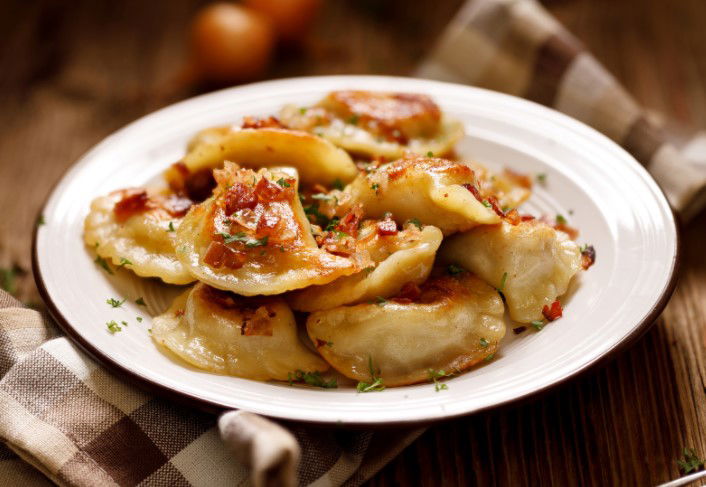
When seeking additional substance without the commitment of preparing an entire protein, cabbage or Brussels sprouts cooked with bacon offer a robust and flavorful solution. The rendered fat from the bacon can serve as a flavorful cooking medium for the vegetables, effectively replacing the need for additional butter in their preparation. This combination also allows for creative integration with other suggested sides, such as a drizzle of brown butter or a dollop of sour cream.
The preparation is straightforward: bacon is cooked until crisp, and a portion of its rendered fat is reserved. This flavorful grease is then used to sauté chopped cabbage or shredded Brussels sprouts until tender and slightly browned. The crispy bacon bits can then be mixed into the vegetables or used as a savory garnish. This rustic pairing provides a satisfying depth of flavor and a pleasant textural contrast to the soft pierogi. Recipes for Brussels sprouts and bacon, often featuring similar cooking principles, provide a solid foundation for this delightful accompaniment.
5. The Classic Embrace of Kielbasa
Kielbasa, a traditional Polish sausage, stands as a quintessential pairing for pierogi, offering a substantial and deeply savory element. Whether boiled or pan-fried, kielbasa provides a hearty protein that perfectly complements the dumplings. Its availability in most grocery stores, typically found in the sausage and hot dog section, makes it an accessible choice for enhancing any pierogi meal.

A cherished family preparation involves slicing kielbasa into angled medallions, pan-frying them until golden, and then combining them with jarred apricot preserves. The resulting sweet and savory glaze, as described by the chef, is a delicious revelation. Baking this mixture at approximately 400°F (200°C) for 15-20 minutes allows the preserves to melt and meld with the kielbasa juices, creating a luscious sauce ideal for serving alongside or drizzled over pierogi. Resources detailing various methods for cooking Polish sausage offer further inspiration for preparing this classic accompaniment.
6. The Versatile Appeal of Pork
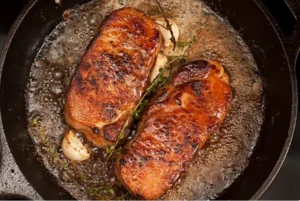
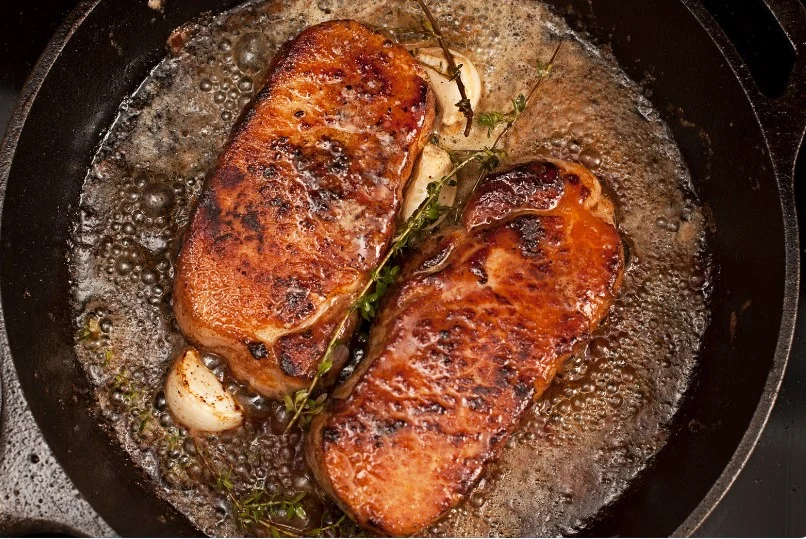
Pork, in its myriad forms, presents a highly compatible protein for pierogi. From crispy bacon and pan-seared pork chops to succulent pork tenderloin, fried pork cracklings, or slow-cooked pulled pork, any preparation of pork can enhance a pierogi dish. Pork is often an economical choice, offering significant flavor and satiety without a prohibitive cost.
Historically, pork and sausages have been integral to traditional Polish meals featuring pierogi, forming a cornerstone of authentic culinary experiences. The chef advocates for cooking pork in the same pan used for the pierogi, allowing the meat’s rendered fats and browned bits to infuse the dumplings with additional flavor. This technique is a testament to minimizing waste and maximizing taste.
Drawing from a dual heritage of Puerto Rican and Polish influences, the chef highlights a personal favorite: Pernil, a slow-roasted, marinated pork shoulder known for its incredibly crispy skin. Serving this flavorful pork alongside pierogi with caramelized onions and sour cream exemplifies a harmonious fusion of culinary traditions, showcasing how diverse pork preparations can elevate the humble pierogi.
7. The Comforting Depths of Braised Meat
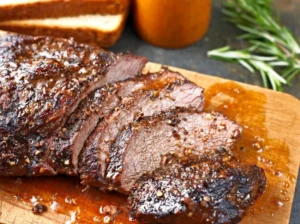
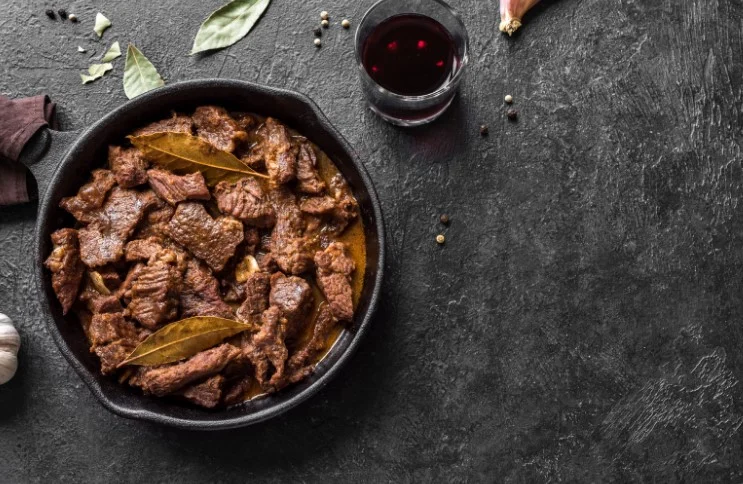
For occasions where pierogi are intended to be a side rather than the main event, braised meats offer a sophisticated and deeply satisfying option. The braising technique, which involves searing meat at high heat to lock in juices followed by slow cooking in liquid, results in exceptionally tender and flavorful protein. Cuts like chuck roast, pork shoulder or ribs, or lamb shank are ideal candidates for braising and pair exceptionally well with pierogi.
This method of preparation is particularly well-suited for creating a well-rounded meal when accompanied by simple steamed vegetables. The rich, fall-apart tenderness of braised meat provides a robust counterpoint to the delicate dumplings. Detailed guides on braising meats offer comprehensive instructions for achieving perfectly tender results, allowing cooks to apply these techniques to their chosen protein for a truly comforting and complete dining experience. The longevity of braised meats in the refrigerator also makes them an excellent choice for preparing meals in advance, with both the meat and pierogi reheating well for subsequent enjoyment.
Frequently Asked Questions About Pierogi Preparation
How are pierogies traditionally served?
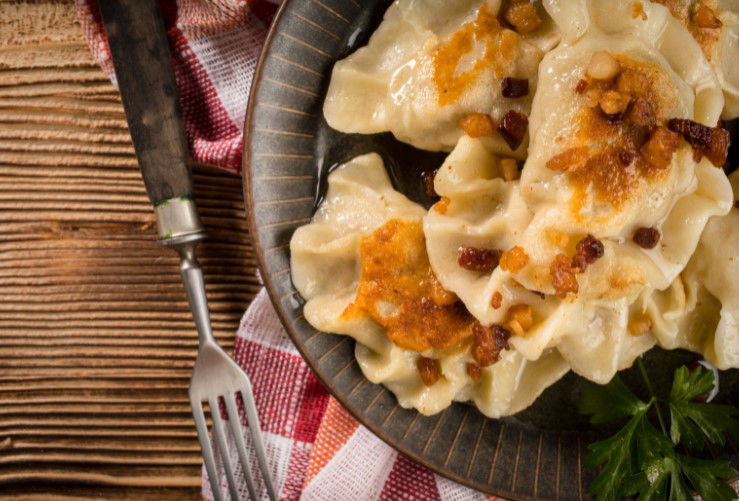
Traditionally, pierogi, originating from Poland, are pan-fried and often served with a topping of melted butter and fried onions. This simple preparation highlights the inherent flavors of the dumplings.
Do you have to boil pierogies before frying them?
Pre-boiling pierogi is generally only necessary if they are frozen. Fresh or thawed pierogi can be directly fried without prior boiling, achieving a desirable crispy exterior.
What do you dip pierogies in?
Pierogies are wonderfully versatile and can be dipped in a variety of accompaniments. Melted butter and sour cream are classic and universally loved choices, offering a simple yet satisfying enhancement to each bite.
The exploration of pierogi side dishes reveals a culinary landscape rich with tradition and innovation. From the essential tang of sour cream and the sweetness of caramelized onions to the sophisticated notes of brown butter and the hearty substance of kielbasa and braised meats, each pairing offers a unique opportunity to enhance the enjoyment of these beloved dumplings. The insights provided by a seasoned chef, grounded in family heritage and culinary expertise, empower home cooks to create memorable meals that celebrate the enduring appeal of pierogi.